
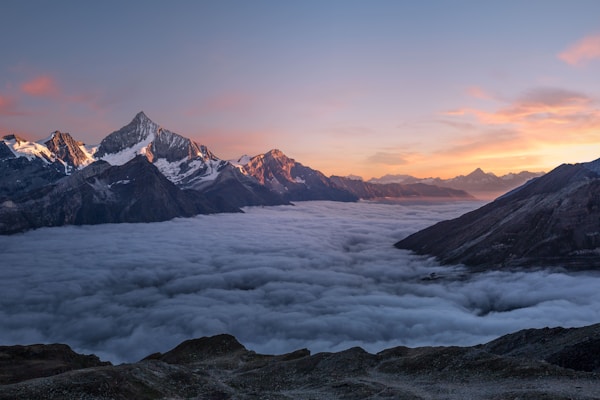
Yosemite National Park
America's most iconic national park with El Capitan, Half Dome, and Yosemite Falls
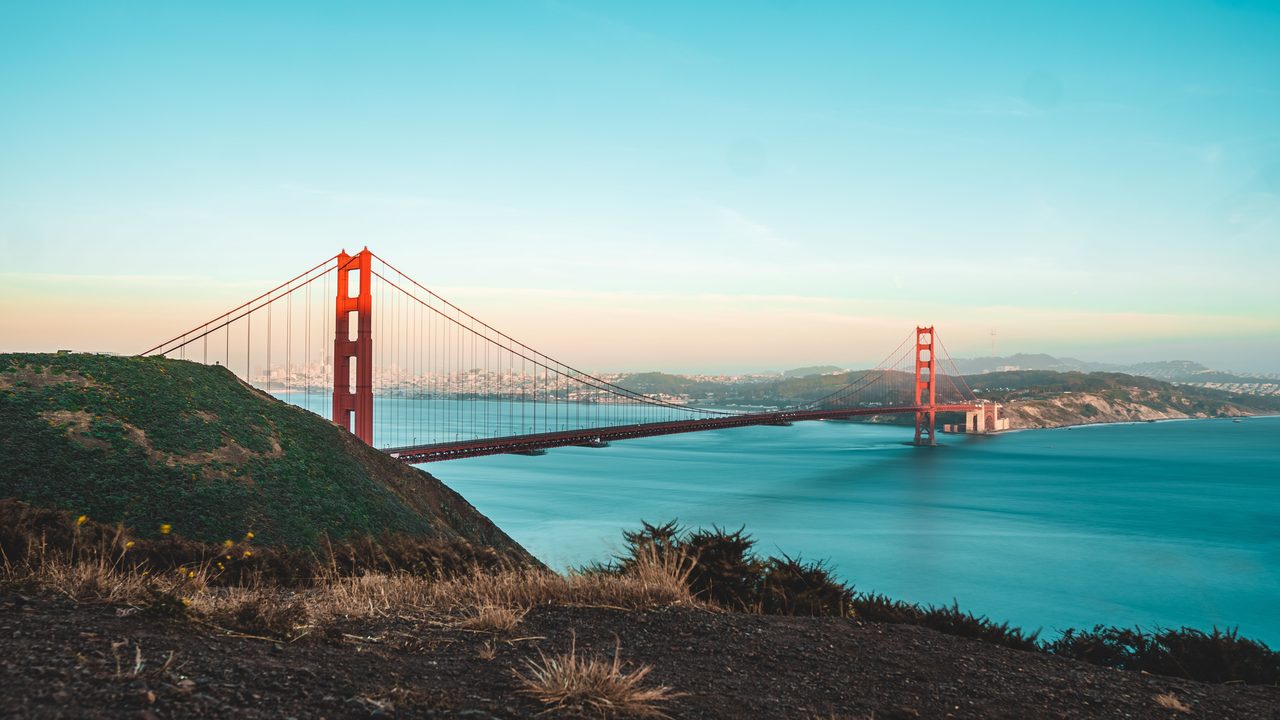
California · 12 Places · Best March-May and September-November
California is America's most populous and diverse state, stretching 1,300 kilometers along the Pacific Coast from the Oregon border to Mexico. It encompasses everything from sun-drenched beaches and towering redwood forests to the dramatic Sierra Nevada mountains and the arid Mojave Desert.
California is the third-largest US state by area and is renowned for its Mediterranean climate, technological innovation, and entertainment industry. Home to world-class national parks including Yosemite and Joshua Tree, iconic cities like San Francisco and Los Angeles, and the famous Pacific Coast Highway, California offers an unparalleled variety of experiences. The state's cultural diversity, culinary scene, and natural wonders make it one of the world's premier travel destinations.
Jump straight to the experience you're planning.
The 12 destinations our editors recommend — from iconic landmarks to under-the-radar finds.
America's most iconic national park with El Capitan, Half Dome, and Yosemite Falls
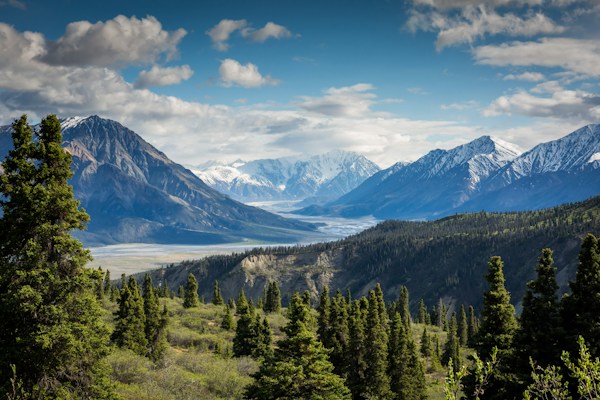
San Francisco's defining icon spanning 1.7 miles across the bay entrance
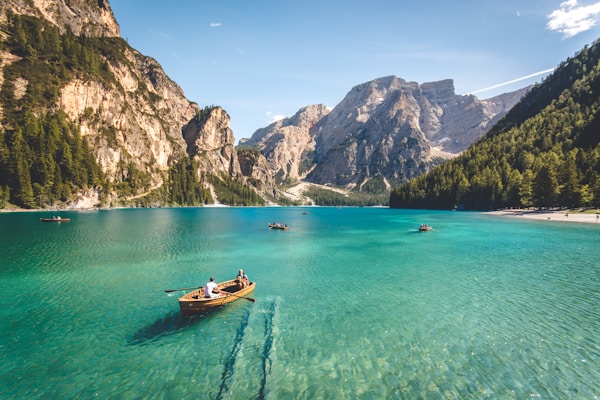
The original Disney theme park opened in 1955 in Anaheim

Former federal penitentiary on San Francisco Bay with compelling audio tours

90 miles of dramatic California coastline with Bixby Creek Bridge and McWay Falls

Otherworldly desert park where Mojave and Colorado deserts meet
Pick a length, follow the route. Each itinerary balances headline sights with breathing room.
Three tiers, every traveller covered — from cost-conscious to flagship hotels.
Hostels, budget hotels, and guesthouses offer affordable stays without sacrificing experience.
Boutique hotels and well-located accommodations provide comfort and convenience at reasonable prices.
World-class resorts and premium hotels deliver unforgettable experiences.
A National Historic Landmark inside Yosemite Valley, The Ahwahnee is one of America's great grand lodges. Built in 1927, its massive granite walls, floor-to-ceiling windows, and Native American art create an atmosphere of rustic elegance. Dining room views of Glacier Point are unforgettable.
Check rates on Booking.comCrowning Nob Hill since 1907, this grande dame of San Francisco hotels offers palatial rooms, sweeping bay views, and legendary service. The Laurel Court Restaurant and the famous Tonga Room tropical bar are among the city's best dining experiences.
Check rates on Booking.comSpread across 5.5 acres of Montecito beachfront, Rosewood Miramar is Santa Barbara's most glamorous resort. Ocean-view bungalows and suites open onto manicured lawns leading directly to the beach. The Malibu Farm restaurant and two pools complete the California dream.
Check rates on Booking.comPerched on cliffs 1,200 feet above the Pacific in Big Sur, Post Ranch Inn is one of California's most romantic hideaways. The 40 tree houses and cliff houses are designed to disturb the environment minimally, with ocean or mountain views from every room. No children under 18.
Check rates on Booking.comCafés, neighbourhood gems, and tasting menus worth the table reservation.
Thomas Keller's legendary three-Michelin-star restaurant in Yountville, consistently ranked among the world's best. The seasonal tasting menu changes daily and features exquisitely refined dishes. Reservations open two months in advance and sell out within seconds.
Nobu Matsuhisa's flagship LA restaurant that launched his global empire. Located in West Hollywood, it remains a celebrity magnet serving innovative Japanese fusion with Peruvian influences. The black cod with miso has become a global culinary icon.
Chef Corey Lee's three-Michelin-star restaurant in San Francisco's SoMa neighborhood masterfully blends Korean culinary traditions with Californian ingredients and French technique. The restaurant's tasting menu is a journey through memory, place, and culture.
Chef Ori Menashe and pastry chef Genevieve Gergis run this beloved Arts District LA restaurant serving rustic Italian food with exceptional house-made pastas, grilled meats, and wood-fired dishes. The open kitchen and industrial setting create an energetic dining experience.
A San Francisco institution near Fisherman's Wharf, Gary Danko has earned a Michelin star and James Beard Award for its refined, prix-fixe American cuisine. The relaxed luxury atmosphere and stellar service make every meal feel like a special occasion.
Wolfgang Puck's flagship restaurant in Beverly Hills is credited with launching California cuisine as a culinary movement. The bright, elegant space attracts Hollywood's A-list and serves sophisticated seasonal California cuisine with theatrical presentation.
Book a food tour in California We may earn a commission from bookings made through this link.
California is a vast state where personal vehicles or rental cars are essential for most travel outside city centers. Major cities have public transit systems, but the state's spread-out geography and highway culture make car travel dominant. Amtrak's Coast Starlight and Pacific Surfliner trains provide scenic alternatives along the coast.
Daily spend by tier in USD, broken out by category.
| Category | Budget | Mid-range | Luxury |
|---|---|---|---|
| Accommodation | $40 | $120 | $300 |
| Food (per day) | $20 | $50 | $120 |
| Transportation | $10 | $20 | $50 |
| Activities | $10 | $30 | $80 |
| Daily total | $80 | $200 | $500+ |
Best time Shoulder Worth avoiding
Average daytime temperature in °C. Figures are for United States.
Never leave valuables visible in parked cars — smash-and-grab theft is extremely common in San Francisco, Oakland, and Los Angeles
Monitor Cal Fire alerts before and during your visit, especially June through November wildfire season
Swim only at beaches with lifeguards and respect rip current warnings — California's Pacific surf is powerful and cold
Know earthquake safety: Drop, Cover, and Hold On under sturdy furniture; do not run outside during shaking
Carry at least 1 gallon of water per person per day in desert areas like Death Valley and Joshua Tree — temperatures exceed 110°F in summer
Tell someone your hiking plans and carry the Ten Essentials (water, navigation, first aid, shelter, food, fire starter, sun protection, knife, headlamp, emergency whistle) before any backcountry trip
Keep safe distances from wildlife — never approach, feed, or run from black bears; store all food in bear boxes in national parks
Apply SPF 30+ sunscreen every 2 hours when outdoors, especially at elevation in the Sierra Nevada and on desert hikes
Avoid LA and Bay Area highways during peak commute hours (7–10am and 4–7pm weekdays) — traffic congestion is extreme
Use hotel safes and keep wallets in front pockets — pickpockets operate in tourist areas including Fisherman's Wharf, Hollywood Walk of Fame, and Gaslamp Quarter
Never surf beyond your ability level — California's cold Pacific waters range from 52–68°F and many famous surf spots are expert-only
California tap water meets federal safety standards in all cities, but carry bottled water in remote rural areas
Be aware of large unhoused populations in San Francisco Tenderloin, downtown Los Angeles, and parts of San Diego — avoid these areas alone after dark
California is generally safe for tourists with world-class infrastructure and well-patrolled parks and cities. The main risks are property crime in urban areas, natural hazards (wildfires, earthquakes, rip currents, extreme heat), and road safety in congested metro areas. Emergency services: police at 911, medical at 911.
Entry requirements follow United States rules. Most visitors need a valid passport and either a visa or ESTA authorization under the Visa Waiver Program. Requirements vary by nationality, so check with your nearest embassy or the official immigration website before traveling.
The currency in California is the US Dollar (USD). ATMs are widely available in cities and tourist areas. Credit cards are accepted at most hotels and restaurants, but carry cash for markets and smaller establishments.
The main language(s) spoken in California: English, Spanish. In tourist areas, English is generally understood. Learning a few basic phrases in the local language is appreciated by locals.