
5-Day Indiana Explorer
- Day 1Arrive in Indiana, explore city center
- Day 2Visit top attractions and museums
- Day 3Day trip to nearby highlights
- Day 4Local markets and hidden gems
- Day 5Final sightseeing, departure
World · 10 Places · Best May–June and September–October
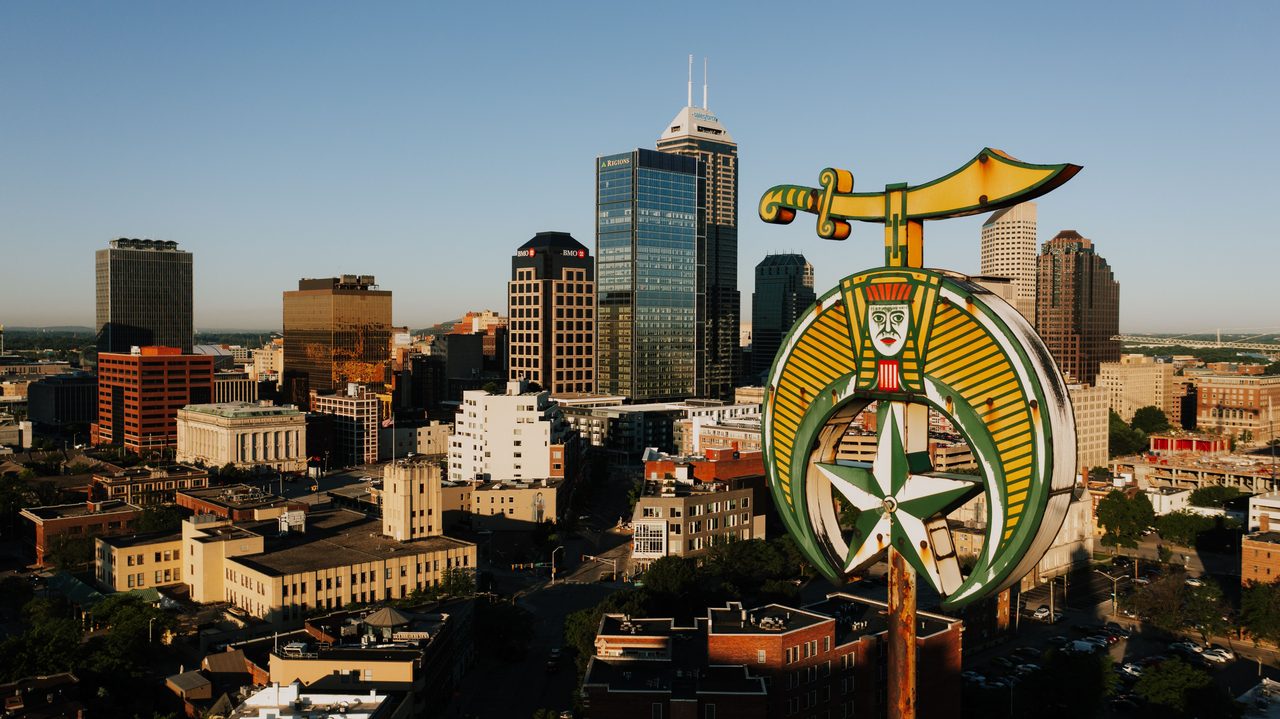
Indiana is a Midwestern state known as the 'Crossroads of America,' celebrated for the Indianapolis Motor Speedway, the Indiana Dunes National Park along Lake Michigan, a vibrant craft brewing scene, and rich Native American and Civil War history. From the urban energy of Indianapolis to the rolling hills of Brown County and the sand dunes of the Lake Michigan shoreline, Indiana offers surprising variety for travelers.
Indiana blends Midwestern hospitality with exciting motorsport heritage, stunning natural scenery at Indiana Dunes National Park, world-class art museums in Indianapolis, and a thriving food and craft-beer culture. The state's compact geography makes it easy to explore diverse regions — urban Indy, lakeside dune country, historic river towns, and forested hills — all within a few hours' drive.
Jump straight to the experience you're planning.
The 10 destinations our editors recommend — from iconic landmarks to under-the-radar finds.
Pick a length, follow the route. Each itinerary balances headline sights with breathing room.
Three tiers, every traveller covered — from cost-conscious to flagship hotels.
Hostels, budget hotels, and guesthouses offer affordable stays without sacrificing experience.
Boutique hotels and well-located accommodations provide comfort and convenience at reasonable prices.
World-class resorts and premium hotels deliver unforgettable experiences.
Cafés, neighbourhood gems, and tasting menus worth the table reservation.
A downtown Indianapolis institution dating to 1902, this is a clubby, old-school steakhouse of dark wood, white tablecloths and framed photos of decades of regulars. The kitchen sticks to a classic chophouse formula: dry-aged beef, simple preparations, and a menu that hasn't needed to chase trends.
A small, industrial-leaning brunch spot on Virginia Avenue in Fletcher Place, built around a chef-driven approach to the first meal of the day rather than a diner-style stack-it-high menu. Plates are composed and seasonal, closer to a tasting menu sensibility than typical brunch fare.
Set in a converted industrial building in Fletcher Place, this is a farm-to-table restaurant built around a wood-fired oven and relationships with Indiana growers. The menu shifts with the seasons and leans on house-made pasta and charcuterie rather than a fixed rotation of signature entrees.
A narrow, casual restaurant on Virginia Avenue from the same Fletcher Place restaurant group as Bluebeard, serving a menu that pulls from Vietnamese, Korean and Japanese cooking without pinning itself to one cuisine. The space is compact and informal, built for sharing plates rather than a sit-down courses format.
A local breakfast-and-lunch chain that started as a single Indianapolis cafe and grew into several neighborhood locations, this one on North Pennsylvania serving a straightforward, ingredient-focused menu in a bright, casual room. It's counter-order casual rather than a sit-down brunch spot.
A contemporary fine-dining restaurant in downtown Indianapolis focused on dry-aged beef and Indiana-sourced ingredients, plated with more technique and restraint than the city's older steakhouses. The room is modern rather than clubby, aimed at a special-occasion crowd.
Book a food tour in Indiana We may earn a commission from bookings made through this link.
Indiana is best explored by car. Indianapolis has limited public transit (IndyGo bus system). I-65, I-70, I-74, I-94, and I-80/90 (Indiana Toll Road) are the main highways. Amtrak's Capitol Limited and Cardinal trains stop in several Indiana cities.
Daily spend by tier in USD, broken out by category.
| Category | Budget | Mid-range | Luxury |
|---|---|---|---|
| Accommodation | $60–90/night (budget hotel/motel) | $120–180/night | $250–500+/night |
| Food (per day) | $25–40/day | $50–80/day | $100–200/day |
| Transportation | $15–25/day | $25–40/day | $60–100/day |
| Activities | $10–20/day | $30–50/day | $75–150/day |
| Daily total | $65–120/day | $150–250/day | $400–700/day |
Best time Shoulder Worth avoiding
Average daytime temperature in °C. Figures are for United States.
The Indianapolis 500 in late May draws 300,000+ visitors — book accommodation months ahead. Indiana Dunes is busiest July–August. Fall foliage peaks in Brown County late October.
Always carry water when hiking state parks in summer heat.
Book Indy 500 accommodation 6–12 months in advance.
Use Uber/Lyft after a night out — do not drink and drive.
Tornado season runs April–June; know shelter locations.
Lake Michigan rip currents can be dangerous — swim only at lifeguarded beaches.
Indiana is generally a safe destination for travelers. Tourist areas in Indianapolis (White River State Park, Mass Ave, Broad Ripple, Monument Circle) are very safe. Rural Indiana and small towns are extremely safe with low crime rates. Some Indianapolis neighborhoods on the far east and south sides
The best time to visit Indiana is May–June and September–October. Indiana has a humid continental climate with four distinct seasons. Winters are cold (often below freezing) with occasional snow. Summers are warm to hot and humid, with July averaging 30°C (86°F) hig
The currency in Indiana is the USD. ATMs are widely available in cities and tourist areas. Credit cards are accepted at most hotels and restaurants, but carry cash for markets and smaller establishments.
The main language(s) spoken in Indiana: English. In tourist areas, English is generally understood. Learning a few basic phrases in the local language is appreciated by locals.
The top attractions in Indiana include Indianapolis Motor Speedway, Indiana Dunes National Park, The Children's Museum of Indianapolis, Newfields (Indianapolis Museum of Art), and Conner Prairie Interactive History Park. Each offers a unique experience, from historic landmarks to natural wonders.