Louisiana is a state unlike any other in the United States — a vibrant gumbo of French, Spanish, African, and Native American cultures simmering along the Gulf Coast. Home to New Orleans' legendary French Quarter, Cajun country's cypress swamps, and world-class cuisine ranging from crawfish étouffée to beignets, Louisiana captivates visitors with jazz-drenched streets, extravagant Mardi Gras celebrations, and antebellum plantation grandeur set against a backdrop of moss-draped live oaks.
Louisiana stretches from the Mississippi River Delta and Gulf Coast wetlands in the south to piney forests and Red River parishes in the north. New Orleans anchors the cultural universe — a UNESCO Creative City of Music with more live music venues per capita than almost anywhere on earth. The French Quarter's 18th-century Spanish colonial architecture, the Garden District's antebellum mansions, and the Ninth Ward's vibrant street art tell overlapping stories of colonialism, slavery, resilience, and reinvention. West of New Orleans, the Atchafalaya Basin — North America's largest river swamp — shelters alligators, herons, and Cajun fishing communities largely unchanged for generations. Plantation Road along the Mississippi links restored ante-bellum estates with candid interpretive exhibits on enslaved labor. In the north, Shreveport offers riverboat casinos and Red River arts venues, while Natchitoches, the oldest permanent European settlement in the Louisiana Purchase territory, preserves a charming historic district on Cane River Lake.
The 21 destinations our editors recommend — from iconic landmarks to under-the-radar finds.
French Quarter (Vieux Carré)
The original colonial-era core of New Orleans, laid out by the French in the early 1700s and rebuilt largely under Spanish rule after the fires of the 1780s, which is why the ironwork balconies and courtyards look more Spanish than French. It's a dense grid of narrow streets mixing residences, galleries, restaurants and bars, with Bourbon Street's nightlife at one end and the quieter, more residential lower Quarter toward Esplanade Avenue. Walking it end to end takes a couple of hours, but most visitors spend a full day or more dipping in and out of shops, courtyards and music venues.
National WWII Museum
Founded because New Orleans' Higgins Industries built the landing craft used in the D-Day invasion, this Smithsonian-affiliated museum has grown into a multi-building campus covering the entire war, from the home front to the Pacific and European theaters. Exhibits combine oral histories, restored aircraft and vehicles suspended overhead, and immersive galleries rather than static display cases. A full visit covering the main pavilions and the 4D theater experience realistically takes most of a day.
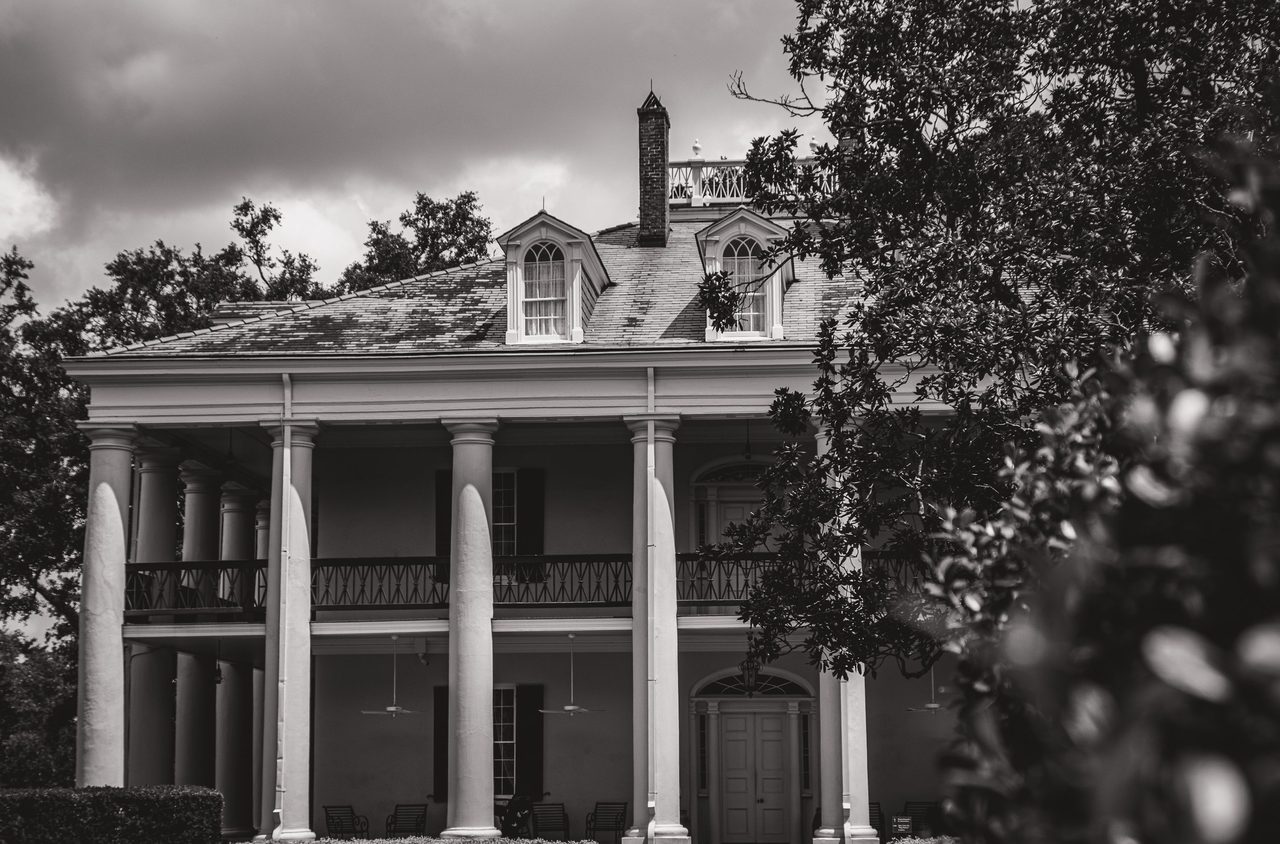
Oak Alley Plantation
Named for the quarter-mile canopy of live oak trees, planted in the early 1700s before the Greek Revival mansion itself was built in the 1830s, this is one of the most photographed plantation sites on the Mississippi River. The guided house tour focuses on the sugar-planting family that owned the property, while separate exhibits on the grounds address the enslaved workers who ran the sugar operation. It sits about an hour's drive from New Orleans, so most people combine it with another River Road plantation on the same trip.
Garden District Walking Tour
Developed in the 19th century by wealthy Americans who settled upriver from the French Creole city, the Garden District is New Orleans' best-preserved collection of antebellum mansions, many built in Greek Revival and Italianate styles with elaborate cast-iron fences. The area can be explored on your own along St. Charles Avenue and the side streets, or with a guided tour that explains individual houses and their former owners, including literary residents like Anne Rice. Lafayette Cemetery No. 1, with its above-ground tombs, sits at the district's edge and is usually folded into the same walk.
Swamp Tour — Atchafalaya Basin
The Atchafalaya Basin is the largest wetland and swamp in the United States, a cypress-tupelo floodplain fed by the Mississippi and Red Rivers rather than a bayou backwater. Flat-bottom boat tours out of Henderson head into the flooded cypress forest to look for alligators, wading birds and the Spanish moss-draped trees the region is known for, with a guide typically pointing out wildlife and explaining the basin's role as a flood-control spillway. Trips generally run one to two hours depending on the operator.
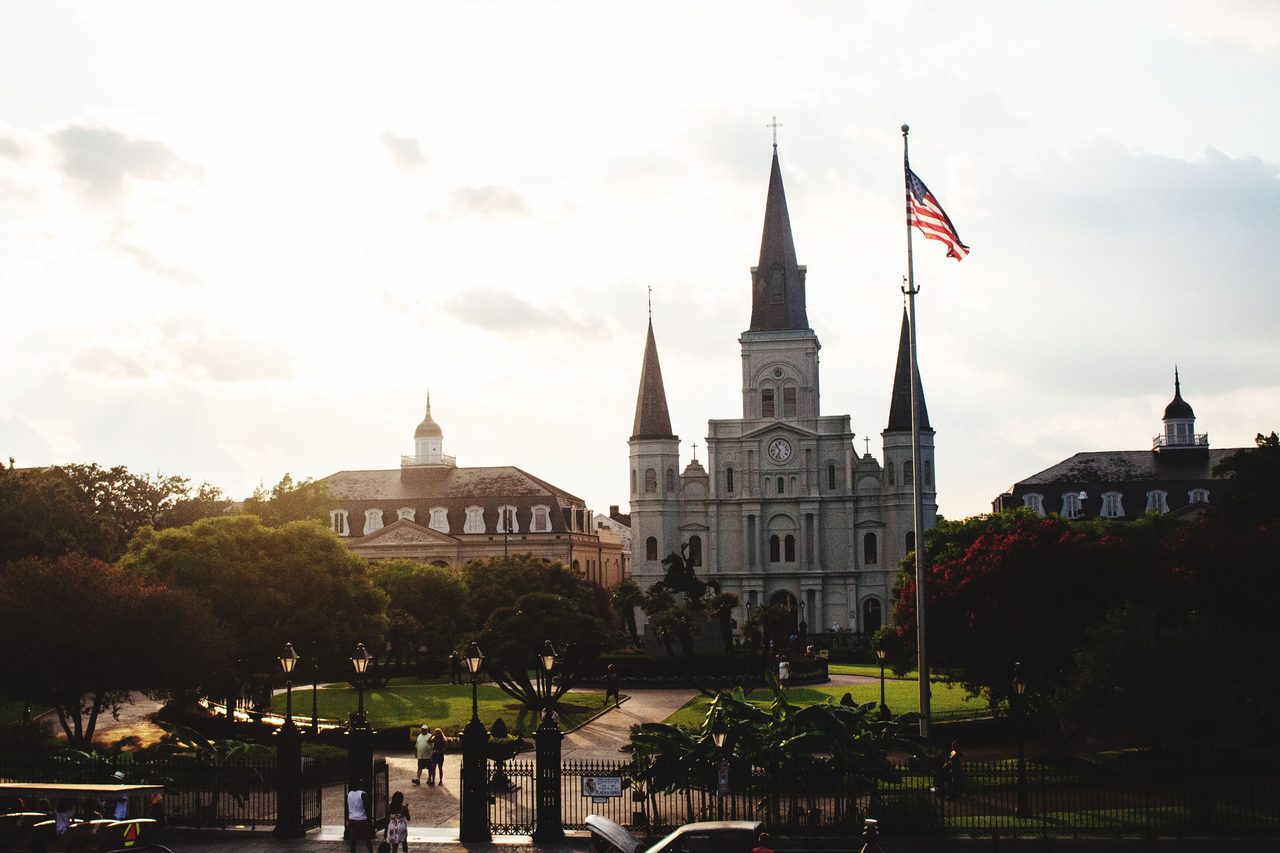
Jackson Square
The historic heart of the French Quarter, laid out as a military parade ground in the colonial era and later landscaped and renamed for Andrew Jackson, whose equestrian statue stands at its center. It's flanked by St. Louis Cathedral and the matching Cabildo and Presbytère buildings, and the surrounding pedestrian area draws street artists, tarot readers and brass bands. It functions as an open public square rather than a ticketed site, so most visitors pass through it repeatedly while exploring the Quarter.
Recommended itineraries
Pick a length, follow the route. Each itinerary balances headline sights with breathing room.
5-Day Louisiana Explorer
Day 1Arrive in Louisiana, explore city center
Day 2Visit top attractions and museums
Day 3Day trip to nearby highlights
Day 4Local markets and hidden gems
Day 5Final sightseeing, departure
7-Day Classic Louisiana
Days 1-2Louisiana city highlights
Days 3-4Regional exploration
Days 5-6Cultural immersion and local experiences
Day 7Return and departure
14-Day Ultimate Louisiana
Days 1-3Louisiana comprehensive city tour
Days 4-6Northern region exploration
Days 7-9Eastern highlights
Days 10-12Southern attractions
Days 13-14Return to Louisiana, departure
Where to stay in Louisiana
Three tiers, every traveller covered — from cost-conscious to flagship hotels.
Budget $70–$100/day
Hostels, budget hotels, and guesthouses offer affordable stays without sacrificing experience.
Mid-range $150–$250/day
Boutique hotels and well-located accommodations provide comfort and convenience at reasonable prices.
Luxury $400–$800/day
World-class resorts and premium hotels deliver unforgettable experiences.
The Roosevelt New Orleans, A Waldorf Astoria Hotel
Central Business District, New Orleans · $$$$ ($289–$600/night)
Cafés, neighbourhood gems, and tasting menus worth the table reservation.
Commander's Palace
Haute Creole · $$$$
Garden District landmark in a turquoise-and-white Victorian house, run by the Brennan family and long a training ground for chefs like Emeril Lagasse and Paul Prudhomme. Cooking is haute Creole - rich sauces, seafood, game - served across several rooms from the plant-filled Garden Room to the more formal main dining room.
Dooky Chase's Restaurant
Creole Soul Food · $$$
Tremé institution built by chef Leah Chase, whose dining room hosted civil rights leaders planning strategy in the 1960s alongside its regular Creole soul food service. Lunch runs buffet-style, in a white-tablecloth room hung with a collection of Louisiana artists' work.
Café Du Monde
Café / Beignets · $
Open-air coffee stand at the edge of the French Market and Jackson Square, serving essentially the same short menu since the 19th century: chicory coffee and beignets dusted in powdered sugar at marble-top tables under a green-striped awning.
Galatoire's
Classic Creole / French · $$$$
Bourbon Street fixture serving classic French-Creole cooking in a single long, mirrored dining room with ceiling fans that has changed little in decor for decades. Waiters here often serve the same families across generations, turning out remoulade and trout meunière in a style set long before Prohibition.
Willie Mae's Scotch House
Southern Fried Chicken · $$
Small shotgun-house restaurant in Tremé, run by the same family for decades, built almost entirely around fried chicken. The dining room is a few plain tables inside a converted house, with a short menu of chicken and a handful of sides.
Compère Lapin
Caribbean-Creole Fusion · $$$
Chef Nina Compton's restaurant inside the Old No. 77 Hotel in the Warehouse District, pairing her St. Lucian background with Louisiana Creole technique. The room is contemporary - exposed brick, an open kitchen, a long bar - a departure from the city's older Creole dining rooms.
New Orleans is the hub for travel to and from Louisiana. The city's compact tourist core is walkable, with the historic St. Charles streetcar supplementing foot travel to the Garden District and Uptown. A car is essential for exploring Cajun country, plantation country, and northern Louisiana.
Budget breakdown
Daily spend by tier in USD, broken out by category.
Category
Budget
Mid-range
Luxury
Accommodation
$25–$60 (hostel/budget motel)
$100–$180 (mid-range hotel)
$250–$600 (boutique/luxury hotel)
Food (per day)
$20–$35
$40–$70
$80–$200
Transportation
$5–$15 (streetcar/bus)
$15–$30 (Uber/streetcar)
$50–$100 (private car/taxi)
Activities
$20–$30
$40–$60
$80–$200
Daily total
$70–$100/day
$150–$250/day
$400–$800/day
Best time to visit Louisiana
Weather through the year in United States
Best timeShoulderWorth avoiding
Average daytime temperature in °C. Figures are for United States.
February–April (Mardi Gras and spring festival season; mild temperatures)
Spring offers the ideal combination of festivals, bearable temperatures, and lush landscapes. Fall (October–November) is a comfortable secondary season after hurricane risk drops.
Essential travel tips
Reserve hotels 3–6 months ahead for Mardi Gras (Fat Tuesday date varies; typically February)
New Orleans streetcars accept exact-change cash or Jazzy Pass ($3/day); the St. Charles line is the most scenic
Tipping is expected: 18–20% at restaurants, $1–2 per drink at bars
Louisiana is in the Central Time Zone — remember the time difference when connecting flights
Many New Orleans attractions are walkable from the French Quarter; rent a bicycle for the Garden District
Hidden gems
Off-the-beaten-path corners most travellers miss.
Bayou St. John
Poverty Point World Heritage Site
Cane River Creole National Historical Park
Abita Brewery
Avery Island
Safety information
INFO
Stay in well-lit, tourist-frequented areas of the French Quarter at night
INFO
Keep valuables in a hotel safe; avoid displaying cameras or jewelry on Bourbon Street
INFO
During hurricane season, purchase travel insurance with weather cancellation coverage
INFO
Carry water in summer — heat index regularly exceeds 110°F (43°C) in July–August
INFO
Use licensed ride-share apps (Uber, Lyft) rather than unmarked taxis
Frequently asked questions
Is Louisiana safe to visit in 2026?
New Orleans has historically high crime rates compared to the US average, but tourist areas including the French Quarter, Garden District, Warehouse District, and Uptown are well-policed and generally safe during daylight and early evening hours. North of Canal Street toward Mid-City and the Seventh
What is the best time to visit Louisiana?
The best time to visit Louisiana is February–April. Louisiana has a humid subtropical climate characterized by hot, humid summers, mild winters, and year-round rainfall. New Orleans averages 64 inches of annual rainfall. Summer temperatures regularly r
Do I need a visa to visit Louisiana?
Entry requirements follow United States federal rules. Citizens from Visa Waiver Program countries may enter visa-free for up to 90 days under ESTA. All others require a valid US visa. Requirements vary by nationality, so check with your nearest embassy or the official immigration website before traveling.
What currency is used in Louisiana?
The currency in Louisiana is the US Dollar (USD). ATMs are widely available in cities and tourist areas. Credit cards are accepted at most hotels and restaurants, but carry cash for markets and smaller establishments.
What language is spoken in Louisiana?
The main language(s) spoken in Louisiana: English, Louisiana French (Creole/Cajun). In tourist areas, English is generally understood. Learning a few basic phrases in the local language is appreciated by locals.
What are the top attractions in Louisiana?
The top attractions in Louisiana include French Quarter (Vieux Carré), National WWII Museum, Oak Alley Plantation, Garden District Walking Tour, and Swamp Tour — Atchafalaya Basin. Each offers a unique experience, from historic landmarks to natural wonders.