Ho Chi Minh City, still widely called Saigon, is Vietnam's largest city and commercial engine, a dense, motorbike-driven metropolis where French colonial landmarks, war-era history, and a fast-growing skyline sit side by side. This guide covers the best hotels, attractions, restaurants and experiences in Ho Chi Minh City.
Capital
Hanoi
Largest city
Ho Chi Minh City
Population
Approximately 9.3 million within city limits, and over 14 million across the greater metropolitan area, making it Vietnam's most populous city
Languages
Vietnamese; English is spoken at hotels, tour operations, and many restaurants in District 1, but far less elsewhere
The 21 destinations our editors recommend — from iconic landmarks to under-the-radar finds.
War Remnants Museum
This museum documents the American War through captured US military hardware in the courtyard, photojournalism exhibits, and rooms devoted to the effects of Agent Orange and other chemical defoliants. The building formerly served as the US Information Service headquarters. Exhibits are presented largely from the Vietnamese and international anti-war press perspective, so expect a one-sided but powerful account rather than a balanced military history.
Reunification Palace
Built in 1966 as the South Vietnamese presidential palace, this building is preserved largely as it was on 30 April 1975, when a North Vietnamese tank crashed through its gates and ended the war. Visitors walk through the president's reception rooms, war room, and living quarters, all furnished in period style. The basement holds the old telecommunications and command bunker.
Ben Thanh Market
One of the oldest markets in the city, this covered market sells clothing, souvenirs, dried goods, and cooked food from densely packed stalls under a single roof near the clock tower that marks its main entrance. It functions as both a retail market for tourists and a working food market, with a cluster of eateries along one side selling Vietnamese dishes cooked to order.
Notre-Dame Cathedral Basilica of Saigon
This Neo-Romanesque cathedral was built by French colonists in the late 19th century using bricks shipped from Marseille and features twin bell towers that are a fixture of the District 1 skyline. It sits opposite the Saigon Central Post Office, another French colonial-era building, making the pair a common single stop.
Jade Emperor Pagoda
Built in the early 20th century by the local Cantonese community, this Taoist temple is dense with carved wooden statues, smoke from incense coils hanging overhead, and shrines to figures including the Jade Emperor and the Chief of Hell. A back room houses statues of the ten Kings of Hell, and a courtyard pond is home to turtles that visitors release for merit.
Bitexco Financial Tower Skydeck
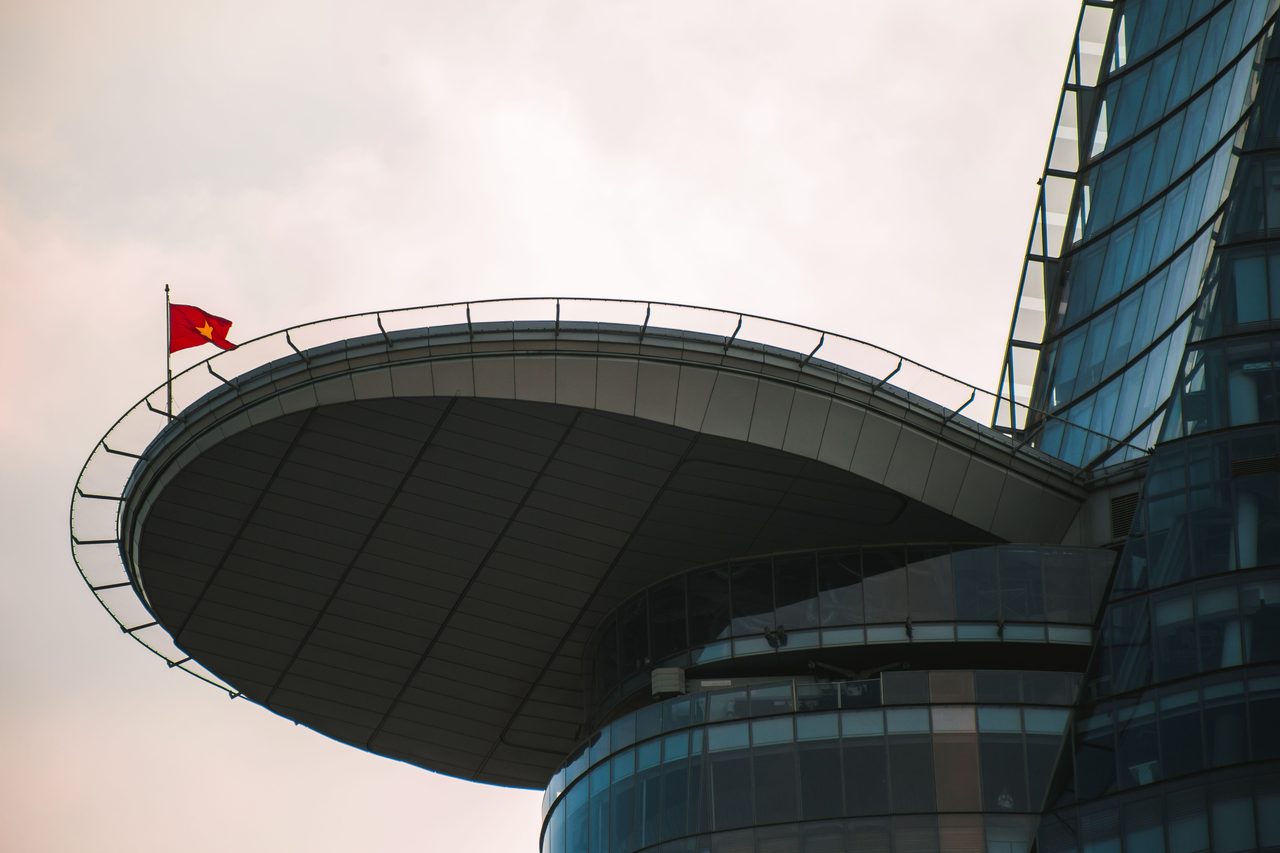
At 262.5 metres, this skyscraper's helipad-shaped design makes it one of the most recognizable buildings in the Saigon skyline. The Skydeck occupies the 49th floor and gives a 360-degree enclosed view over the Saigon River and the District 1 grid below.
Recommended itineraries
Pick a length, follow the route. Each itinerary balances headline sights with breathing room.
5-Day Ho Chi Minh City Explorer
Day 1Arrive in Ho Chi Minh City, explore city center
Day 2Visit top attractions and museums
Day 3Day trip to nearby highlights
Day 4Local markets and hidden gems
Day 5Final sightseeing, departure
7-Day Classic Ho Chi Minh City
Days 1-2Ho Chi Minh City city highlights
Days 3-4Regional exploration
Days 5-6Cultural immersion and local experiences
Day 7Return and departure
14-Day Ultimate Ho Chi Minh City
Days 1-3Ho Chi Minh City comprehensive city tour
Days 4-6Northern region exploration
Days 7-9Eastern highlights
Days 10-12Southern attractions
Days 13-14Return to Ho Chi Minh City, departure
Where to stay in Ho Chi Minh City
Three tiers, every traveller covered — from cost-conscious to flagship hotels.
Budget ₫650,000 (approx. $25 USD)
Hostels, budget hotels, and guesthouses offer affordable stays without sacrificing experience.
Mid-range ₫1,950,000 (approx. $75 USD)
Boutique hotels and well-located accommodations provide comfort and convenience at reasonable prices.
Luxury ₫5,850,000+ (approx. $225+ USD)
World-class resorts and premium hotels deliver unforgettable experiences.
Cafés, neighbourhood gems, and tasting menus worth the table reservation.
Pho Hoa Pasteur
Vietnamese - Pho · $
One of Saigon's oldest and most established pho addresses, running for decades on the same stretch of Pasteur Street. The broth is simmered long and dark, served in a plain, brightly lit dining room with tiled floors and paper napkin dispensers rather than any attempt at atmosphere. It draws a mix of long-time regulars and visitors who've read about it, which keeps the pace brisk at meal times.
Banh Xeo 46A
Vietnamese - Banh Xeo · $
A narrow, open-fronted spot in District 1 built entirely around one dish: the sizzling turmeric-yellow rice crepe cooked to order over open flame at the front of the shop. Tables are basic and close together, with the cooking itself visible and audible from the street. You wrap pieces of the crepe in lettuce and herbs yourself before dipping.
Cuc Gach Quan
Vietnamese - Home-style · $$
Set in a converted old townhouse on Dang Tat Street, filled with reclaimed wooden furniture, potted plants and antique household objects rather than typical restaurant decor. The kitchen focuses on home-style Vietnamese cooking of the kind associated with a family table rather than a restaurant menu, with clay-pot and slow-cooked dishes featuring heavily.
Anan Saigon
Modern Vietnamese · $$$
Chef Peter Cuong Franklin's restaurant near Ben Thanh Market takes Vietnamese street-food dishes and reworks them with fine-dining technique and plating, served in a converted shophouse with an open kitchen and a rooftop bar above the dining room. The menu reads as a tasting of reinterpreted classics rather than a standard a la carte spread.
Quan Ut Ut
American-Vietnamese BBQ · $$
A warehouse-style American barbecue restaurant on Vo Van Kiet with an industrial fit-out of exposed brick, metal piping and a visible smoker, aimed at a crowd wanting ribs and beer rather than Vietnamese cooking. Portions are built for sharing and the room gets loud and full in the evenings.
Pizza 4P's Le Thanh Ton
Japanese-Italian fusion pizza · $$
Part of the Japanese-founded pizza chain that started in Vietnam and built its reputation on making its own cheese in house, visible through an open kitchen and cheese-making display. The Le Thanh Ton branch has the same wood-fired pizza ovens and a menu that mixes Italian, Japanese and Vietnamese ingredients on one crust.
Ho Chi Minh City is served by Tan Son Nhat International Airport, a few kilometers from District 1, and is best navigated by ride-hailing app, taxi, or (for the adventurous) rented scooter, since the extensive motorbike traffic makes crossing streets and driving unfamiliar to most first-time visitors.
Grab (ride-hailing)
The dominant ride-hailing app for cars and motorbike taxis (GrabBike); shows upfront pricing and works well for visitors without Vietnamese
Cost: ₫15,000-120,000 (approx. $0.60-$4.60) depending on distance and vehicle type
Metro Line 1
Ho Chi Minh City's first metro line, running from Ben Thanh Market to Suoi Tien Park in Thu Duc City, opened in December 2024
Cost: ₫6,000-20,000 (approx. $0.25-$0.80) depending on distance
Taxi
Metered taxis from reputable companies such as Vinasun and Mai Linh are widely available and safe if hailed from a marked stand or booked by app
Cost: ₫12,000-17,000 (approx. $0.45-$0.65) flag-fall plus per-km charge
Cyclo and walking tours
Traditional pedal-powered cyclos operate in District 1 mainly as a sightseeing novelty rather than practical transport
Cost: ₫200,000-400,000 (approx. $8-$15) per hour, negotiate before boarding
Budget breakdown
Daily spend by tier in VND, broken out by category.
Category
Budget
Mid-range
Luxury
Accommodation
₫280,000 (approx. $11 USD)
₫910,000 (approx. $35 USD)
₫3,250,000 (approx. $125 USD)
Food (per day)
₫200,000 (approx. $8 USD)
₫520,000 (approx. $20 USD)
₫1,300,000 (approx. $50 USD)
Transportation
₫70,000 (approx. $3 USD)
₫130,000 (approx. $5 USD)
₫390,000 (approx. $15 USD)
Activities
₫100,000 (approx. $4 USD)
₫390,000 (approx. $15 USD)
₫910,000 (approx. $35 USD)
Daily total
₫650,000 (approx. $25 USD)
₫1,950,000 (approx. $75 USD)
₫5,850,000+ (approx. $225+ USD)
Best time to visit Ho Chi Minh City
Weather through the year in Vietnam
Best timeShoulderWorth avoiding
Average daytime temperature in °C. Figures are for Vietnam.
The best time to visit Ho Chi Minh City is during the dry season from December to April, when rainfall is minimal and daytime heat, while still high, is easier to manage than the humid wet season.
Ho Chi Minh City has a tropical wet-dry climate rather than four seasons. The dry season (December-April) is hot but far more comfortable for sightseeing, while the wet season (May-November) brings intense but usually short afternoon downpours.
Essential travel tips
Download the Grab app before arrival for rides, food delivery, and upfront fare pricing
Carry small VND notes for street food stalls and markets, where card payment is rarely accepted
Book Cu Chi Tunnels or Mekong Delta day trips a day in advance through a licensed tour desk or app such as Klook or GetYourGuide
Cross busy streets slowly and steadily rather than stopping halfway — motorbikes are used to flowing around pedestrians
Hidden gems
Off-the-beaten-path corners most travellers miss.
Fito Museum
A small, privately run museum of traditional Vietnamese medicine housed in a beautifully restored wooden building, largely overlooked by big tour groups
District 10
Ho Chi Minh City Museum (Gia Long Palace)
A quieter alternative to the War Remnants Museum, set in a colonial-era palace with exhibits spanning the city's founding through reunification
District 1
The Cafe Apartment at 42 Nguyen Hue
A crumbling 1960s apartment block whose floors have been converted into dozens of independent cafes and boutiques, each with a different view over Nguyen Hue walking street
District 1
Safety information
INFO
Keep phones and bags on the side away from the street when walking or sitting at open-air cafes, as motorbike bag- and phone-snatching is the most common crime against tourists
INFO
Use Grab (the ride-hailing app) or a metered taxi from Vinasun or Mai Linh rather than hailing an unmarked cab or accepting unsolicited rides
INFO
Look both ways repeatedly and cross streets slowly and predictably; motorbikes will flow around a steady pedestrian but not one who stops and starts
INFO
Keep a photocopy or photo of your passport and visa/e-visa approval letter separate from the original documents
INFO
Call 113 for police, 115 for ambulance, or the tourist police hotline 1900 599 880 for English-language assistance in an emergency
Frequently asked questions
Is Ho Chi Minh City safe to visit in 2026?
Ho Chi Minh City is a generally safe city with low rates of violent crime against tourists. The main concerns are petty theft — bag- and phone-snatching from passing motorbikes, and pickpocketing in crowded markets like Ben Thanh — rather than physical danger. The US State Department rates Vietnam at Level 1: Exercise Normal Precautions. Emergency services: police at 113, ambulance at 115, and the English-language tourist police hotline at 1900 599 880.
What is the best time to visit Ho Chi Minh City?
The best time to visit Ho Chi Minh City is during the dry season, December through April, when rainfall is minimal. The wet season (May-November) brings short but heavy afternoon downpours, and the hottest, most humid stretch runs from March through May, just before the rains begin.
Do I need a visa to visit Ho Chi Minh City?
Citizens of 38+ countries can enter Vietnam visa-free for 14-45 days depending on nationality; check the current list before booking, as it changes periodically. Most other nationalities, including the US, Canada, and Australia, can apply for a 90-day e-visa online at evisa.gov.vn for 25 USD. Since April 2026, all foreign arrivals at Tan Son Nhat Airport must also complete a free digital arrival card online within 72 hours before landing.
What currency is used in Ho Chi Minh City?
The currency in Ho Chi Minh City is the Vietnamese Dong (VND), symbol ₫. As of 2026, 1 USD is roughly ₫26,000. Cash is still preferred at markets and street food stalls, while cards are increasingly accepted at hotels, malls, and mid-range-to-upscale restaurants.
What language is spoken in Ho Chi Minh City?
The main language spoken in Ho Chi Minh City is Vietnamese. English is spoken at hotels, many restaurants, and tour operations in District 1, but proficiency drops quickly outside the main tourist areas, so a translation app is useful.
What are the top attractions in Ho Chi Minh City?
The top attractions in Ho Chi Minh City include the War Remnants Museum, Reunification Palace, Ben Thanh Market, and the Notre-Dame Cathedral Basilica of Saigon. Together they cover the city's war history, French colonial architecture, and everyday market life.