Belgium captivates visitors with its medieval cities, world-class chocolates, and rich artistic heritage. From the grand canals of Bruges to the vibrant Art Nouveau architecture of Brussels, this compact country offers an unforgettable blend of culture, cuisine, and historic charm.
Belgium captivates visitors with its medieval cities, world-class chocolates, and rich artistic heritage. From the grand canals of Bruges to the vibrant Art Nouveau architecture of Brussels, this compact country offers an unforgettable blend of culture, cuisine, and historic charm.
The 33 destinations our editors recommend — from iconic landmarks to under-the-radar finds.
Grand Place (Grote Markt)
Brussels' stunning central square is a UNESCO World Heritage Site and one of Europe's most beautiful public spaces. Surrounded by opulent guildhalls and the Gothic Town Hall, it dazzles visitors with intricate architecture and golden facades. The biennial Flower Carpet in August transforms the square into a masterpiece of living art.
The Atomium
Belgium's iconic symbol built for the 1958 World's Fair represents an iron crystal magnified 165 billion times. This futuristic structure features nine interconnected spheres with exhibitions, a restaurant, and panoramic city views from the top sphere. The gleaming steel monument embodies Brussels' modernist vision and scientific optimism.
Bruges Historic Centre
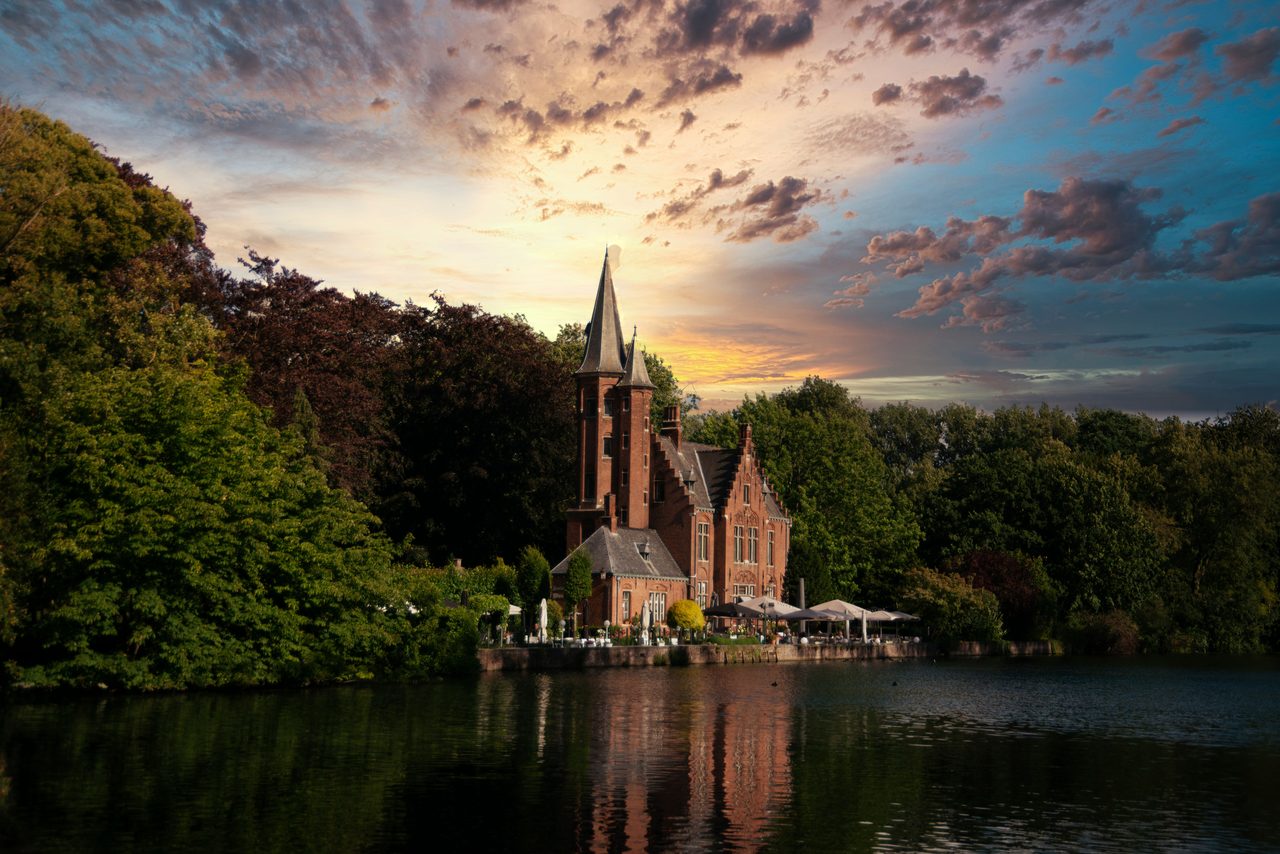
The entire medieval city center is a UNESCO World Heritage Site renowned for its perfectly preserved Gothic architecture, romantic canals, and cobblestone streets. Known as the 'Venice of the North,' Bruges enchants visitors with its Belfry tower, Market Square, and labyrinth of waterways lined with historic buildings.
Manneken Pis
Brussels' most famous resident is a small bronze fountain sculpture of a boy urinating, created in 1619. Despite its modest 61cm height, this quirky statue has become a beloved symbol of Belgian irreverence and humor. The figure has an extensive wardrobe of over 1,000 costumes displayed in the City Museum.
Royal Palace of Brussels
The official palace of the Belgian King and Queen features stunning neoclassical architecture and lavish state rooms. Though not a royal residence, it hosts official receptions and houses masterpieces of Belgian art. The Mirror Room's ceiling, designed by artist Jan Fabre with over a million jewel scarab beetle wing-cases, is breathtaking.
Basilica of the Holy Blood
This Romanesque and Gothic basilica in Bruges houses a venerated relic believed to contain the blood of Christ, brought from the Holy Land in 1150. The lower chapel retains its austere 12th-century character, while the upper chapel dazzles with 19th-century Gothic revival decoration and stunning stained glass.
Recommended itineraries
Pick a length, follow the route. Each itinerary balances headline sights with breathing room.
5-Day Belgium Explorer
Day 1Arrive in Belgium, explore city center
Day 2Visit top attractions and museums
Day 3Day trip to nearby highlights
Day 4Local markets and hidden gems
Day 5Final sightseeing, departure
7-Day Classic Belgium
Days 1-2Belgium city highlights
Days 3-4Regional exploration
Days 5-6Cultural immersion and local experiences
Day 7Return and departure
14-Day Ultimate Belgium
Days 1-3Belgium comprehensive city tour
Days 4-6Northern region exploration
Days 7-9Eastern highlights
Days 10-12Southern attractions
Days 13-14Return to Belgium, departure
Where to stay in Belgium
Three tiers, every traveller covered — from cost-conscious to flagship hotels.
Budget $69-90
Hostels, budget hotels, and guesthouses offer affordable stays without sacrificing experience.
Mid-range $170-220
Boutique hotels and well-located accommodations provide comfort and convenience at reasonable prices.
Luxury $400-600+
World-class resorts and premium hotels deliver unforgettable experiences.
Hotel Amigo
Brussels · $350-$600
Rocco Forte's five-star flagship property occupies a prime position steps from Grand Place in a former prison converted to Brussels' most elegant hotel. Rooms blend contemporary design with classic Belgian touches, featuring bespoke furnishings and marble bathrooms. The Bocconi restaurant serves Italian cuisine with Belgian flair.
This modern hotel seamlessly blends medieval Bruges charm with contemporary comfort. Occupying a renovated 18th-century mansion, the 118 rooms feature sleek bathrooms, comfortable beds, and views of church spires. The breakfast buffet is exceptional, and the location between station and center is ideal.
This modern hostel-hotel hybrid near Gare du Nord offers both private rooms and dorms with contemporary design and social spaces. The game zone, bar, and guest kitchen encourage interaction, while private rooms provide comfort for those wanting more privacy. Free Wi-Fi and breakfast available.
Set in a 15th-century ducal palace in the heart of Bruges, this Relais & Châteaux property exudes aristocratic elegance. The 135 rooms and suites feature period details, marble bathrooms, and luxury amenities. Beautiful courtyard, indoor pool, and Michelin-recommended restaurant complete the regal experience.
Cafés, neighbourhood gems, and tasting menus worth the table reservation.
Comme Chez Soi
Belgian Contemporary · $$$$$
Founded in 1926, this two Michelin-starred Brussels institution occupies an Art Nouveau gem. Chef Lionel Rigolet crafts exquisite modern interpretations of Belgian classics using seasonal ingredients. The intimate dining room with ornate decor creates an unforgettable gastronomic experience steeped in history.
Chez Léon
Traditional Belgian · $$$
This Brussels institution has served classic mussels and frites since 1893 in a bustling Art Deco dining room. The extensive menu features Belgian specialties like waterzooi, carbonnade flamande, and of course, enormous pots of fresh mussels prepared numerous ways. Touristy but reliable and fun.
Maison Antoine
Belgian Frites · $
This iconic Brussels friterie on Place Jourdan has served legendary frites since 1948. The tiny green kiosk draws crowds for perfectly cooked Belgian fries with dozens of sauce options. Eat standing at outdoor tables with locals – a quintessential Brussels experience.
Waffles Street Food
Belgian Waffles · $
Traditional Belgian waffle stands throughout cities serve both Brussels waffles (rectangular, lighter) and Liège waffles (round, sweeter with pearl sugar). Topped with powdered sugar, chocolate, whipped cream, or fruit. Perfect quick snack while sightseeing.
A La Mort Subite
Traditional Belgian Café · $$
This legendary Brussels café dating to 1928 retains authentic Art Deco interiors and serves traditional Belgian beers and simple food. The long wooden tables, vintage mirrors, and belle époque atmosphere make it a Brussels institution. Famous for its spontaneous fermentation lambic beers.
La Paix
French Contemporary · $$$$$
Chef David Martin's two Michelin-starred restaurant in Anderlecht showcases bold, innovative cooking with impeccable technique. The intimate setting features just a handful of tables where guests enjoy creative seasonal menus. The wine pairing is exceptional, and service is warm and knowledgeable.
Transportation options in Belgium include local buses, taxis, and rental cars. Check local conditions before planning your travel.
Budget breakdown
Daily spend by tier in USD, broken out by category.
Category
Budget
Mid-range
Luxury
Accommodation
$25-40 (hostel dorm)
$80-120 (3-star hotel or private Airbnb)
$200-400+ (4-5 star hotels)
Food (per day)
$25-30 (supermarkets, street food, budget restaurants)
$50-70 (mix of casual restaurants, cafes, one nice dinner)
$100-150 (fine dining, Michelin restaurants)
Transportation
$8-12 (public transport passes, some walking)
$15-20 (day passes, occasional taxis)
$30-50 (taxis, private transfers)
Activities
$10-15 (free attractions, one paid museum)
$25-35 (attractions, tours, beer tastings)
$70-100 (private tours, premium experiences)
Daily total
$69-90
$170-220
$400-600+
Best time to visit Belgium
Weather through the year in Belgium
Best timeShoulderWorth avoiding
Average daytime temperature in °C. Figures are for Belgium.
June-August, December (Christmas markets)
Essential travel tips
Research visa requirements before your trip
Learn a few basic phrases in the local language
Carry cash as cards may not be accepted everywhere
Respect local customs and dress codes
Purchase travel insurance before departure
Hidden gems
Off-the-beaten-path corners most travellers miss.
Leuven
Belgium's oldest university city (founded 1425) pulses with student energy. The ornate Town Hall is a Gothic masterpiece, the Oude Markt is Europe's longest bar, and Stella Artois originated here. Great atmosphere without tourist crowds.
Durbuy
Self-proclaimed 'smallest city in the world' is a fairytale Ardennes village with cobbled streets, stone houses, and riverside charm. Perfect for romantic getaways, outdoor activities, and escaping crowds. Excellent restaurants despite tiny size.
Rochefort
Small Ardennes town famous for Trappist beer brewed at nearby Abbaye Notre-Dame de Saint-Rémy. Explore caves, visit the castle ruins, and sample world-class Trappist ales in peaceful surroundings far from tourist circuits.
Oostduinkerke
Coastal town where you can witness the last remaining horseback shrimp fishermen (UNESCO heritage). Beautiful wide beaches, excellent seafood restaurants, and authentic seaside atmosphere without Ostend's crowds.
Veurne
Perfectly preserved Spanish-Flemish town square lined with 17th-century buildings. The town hosts Belgium's largest religious procession. Quiet, authentic West Flemish atmosphere near the coast.
Mechelen
This underrated city between Brussels and Antwerp offers stunning Gothic architecture, the impressive St
Dinant
Dramatic clifftop citadel overlooking the Meuse River in the Ardennes
Tournai
Belgium's oldest city boasts a magnificent five-towered Romanesque cathedral (UNESCO), belfry, and Grand Place
Geraardsbergen
Cycling pilgrimage site famous for the brutal Muur van Geraardsbergen climb in Tour of Flanders
Safety information
INFO
Register with your home country embassy before arrival - Belgium has a Crisis Center (1722) and many embassies offer online travel registration programs
INFO
Watch for pickpockets at Brussels Grand Place, Bruges Markt, and all major railway stations - keep bags in front and use inside pockets on public transport
INFO
Carry identification at all times - Belgian law requires ID on your person; a photocopy of your passport is acceptable but police may request the original
INFO
Belgium has strict drink-driving limits (0.5 permille BAC) - zero tolerance applies if you rent a car or cycle on public roads
INFO
Always check tram tracks before crossing streets in Brussels, Ghent, and Antwerp - trams have absolute right of way and run very quietly
INFO
Bicycle theft is extremely common in cities; always use a quality D-lock and chain your bike to a fixed object even for short stops
INFO
EU citizens bring your European Health Insurance Card (EHIC); non-EU travelers must carry comprehensive travel health insurance as healthcare costs are high
INFO
Emergency numbers: 112 (EU emergency), 101 (police), 100 (ambulance and fire) - English-speaking operators available
INFO
Brussels Metro can feel unsafe late at night, particularly around Gare du Midi and Gare du Nord - stay in well-lit areas and travel in groups after midnight
INFO
Belgian electrical sockets are Type E (230V, 50Hz) - bring a continental European adaptor if travelling from the UK, US, or Australia
INFO
Avoid large protests and political demonstrations; Belgium hosts many EU and NATO-related events that can cause sudden transport disruptions
INFO
In summer, Bruges and Ghent canals attract huge crowds - book restaurants and attractions in advance and visit before 10am or after 5pm to avoid queues
Frequently asked questions
Is Belgium safe to visit in 2026?
Belgium is generally a very safe country for travelers. Crime rates are low compared to most European nations, and violent crime against tourists is rare. The main concerns are petty theft such as pickpocketing in crowded tourist areas like Brussels Grand Place, Bruges Markt, and busy train stations. Standard urban precautions are sufficient for a safe and enjoyable visit. Emergency services: police at 101, medical at 100 (ambulance) or 112 (general EU emergency).
What is the best time to visit Belgium?
The best time to visit Belgium is June-August, December (Christmas markets). Belgium has a maritime temperate climate strongly influenced by the North Sea, producing mild temperatures year-round with no extreme heat or cold. Rainfall is spread across all seasons — Belgium aver
Do I need a visa to visit Belgium?
No visa required for stays up to 90 days within 180-day period. Passport must be valid for at least 3 months beyond departure date. ETIAS authorization will be required from 2026. Requirements vary by nationality, so check with your nearest embassy or the official immigration website before traveling.
What currency is used in Belgium?
The currency in Belgium is the Euro (EUR) (EUR). ATMs are widely available in cities and tourist areas. Credit cards are accepted at most hotels and restaurants, but carry cash for markets and smaller establishments.
What language is spoken in Belgium?
The main language(s) spoken in Belgium: Dutch (Flemish), French, German. In tourist areas, English is generally understood. Learning a few basic phrases in the local language is appreciated by locals.
What are the top attractions in Belgium?
The top attractions in Belgium include Grand Place (Grote Markt), The Atomium, Bruges Historic Centre, Manneken Pis, and Royal Palace of Brussels. Each offers a unique experience, from historic landmarks to natural wonders.