
On this page
About Shaanxi
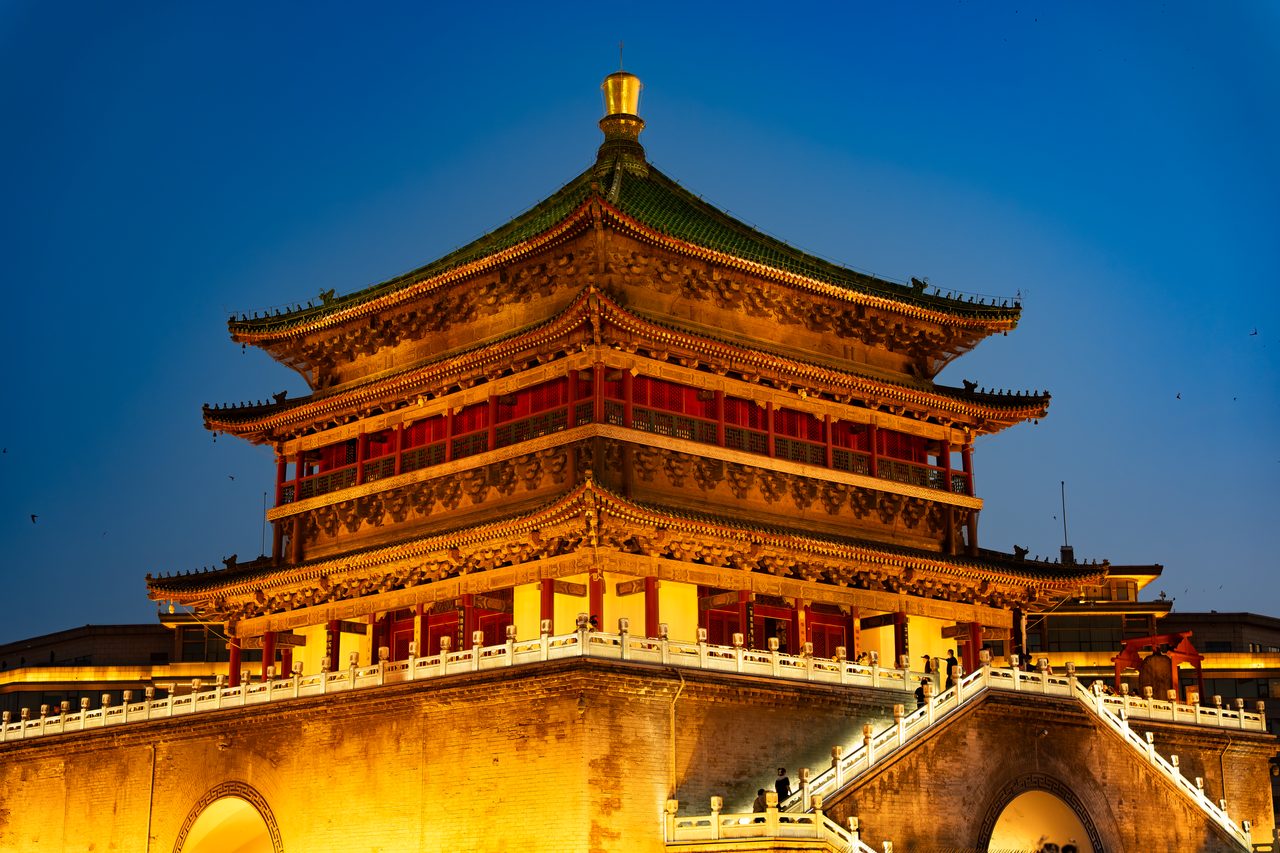
Shaanxi Province sits in north-central China along the middle reaches of the Yellow River and the Loess Plateau, bordering Shanxi, Henan, Hubei, Chongqing, Sichuan, Gansu, Ningxia, and Inner Mongolia. The province splits into three distinct zones: the fertile Guanzhong Plain around Xi'an in the center, the arid loess hills of Shaanbei in the north, and the forested Qinba Mountains of Shaannan in the south. Xi'an served as the capital of thirteen Chinese dynasties, including the Qin and Tang, and remains one of China's four great ancient capitals, anchored today by the Terracotta Army and one of the world's best-preserved city walls.
- Capital
- Xi'an
- Largest city
- Xi'an
- Population
- 39.5 million
- Languages
- Mandarin Chinese, Shaanxi dialect (Guanzhong and Shaanbei varieties)
- Currency
- Chinese Yuan
- Time zone
- China Standard Time (UTC+8)
Explore Shaanxi by topic
Jump straight to the experience you're planning.
Best places to visit in Shaanxi
The 23 destinations our editors recommend — from iconic landmarks to under-the-radar finds.
Xi'an City Wall
Big Wild Goose Pagoda (Dayan Ta) & North Square Fountain
Small Wild Goose Pagoda & Xi'an Museum
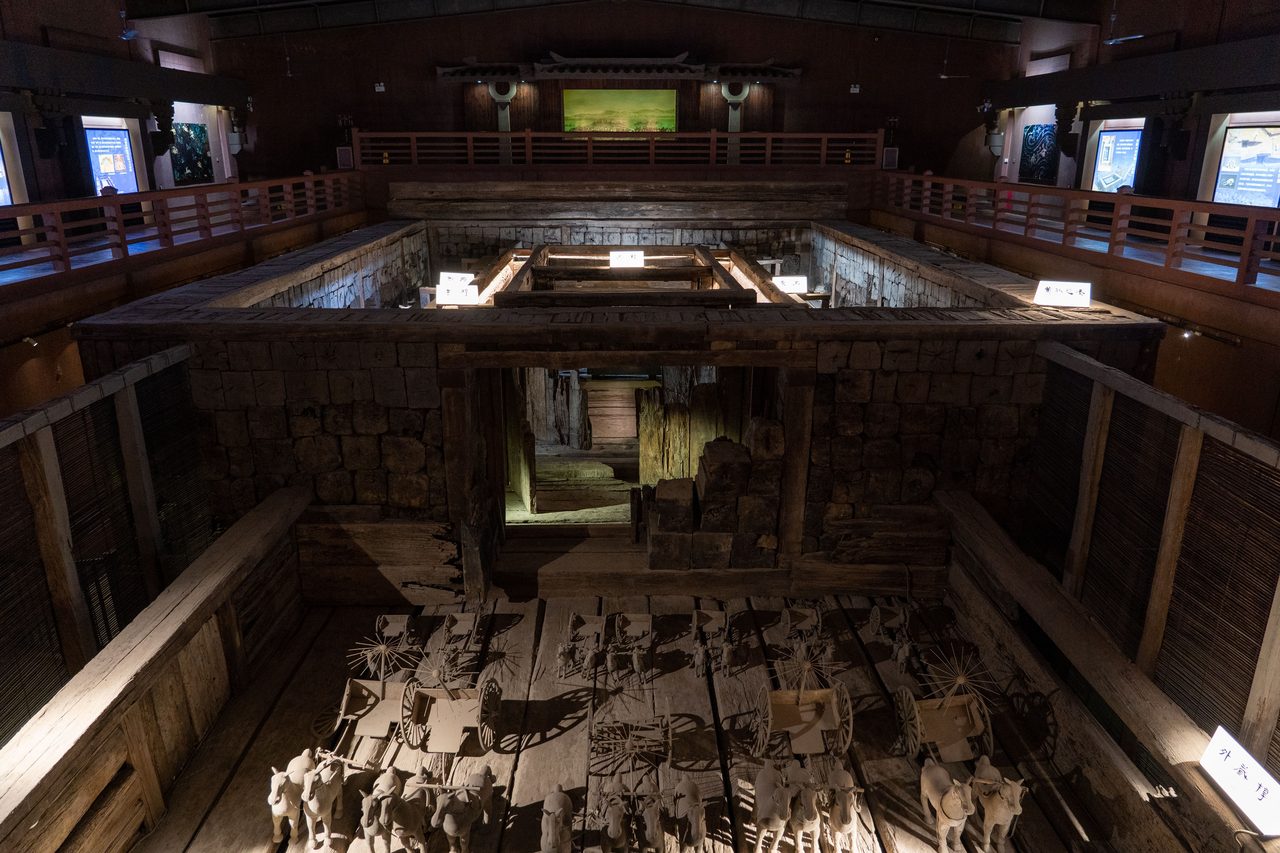
Shaanxi History Museum
Muslim Quarter (Huajue Lane) & Huajue Mosque
Recommended itineraries
Pick a length, follow the route. Each itinerary balances headline sights with breathing room.
5-Day Shaanxi Explorer
- Day 1Arrive in Shaanxi, explore city center
- Day 2Visit top attractions and museums
- Day 3Day trip to nearby highlights
- Day 4Local markets and hidden gems
- Day 5Final sightseeing, departure
7-Day Classic Shaanxi
- Days 1-2Shaanxi city highlights
- Days 3-4Regional exploration
- Days 5-6Cultural immersion and local experiences
- Day 7Return and departure
14-Day Ultimate Shaanxi
- Days 1-3Shaanxi comprehensive city tour
- Days 4-6Northern region exploration
- Days 7-9Eastern highlights
- Days 10-12Southern attractions
- Days 13-14Return to Shaanxi, departure
Where to stay in Shaanxi
Three tiers, every traveller covered — from cost-conscious to flagship hotels.
Budget $25
Hostels, budget hotels, and guesthouses offer affordable stays without sacrificing experience.
Mid-range $60
Boutique hotels and well-located accommodations provide comfort and convenience at reasonable prices.
Luxury $160
World-class resorts and premium hotels deliver unforgettable experiences.
Sofitel Xian on Renmin Square
Check rates on Booking.comShangri-La Hotel Xian
Check rates on Booking.comGrand Hyatt Xi'an
Check rates on Booking.comJW Marriott Hotel Xi'an
Check rates on Booking.comWhere to eat in Shaanxi
Cafés, neighbourhood gems, and tasting menus worth the table reservation.
Laosunjia Restaurant (Beiyuanmen Branch)
Laosunjia is one of Xi'an's oldest Hui Muslim restaurants, tracing its name back to the late Qing era, and this branch near the Muslim Quarter serves the halal beef-and-lamb repertoire the chain built its reputation on. The dining room is set up for the ritual of tearing your own flatbread into a bowl before it's returned to the kitchen for the broth.
Defachang Dumpling Restaurant (Zhonggulou Branch)
Defachang, founded in the 1930s near the Bell Tower, is the restaurant most associated with Xi'an's dumpling-banquet tradition, where a set menu runs through a long sequence of small, individually shaped dumplings rather than one large dish. The Zhonggulou branch has a formal, multi-floor banqueting layout built for this kind of tasting-course service.
Tongshengxiang Restaurant
Tongshengxiang is a long-established Hui Muslim restaurant in the Beilin district known for lamb and beef dishes rather than the pork cooking found elsewhere in the city. Like other paomo specialists in Xi'an, it built its name on the torn-bread-and-broth format alongside simpler mutton and offal sides.
Jiasan Guantang Baozi
Jiasan is a well-known soup-dumpling counter in the Muslim Quarter on Beiyuanmen, specializing in small steamed buns filled with a broth that stays liquid until you bite into them. It's a stand-and-eat or quick-seat operation rather than a sit-down restaurant, geared toward the steady foot traffic of the street.
Lao Wei Jia Liangpi
Zhou's Biangbiang Noodle House
Book a food tour in Shaanxi We may earn a commission from bookings made through this link.
Getting around Shaanxi
Xi'an is the major transport hub of Shaanxi with an international airport, dense high-speed rail connections to the rest of China, and a growing metro network. The Terracotta Army, Huaqing Palace, and Mount Li cluster together east of the city and are easily reached by bus, Didi, or private car. Mount Hua is a short high-speed train ride away, while Hanzhong and Yan'an require longer bus, train, or flight connections.
Budget breakdown
Daily spend by tier in CNY, broken out by category.
| Category | Budget | Mid-range | Luxury |
|---|---|---|---|
| Accommodation | $7 | $22 | $90 |
| Food (per day) | $7 | $18 | $38 |
| Transportation | $4 | $9 | $18 |
| Activities | $7 | $11 | $14 |
| Daily total | $25 | $60 | $160 |
Best time to visit Shaanxi
Weather through the year in Shaanxi
Best time Shoulder Worth avoiding
Average daytime temperature in °C. Figures are for Shaanxi.
Essential travel tips
- Download WeChat and Alipay before arrival — essential for payments in Shaanxi
- Get a local SIM card at Xi'an Xianyang Airport for affordable data
- Book Terracotta Army tickets online in advance — daily visitor caps apply
- A VPN is needed to access Google, Instagram, and WhatsApp in China
- Arrive at the Terracotta Army site early morning to avoid the heaviest tour-bus crowds
Safety information
Buy Terracotta Army tickets online in advance through the official site or Ctrip/Trip.com — scalpers and unofficial 'guides' cluster around the parking lot and site entrance offering inflated combo tickets
Use Didi (ride-hailing app) exclusively for taxis in Xi'an — unlicensed drivers at the airport, train station, and Terracotta Army site frequently overcharge international visitors or push unwanted tour add-ons
Drink only bottled or boiled water — tap water is not safe to drink anywhere in Shaanxi; hot tea served at restaurants is safe
Install a VPN before entering China — Google Maps, WhatsApp, Instagram, and many other services are blocked; use Baidu Maps and WeChat instead
Wear closed, grippy footwear for the Mount Hua plank walks and steep stone stairways — sections are narrow with sheer drops and safety harnesses are provided only on the designated plank walk
Keep valuables secured and be alert for pickpockets in the crowded Muslim Quarter and near the Bell Tower/Drum Tower in the evening
Register with your country's embassy or consulate upon arrival in China for emergency assistance if staying long-term
Download offline maps (Baidu Maps, Amap/Gaode) and save your hotel address in Chinese before venturing out — language barriers can complicate getting help when lost
Emergency services operate on standardized Chinese numbers; keep the police (110), ambulance (120), and fire (119) numbers saved on your phone
Carry your passport at all times — hotels, some museums, and high-speed rail stations require ID checks for entry
Be cautious with ATM usage — use bank branch ATMs (ICBC, Bank of China) rather than standalone machines to minimize card skimming risk
Winter road conditions in the Qinling Mountains south of Xi'an (routes toward Hanzhong) can be hazardous — check conditions before driving or taking buses in December–February
Frequently asked questions
Is Shaanxi safe to visit in 2026?
Shaanxi is generally a very safe destination for international travelers with low rates of violent crime in urban areas. The main safety considerations are ticket-scalping and taxi-touting scams near the Terracotta Army, and the need to navigate Chinese internet restrictions and payment systems. Emergency services: police at 110, medical at 120.
What is the best time to visit Shaanxi?
The best time to visit Shaanxi is March–May and September–November. Xi'an and the Guanzhong Plain have a temperate, semi-arid climate with hot summers, cold dry winters, and the most comfortable, driest sightseeing weather in spring and autumn.
Do I need a visa to visit Shaanxi?
Entry requirements follow China national rules. Most foreign nationals require a visa. Xi'an Xianyang International Airport is a designated port for China's 240-hour visa-free transit policy for citizens of 55+ eligible countries holding an onward ticket to a third country or region. Requirements vary by nationality, so check with your nearest embassy or the official immigration website before traveling.
What currency is used in Shaanxi?
The currency in Shaanxi is the Chinese Yuan (CNY). ATMs are widely available in Xi'an and other cities. Credit cards are accepted at most hotels and restaurants, but carry cash or a mobile payment app for markets and smaller establishments.
What language is spoken in Shaanxi?
The main language spoken in Shaanxi is Mandarin Chinese, alongside the local Shaanxi dialect. In tourist areas of Xi'an, English is understood at major hotels and attractions. Learning a few basic phrases in Mandarin is appreciated by locals.
What are the top attractions in Shaanxi?
The top attractions in Shaanxi include the Terracotta Army, the Xi'an City Wall, Mount Hua (Huashan), the Shaanxi History Museum, and the Big Wild Goose Pagoda. Each offers a unique experience, from ancient imperial history to dramatic mountain scenery.
Explore Shaanxi by city
The cities below have their own guides — hotels, attractions and where to eat, in depth.