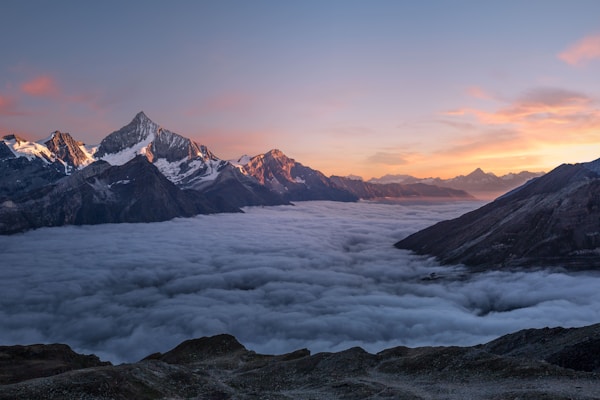
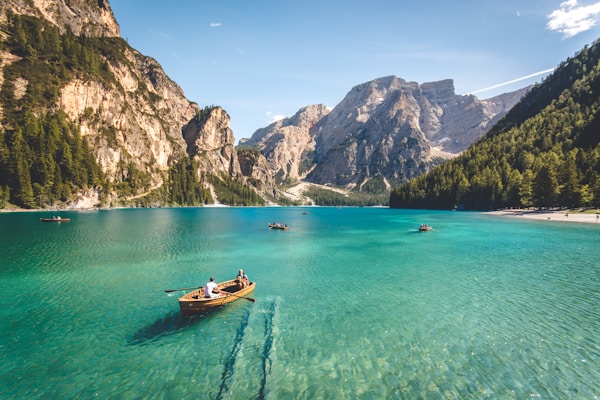
Bavaria (Bayern) is Germany's largest and most diverse state, stretching from the Danube lowlands in the north to the soaring peaks of the Alps in the south. Home to Munich, one of Europe's most livable cities, Bavaria enchants visitors with fairy-tale castles, pristine Alpine lakes, ancient beer halls, and UNESCO World Heritage towns. The state blends rich Catholic traditions, a proud regional identity, and world-class cultural institutions with stunning natural scenery.
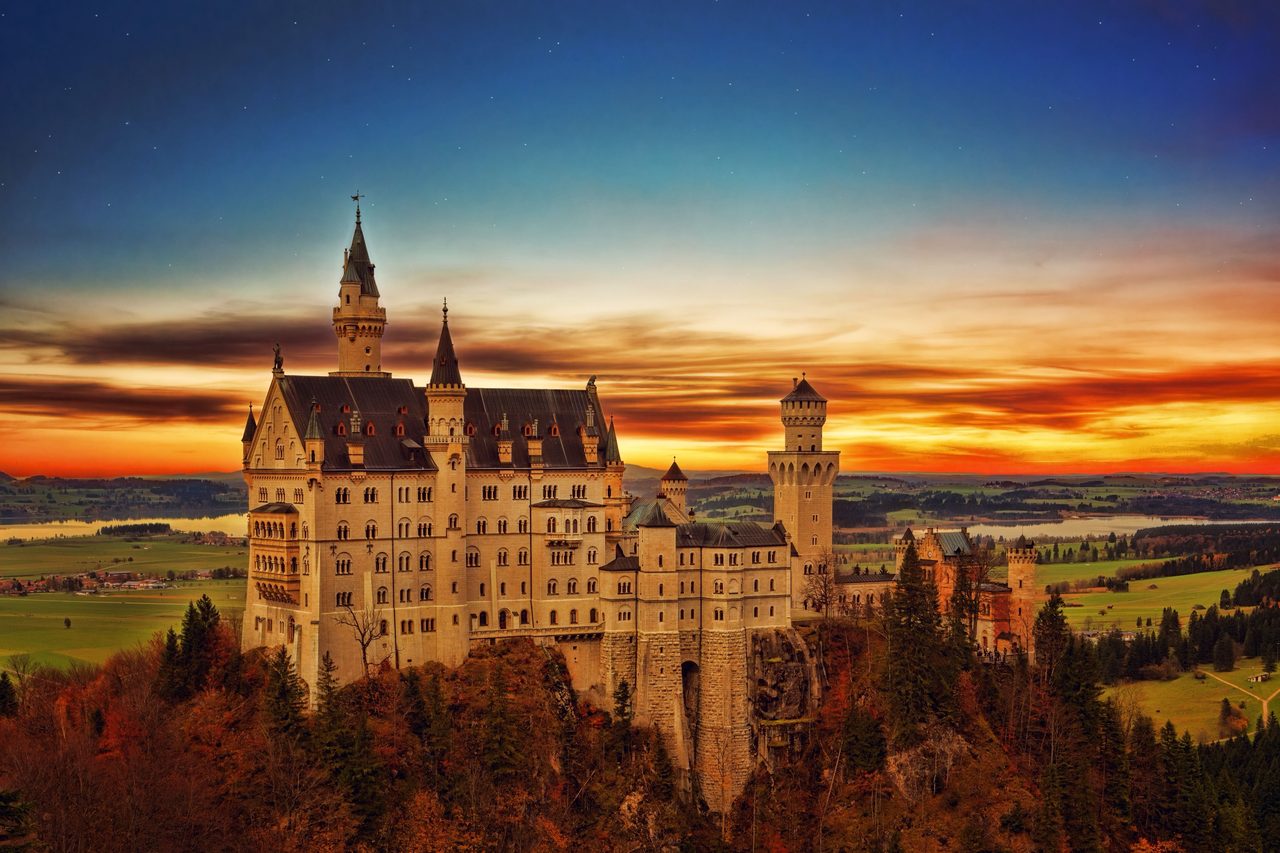
Bavaria is Germany's largest federal state and one of Europe's most popular travel destinations. From the cosmopolitan bustle of Munich to the fairy-tale Neuschwanstein Castle, from the Zugspitze summit at 2,962m to the tranquil Chiemsee lake, Bavaria offers an extraordinary range of experiences. The state is famous worldwide for Oktoberfest, its beer hall culture, traditional Lederhosen and Dirndl, and the Romantic Road touring route. Bavaria boasts more UNESCO World Heritage Sites than most countries, including Regensburg's medieval old town, Bamberg's historic city, the Wieskirche pilgrimage church, and the Würzburg Residenz.
The 25 destinations our editors recommend — from iconic landmarks to under-the-radar finds.
Andechs Monastery Brewery
A Benedictine monastery founded around 1455 atop a hill overlooking the Ammersee, Andechs is one of Bavaria's most beloved pilgrimage sites and brewery destinations. Monks have brewed beer here for over 500 years, and today visitors climb the hill to sample the legendary Doppelbock Dunkel and Weissbier in the sprawling beer hall and terrace.
Tegernsee
A crystal-clear Alpine lake in Upper Bavaria ringed by mountains and charming villages, Tegernsee is Munich's favourite weekend retreat. The lakeside town of Tegernsee is home to a former Benedictine monastery turned ducal brewery, and the area offers sailing, swimming, hiking, and some of Bavaria's finest restaurants.
Neues Schloss Schleißheim
A grand Baroque palace complex north of Munich commissioned by Elector Max Emanuel in 1701, Schleißheim was Bavaria's answer to Versailles. The main palace houses one of Bavaria's finest galleries of Baroque paintings, while the formal gardens and canal offer a tranquil escape. The complex includes three palaces — the New Palace, Old Palace, and Lustheim hunting lodge.
Garmisch-Partenkirchen
Bavaria's premier Alpine resort town, formed when two villages were merged for the 1936 Winter Olympics. The twin town at the foot of the Zugspitze offers skiing at the Zugspitze and Garmisch Classic areas, the dramatic Partnach Gorge, and an atmospheric old town with painted Lüftlmalerei facades. It's Germany's highest mountain town and a gateway to the Bavarian Alps.
Olympiapark Munich
Built for the 1972 Summer Olympics, Munich's Olympic Park is an iconic landscape architecture achievement with its sweeping tent-roof structures designed by Frei Otto. Today the park is a popular recreation area with an Olympic stadium, Olympic Tower (291m) with a revolving restaurant, swimming hall, and an artificial lake. Summer concerts by major artists are held regularly in the outdoor stadium.
Pinakotheken Museum Quarter
Munich's Kunstareal (Art Quarter) in Maxvorstadt contains three world-class art museums within walking distance: the Alte Pinakothek (European masters from the 14th–18th centuries), the Neue Pinakothek (19th-century art), and the Pinakothek der Moderne (20th-21st-century art and design). Together they hold one of Europe's most important art collections including works by Dürer, Rubens, Raphael, and Picasso.
Recommended itineraries
Pick a length, follow the route. Each itinerary balances headline sights with breathing room.
5-Day Bavaria Explorer
Day 1Arrive in Bavaria, explore city center
Day 2Visit top attractions and museums
Day 3Day trip to nearby highlights
Day 4Local markets and hidden gems
Day 5Final sightseeing, departure
7-Day Classic Bavaria
Days 1-2Bavaria city highlights
Days 3-4Regional exploration
Days 5-6Cultural immersion and local experiences
Day 7Return and departure
14-Day Ultimate Bavaria
Days 1-3Bavaria comprehensive city tour
Days 4-6Northern region exploration
Days 7-9Eastern highlights
Days 10-12Southern attractions
Days 13-14Return to Bavaria, departure
Where to stay in Bavaria
Three tiers, every traveller covered — from cost-conscious to flagship hotels.
Budget €60-80
Hostels, budget hotels, and guesthouses offer affordable stays without sacrificing experience.
Mid-range €120-180
Boutique hotels and well-located accommodations provide comfort and convenience at reasonable prices.
Luxury €300+
World-class resorts and premium hotels deliver unforgettable experiences.
Hotel Vier Jahreszeiten Kempinski Munich
München · $520-950/night
Munich's grandest hotel, opened in 1858 on Maximilianstrasse. The Vier Jahreszeiten offers 305 rooms and suites with lavish period furnishings, a world-class spa (Spa Vier Jahreszeiten), and the celebrated Schwarzreiter restaurant. The hotel has hosted royalty, celebrities, and heads of state for over 160 years.
An iconic Munich institution since 1841, the Bayerischer Hof is steps from Marienplatz and Theatinerstrasse. The hotel encompasses a full city block and features 337 rooms, multiple restaurants (including the Michelin-starred Atelier), the legendary Blue Spa rooftop, and a jazz club. Visited by German presidents, film stars, and the world's glitterati.
A refined 5-star hotel occupying a historic neo-Renaissance building near the Englischer Garten. Just 73 rooms and suites make this one of Munich's most intimate luxury properties. The rooftop pool with city views is unique in Munich. The restaurant Mark's serves modern European cuisine.
Housed in the magnificent neo-Baroque former Bavarian Post building next to Munich Hauptbahnhof, the Sofitel Bayerpost seamlessly blends historic grandeur with modern French luxury. 396 rooms and suites, a large spa (Le Spa by Sofitel), and the Délice restaurant distinguish this property.
Cafés, neighbourhood gems, and tasting menus worth the table reservation.
Tantris
Modern European / French · €€€€
Munich's most revered fine dining restaurant, founded in 1971 by Hans Haas and still holding 2 Michelin stars. Tantris occupies a stunning 1970s brutalist building in Schwabing and serves modern European cuisine with classical French influences. The cellar contains over 30,000 wine bottles. Reservations essential.
Atelier at Bayerischer Hof
Modern European / Creative · €€€€
Jan Hartwig's 3-Michelin-star restaurant inside the Bayerischer Hof hotel, consistently voted one of Germany's finest dining experiences. Atelier serves a single multi-course tasting menu emphasising outstanding seasonal ingredients and precision technique. The intimate 22-seat restaurant offers an immersive culinary event.
EssZimmer BMW Welt
Modern European · €€€€
Bobby Bräuer's 2-Michelin-star restaurant on the upper level of BMW Welt, with panoramic views of the Olympic Park. EssZimmer serves modern European cuisine with a focus on regional ingredients elevated to an extraordinary level. The unique automotive-cultural setting makes this a memorable special occasion restaurant.
Restaurant Hubert
Modern European / Seasonal · €€€
A contemporary fine dining restaurant in Munich's Maxvorstadt near the Pinakothek museums, serving modern cuisine with clean, seasonal flavours. Hubert has established itself as a strong 1-Michelin-star destination for Munich's sophisticated dining scene.
Hofbräuhaus Munich
Traditional Bavarian · €€
The world's most famous beer hall and restaurant, serving traditional Bavarian dishes in a 3,500-seat historic setting since 1589. The Schwemme (ground floor) serves the classic menu of Schweinshaxe, Weisswurst, Obatzda, pretzels, and roast chicken alongside HB's own beers brewed on-site. A brass band plays traditional Bavarian music throughout the day.
Augustiner-Keller
Traditional Bavarian / Beer Hall · €€
Founded in 1812, Augustiner-Keller is one of Munich's oldest and most beloved beer establishments with a 5,000-seat beer garden under 100-year-old chestnut trees. Augustiner Bräu is widely considered Munich's finest brewery. The attached restaurant serves traditional Bavarian cuisine. A favourite of locals over tourists.
Best for exploring rural Bavaria and the Alps; Autobahn has no general speed limit
Cost: €40-80/day
Budget breakdown
Daily spend by tier in EUR, broken out by category.
Category
Budget
Mid-range
Luxury
Accommodation
€25-40
€70-120
€180-500
Food (per day)
€15-25
€35-55
€80-150
Transportation
€5-10
€15-20
€30-60
Activities
€10-15
€20-35
€50-100
Daily total
€60-80
€120-180
€300+
Best time to visit Bavaria
Weather through the year in Germany
Best timeShoulderWorth avoiding
Average daytime temperature in °C. Figures are for Germany.
Essential travel tips
Buy the Bavaria Ticket for cheap regional train travel — one ticket covers up to 5 people
Book Neuschwanstein Castle tickets online months in advance especially in summer
Oktoberfest tent reservations should be made months ahead for weekends
Tap water is safe and delicious throughout Bavaria
Sunday closures are widespread — plan grocery shopping for weekdays or Saturdays
Munich's MVV public transport is efficient; buy day passes at the airport
Many Alpine cable cars and ski lifts offer combination tickets
Cash is still king in many traditional Bavarian restaurants and rural areas
Hidden gems
Off-the-beaten-path corners most travellers miss.
Altmühltal Valley
A limestone canyon nature park in northern Bavaria with canoeing, cycling, and fossils — Bavaria's quieter side
Bad Tölz
A charming spa town on the Isar River with beautifully painted facades, accessible by the historic Bayerische Oberlandbahn train
Schliersee
A quieter Alpine lake alternative to Tegernsee with an authentic village atmosphere and superb hiking
Kloster Ettal
A stunning Baroque Benedictine monastery in a high Alpine valley near Linderhof, producing its own liqueur and beer
Safety information
INFO
Never underestimate Bavarian Alpine weather — Mountain weather in the Bavarian Alps changes extremely rapidly. Clear skies can turn to thunderstorms within 30–60 minutes, particularly in the afternoon (June–August). Lightning above the treeline is a genuine risk.
INFO
Proper footwear and equipment for mountain trails — Many serious mountain accidents in Bavaria involve visitors wearing inappropriate footwear (sandals, flip-flops) on technical trails. The German Alpine Club (DAV) regularly issues warnings about underprepared hikers.
INFO
Mountain rescue in Bavaria — Bavaria has an excellent mountain rescue service (Bergwacht Bayern) operated by the Red Cross. Mountain rescue is technically free in Germany but strong recommendation to have travel insurance covering mountain rescue and helicopter evacuation (a helicopter rescue can cost €5,000–30,000 without insurance).
INFO
Oktoberfest pickpocketing and drink spiking — Oktoberfest attracts millions of visitors and, unfortunately, a significant number of pickpockets who work the crowded beer tents and festival grounds. Drink spiking incidents are also reported annually.
INFO
Petty theft in Munich — Munich city centre (Marienplatz, Hauptbahnhof area, and the S-Bahn airport line) sees opportunistic bag and phone theft. The Hauptbahnhof area at night requires more caution than the Altstadt.
INFO
Autobahn driving — Germany's Autobahn has no general speed limit and requires experience with high-speed driving norms. Lane discipline is strict — always drive in the right lane unless overtaking.
INFO
Tick awareness in Bavarian forests — Bavaria has a significant tick population in forests, meadows, and bushland below 2,000m, particularly from April to October. Ticks in Bavaria can carry Lyme disease and, in some areas, TBE (Tick-borne Encephalitis).
INFO
Alpine lake and river swimming safety — Bavaria's Alpine lakes (Königssee, Tegernsee, Chiemsee) and rivers (Isar, Salzach) are very cold even in summer. The Isar in Munich has strong currents, especially after rain. Every year, fatalities occur among unprepared swimmers.
INFO
Common tourist scams in Bavaria — Bavaria has relatively few scams compared to Mediterranean destinations, but some operate in tourist areas.
INFO
Sun and heat safety in the Alps — UV radiation increases approximately 10% per 1,000m altitude. At Zugspitze summit (2,962m) or during summer alpine hikes, UV levels are significantly higher than at sea level.
INFO
Important laws for visitors to Bavaria — Bavaria enforces certain regulations that visitors may not be aware of.
INFO
Winter driving and avalanche safety — Bavaria's Alpine roads and mountain passes can be extremely hazardous in winter. Avalanches occur every year in the Bavarian Alps.
Frequently asked questions
Do I need a visa to visit Bavaria?
EU/Schengen Area. No visa required for EU citizens. Many nationalities can visit for 90 days visa-free under Schengen rules. Non-Schengen nationals should check requirements. Requirements vary by nationality, so check with your nearest embassy or the official immigration website before traveling.
What currency is used in Bavaria?
The currency in Bavaria is the Euro (EUR). ATMs are widely available in cities and tourist areas. Credit cards are accepted at most hotels and restaurants, but carry cash for markets and smaller establishments.
What language is spoken in Bavaria?
The main language(s) spoken in Bavaria: German, Bavarian dialect. In tourist areas, English is generally understood. Learning a few basic phrases in the local language is appreciated by locals.
What are the top attractions in Bavaria?
The top attractions in Bavaria include Neuschwanstein Castle, Marienplatz & Glockenspiel, English Garden Munich, Zugspitze, and Berchtesgaden National Park & Königssee. Each offers a unique experience, from historic landmarks to natural wonders.
Explore Bavaria by city
The cities below have their own guides — hotels, attractions and where to eat, in depth.