Open Travel Guide
Germany

Europe · 33 Places · Best June-August

Germany

Germany blends medieval castles, fairy-tale villages, and vibrant cities with world-class museums, beer gardens, and Christmas markets. From the Black Forest to Berlin's contemporary art scene, experience rich history, excellent public transport, and hearty cuisine in the heart of Europe.

Capital
Berlin
Currency
Euro (EUR)
Language
German (official)
Time zone
UTC+1 (Central European Time) / UTC+2 in summer
Best time
June-August
Places
33 curated
On this page

About Germany

Germany blends medieval castles, fairy-tale villages, and vibrant cities with world-class museums, beer gardens, and Christmas markets. From the Black Forest to Berlin's contemporary art scene, experience rich history, excellent public transport, and hearty cuisine in the heart of Europe.

Capital
Berlin
Largest city
Berlin
Population
84,000,000
Languages
German (official), English widely spoken in cities and tourist areas
Currency
Euro (EUR)
Time zone
UTC+1 (Central European Time) / UTC+2 in summer

Explore Germany by topic

Jump straight to the experience you're planning.

Best places to visit in Germany

The 33 destinations our editors recommend — from iconic landmarks to under-the-radar finds.

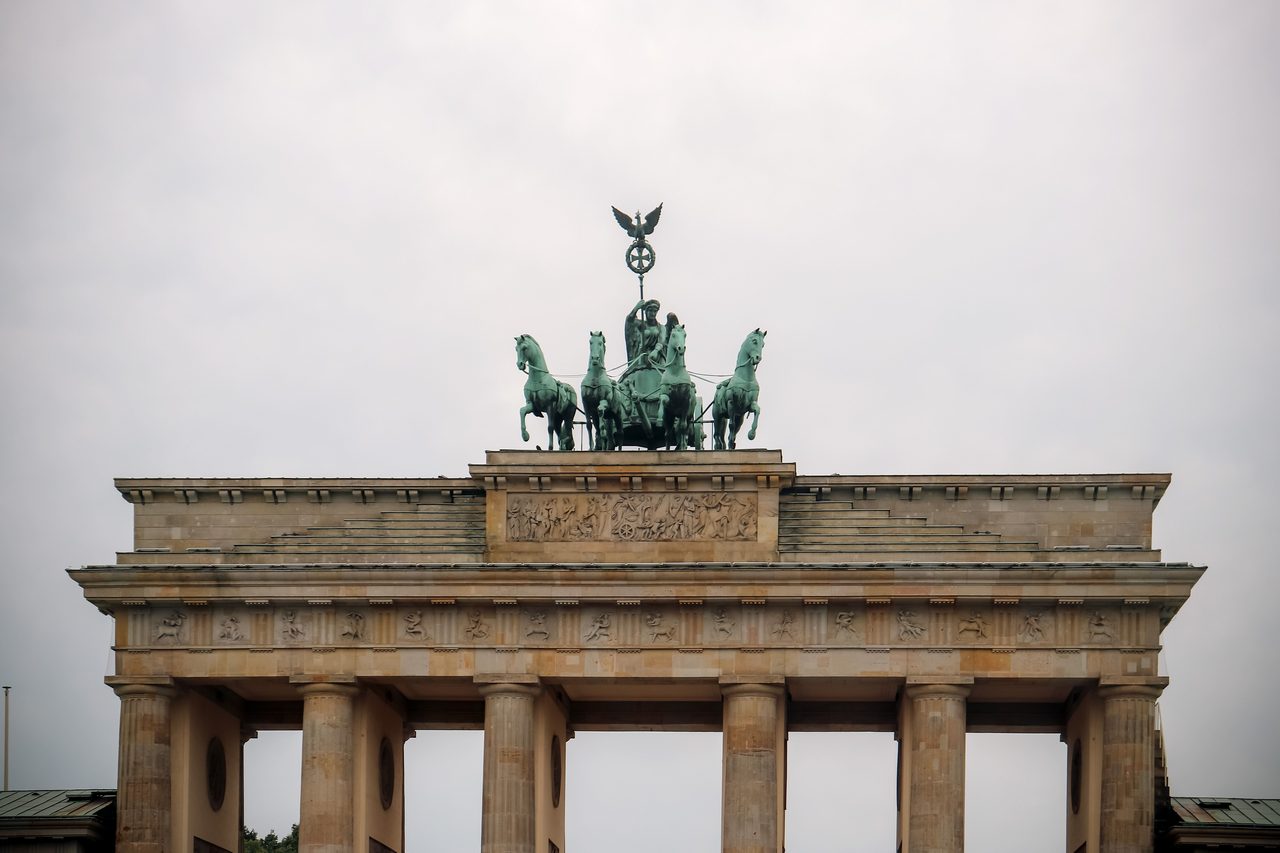
Brandenburg Gate

Brandenburg Gate

Berlin's iconic neoclassical monument and symbol of German reunification. Built in 1791, this former city gate stood at the border between East and West Berlin during the Cold War. Today it represents peace and unity, illuminated beautifully at night.

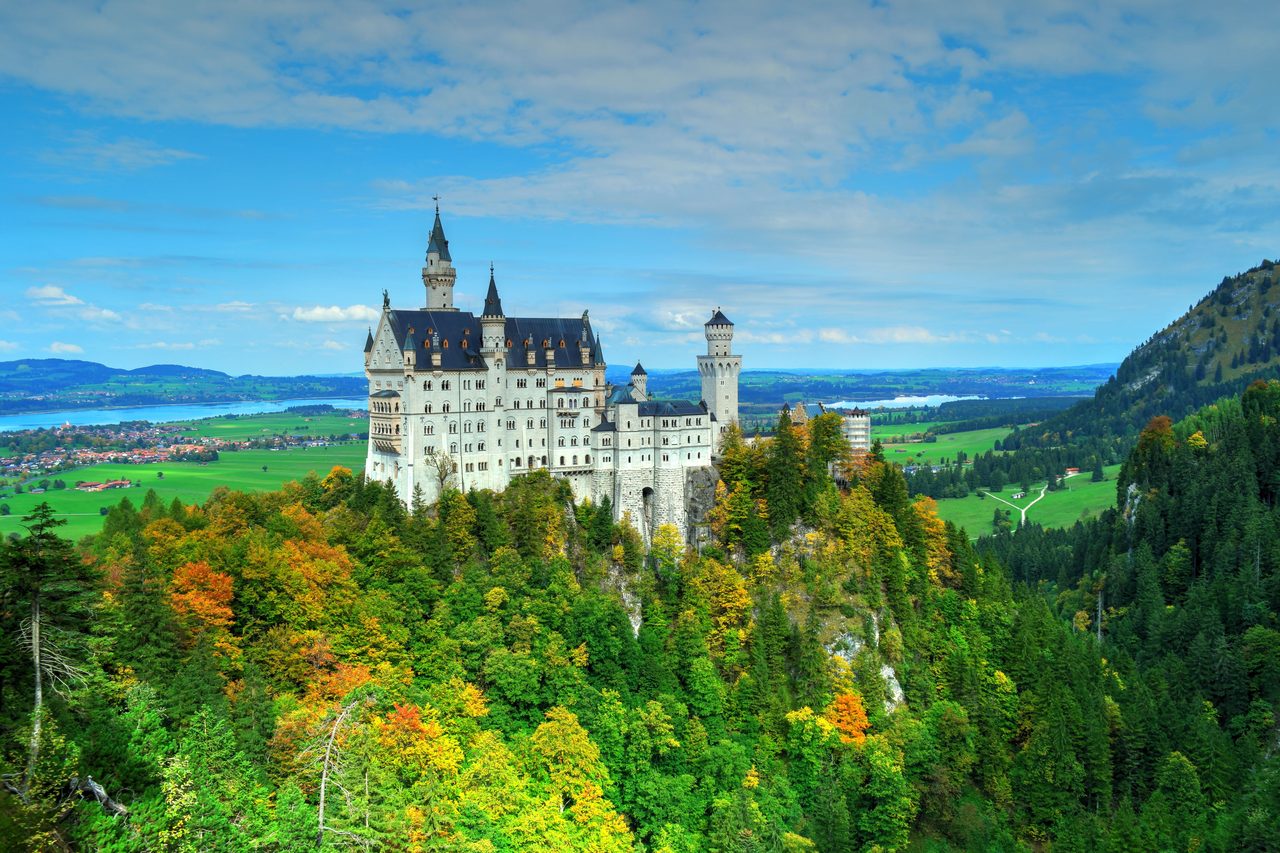
Neuschwanstein Castle

Neuschwanstein Castle

The fairy-tale castle that inspired Disney's Sleeping Beauty Castle. Built by King Ludwig II in the 19th century, this Romanesque Revival palace sits dramatically on a rugged hill above the village of Hohenschwangau. The interior features elaborate chambers with stunning murals and craftsmanship.

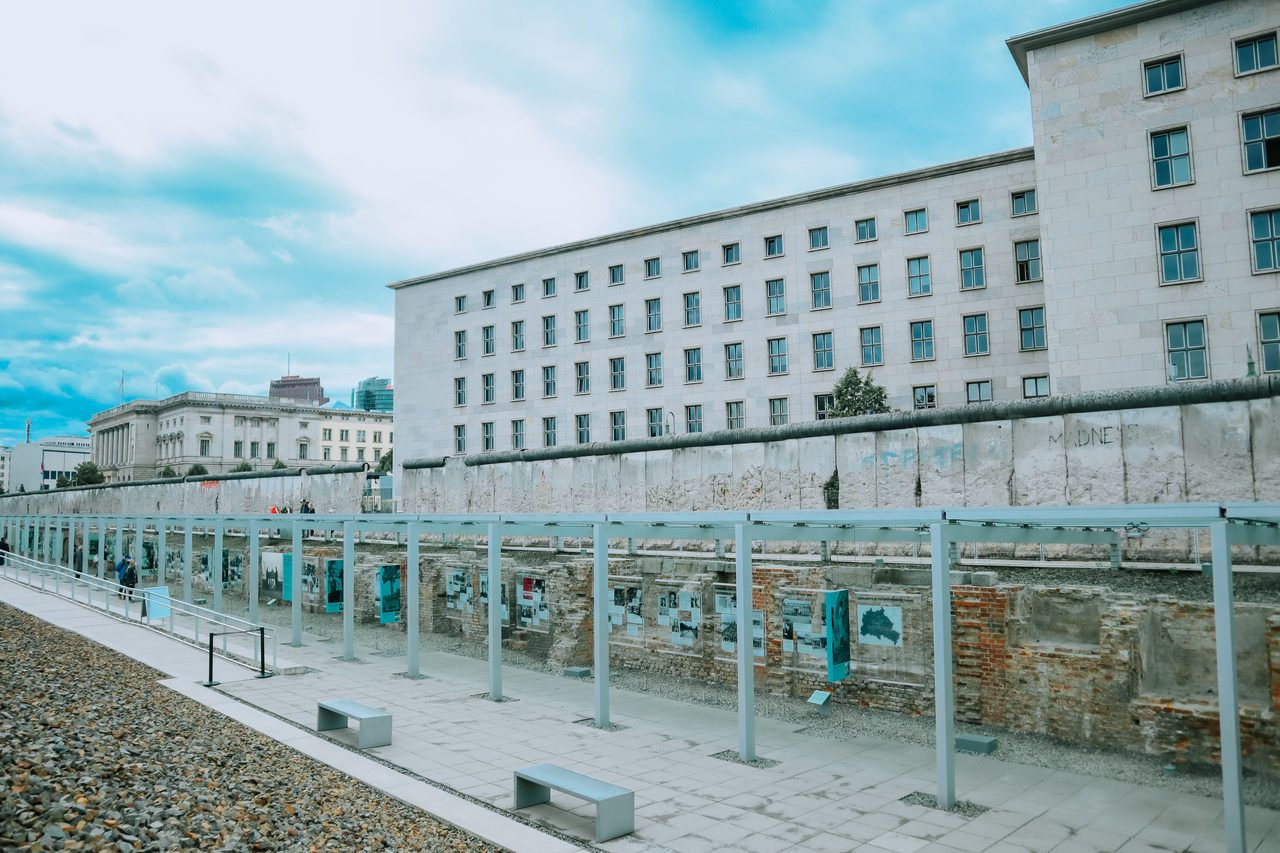
The Berlin Wall Memorial

The Berlin Wall Memorial

The central memorial site of German division, preserving the last piece of Berlin Wall with the death strip and watchtowers. The open-air exhibition along Bernauer Strasse includes authentic wall segments, documentation center with viewing platform, and Chapel of Reconciliation.

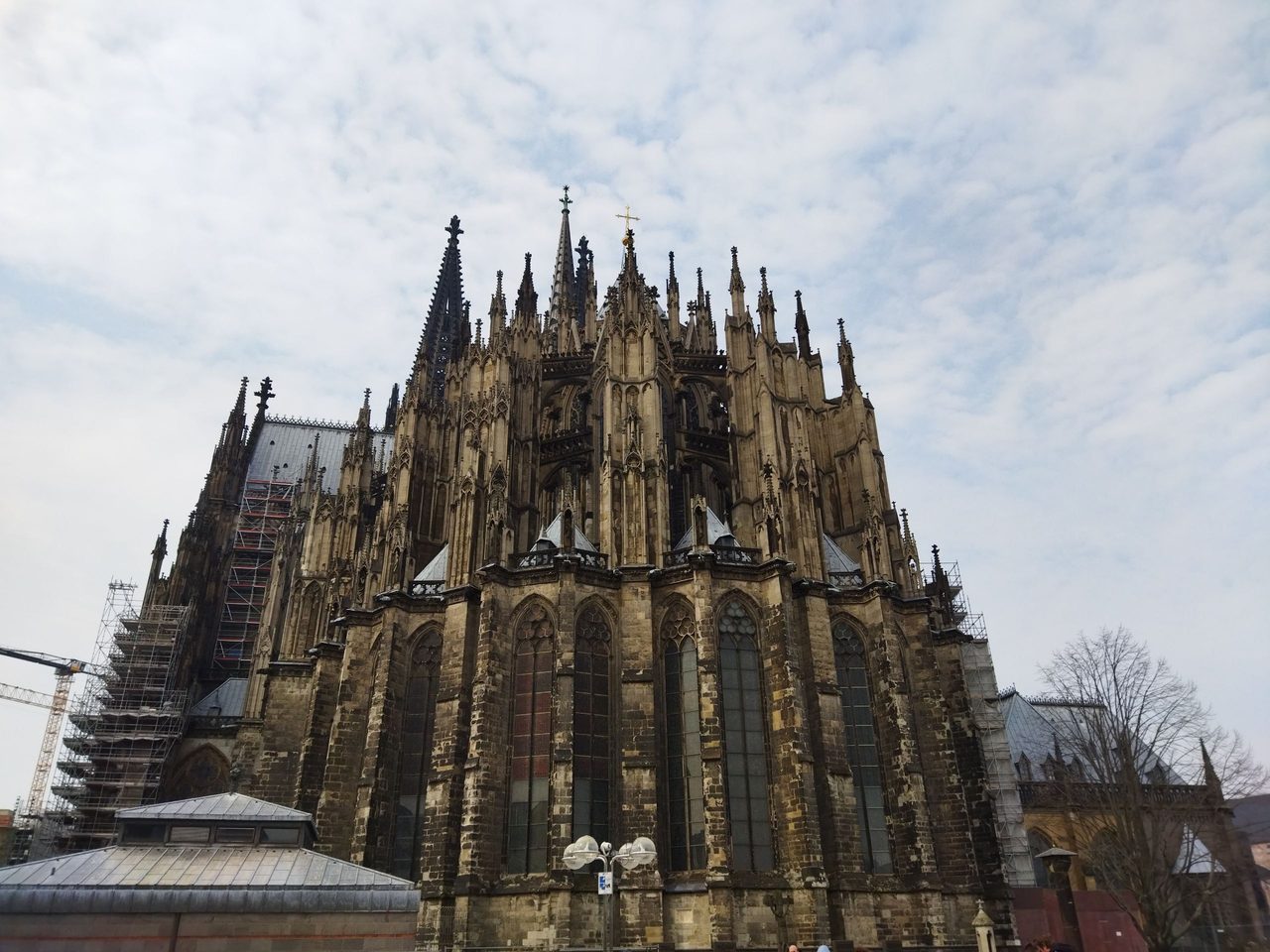
Cologne Cathedral

Cologne Cathedral

Gothic masterpiece and UNESCO World Heritage Site, this twin-spired cathedral took 632 years to complete. Standing 157 meters tall, it houses the Shrine of the Three Kings and stunning stained glass windows. Climbing the 533 steps to the south tower offers panoramic city views.

Marienplatz and New Town Hall

Marienplatz and New Town Hall

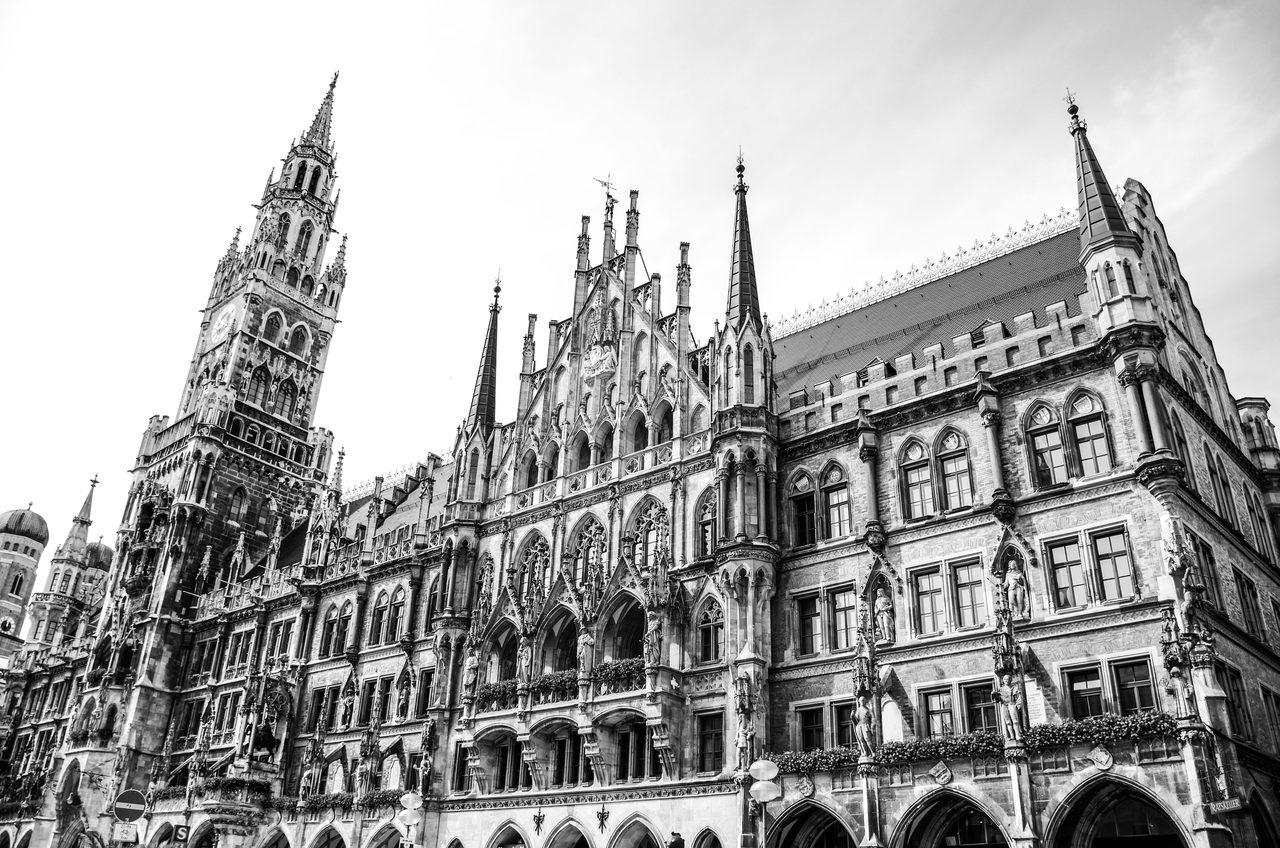
Munich's central square and heart of the city since 1158. The neo-Gothic New Town Hall features the famous Glockenspiel with 43 bells and 32 life-size figures that perform daily. The square buzzes with street performers, outdoor cafes, and serves as the Christmas market location.

Museum Island

Museum Island

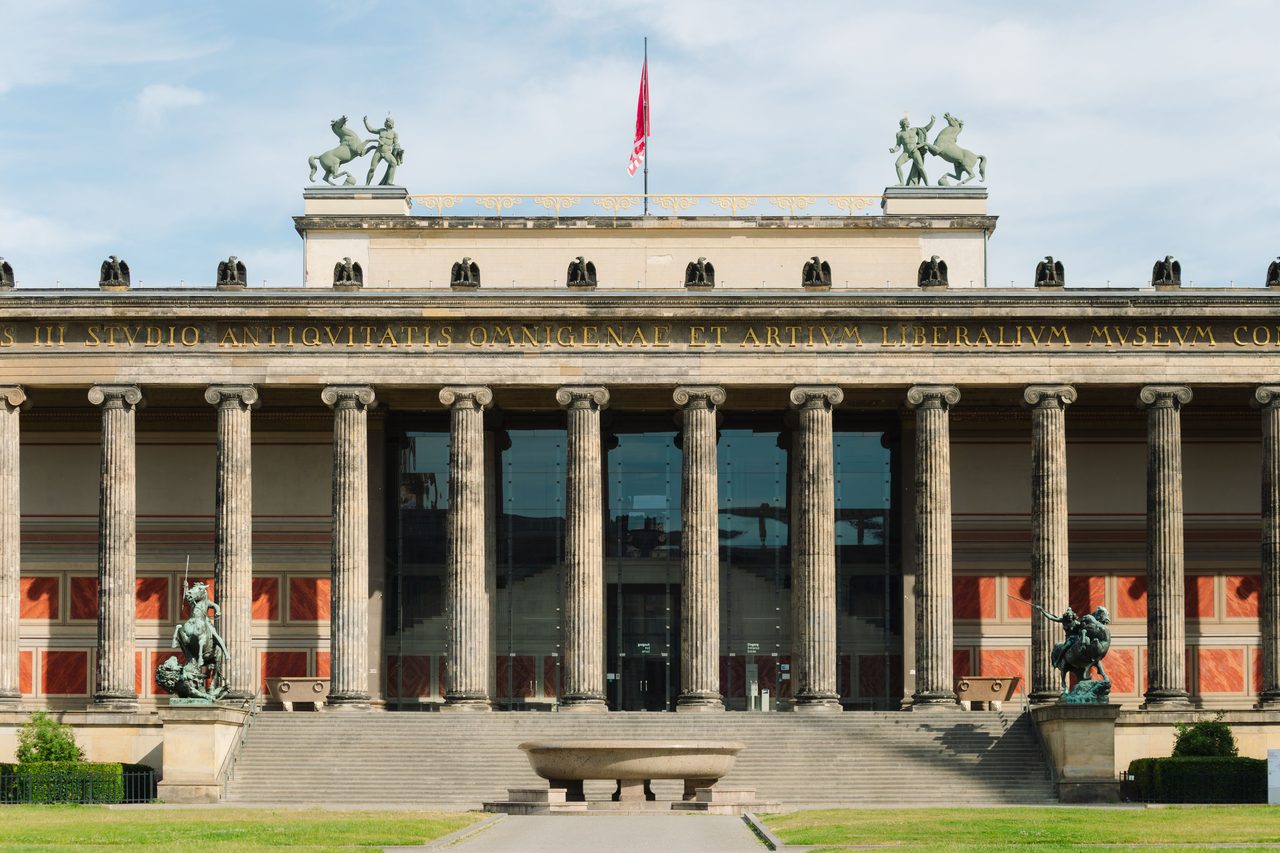
UNESCO World Heritage Site featuring five world-renowned museums on a single island in the Spree River. Home to Pergamon Museum, Neues Museum (with Nefertiti bust), Alte Nationalgalerie, Bode Museum, and Altes Museum. Represents 6,000 years of human artistic and cultural history.

Recommended itineraries

Pick a length, follow the route. Each itinerary balances headline sights with breathing room.

5-Day Germany Explorer

  • Day 1Arrive in Germany, explore city center
  • Day 2Visit top attractions and museums
  • Day 3Day trip to nearby highlights
  • Day 4Local markets and hidden gems
  • Day 5Final sightseeing, departure

7-Day Classic Germany

  • Days 1-2Germany city highlights
  • Days 3-4Regional exploration
  • Days 5-6Cultural immersion and local experiences
  • Day 7Return and departure

14-Day Ultimate Germany

  • Days 1-3Germany comprehensive city tour
  • Days 4-6Northern region exploration
  • Days 7-9Eastern highlights
  • Days 10-12Southern attractions
  • Days 13-14Return to Germany, departure

Where to stay in Germany

Three tiers, every traveller covered — from cost-conscious to flagship hotels.

Budget $50-70

Hostels, budget hotels, and guesthouses offer affordable stays without sacrificing experience.

Mid-range $120-180

Boutique hotels and well-located accommodations provide comfort and convenience at reasonable prices.

Luxury $300-500+

World-class resorts and premium hotels deliver unforgettable experiences.

Hotel Adlon Kempinski Berlin

Berlin · $450-$800

Legendary 5-star hotel beside Brandenburg Gate, combining historic glamour with modern luxury. Opulent rooms, Michelin-starred restaurants, rooftop spa with city views, and impeccable service make this Berlin's most prestigious address since 1907.

Check rates on Booking.com

Hotel am Steinplatz Berlin

Berlin · $150-$250

Stylish boutique hotel near Kurfürstendamm combining 1920s charm with modern design. Comfortable rooms, excellent breakfast, jazz bar, and quiet residential location offer great value with character in West Berlin.

Check rates on Booking.com

Circus Hostel Berlin

Berlin · $25-$70

Top-rated hostel in trendy Mitte district combining private rooms and dorms. Rooftop terrace, bike rental, sociable bar, and walking distance to major sights make this Berlin's best budget accommodation with hostel atmosphere and hotel amenities.

Check rates on Booking.com

Brenners Park-Hotel & Spa Baden-Baden

Baden-Baden · $400-$700

Grand hotel in Baden-Baden's premier spa destination, situated in private park along the Lichtentaler Allee. World-class spa, gourmet dining, and elegant rooms create a refined wellness retreat in Europe's most prestigious spa town.

Check rates on Booking.com

Where to eat in Germany

Cafés, neighbourhood gems, and tasting menus worth the table reservation.

Restaurant Tim Raue

Asian-inspired Fine Dining · $$$$$

Two Michelin-starred restaurant in Berlin blending Asian flavors with European techniques. Chef Tim Raue creates artistic dishes inspired by Thai, Chinese, and Japanese cuisines in minimalist modern setting. Reservations essential months ahead.

Zur Letzten Instanz

Traditional German · $$

Berlin's oldest restaurant since 1621 serving hearty German classics in historic setting. Napoleon allegedly dined here. Cozy atmosphere, generous portions of schnitzel, sauerbraten, and Berlin specialties at reasonable prices.

Curry 36

Currywurst · $

Iconic Berlin currywurst stand near Mehringdamm U-Bahn. Late-night favorite serving the city's beloved fast food: sliced bratwurst topped with curry ketchup. Local institution since 1981, open until 5 AM on weekends.

Markthalle Neun Street Food Thursday

International Street Food · $

Berlin's best weekly street food market in historic Kreuzberg hall. Dozens of vendors from around world every Thursday evening. Try everything from Vietnamese banh mi to Italian porchetta in buzzing atmosphere.

Café Einstein Stammhaus

Viennese Café · $$

Elegant Berlin coffeehouse in villa setting serving Viennese specialties. Schnitzel, strudel, excellent coffee in refined atmosphere. Perfect for leisurely breakfast or afternoon Kaffee und Kuchen (coffee and cake).

Atelier

Contemporary European · $$$$$

Three Michelin-starred restaurant in Munich's Bayerischer Hof Hotel. Chef Jan Hartwig creates innovative multi-course tasting menus with seasonal ingredients, impeccable technique, and artistic presentation in elegant dining room.

Book a food tour in Germany We may earn a commission from bookings made through this link.

Getting around Germany

Transportation options in Germany include local buses, taxis, and rental cars. Check local conditions before planning your travel.

Budget breakdown

Daily spend by tier in USD, broken out by category.

Category Budget Mid-range Luxury
Accommodation $20-30 (hostel dorm) $60-90 (budget hotel or private hostel room) $150-350 (4-5 star hotel)
Food (per day) $15-25 (supermarket, street food, cheap restaurants) $30-50 (breakfast, lunch, restaurant dinner) $80-150 (nice restaurants, fine dining option)
Transportation $8-12 (local transport day pass or walking) $15-20 (local transport, some taxis) $30-60 (taxis, ICE first class, car rental)
Activities $7-15 (free attractions, occasional museum) $15-30 (museums, tours, attractions) $40-80 (premium tours, shows, spa)
Daily total $50-70 $120-180 $300-500+

Best time to visit Germany

Weather through the year in Germany

2° JAN 3° FEB 8° MAR 13° APR 18° MAY 21° JUN 24° JUL 24° AUG 19° SEP 13° OCT 8° NOV 3° DEC

Best time Shoulder Worth avoiding

Average daytime temperature in °C. Figures are for Germany.

June-August, December (Christmas markets)

Essential travel tips

  • Research visa requirements before your trip
  • Learn a few basic phrases in the local language
  • Carry cash as cards may not be accepted everywhere
  • Respect local customs and dress codes
  • Purchase travel insurance before departure

Hidden gems

Off-the-beaten-path corners most travellers miss.

Monschau

Fairy-tale half-timbered village in Eifel National Park near Belgian border. Cobblestone streets, mustard mill, medieval castle, and hiking trails without tourist crowds of Rothenburg.

Görlitz

Germany's easternmost city on Polish border, miraculously undamaged in WWII. Over 4,000 preserved buildings spanning Gothic to Art Nouveau. Hollywood filming location, stunning architecture, virtually no tourists.

Heligoland

Tiny duty-free island 70km off German coast in North Sea. Red cliffs, seal colonies, seabird sanctuary, and unique island culture. Reached by ferry or catamaran from Hamburg or Cuxhaven.

Berchtesgaden Königssee

Emerald alpine lake accessible only by electric boat in Berchtesgaden National Park. St. Bartholomew's church on peninsula, echo demonstration, hike to Obersee. Dramatically beautiful, less known than Neuschwanstein.

Mittenwald

Alpine village famous for violin-making tradition and lüftlmalerei frescoed houses. Dramatic Karwendel mountain backdrop, cable cars, hiking, and authentic Bavarian atmosphere without Garmisch's crowds.

Tübingen

Medieval university town on Neckar River with painted houses, punting boats, and student energy

Meersburg

Romantic Lake Constance town with Germany's oldest inhabited castle, vineyards, and lakefront promenade

Wernigerode

Arrive early for best light

Colorful half-timbered town at foot of Harz Mountains

Safety information

INFO

Be aware of surroundings in crowded tourist locations and public venues

INFO

Avoid demonstrations and large gatherings

INFO

Monitor local media for breaking events

INFO

Watch for pickpockets in busy train stations and tourist areas

INFO

Keep valuables secure, especially in major cities

INFO

Use registered taxis or ride-sharing apps

INFO

Be cautious of financial scams targeting tourists online

INFO

Register with your embassy upon arrival for emergency notifications — the German emergency number is 112.

INFO

Carry your passport or a certified copy at all times; German police may ask for ID.

INFO

Jaywalking is technically illegal and frowned upon; always wait for the pedestrian green light.

Frequently asked questions

Is Germany safe to visit in 2026?

Germany is one of Europe's safest travel destinations with a very low crime rate, efficient police, and excellent emergency services. Petty theft at tourist sites and train stations is the primary concern; violent crime against tourists is rare. Emergency services: police at 110, medical at 112.

What is the best time to visit Germany?

The best time to visit Germany is June-August, December (Christmas markets). Germany has a temperate oceanic climate in the west and north, transitioning to a more continental climate in the east and south. Rainfall is distributed throughout the year, summers are warm to hot (

Do I need a visa to visit Germany?

No visa required for stays up to 90 days within 180-day period. Passport must be valid for 3 months beyond stay. ETIAS required from late 2026 (€20, valid 3 years). Requirements vary by nationality, so check with your nearest embassy or the official immigration website before traveling.

What currency is used in Germany?

The currency in Germany is the Euro (EUR) (EUR). ATMs are widely available in cities and tourist areas. Credit cards are accepted at most hotels and restaurants, but carry cash for markets and smaller establishments.

What language is spoken in Germany?

The main language(s) spoken in Germany: German (official), English widely spoken in cities and tourist areas. In tourist areas, English is generally understood. Learning a few basic phrases in the local language is appreciated by locals.

What are the top attractions in Germany?

The top attractions in Germany include Brandenburg Gate, Neuschwanstein Castle, The Berlin Wall Memorial, Cologne Cathedral, and Marienplatz and New Town Hall. Each offers a unique experience, from historic landmarks to natural wonders.

Explore Germany by region

Each region has its own character — coastal, alpine, vineyard, capital. Pick a starting point.

Baden-Württemberg

Baden-Württemberg is a federal state in southwestern Germany bordering France and Switzerland, anchored by the automotive capital Stuttgart. The state combines the dense forests and thermal spa towns of the Black Forest, the shimmering shoreline of Lake Constance, the Renaissance and Gothic old towns of Heidelberg, Tübingen, and Ulm, and world-renowned engineering heritage at the Mercedes-Benz and Porsche museums. Vineyards, half-timbered villages, and Europe's largest theme park round out a region prized for both culture and outdoor recreation.

Bavaria

Bavaria (Bayern) is Germany's largest and most diverse state, stretching from the Danube lowlands in the north to the soaring peaks of the Alps in the south. Home to Munich, one of Europe's most livable cities, Bavaria enchants visitors with fairy-tale castles, pristine Alpine lakes, ancient beer halls, and UNESCO World Heritage towns. The state blends rich Catholic traditions, a proud regional identity, and world-class cultural institutions with stunning natural scenery.

Berlin

Berlin is Germany's vibrant capital and largest city, renowned for its turbulent history, world-class museums, state-of-the-art art scene, and legendary nightlife. From the remnants of the Berlin Wall to the grandeur of the Brandenburg Gate, the city seamlessly blends its complex past with an innovative, forward-looking spirit. Berlin stands as one of Europe's most culturally rich and diverse metropolises.

Brandenburg

Brandenburg is the federal state that entirely surrounds the city-state of Berlin without containing it, stretching from the Baltic-facing Uckermark lake district in the north to the Lusatian mining lakes in the south. Its capital, Potsdam, is home to the UNESCO-listed Sanssouci Park and Palace, once the summer residence of Frederick the Great. Beyond Potsdam, Brandenburg is a patchwork of glacial lakes, pine forests, and slow rivers, including the UNESCO Spreewald Biosphere Reserve, where villages are still reached by flat-bottomed punting boats through a maze of canals.

Bremen

Bremen is a small, proud city-state in northern Germany, made up of the Hanseatic port city of Bremen and its seaport exclave Bremerhaven, straddling the Weser river roughly 60 km from the North Sea. Once a powerful member of the medieval Hanseatic League, Bremen is famous for its UNESCO-listed Rathaus and Roland statue, the fairy-tale Town Musicians of Bremen, and the artistic Böttcherstraße and Schnoor quarter. Compact, walkable, and less crowded than Germany's larger cities, Bremen combines centuries of maritime trading history with a lively university-town atmosphere.

Hamburg

Hamburg is Germany's second-largest city and its great maritime gateway, a proud Hanseatic port that has traded across the North and Baltic Seas for centuries. Known as the 'Venice of the North' for its extensive network of canals and bridges, the city pairs a historic warehouse district with the striking modern Elbphilharmonie concert hall. From the red-light glamour of the Reeperbahn to the quiet green banks of the Alster lakes, Hamburg blends maritime heritage with contemporary culture.

Hesse

Hesse is the central German state anchored by Frankfurt am Main, the country's financial capital and home to its busiest airport, yet its political capital is the quieter spa town of Wiesbaden across the Rhine-Main region. Beyond the Frankfurt skyline, Hesse holds the Rheingau wine region along the Rhine, the half-timbered university town of Marburg on its steep hillside, the fairy-tale city of Kassel with its UNESCO-listed Bergpark Wilhelmshöhe, and the Lorsch Abbey ruins, another UNESCO World Heritage Site dating to the Carolingian era. The state sits at the geographic heart of Germany and along the Fairy Tale Road associated with the Brothers Grimm, who were born in Hanau and worked in Kassel.

Lower Saxony

Lower Saxony is Germany's second-largest state by area, stretching from the North Sea coast and the East Frisian islands down through rolling farmland to the forested Harz mountains on its southern border. Its capital, Hannover, is best known for the Herrenhausen Gardens and a compact, walkable Old Town, but the state's UNESCO credentials lie elsewhere: the Romanesque churches of Hildesheim, the thousand-year Rammelsberg silver mine above Goslar, and the vast tidal mudflats of the Wadden Sea along the coast. Half-timbered towns like Celle and Lüneburg preserve centuries of Hanseatic and salt-trading wealth, while Wolfsburg's Autostadt and the university town of Göttingen add an industrial and academic counterpoint to the state's historic core.

Mecklenburg-Vorpommern

Mecklenburg-Vorpommern is Germany's northeastern coastal state, stretching along the Baltic Sea from the port city of Rostock to the Polish border. Its official capital is the small lake-island city of Schwerin, home to the fairy-tale Schwerin Castle, while Rostock remains the largest city and gateway to the beach district of Warnemünde. The state holds two UNESCO World Heritage Old Towns, the brick-Gothic merchant cities of Stralsund and Wismar, alongside the chalk cliffs of Rügen island's Jasmund National Park and the historic Kaiserbäder imperial spa resorts of Usedom island. Inland, Müritz National Park anchors the so-called Land of a Thousand Lakes, the largest connected lake district in Germany.

North Rhine Westphalia

North Rhine-Westphalia (Nordrhein-Westfalen) is Germany's most populous state, home to vibrant cities like Cologne, Düsseldorf, and Dortmund. The region blends industrial heritage with world-class museums, Gothic cathedrals, baroque palaces, and sweeping natural landscapes from the Eifel hills to the Sauerland highlands.

Rhineland-Palatinate

Rhineland-Palatinate is a state in western Germany defined by the Rhine, Moselle, and Nahe rivers, rolling vineyard hills, and dense forests. It is home to the Rhine Gorge and the legendary Loreley rock, Germany's oldest city Trier with its Roman Porta Nigra, the romantic hilltop castle Burg Eltz, and the Romanesque Speyer Cathedral, a UNESCO World Heritage Site. The state is also Germany's wine heartland, crossed by the historic Deutsche Weinstrasse (German Wine Route) through the Palatinate Forest.

Saarland

Saarland is Germany's smallest area state outside the city-states, tucked into the country's southwestern corner along the borders of France and Luxembourg. Its capital, Saarbrücken, blends French flair with German efficiency, while the wider state is defined by the dramatic Saarschleife river bend, the UNESCO-listed Völklingen Ironworks, and rolling forested hills that mark a long industrial past now turned green. Saarland's border-region character shows up everywhere, from bilingual signage to a cuisine that mixes Saarländische comfort food with French touches.

Saxony

Saxony is the German federal state in the country's southeast, bordering the Czech Republic and Poland, built around the twin poles of Dresden and Leipzig. Dresden, the Baroque capital on the Elbe, was painstakingly rebuilt after its 1945 destruction and today holds the Frauenkirche, Zwinger Palace, and Grünes Gewölbe treasury. Leipzig, once East Germany's publishing and trade-fair hub, is now known for its Bach heritage, the peaceful-revolution history of the Nikolaikirche, and the Spinnerei art complex in a former cotton mill. Beyond the two cities, Saxony holds the sandstone cliffs of Saxon Switzerland National Park, the porcelain town of Meissen, the Sorbian heartland around Bautzen, and the UNESCO-listed Erzgebirge mining region.

Saxony-Anhalt

Saxony-Anhalt sits at the historical heart of Germany, stretching along the Elbe and Saale rivers between the Harz mountains in the west and the Fläming heathland in the east. Its capital, Magdeburg, anchors the north, while Halle (Saale), the state's largest city, dominates the south. The state holds five UNESCO World Heritage Sites: the medieval half-timbered old town of Quedlinburg, the Luther Memorials in Wittenberg and Eisleben where the Protestant Reformation began, Naumburg Cathedral with its celebrated 13th-century sculpture, the Bauhaus buildings in Dessau, and the landscaped Garden Kingdom of Dessau-Wörlitz.

Schleswig-Holstein

Schleswig-Holstein is Germany's northernmost federal state, a narrow peninsula wedged between the North Sea and the Baltic Sea, bordering Denmark. It combines windswept Wadden Sea islands like Sylt and Amrum, the historic Hanseatic port of Lubeck, the sailing capital Kiel, and the tranquil lake district of Holstein Switzerland. The state is defined by water on nearly every side, a mix of German, Danish, and North Frisian culture, and a laid-back maritime pace of life.

Thuringia

Thuringia (Thüringen) is a landlocked state at the geographic heart of Germany, often called the country's "Green Heart" for its dense forests and rolling hills. Home to Erfurt, Weimar, Jena, Gera, and Eisenach, Thuringia punches far above its size in cultural weight: it is the birthplace of the Reformation's Bible translation at Wartburg Castle, the cradle of German Classicism through Goethe and Schiller in Weimar, and the founding ground of the Bauhaus movement. Dense forests, half-timbered old towns, and a compact, affordable travel footprint make it one of central Germany's most rewarding regions to explore.