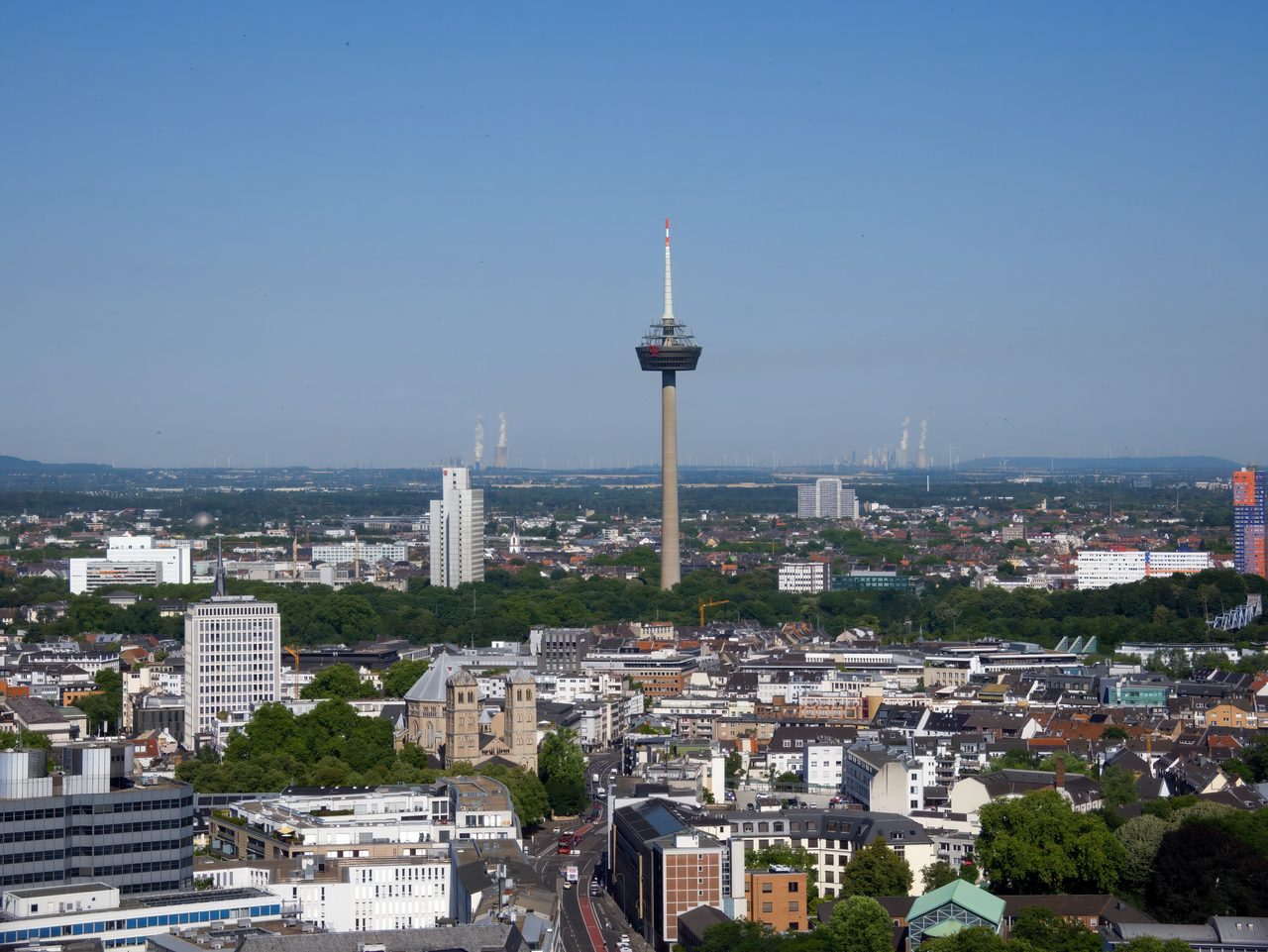
North Rhine Westphalia · 26 Places · Best May, June, September, October
North Rhine Westphalia
North Rhine-Westphalia (Nordrhein-Westfalen) is Germany's most populous state, home to vibrant cities like Cologne, Düsseldorf, and Dortmund. The region blends industrial heritage with world-class museums, Gothic cathedrals, baroque palaces, and sweeping natural landscapes from the Eifel hills to the Sauerland highlands.
North Rhine-Westphalia is Germany's powerhouse state, encompassing the Rhine-Ruhr metropolitan area — one of the largest urban agglomerations in Europe. It boasts five UNESCO World Heritage Sites, more than 40 Michelin-starred restaurants, a legendary carnival season in Cologne, and an extensive network of cycling and hiking trails. The state's industrial past is celebrated in creative repurposings like the Zollverein Coal Mine and Duisburg-Nord Landscape Park, while medieval cities, baroque palaces, and the scenic Eifel and Teutoburg Forest regions offer ample contrast.
The 26 destinations our editors recommend — from iconic landmarks to under-the-radar finds.
Cologne Cathedral (Kölner Dom)
The iconic Gothic cathedral dominating Cologne's skyline is a UNESCO World Heritage Site and Germany's most visited monument. Rising 157 metres, it took over 600 years to complete and houses the Shrine of the Three Kings — one of the most important medieval reliquaries in Christianity.
Zollverein Coal Mine Industrial Complex
A UNESCO World Heritage Site in Essen, Zollverein is a former coal mine transformed into a sprawling cultural campus. The Art Deco Shaft XII complex houses the Ruhr Museum, the Design Museum, studios, and ice-skating rink in winter, making it one of Europe's most imaginative heritage conversions.
Augustusburg Palace, Brühl
One of Germany's finest baroque palaces, Augustusburg was built in the 18th century for the Archbishop of Cologne and is a UNESCO World Heritage Site. The grand staircase by Balthasar Neumann is considered a masterpiece of the period, and the formal gardens are magnificent in spring.
Aachen Cathedral (Aachener Dom)
One of Europe's oldest cathedrals, Aachen Cathedral was built by Charlemagne at the end of the 8th century and served as the coronation site of German kings for 600 years. The UNESCO World Heritage Site features an octagonal Byzantine-style chapel and the stunning Gothic choir added in the 14th century.
Drachenburg Castle
Perched dramatically on the slopes of the Siebengebirge hills above the Rhine near Königswinter, Drachenburg Castle was built in just two years in 1884 as a private mansion and is today one of the region's most photogenic landmarks. Visitors can explore the lavishly decorated interior and enjoy sweeping Rhine Valley views.
Düsseldorf Altstadt (Old Town)
Dubbed 'the longest bar in the world', Düsseldorf's Altstadt is a dense grid of cobbled lanes lined with traditional Altbier brewpubs, art galleries, and the neo-Gothic St Lambertus Church. The lively waterfront promenade along the Rhine connects the Altstadt to the city's striking modern media harbour.
Recommended itineraries
Pick a length, follow the route. Each itinerary balances headline sights with breathing room.
5-Day North Rhine Westphalia Explorer
Day 1Arrive in North Rhine Westphalia, explore city center
Day 2Visit top attractions and museums
Day 3Day trip to nearby highlights
Day 4Local markets and hidden gems
Day 5Final sightseeing, departure
7-Day Classic North Rhine Westphalia
Days 1-2North Rhine Westphalia city highlights
Days 3-4Regional exploration
Days 5-6Cultural immersion and local experiences
Day 7Return and departure
14-Day Ultimate North Rhine Westphalia
Days 1-3North Rhine Westphalia comprehensive city tour
Days 4-6Northern region exploration
Days 7-9Eastern highlights
Days 10-12Southern attractions
Days 13-14Return to North Rhine Westphalia, departure
Where to stay in North Rhine Westphalia
Three tiers, every traveller covered — from cost-conscious to flagship hotels.
Budget $55
Hostels, budget hotels, and guesthouses offer affordable stays without sacrificing experience.
Mid-range $130
Boutique hotels and well-located accommodations provide comfort and convenience at reasonable prices.
Luxury $320
World-class resorts and premium hotels deliver unforgettable experiences.
Excelsior Hotel Ernst
Cologne Cathedral District · $$$$
One of Germany's most celebrated luxury hotels, Excelsior Hotel Ernst stands directly opposite Cologne Cathedral and has welcomed royalty, artists, and world leaders since 1863. The hotel's 142 rooms blend classic elegance with modern comforts, and its Hanse Stube restaurant is a Cologne institution.
An iconic Düsseldorf grand hotel offering 85 individually designed rooms and suites with spectacular city and Rhine views. The Breidenbacher Hof pairs period architecture with contemporary interiors, an acclaimed spa, and its signature Duke restaurant.
A stunning glass tower rising directly beside the Rhine opposite the Cathedral, the Hyatt Regency Cologne offers 306 modern rooms with breathtaking river and cathedral views. Its Glashaus restaurant and Colony bar are among the city's finest dining options.
A sophisticated luxury hotel on the Rhine waterfront in Düsseldorf, blending Japanese service philosophy with European elegance. The hotel's 395 rooms offer panoramic Rhine views, and its benkay restaurant serves authentic Japanese cuisine.
Cafés, neighbourhood gems, and tasting menus worth the table reservation.
Brauhaus Früh am Dom
German/Kölsch · $$
One of Cologne's most famous brewpubs, Früh am Dom sits opposite the Cathedral and has been serving its own Kölsch beer and hearty Rhineland cuisine since 1904. The atmosphere is convivial and quintessentially Cologne — Köbes (waiters) continuously top up your Kölsch without being asked.
Brauhaus Sion
German/Kölsch · $$
A beloved Cologne institution serving home-brewed Kölsch and classic Rhineland dishes in a historic building near the Cathedral since 1318. The Sion brewery delivers an authentic locals-and-tourists experience in a lively, traditional setting.
Im Füchschen
German/Altbier · $$
Dating from 1848, Im Füchschen is Düsseldorf's most celebrated Altbier brewpub, producing its own dark, slightly bitter Altbier in-house. The long communal tables, bustling service, and traditional Rheinish dishes like Sauerbraten create an unforgettable German pub experience.
Zum Uerige
German/Altbier · $$
The most famous of Düsseldorf's Altbier breweries, Zum Uerige has been brewing its distinctive dark ale since 1862. The maze of interconnected rooms, the rapid-fire service of fresh Altbier, and the hearty snacks create one of the most authentic German pub experiences in NRW.
La Vision (Wasserturm Hotel)
French/Modern European · $$$$
Perched atop Cologne's iconic 1872 water tower hotel, La Vision offers contemporary French cuisine with spectacular 360-degree city views. The restaurant holds a Michelin star and is consistently ranked among the finest dining experiences in NRW.
Nagaya
Japanese/Modern European · $$$$
Düsseldorf's Michelin-starred Japanese restaurant from chef Yoshizumi Nagaya, blending Japanese culinary philosophy with European ingredients in a refined, minimalist setting. Serves exceptional omakase and à la carte menus using the finest seasonal produce.
North Rhine-Westphalia has one of the densest and most efficient public transport networks in Europe. The Rhine-Ruhr S-Bahn and regional trains connect all major cities within 30–90 minutes, while trams, buses, and U-Bahns serve city centres. Cycling infrastructure is excellent, particularly in Münster and along the Rhine and Ruhr cycling routes.
Regional Train (RE/RB)
Frequent Deutsche Bahn regional services connect Cologne, Düsseldorf, Dortmund, Essen, Münster, Aachen, and all major cities. Most journeys under 90 minutes.
Cost: €5–€22 depending on distance
S-Bahn (Rhine-Ruhr)
Urban rapid transit rail connecting the Rhine-Ruhr conurbation, including lines between Cologne, Düsseldorf, Bochum, and Dortmund.
Cost: €3.20–€8 (zone-based)
U-Bahn/Stadtbahn
Underground and surface metro rail in Cologne and Düsseldorf city centres.
Cost: €3.20 single ticket
Tram (Straßenbahn)
Extensive tram networks in Cologne, Düsseldorf, Dortmund, Bochum, and Bielefeld serve all major neighbourhoods.
Cost: €3.20 single; day pass €8
Bus
Comprehensive city and regional bus networks fill gaps between rail lines. Particularly important in smaller towns and rural Sauerland/Eifel areas.
Cost: €3.20 single
Cycling
14,000 km of dedicated cycle paths across NRW; bike hire (NextBike, Lime, Call-a-Bike) available in all major cities. Münster is one of Europe's most cycle-friendly cities.
Cost: €10–€20/day hire; free Nextbike with transit app in many cities
ICE/IC High-Speed Train
Cologne and Düsseldorf are major ICE hubs connecting NRW to Frankfurt (1h15), Berlin (4h15), Paris (2h20), Brussels (1h45), and Amsterdam (2h30).
Cost: €29–€100+ depending on route and advance booking
Budget breakdown
Daily spend by tier in EUR, broken out by category.
Category
Budget
Mid-range
Luxury
Accommodation
$25
$80
$200
Food (per day)
$15
$30
$80
Transportation
$8
$12
$25
Activities
$7
$18
$40
Daily total
$55
$130
$320
Best time to visit North Rhine Westphalia
Weather through the year in North Rhine Westphalia
Best timeShoulderWorth avoiding
Average daytime temperature in °C. Figures are for North Rhine Westphalia.
Essential travel tips
Buy a NRW-Ticket for unlimited regional travel for groups
Many museums in NRW offer free entry on the first Sunday of the month
Cologne's Kölsch beer is served in small 200ml glasses — a cultural ritual
Book accommodation early during Cologne Carnival (February/March)
Hidden gems
Off-the-beaten-path corners most travellers miss.
Deutzer Rhine Bank (opposite Cathedral) for the classic Cologne skyline shot
Zollverein winding tower observation deck for Ruhr panorama
Drachenfels ruin above Drachenburg for Rhine Valley panorama
Paffgen Brauerei in Cologne's Friesenstraße
locals love it, few tourists
Carlsplatz daily market in Düsseldorf
where local chefs shop
Rüttenscheider Straße in Essen
best neighbourhood café and restaurant strip in the Ruhr
Skip: Cologne's tourist trap restaurants near the Cathedral
Do: walk 3 minutes to Zum Treppchen on Frankenwerft
Skip: Museum cafeterias
Do: Carlsplatz Market in Düsseldorf for a real food experience
Deutzer Rhine Bank (Cologne) for Cathedral sunrise reflection
Drachenfels ruin above Königswinter for Rhine valley sunrise
Hohenzollern Bridge (Cologne) looking toward Cathedral at sunset
Rhine Promenade Düsseldorf looking west across the river
Drachenfels hilltop for evening Rhine valley panorama
Safety information
INFO
North Rhine-Westphalia is a very safe region — violent crime rates are low and the rule of law is strictly enforced
INFO
Pickpocketing and bag-snatching can occur at Cologne Cathedral, busy Christmas markets, and crowded train stations — keep valuables in a front pocket or crossbody bag
INFO
Never leave bags unattended in cafés, restaurants, or train carriages — even briefly
INFO
Use only licensed, metered taxis or verified ride-hailing apps (FreeNow, Uber) — avoid unmarked vehicles offering rides
INFO
At night, stick to well-lit streets in city centres; areas around some main train stations (Cologne Hbf, Dortmund Hbf) can attract petty crime after midnight
INFO
Purchase a valid public transport ticket before boarding — fare evasion inspections are frequent and fines are €60 per incident
INFO
Be aware of your surroundings during Cologne Carnival (February/March) — the large crowds create opportunistic pickpocketing risks
INFO
Road safety: German traffic stops strictly at pedestrian crossings but cyclists run red lights frequently — look both ways before crossing dedicated cycling lanes
INFO
Tap water is completely safe to drink throughout NRW — no need to purchase bottled water
INFO
Emergency services are excellent throughout NRW — dial 112 for police, fire, and ambulance (this number works from any mobile including locked screens)
INFO
In case of medical emergency, Germany's healthcare system is world-class — EU citizens should carry their EHIC card; non-EU visitors need travel insurance
INFO
Avoid leaving items visible in parked rental cars — break-ins at tourist car parks (e.g. near Externsteine, forest car parks) do occur
INFO
During severe winter weather (ice, heavy snow on Sauerland or Eifel roads), check local road conditions before driving into highland areas
INFO
Cologne's Rhine riverbank can flood during heavy rain — observe warning signs and stay off the Rheingarten during red alerts
INFO
Most demonstrations and political marches in NRW are peaceful; if you encounter a large protest, simply step aside or use an alternate route
Frequently asked questions
Is North Rhine Westphalia safe to visit in 2026?
North Rhine-Westphalia is one of the safest regions in Germany and Europe, with low violent crime rates and an excellent emergency services infrastructure. Standard city-travel precautions — secure your valuables, use licensed transport, and stay alert in busy tourist areas — are all that's required for a safe visit. Emergency services: police at 110, medical at 112.
What is the best time to visit North Rhine Westphalia?
The best time to visit North Rhine Westphalia is May, June, September, October. North Rhine-Westphalia has a temperate maritime climate with mild, often wet winters and warm summers. Rainfall is distributed fairly evenly throughout the year, with slightly drier summers and wetter
Do I need a visa to visit North Rhine Westphalia?
Entry requirements follow Germany/Schengen rules. EU citizens need only a national ID. Non-EU visitors from most Western countries may stay up to 90 days without a visa. Check German embassy requirements for longer stays. Requirements vary by nationality, so check with your nearest embassy or the official immigration website before traveling.
What currency is used in North Rhine Westphalia?
The currency in North Rhine Westphalia is the Euro (EUR). ATMs are widely available in cities and tourist areas. Credit cards are accepted at most hotels and restaurants, but carry cash for markets and smaller establishments.
What language is spoken in North Rhine Westphalia?
The main language(s) spoken in North Rhine Westphalia: German. In tourist areas, English is generally understood. Learning a few basic phrases in the local language is appreciated by locals.
What are the top attractions in North Rhine Westphalia?
The top attractions in North Rhine Westphalia include Cologne Cathedral (Kölner Dom), Zollverein Coal Mine Industrial Complex, Augustusburg Palace, Brühl, Aachen Cathedral (Aachener Dom), and Drachenburg Castle. Each offers a unique experience, from historic landmarks to natural wonders.