Kagoshima · 20 Places · Best March–May and October–November
Kagoshima
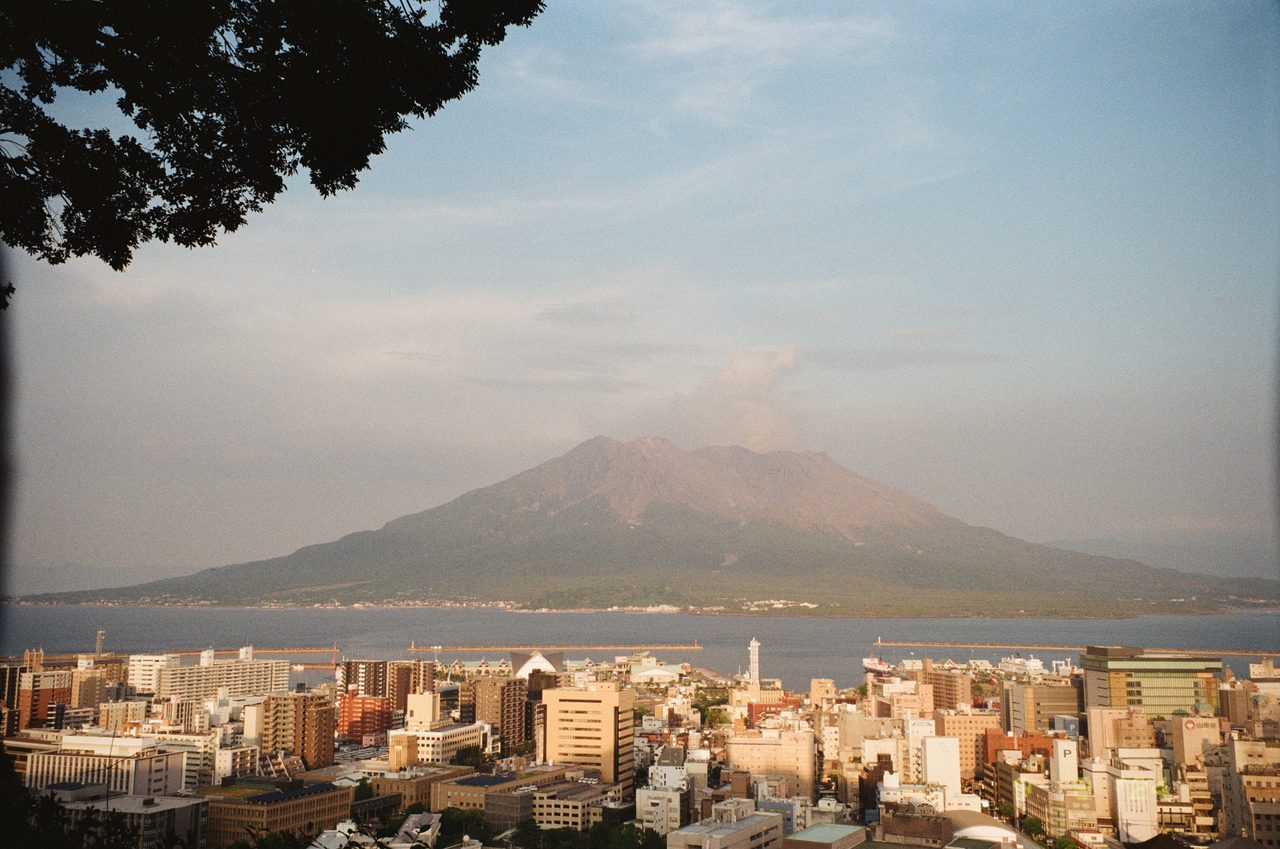
Kagoshima is Japan's southernmost major city on Kyushu island, dramatically framed by the active Sakurajima volcano rising from Kinko Bay. Known as the 'Naples of the East', it blends volcanic landscapes, samurai heritage from the powerful Satsuma domain, world-class onsen, and a distinctive food culture built on kurobuta pork, sweet-potato shochu, and fresh Kagoshima Bay seafood.
Kagoshima prefecture stretches from the southern tip of Kyushu down through the Osumi and Satsuma peninsulas to the island chains of Amami, Tokara, and beyond. The prefectural capital, Kagoshima City, sits on Kinko Bay with the perpetually smoking Sakurajima volcano as its signature backdrop. The region was once ruled by the Shimadzu clan for seven centuries — the longest continuous domain in Japanese history — and its samurai spirit still permeates local culture. Nearby Ibusuki offers unique sand-bath hot springs, Yakushima Island (a UNESCO World Heritage Site) harbours ancient cedar forests, and the Kirishima mountain range delivers superb hiking and onsen. The subtropical climate keeps winters mild and summers hot, making Kagoshima a year-round destination.
The 20 destinations our editors recommend — from iconic landmarks to under-the-radar finds.
Sakurajima Volcano
Sakurajima is an active stratovolcano that sits in Kagoshima Bay directly across from the city, and it vents smoke and ash on most days, sometimes dusting the city itself. It used to be a separate island until a 1914 eruption sent enough lava across the strait to connect it to the Osumi Peninsula. Visitors take the short ferry across from the city and can drive or cycle the coastal road to observation points, but the summit craters themselves are off-limits due to ongoing activity.
Sengan-en (Iso Garden)
Sengan-en is a Edo-period garden built by the Shimazu clan, the feudal lords who ruled the Satsuma domain, and it uses Sakurajima across the bay as 'borrowed scenery' so the volcano appears to be part of the garden itself. The grounds include the former Shimazu residence, a bamboo grove, and remnants of Japan's early industrial works tied to the family's 19th-century modernization efforts. It's a walk-through garden rather than a single building, so plan on covering some ground among the paths and shoreline.
Ibusuki Sand Baths (Sunamushi Onsen)
In Ibusuki, geothermally heated sand near the beach is used for sunamushi, where attendants bury you up to the neck in warm, damp black sand instead of soaking in water. The heat comes from hot springs beneath the beach, so the sand itself gets noticeably warm rather than just being sun-warmed. Sessions run for roughly 10-15 minutes of burial, after which you rinse off and can use the indoor baths at the facility.
Chiran Peace Museum
This museum in Chiran documents the kamikaze pilots who flew from the nearby wartime airfield in the closing months of World War II, many of them teenagers. It displays personal letters, photographs, and belongings of the pilots alongside preserved aircraft, focusing on individual stories rather than a broad war narrative. The tone is somber and the material is emotionally heavy, aimed at conveying the human cost behind the missions.
Kagoshima City Aquarium (io World)
Io World sits on Kagoshima's waterfront and centers on marine life from the Kuroshio Current and the waters around Sakurajima and the bay, including a large tank meant to recreate the local Kagoshima Bay ecosystem. It covers whale sharks and other regional species rather than a generic global aquarium lineup. The building's harborside location means views of Sakurajima are visible from parts of the aquarium and surrounding promenade.
Shiroyama Observation Deck
Shiroyama is a hill overlooking central Kagoshima city, and its observation deck gives a wide view over the city rooftops to Sakurajima and the bay beyond. It's also the site of the last stand of Saigo Takamori's forces in the 1877 Satsuma Rebellion, and the surrounding wooded park has related historical markers and a cave where Saigo is said to have hidden. The deck itself is a simple viewing platform reached by road or a walking trail up the hill.
Recommended itineraries
Pick a length, follow the route. Each itinerary balances headline sights with breathing room.
5-Day Kagoshima Explorer
Day 1Arrive in Kagoshima, explore city center
Day 2Visit top attractions and museums
Day 3Day trip to nearby highlights
Day 4Local markets and hidden gems
Day 5Final sightseeing, departure
7-Day Classic Kagoshima
Days 1-2Kagoshima city highlights
Days 3-4Regional exploration
Days 5-6Cultural immersion and local experiences
Day 7Return and departure
14-Day Ultimate Kagoshima
Days 1-3Kagoshima comprehensive city tour
Days 4-6Northern region exploration
Days 7-9Eastern highlights
Days 10-12Southern attractions
Days 13-14Return to Kagoshima, departure
Where to stay in Kagoshima
Three tiers, every traveller covered — from cost-conscious to flagship hotels.
Budget ¥5,000–7,000 ($33–47)
Hostels, budget hotels, and guesthouses offer affordable stays without sacrificing experience.
Mid-range ¥12,000–20,000 ($80–133)
Boutique hotels and well-located accommodations provide comfort and convenience at reasonable prices.
Luxury ¥40,000–80,000 ($267–533)
World-class resorts and premium hotels deliver unforgettable experiences.
Shiroyama Hotel Kagoshima
Shiroyama, Kagoshima City · ¥25,000–55,000 ($167–367) per night
Cafés, neighbourhood gems, and tasting menus worth the table reservation.
Kumasotei
Satsuma / Japanese · ¥2,800–5,000 ($19–33)
Tenmonkan Mujaki
Japanese desserts · ¥600–1,200 ($4–8)
This is the Tenmonkan shop that put shirokuma shaved ice on the map, serving it since the postwar years in a plain, functional cafe room built for turning over tables of shoppers and students from the surrounding arcade. The kitchen keeps the format simple: shaved ice, condensed milk, and a scattering of fruit and mochi, rather than the elaborate fruit-parfait versions some newer copycats build.
Kagoshima City is compact and navigable by tram, City View Bus, and ferry. Kagoshima Airport (KOJ) is 25 km north of the city centre. The Kyushu Shinkansen connects Kagoshima-Chuo Station to Fukuoka (1 hr 17 min) and Osaka (3 hrs 45 min). Ferries serve Sakurajima (24hr), Yakushima, Amami Oshima, and Okinawa.
Budget breakdown
Daily spend by tier in JPY, broken out by category.
Category
Budget
Mid-range
Luxury
Accommodation
¥3,000–5,000 ($20–33) hostel/guesthouse
¥7,000–14,000 ($47–93) business hotel
¥25,000–60,000 ($167–400) ryokan/luxury hotel
Food (per day)
¥1,500–2,500 ($10–17)
¥3,000–5,000 ($20–33)
¥8,000–15,000 ($53–100)
Transportation
¥500–1,000 ($3–7)
¥1,000–2,000 ($7–13)
¥2,000–5,000 ($13–33)
Activities
¥500–1,500 ($3–10)
¥1,000–3,000 ($7–20)
¥3,000–8,000 ($20–53)
Daily total
¥5,000–7,000 ($33–47)
¥12,000–20,000 ($80–133)
¥40,000–80,000 ($267–533)
Best time to visit Kagoshima
Weather through the year in Japan
Best timeShoulderWorth avoiding
Average daytime temperature in °C. Figures are for Japan.
Spring brings cherry blossoms around Sengan-en; autumn offers comfortable temperatures. Winter is mild but occasionally rainy.
Essential travel tips
Get a Kagoshima City 1-day tram pass (¥600/$4) for unlimited rides on the city tram
The City View Loop Bus (¥190/$1.30 per ride or ¥600/$4 day pass) connects all main sightseeing areas
Ferry to Sakurajima runs every 15 minutes from the Kagoshima Sakurajima Ferry Terminal, 24 hours a day
Book ryokan at Ibusuki at least 2–3 months ahead for weekends
JR Kyushu's Ibusuki-no-Tamatebako sightseeing train runs twice daily between Kagoshima-Chuo and Ibusuki — reserve at least 1 month ahead
Hidden gems
Off-the-beaten-path corners most travellers miss.
Safety information
INFO
Download the NHK World or Japan Meteorological Agency app for Sakurajima eruption alerts
INFO
Carry a small N95 mask for ashfall days near Sakurajima
INFO
Check typhoon forecasts before booking inter-island ferries
INFO
Keep your passport copy separate from the original
INFO
The prefecture issues evacuation zone maps for Sakurajima — download them at Kagoshima City Hall (099-224-1111)
Frequently asked questions
Is Kagoshima safe to visit in 2026?
Kagoshima is one of Japan's safest destinations for international travellers. Violent crime is extremely rare. The primary hazard unique to Kagoshima is Sakurajima volcano — an active stratovolcano that erupts frequently. Travellers should monitor eruption alerts and stay within designated safe zone
What is the best time to visit Kagoshima?
The best time to visit Kagoshima is March–May and October–November. Kagoshima has a humid subtropical climate (Köppen Cfa) — Japan's warmest major city outside Okinawa. Summers are hot and humid (June–September), winters are mild with occasional frost. The city receiv
Do I need a visa to visit Kagoshima?
Visitors from most Western countries enjoy visa-free entry to Japan for 90 days. Check Japan Ministry of Foreign Affairs (www.mofa.go.jp) for your nationality. Passport must be valid for the duration of stay. Requirements vary by nationality, so check with your nearest embassy or the official immigration website before traveling.
What currency is used in Kagoshima?
The currency in Kagoshima is the Japanese Yen (JPY). ATMs are widely available in cities and tourist areas. Credit cards are accepted at most hotels and restaurants, but carry cash for markets and smaller establishments.
What language is spoken in Kagoshima?
The main language(s) spoken in Kagoshima: Japanese. In tourist areas, English is generally understood. Learning a few basic phrases in the local language is appreciated by locals.
What are the top attractions in Kagoshima?
The top attractions in Kagoshima include Sakurajima Volcano, Sengan-en (Iso Garden), Ibusuki Sand Baths (Sunamushi Onsen), Chiran Peace Museum, and Kagoshima City Aquarium (io World). Each offers a unique experience, from historic landmarks to natural wonders.