Miyagi Prefecture occupies the heart of Japan's Tohoku region, anchored by Sendai, the largest city in northeastern Japan. The prefecture is famed for Matsushima Bay, ranked among Japan's three most scenic views, where more than 260 pine-clad islets emerge from calm waters. Sendai itself thrives as a vibrant metropolis known for its tree-lined boulevards, the legacy of feudal lord Date Masamune, and a food scene anchored by tender beef tongue, fresh oysters, and sea urchin from the Pacific coast.
Miyagi stretches from the Kitakami and Abukuma mountains inland to a rugged coastline that meets the Pacific Ocean. The Sendai metropolitan area accounts for the majority of the prefecture's 2.3 million residents and serves as the cultural, commercial, and transportation hub of the Tohoku region. Outside Sendai, hot-spring villages such as Naruko Onsen and Akiu Onsen offer traditional ryokan culture, while Matsushima's sea lanes are navigated by sightseeing boats. The prefecture suffered catastrophic damage in the March 2011 Great East Japan Earthquake and tsunami, and its resilient recovery is an important part of contemporary Miyagi identity.
The 21 destinations our editors recommend — from iconic landmarks to under-the-radar finds.
Matsushima Bay
Matsushima Bay is a stretch of coastline scattered with roughly 260 small pine-covered islands, long ranked among Japan's most celebrated scenic views. Most visitors take it in from the shore promenade near the Fukuura or Godaido area, then board one of the sightseeing boats that loop between the islands. The islands themselves are mostly uninhabited outcrops of wind-carved rock, so the appeal is the wide seascape rather than any single structure.
Zuiganji Temple
Zuiganji is the principal Zen temple of the Date clan, rebuilt in the early 1600s under Date Masamune as the family's spiritual seat overlooking Matsushima Bay. The approach cuts through a cedar-lined path past rows of hand-carved caves once used by monks for meditation, leading to a main hall with elaborately painted sliding doors. It's one of the more architecturally significant Zen temple complexes in the Tohoku region.
Aoba Castle Ruins (Sendai Castle)
Aoba Castle was Date Masamune's mountaintop stronghold overlooking Sendai; the wooden structures were lost to fire and wartime destruction, so what remains today are stone foundation walls and open ground rather than a rebuilt keep. A statue of Masamune on horseback stands at the site, and the elevated position gives a wide view over the city below. The on-site museum uses models and artifacts to reconstruct what the castle looked like in its original form.
Zuihoden Mausoleum
Zuihoden is the mausoleum of Date Masamune, rebuilt after wartime destruction to match its original ornate Momoyama-period style, with dense gilded and lacquered decoration unusual for the region's more austere temple architecture. The complex also includes the adjacent mausoleums of two later Date lords, reached along a stone stairway through cedar trees. It sits on a wooded hillside separate from the main castle grounds.
Osaki Hachimangu Shrine
Osaki Hachimangu is a Shinto shrine rebuilt by Date Masamune in the early 1600s and designated a National Treasure for its main hall, which uses black lacquer with gold and colored decoration in a style distinct from the temples associated with the same clan elsewhere in Sendai. It functions as an active shrine for the city, with a torii gate and stone approach leading up to the honden. The building's dark, lacquered exterior sets it apart visually from Zuihoden's brighter gilding.
Nikka Whisky Miyagikyo Distillery
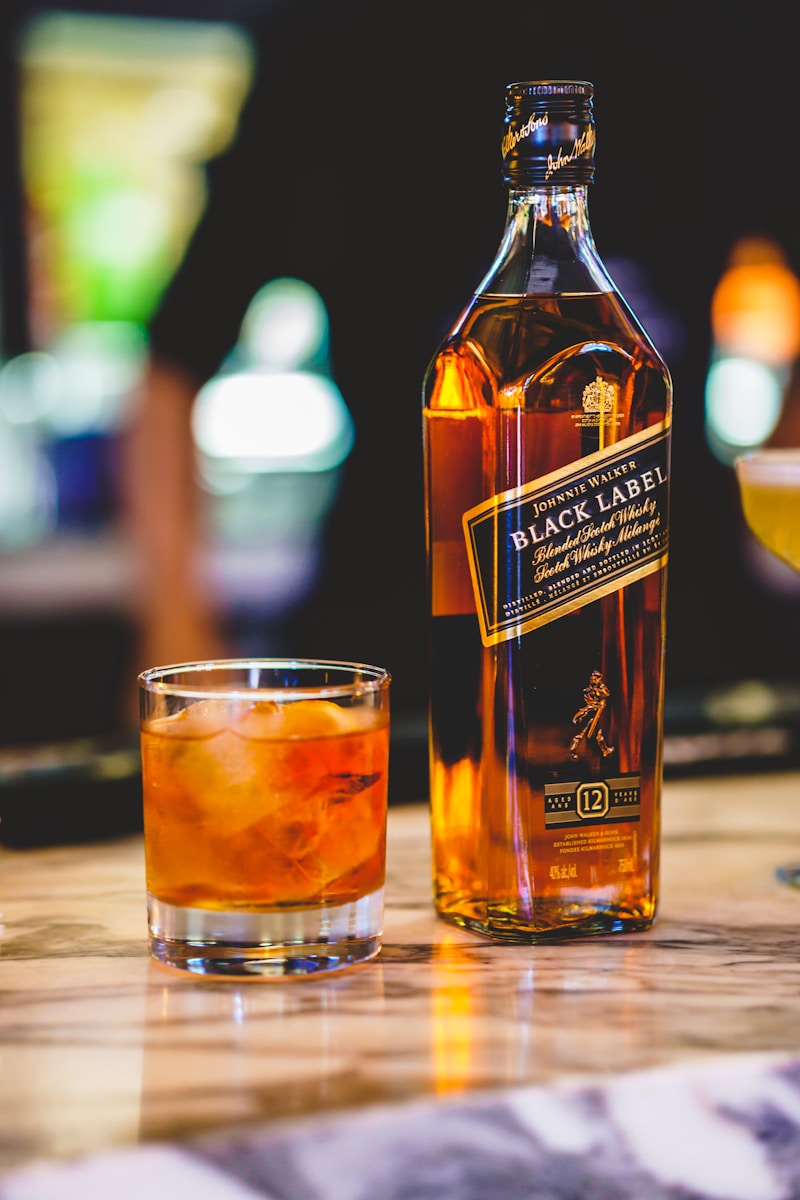
Miyagikyo is one of Nikka's two Japanese distilleries, built in the 1960s at the confluence of two rivers specifically for the water quality, and it produces a lighter, fruitier malt whisky than Nikka's other site at Yoichi. The visit covers the production buildings, including pot stills, and ends with a tasting of several of the house's whiskies. The surrounding valley setting is part of why the site was chosen, and the walk between buildings takes that in.
Recommended itineraries
Pick a length, follow the route. Each itinerary balances headline sights with breathing room.
5-Day Miyagi Explorer
Day 1Arrive in Miyagi, explore city center
Day 2Visit top attractions and museums
Day 3Day trip to nearby highlights
Day 4Local markets and hidden gems
Day 5Final sightseeing, departure
7-Day Classic Miyagi
Days 1-2Miyagi city highlights
Days 3-4Regional exploration
Days 5-6Cultural immersion and local experiences
Day 7Return and departure
14-Day Ultimate Miyagi
Days 1-3Miyagi comprehensive city tour
Days 4-6Northern region exploration
Days 7-9Eastern highlights
Days 10-12Southern attractions
Days 13-14Return to Miyagi, departure
Where to stay in Miyagi
Three tiers, every traveller covered — from cost-conscious to flagship hotels.
Budget ¥7,300–¥15,000 (~$48–$99)
Hostels, budget hotels, and guesthouses offer affordable stays without sacrificing experience.
Mid-range ¥19,500–¥41,000 (~$128–$270)
Boutique hotels and well-located accommodations provide comfort and convenience at reasonable prices.
Luxury ¥50,000–¥140,000 (~$330–$923)
World-class resorts and premium hotels deliver unforgettable experiences.
Westin Sendai
Central Sendai (Ichibancho) · ¥28,000–¥70,000 (~$185–$460) per night
Sendai is the gateway to Miyagi Prefecture, connected to Tokyo by Tohoku Shinkansen (bullet train) in about 90 minutes. Within the prefecture, JR local lines, highway buses, and rental cars serve most destinations. Matsushima is reachable from Sendai in 40 minutes by train.
Budget breakdown
Daily spend by tier in JPY, broken out by category.
Category
Budget
Mid-range
Luxury
Accommodation
¥4,000–¥8,000 (~$26–$52)
¥12,000–¥25,000 (~$79–$165)
¥30,000–¥80,000 (~$198–$527)
Food (per day)
¥2,000–¥3,500 (~$13–$23)
¥4,000–¥8,000 (~$26–$52)
¥10,000–¥25,000 (~$66–$165)
Transportation
¥800–¥1,500 (~$5–$10)
¥1,500–¥3,000 (~$10–$20)
¥5,000–¥15,000 (~$33–$99)
Activities
¥500–¥2,000 (~$3–$13)
¥2,000–¥5,000 (~$13–$33)
¥5,000–¥20,000 (~$33–$132)
Daily total
¥7,300–¥15,000 (~$48–$99)
¥19,500–¥41,000 (~$128–$270)
¥50,000–¥140,000 (~$330–$923)
Best time to visit Miyagi
Weather through the year in Japan
Best timeShoulderWorth avoiding
Average daytime temperature in °C. Figures are for Japan.
April–May (cherry blossom season) and October–November (autumn foliage)
Matsushima and Sendai are pleasant year-round. Naruko Gorge's autumn color peaks in late October. The Sendai Tanabata Festival on August 6–8 draws over 2 million visitors.
Essential travel tips
Purchase a IC card (Suica or Icoca) at Sendai Station for seamless train and bus travel.
The Matsushima Day Trip Pass (¥2,850/~$19) covers round-trip rail from Sendai and a boat cruise.
Most gyutan restaurants open for lunch from 11:00; queues form early — arrive before 11:30 to avoid a wait.
ATMs at 7-Eleven and Japan Post offices reliably accept foreign cards.
Hidden gems
Off-the-beaten-path corners most travellers miss.
Kinkazan Island
Sacred island accessible by ferry from Ishinomaki, home to wild deer and monkeys, a golden mountain shrine, and some of Tohoku's finest sea views.
Naruko Onsen Gorge
A dramatic 100-meter-deep gorge whose maple trees blaze red in October, best viewed from the suspension bridge at the gorge rim.
Osaki Hachimangu Shrine
Sendai's 400-year-old national treasure shrine, built in 1607 by Date Masamune, featuring rare black lacquer and gold-leaf decorations.
Safety information
INFO
Register with the Japan Tourism Agency's 'Safety Tips' app for earthquake and typhoon alerts.
INFO
Carry a photocopy of your passport when venturing outside Sendai.
INFO
Japan's tap water is safe to drink throughout Miyagi.
Miyagi and Sendai rank among Japan's safest destinations. Violent crime targeting tourists is exceptionally rare. The main safety considerations are natural hazard awareness (earthquakes, tsunamis along the coast, typhoons in summer/autumn) and standard urban caution in Sendai's nightlife districts
What is the best time to visit Miyagi?
The best time to visit Miyagi is April–May. Miyagi experiences a humid temperate climate. Sendai city is more moderate than inland mountain areas; winters are cold but less severe than further north in Tohoku. The Pacific coast moderates temper
What currency is used in Miyagi?
The currency in Miyagi is the Japanese Yen (JPY). ATMs are widely available in cities and tourist areas. Credit cards are accepted at most hotels and restaurants, but carry cash for markets and smaller establishments.
What language is spoken in Miyagi?
The main language(s) spoken in Miyagi: Japanese. In tourist areas, English is generally understood. Learning a few basic phrases in the local language is appreciated by locals.
What are the top attractions in Miyagi?
The top attractions in Miyagi include Matsushima Bay, Zuiganji Temple, Aoba Castle Ruins (Sendai Castle), Zuihoden Mausoleum, and Osaki Hachimangu Shrine. Each offers a unique experience, from historic landmarks to natural wonders.