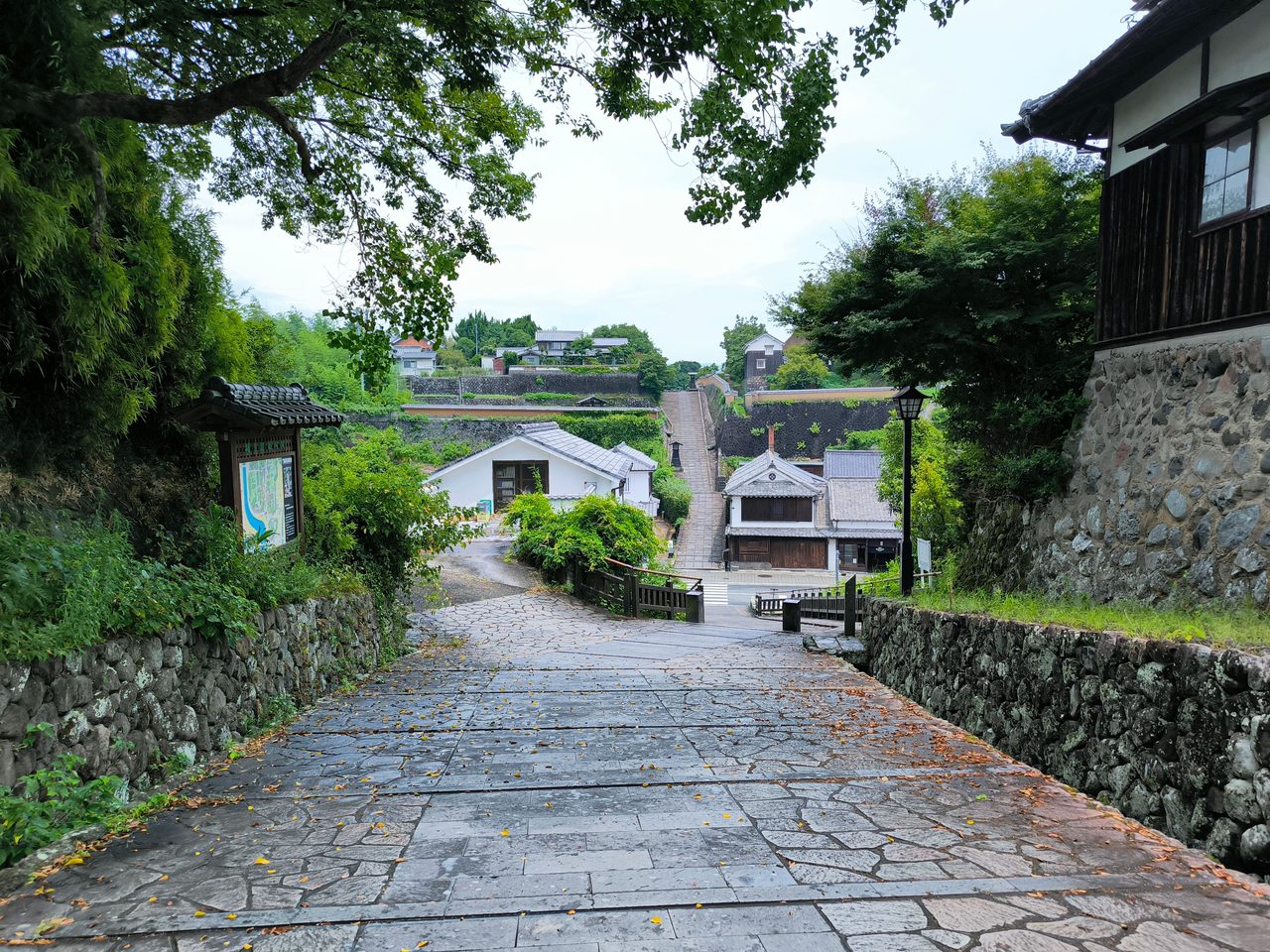
Oita Prefecture, located on the northeastern coast of Kyushu island, is Japan's undisputed hot-spring capital, boasting more onsen sources and volume than anywhere else in the country. The region is home to Beppu, one of Asia's most famous spa towns with its dramatic steam vents, and Yufuin, a sophisticated mountain onsen resort framed by Mount Yufu. Beyond the thermal waters, Oita offers ancient Buddhist cliff carvings at Usuki, wild monkeys bathing in hot springs at Takasakiyama, dramatic gorges at Takachiho on its border, and some of Kyushu's finest local cuisine.
Oita Prefecture stretches from the Bungo Channel coastline to the volcanic highlands of Aso-Kuju National Park. Its geography of hot-spring-heated valleys, volcanic peaks, and rugged coastline creates a richly varied destination. Beppu's 'eight hells' geothermal pools draw visitors from across Asia, while Yufuin's artisan galleries and ryokan inns attract couples seeking refined tranquility. The prefecture's food scene centers on kabosu citrus, Bungo beef, fugu pufferfish from Usuki, and fresh seafood from the Bungo Straits.
The 12 destinations our editors recommend — from iconic landmarks to under-the-radar finds.
Beppu Jigoku Meguri (Hell Tour)
This is a circuit of separately-owned hot spring sites around Beppu's Kannawa district, each a mineral pool too hot to bathe in and instead kept fenced off for viewing. The eight main 'hells' are spread across two clusters, so most visitors pick a handful rather than all of them, walking or busing between sites like the cobalt-blue Umi Jigoku and the deep red Chinoike Jigoku. It's less a single attraction than a themed collection of geothermal curiosities, some with small onsen-egg stands or greenhouses attached.
Yufuin Onsen Village
Yufuin sits in a valley below Mount Yufu and has developed around Lake Kinrinko and the Yunotsubo Kaido shopping street rather than around a dense cluster of bathing facilities like Beppu. It's known for boutique ryokan, small craft and food shops, and a slower pace aimed more at strolling than at hell-viewing tourism. Many ryokan offer day-use access to their baths for non-guests, which is how most day-trippers experience the onsen here.
Usuki Stone Buddhas (National Treasure)
This is a cluster of Buddhist images carved directly into a volcanic tuff cliff face in Usuki, dating mainly from the late Heian and Kamakura periods. They form the largest and best-preserved group of stone Buddhas in Japan, which is why the site holds National Treasure status. The figures are arranged in several groupings up a hillside path, including a large seated Dainichi Nyorai whose head had famously fallen off before restoration.
Takasakiyama Natural Zoo
Takasakiyama is a forested mountain overlooking Beppu Bay that is home to free-ranging troops of wild Japanese macaques, managed and fed by park staff rather than caged. Visitors watch the monkeys move, groom, and interact at close range within a designated feeding area, with different troops rotating through depending on the season and monkey politics. It's a working wildlife management site as much as a tourist attraction, and researchers have used it for decades to study macaque social structure.
Kuju Flower Park
Set in the highlands near Mount Kuju, this park plants large sloped fields with seasonal flowers rather than a single formal garden, so the display changes character through the year. The elevation keeps it noticeably cooler than Beppu or Usuki down at sea level, and the surrounding volcanic peaks form the backdrop rather than any built scenery. It's a stop built around the flowers themselves and the mountain views, not around historical or cultural content.
Umi Jigoku (Sea Hell)
Umi Jigoku is the best known of Beppu's hot spring viewing sites, named for its striking cobalt-blue color, which comes from dissolved iron sulfate rather than any dye. It's one stop within the wider Jigoku Meguri circuit but draws enough visitors on its own to function as a standalone attraction, with a greenhouse on the grounds growing Amazon giant water lilies fed by the site's geothermal warmth. The pool itself is fenced and viewed from walkways, not for bathing.
Recommended itineraries
Pick a length, follow the route. Each itinerary balances headline sights with breathing room.
5-Day Oita Explorer
Day 1Arrive in Oita, explore city center
Day 2Visit top attractions and museums
Day 3Day trip to nearby highlights
Day 4Local markets and hidden gems
Day 5Final sightseeing, departure
7-Day Classic Oita
Days 1-2Oita city highlights
Days 3-4Regional exploration
Days 5-6Cultural immersion and local experiences
Day 7Return and departure
14-Day Ultimate Oita
Days 1-3Oita comprehensive city tour
Days 4-6Northern region exploration
Days 7-9Eastern highlights
Days 10-12Southern attractions
Days 13-14Return to Oita, departure
Where to stay in Oita
Three tiers, every traveller covered — from cost-conscious to flagship hotels.
Budget ¥6,500–¥13,500 (~$43–$90 USD)
Hostels, budget hotels, and guesthouses offer affordable stays without sacrificing experience.
Mid-range ¥20,000–¥42,000 (~$133–$280 USD)
Boutique hotels and well-located accommodations provide comfort and convenience at reasonable prices.
Luxury ¥50,000–¥140,000 (~$333–$930 USD)
World-class resorts and premium hotels deliver unforgettable experiences.
Cafés, neighbourhood gems, and tasting menus worth the table reservation.
Toyotsune
Toriten · ¥1,200–¥2,800 (~$8–$19 USD)
A no-frills toriten specialist in Oita City, the dish this region is credited with inventing: chicken pieces battered and deep-fried like tempura rather than sauced like standard karaage. The counter-and-table setup is functional rather than decorative, built for fast turnover of workers and regulars on their lunch break.
Wakana Fugu Restaurant
Fugu · ¥8,000–¥18,000 (~$53–$120 USD)
Uoichi Karaage
Nakatsu Karaage · ¥500–¥1,500 (~$3–$10 USD)
A karaage shop working in the Nakatsu style, a soy-and-garlic-marinated fried chicken tradition from northern Oita Prefecture that predates Oita City's own toriten as the region's fried chicken claim to fame. It's built around takeout counters and simple seating rather than a sit-down dining room.
A jigoku-mushi (hell-steaming) restaurant in Kannawa, Beppu's onsen district, where food is cooked over geothermal steam vented straight from the ground rather than on a stove. You select raw ingredients — vegetables, egg, seafood — and steam them yourself in communal steam chambers, so the cooking is entirely about the ingredient and the mineral heat, with no sauce or technique masking it.
Japanese Sweets / Roll Cakes · ¥1,500–¥3,000 (~$10–$20 USD)
The roll cake shop that put Yufuin sweets on the map, a plain sponge-and-cream roll sold sliced or whole, made fresh in small batches through the day. The shop itself is a small storefront geared toward walk-up sales rather than a cafe sit-down.
Oita is served by JR Nippo Main Line and Hohi Main Line connecting Oita City, Beppu, and Yufuin. Highway buses connect major sightseeing areas. Renting a car offers the most flexibility for rural temples and gorges.
Budget breakdown
Daily spend by tier in JPY, broken out by category.
Category
Budget
Mid-range
Luxury
Accommodation
¥3,000–¥6,000 (~$20–$40 USD)
¥12,000–¥25,000 (~$80–$165 USD)
¥30,000–¥80,000 (~$200–$530 USD)
Food (per day)
¥2,000–¥3,500 (~$13–$23 USD)
¥4,000–¥8,000 (~$27–$53 USD)
¥10,000–¥25,000 (~$67–$165 USD)
Transportation
¥1,000–¥2,000 (~$7–$13 USD)
¥2,000–¥4,000 (~$13–$27 USD)
¥5,000–¥15,000 (~$33–$100 USD)
Activities
¥500–¥2,000 (~$3–$13 USD)
¥2,000–¥5,000 (~$13–$33 USD)
¥5,000–¥20,000 (~$33–$133 USD)
Daily total
¥6,500–¥13,500 (~$43–$90 USD)
¥20,000–¥42,000 (~$133–$280 USD)
¥50,000–¥140,000 (~$333–$930 USD)
Best time to visit Oita
Weather through the year in Japan
Best timeShoulderWorth avoiding
Average daytime temperature in °C. Figures are for Japan.
March–May (spring) and October–November (autumn)
Onsen tourism is year-round; winter visits (Dec–Feb) offer atmospheric steam contrast with cold air
Essential travel tips
Purchase an Oita Ichimainishi Free Pass for unlimited bus travel in the Beppu–Yufuin corridor
Onsen etiquette: wash thoroughly before entering pools; tattoos may be prohibited at some baths
IC cards (Suica, ICOCA) work on buses and trains throughout the prefecture
Carry cash — smaller onsen inns and rural restaurants often do not accept cards
Hidden gems
Off-the-beaten-path corners most travellers miss.
Safety information
INFO
Download the Japan Meteorological Agency app for typhoon and earthquake alerts
INFO
Register with your country's embassy if staying more than a week
INFO
Carry earthquake insurance and know your accommodation's evacuation route
INFO
Tap water is safe to drink throughout Oita Prefecture
Frequently asked questions
Is Oita safe to visit in 2026?
Oita Prefecture is one of Japan's safest destinations. Pickpocketing and violent crime are rare. The primary risks are natural: typhoons (July–October), earthquakes, and occasional volcanic activity near Kuju. Hot-spring scalding is a real hazard at unguarded geothermal sites.
What is the best time to visit Oita?
The best time to visit Oita is March–May. Oita Prefecture has a temperate humid subtropical climate. Summers (June–September) are hot, humid, and wet, with typhoon risk from July–October. Winters (December–February) are mild on the coast but
What currency is used in Oita?
The currency in Oita is the Japanese Yen (JPY). ATMs are widely available in cities and tourist areas. Credit cards are accepted at most hotels and restaurants, but carry cash for markets and smaller establishments.
What language is spoken in Oita?
The main language(s) spoken in Oita: Japanese. In tourist areas, English is generally understood. Learning a few basic phrases in the local language is appreciated by locals.
What are the top attractions in Oita?
The top attractions in Oita include Beppu Jigoku Meguri (Hell Tour), Yufuin Onsen Village, Usuki Stone Buddhas (National Treasure), Takasakiyama Natural Zoo, and Kuju Flower Park. Each offers a unique experience, from historic landmarks to natural wonders.