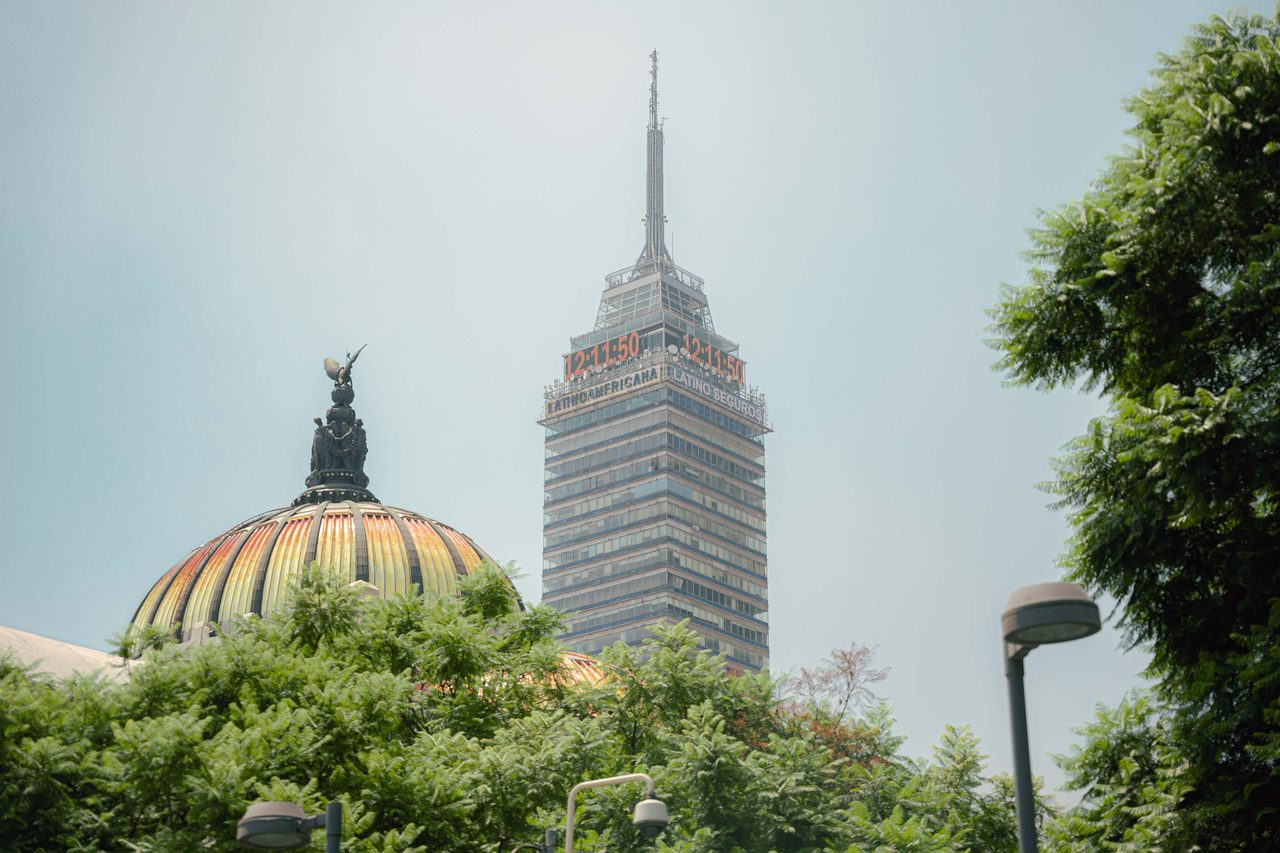
Mexico City · 12 Places · Best March, April, October, November
Mexico City
Mexico City (Ciudad de México, CDMX) is one of the largest and most vibrant metropolises in the world, serving as the political, cultural, and economic heart of Mexico. This ancient city, built on the ruins of the Aztec capital Tenochtitlan, blends pre-Hispanic heritage with colonial architecture and ultramodern neighborhoods. From world-class museums and gourmet restaurants to bustling markets and stunning murals, Mexico City offers an unparalleled urban experience.
Mexico City is a dynamic megalopolis that blends thousands of years of history with state-of-the-art contemporary culture. Home to over 150 world-class museums, the city's neighborhoods each offer distinct personalities — from the colonial grandeur of the Historic Center to the bohemian streets of Coyoacán and the sleek galleries of Polanco. The city's culinary scene has earned global recognition, with dozens of restaurants featuring on the World's 50 Best list.
The 12 destinations our editors recommend — from iconic landmarks to under-the-radar finds.
Zócalo (Plaza de la Constitución)
One of the largest public squares in the world, surrounded by the Metropolitan Cathedral, Palacio Nacional, and city government buildings. The Zócalo has been the political and social center of the city since Aztec times, when it formed part of Tenochtitlan.
Templo Mayor
The main temple of the Aztec capital Tenochtitlan, discovered accidentally in 1978 during utility works. The ruins reveal seven layers of construction, and the adjacent museum houses thousands of artifacts, including the famous Coyolxauhqui stone disc.
Catedral Metropolitana (Metropolitan Cathedral)
Construction began in 1573 and took nearly 250 years to complete. Built on the remains of the Aztec Templo Mayor, the cathedral blends baroque and neoclassical styles and is notably tilting due to the soft lakebed soil beneath the city.
Palacio de Bellas Artes
A white marble cultural center hosting world-class opera, ballet, and concerts. Inside, monumental murals by Diego Rivera, David Alfaro Siqueiros, and José Clemente Orozco adorn the upper levels. The building is famous for slowly sinking into the soft lakebed soil.
Chapultepec Castle (Castillo de Chapultepec)
Perched atop Chapultepec Hill with sweeping views over Paseo de la Reforma. Built in 1785 as a viceregal retreat, it later served as the residence of Emperor Maximilian I and Empress Carlota, and is now the National Museum of History.
Museo Nacional de Antropología (National Museum of Anthropology)
Houses over 600,000 artifacts spanning Mesoamerican civilizations — Olmec, Toltec, Maya, Aztec, Zapotec, and more. Highlights include the monumental Aztec Sun Stone, giant Olmec heads, and a reconstruction of Pakal's tomb.
Recommended itineraries
Pick a length, follow the route. Each itinerary balances headline sights with breathing room.
5-Day Mexico City Explorer
Day 1Arrive in Mexico City, explore city center
Day 2Visit top attractions and museums
Day 3Day trip to nearby highlights
Day 4Local markets and hidden gems
Day 5Final sightseeing, departure
7-Day Classic Mexico City
Days 1-2Mexico City city highlights
Days 3-4Regional exploration
Days 5-6Cultural immersion and local experiences
Day 7Return and departure
14-Day Ultimate Mexico City
Days 1-3Mexico City comprehensive city tour
Days 4-6Northern region exploration
Days 7-9Eastern highlights
Days 10-12Southern attractions
Days 13-14Return to Mexico City, departure
Where to stay in Mexico City
Three tiers, every traveller covered — from cost-conscious to flagship hotels.
Budget $600 MXN ($35 USD)
Hostels, budget hotels, and guesthouses offer affordable stays without sacrificing experience.
Mid-range $1,500 MXN ($87 USD)
Boutique hotels and well-located accommodations provide comfort and convenience at reasonable prices.
Luxury $5,000+ MXN ($290+ USD)
World-class resorts and premium hotels deliver unforgettable experiences.
St. Regis Mexico City
Mexico City · $$$$
One of Mexico City's most iconic luxury hotels, the St. Regis towers above Paseo de la Reforma with 189 rooms and suites offering sweeping city views. Famous for its personalized butler service, the legendary St. Regis Bar (birthplace of the Bloody Mary), and the luxurious Remède Spa. The rooftop pool and Diana Bar are city highlights.
Situated along the iconic Paseo de la Reforma, the Four Seasons Mexico City is set around a spectacular inner courtyard garden. The 240-room hotel features the renowned Fifty Mils bar, excellent El Restaurante, a full spa, and a tranquil outdoor pool. Consistently rated one of the best hotels in Latin America.
A Mexico City institution since 1968, the Camino Real Polanco was designed by Ricardo Legorreta and features his signature bold use of color — vibrant pinks and purples. Located at the entrance to Chapultepec Park, the hotel has 714 rooms, multiple restaurants including Azur, a large outdoor pool, tennis courts, and excellent spa facilities.
A 755-room luxury hotel in the heart of Polanco, steps from the city's best restaurants, galleries, and museums. The Hyatt Regency features a rooftop pool with stunning city views, the Regency Club lounge, an excellent fitness center, and multiple dining options including the popular Lago restaurant. Ideal for business travelers and those wanting Polanco access.
Cafés, neighbourhood gems, and tasting menus worth the table reservation.
Pujol
Modern Mexican · $$$$
Chef Enrique Olvera's flagship restaurant, consistently ranked among the world's 50 best restaurants. Pujol elevated Mexican cuisine to global recognition with boundary-pushing dishes like the legendary 'mole madre' aged over 1,500 days and a celebrated taco omakase featuring eight courses with rare ingredients like abalone and wagyu.
Quintonil
Modern Mexican · $$$$
Chef Jorge Vallejo's acclaimed restaurant ranked #3 on the World's 50 Best Restaurants 2025 list. Quintonil focuses on indigenous Mexican ingredients prepared with modern techniques, exploring forgotten and underused herbs, vegetables, and proteins. The restaurant offers both tasting menus and à la carte options.
Biko
Modern Mexican-Basque · $$$$
The creative collaboration of Basque chefs Bruno Oteiza and Mikel Alonso blends Mexican ingredients with Basque culinary techniques. Consistently rated among Mexico's best restaurants, Biko offers sophisticated tasting menus that respect both culinary traditions. The wine cellar is exceptional.
Sud 777
Modern Mexican · $$$$
Chef Edgar Núñez's acclaimed restaurant in the south of Mexico City, consistently featured among Latin America's best. Sud 777 showcases hyper-seasonal Mexican ingredients with French and global influences. The garden setting adds a magical quality to dining experiences.
Rosetta
Italian-Mexican · $$$
Chef Elena Reygadas's gorgeous restaurant in a converted 19th-century Roma Norte mansion. Rosetta blends Italian and Mexican culinary traditions with seasonal local ingredients. Famous for its handmade pastas, exceptional bread (sold in the adjacent Panadería Rosetta), and light-filled interior courtyard.
Dulce Patria
Modern Mexican · $$$
Chef Martha Ortiz's theatrical restaurant in the Las Alcobas hotel lobby, celebrating Mexico's culinary heritage with dramatic presentations and bold flavors. Dulce Patria is known for its striking visual aesthetic, incorporating folk art and tradition into every aspect of the dining experience.
Mexico City has one of the most extensive urban public transport networks in the Western Hemisphere. The Metro system alone carries over 4 million passengers daily and reaches virtually every corner of the city. Complemented by Metrobús BRT, Trolebús, and ride-sharing apps, getting around CDMX is cheap and generally efficient. Visitors are strongly advised to use Uber or DiDi rather than hailing taxis off the street.
Budget breakdown
Daily spend by tier in MXN, broken out by category.
Category
Budget
Mid-range
Luxury
Accommodation
$250 MXN
$800 MXN
$2,500 MXN
Food (per day)
$150 MXN
$400 MXN
$1,500 MXN
Transportation
$50 MXN
$100 MXN
$400 MXN
Activities
$150 MXN
$200 MXN
$600 MXN
Daily total
$600 MXN ($35 USD)
$1,500 MXN ($87 USD)
$5,000+ MXN ($290+ USD)
Best time to visit Mexico City
Weather through the year in Mexico
Best timeShoulderWorth avoiding
Average daytime temperature in °C. Figures are for Mexico.
Essential travel tips
Mexico City sits at 2,240m altitude — take it easy your first day
The Metro is very cheap and efficient but can be crowded at rush hour
Book popular restaurants weeks in advance
Sunday is free museum day at many institutions
Hidden gems
Off-the-beaten-path corners most travellers miss.
Mercado de Jamaica
Colorful flower market open 24 hours
Jamaica, Venustiano Carranza
Biblioteca Vasconcelos
Stunning mega-library with vertical gardens
Buenavista
Barrio de La Concepción
Quiet cobblestone neighborhood in Coyoacán
Coyoacán
Safety information
INFO
Use Uber, DiDi, or Cabify instead of hailing taxis on the street
INFO
Keep valuables out of sight, especially in the Metro and busy markets
INFO
Be alert for altitude effects on arrival
INFO
Drink only bottled or purified water
INFO
Know earthquake basics before arrival
INFO
Avoid walking alone late at night outside well-lit tourist corridors
INFO
Use ATMs inside banks or shopping centers, not on the street
Frequently asked questions
Do I need a visa to visit Mexico City?
Entry requirements follow Mexico rules. Most nationalities including US, Canada, EU citizens do not require a visa for stays up to 180 days. A tourist card (FMM) is issued on arrival. Requirements vary by nationality, so check with your nearest embassy or the official immigration website before traveling.
What currency is used in Mexico City?
The currency in Mexico City is the Mexican Peso (MXN). ATMs are widely available in cities and tourist areas. Credit cards are accepted at most hotels and restaurants, but carry cash for markets and smaller establishments.
What language is spoken in Mexico City?
The main language(s) spoken in Mexico City: Spanish. In tourist areas, English is generally understood. Learning a few basic phrases in the local language is appreciated by locals.
Explore Mexico City by city
The cities below have their own guides — hotels, attractions and where to eat, in depth.