Open Travel Guide
Mexico

North America · 32 Places · Best December-April

Mexico

Mexico is a vibrant country offering ancient Mayan ruins, pristine Caribbean beaches, colonial cities, world-class cuisine, and rich cultural traditions. From the bustling streets of Mexico City to the turquoise waters of the Riviera Maya, Mexico blends pre-Hispanic heritage with Spanish colonial architecture and modern cosmopolitan energy.

Capital
Mexico City
Currency
Mexican Peso (MXN)
Language
Spanish (official)
Time zone
UTC-6 (Central Standard Time) / UTC-5 (CDT, summer)
Best time
December-April
Places
32 curated
On this page

About Mexico

Mexico is a vibrant country offering ancient Mayan ruins, pristine Caribbean beaches, colonial cities, world-class cuisine, and rich cultural traditions. From the bustling streets of Mexico City to the turquoise waters of the Riviera Maya, Mexico blends pre-Hispanic heritage with Spanish colonial architecture and modern cosmopolitan energy.

Capital
Mexico City
Languages
Spanish (official), 68 recognized indigenous languages including Nahuatl, Maya, and Zapotec
Currency
Mexican Peso (MXN)
Time zone
UTC-6 (Central Standard Time) / UTC-5 (CDT, summer)

Explore Mexico by topic

Jump straight to the experience you're planning.

Best places to visit in Mexico

The 32 destinations our editors recommend — from iconic landmarks to under-the-radar finds.

Chichen Itza

Chichen Itza

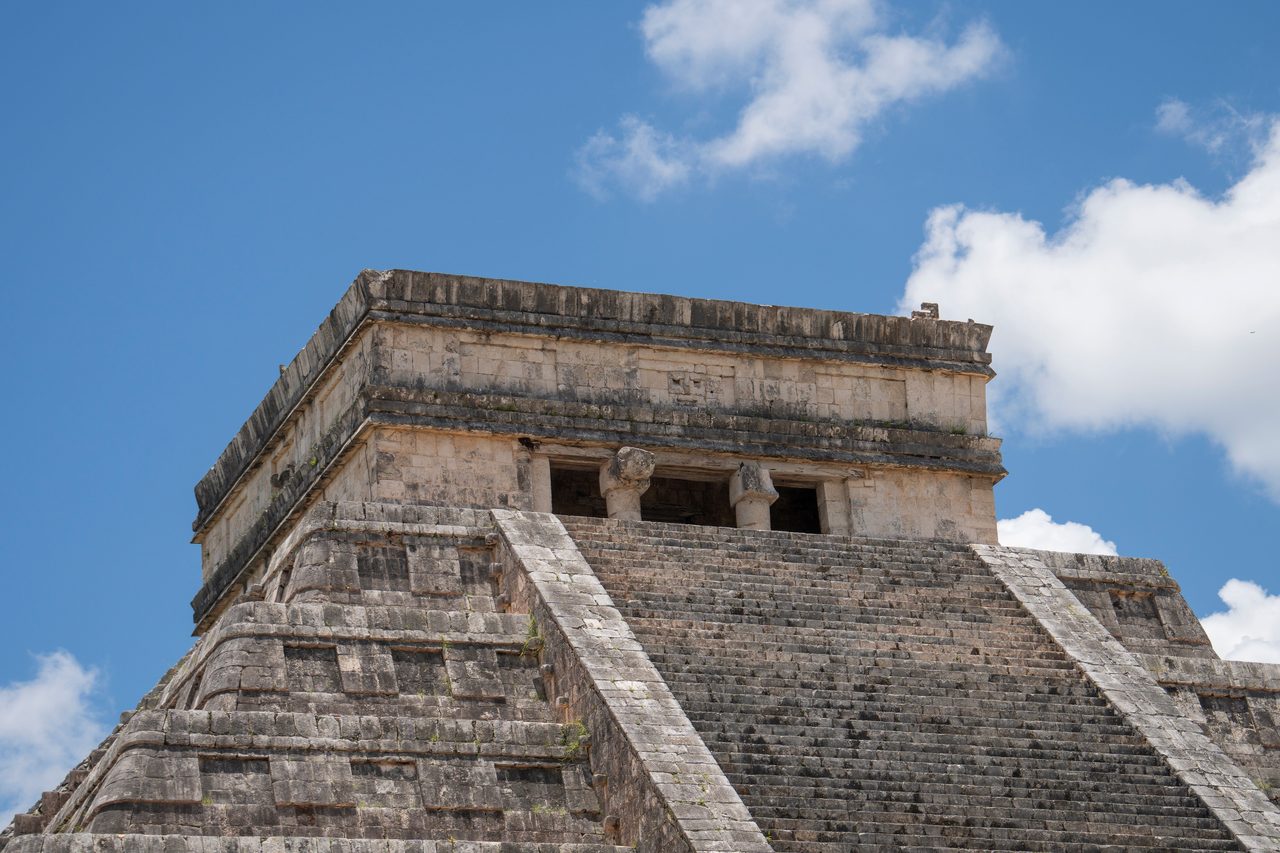
One of the New Seven Wonders of the World, this massive Mayan archaeological site features the iconic El Castillo pyramid. The site showcases advanced Mayan astronomy, mathematics, and architecture with the Temple of Warriors, Sacred Cenote, and Great Ball Court. Visit during spring or fall equinox to witness the serpent shadow phenomenon.

Teotihuacan Pyramids

Teotihuacan Pyramids

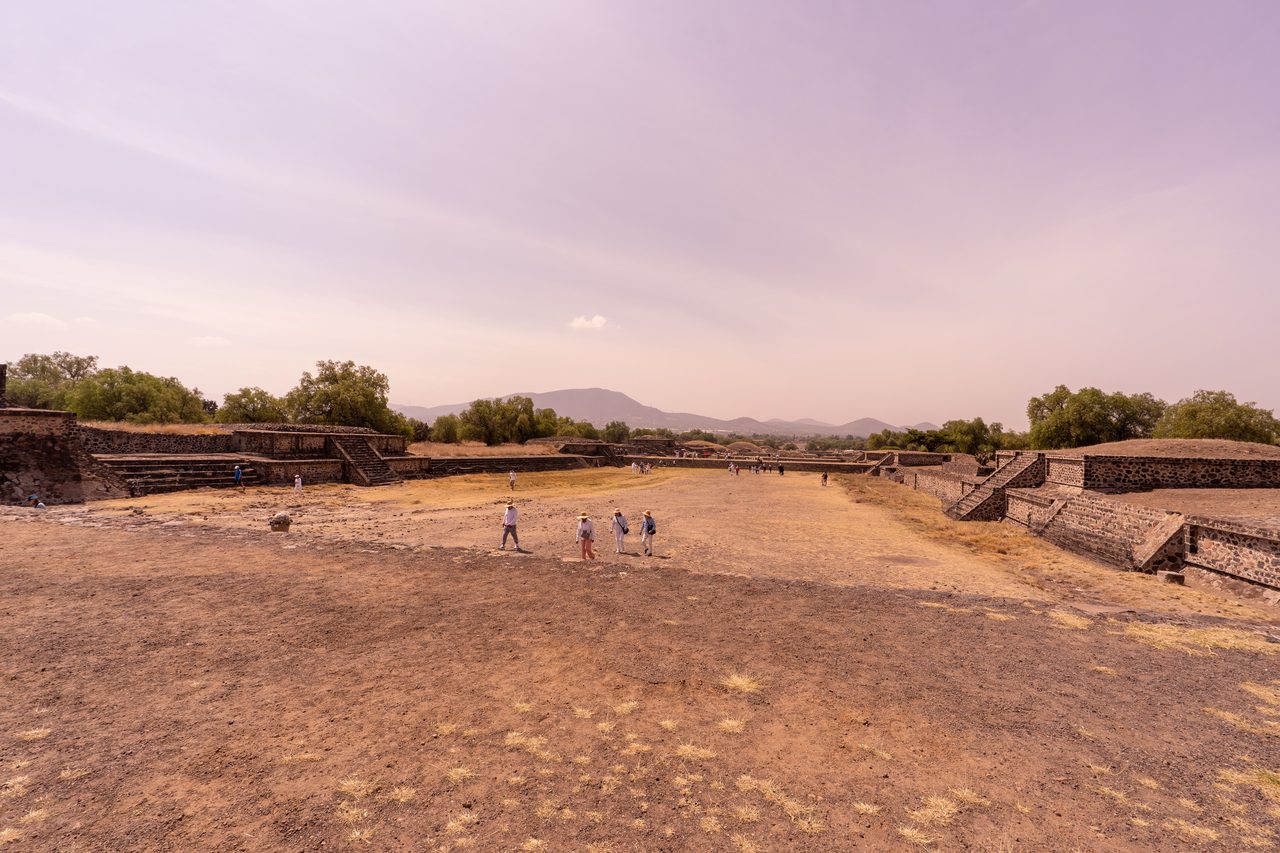
The ancient City of the Gods featuring the massive Pyramid of the Sun and Pyramid of the Moon. This UNESCO World Heritage site was once the largest city in the Americas (100-650 AD). Walk the Avenue of the Dead and explore well-preserved murals depicting Mesoamerican deities.

Tulum Archaeological Site

Tulum Archaeological Site

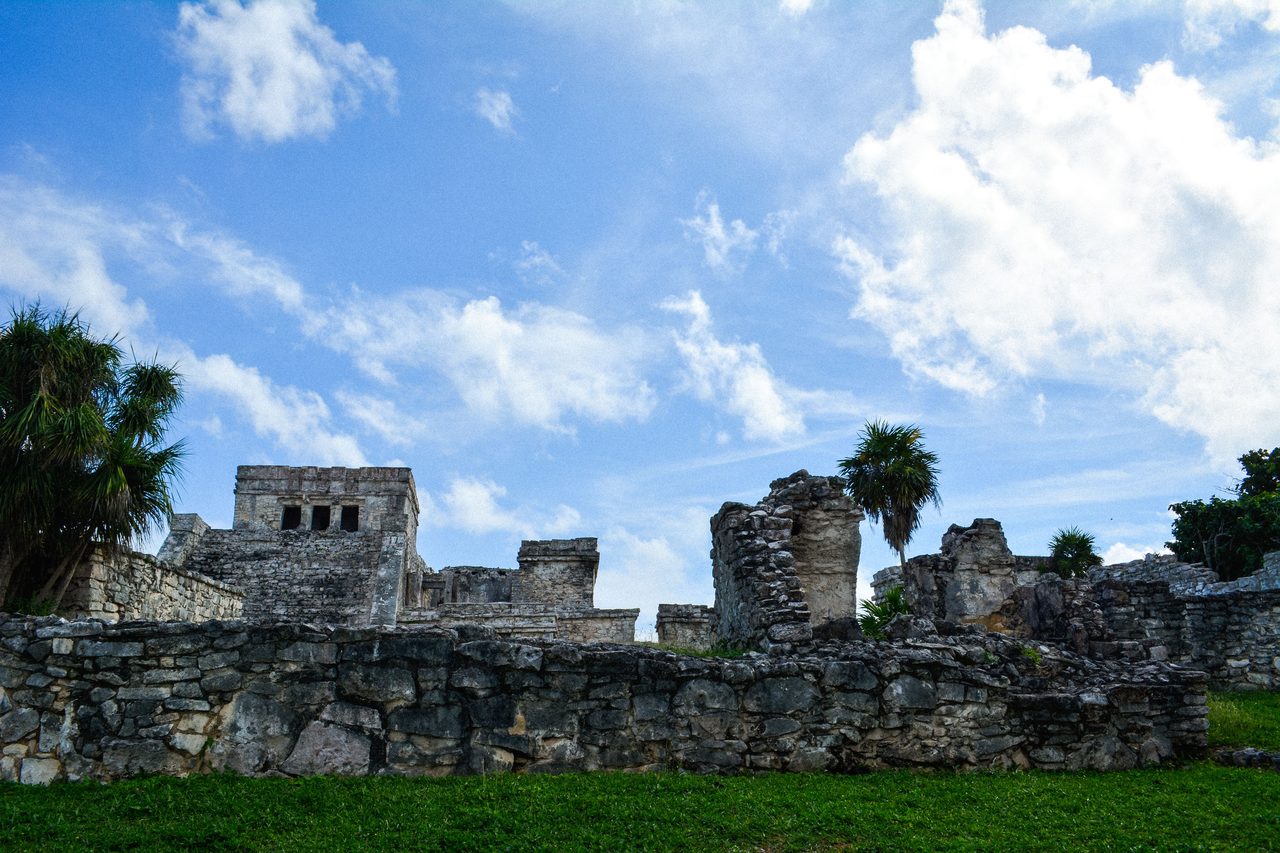
Stunning clifftop Mayan ruins overlooking the turquoise Caribbean Sea. This well-preserved walled city was a major trading port and features the iconic El Castillo temple. After exploring ruins, descend to the pristine beach below for swimming.

Palenque

Palenque

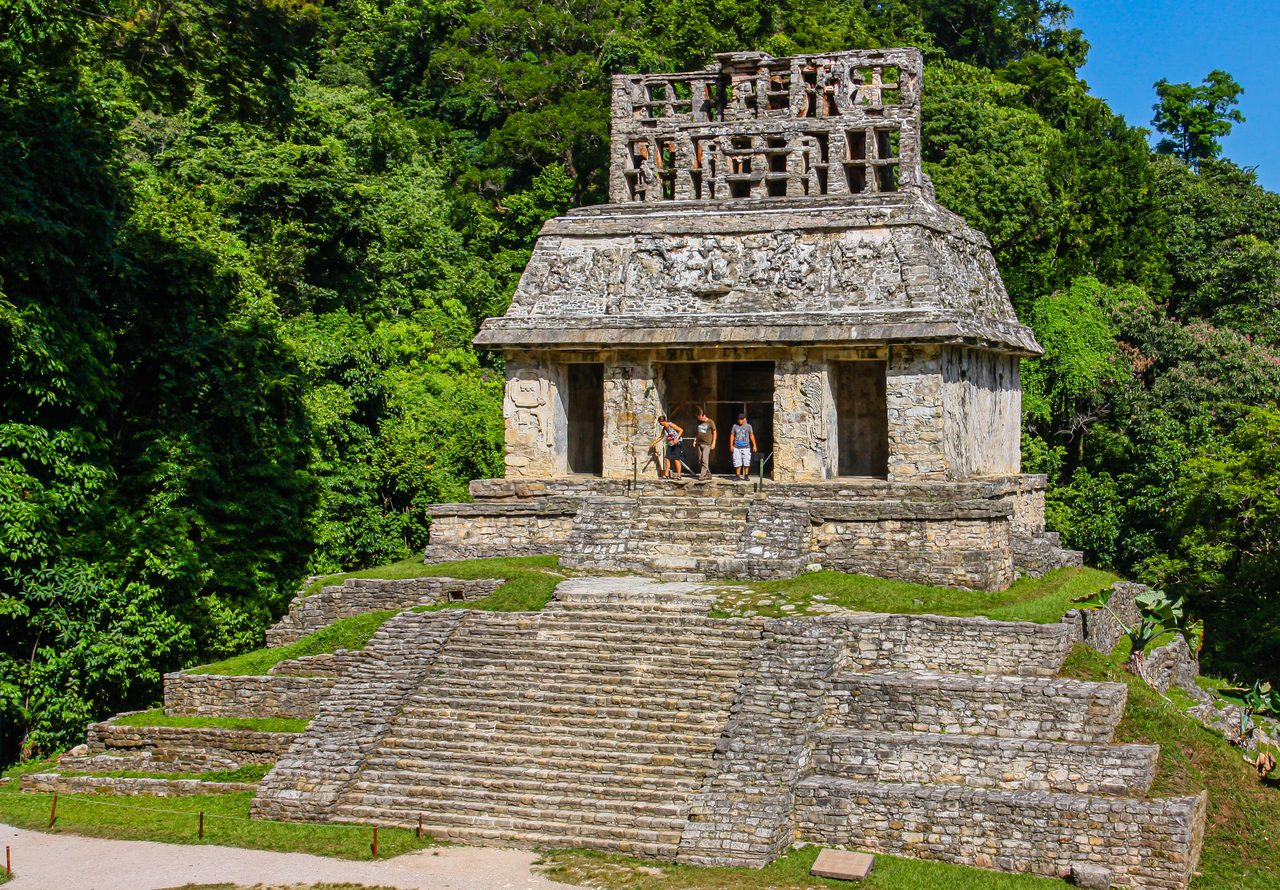
Mystical Mayan jungle ruins featuring elaborate stone carvings and hieroglyphics. The Temple of Inscriptions contains the tomb of Pakal the Great with incredible jade funeral mask. Surrounded by lush rainforest with howler monkeys and tropical birds.

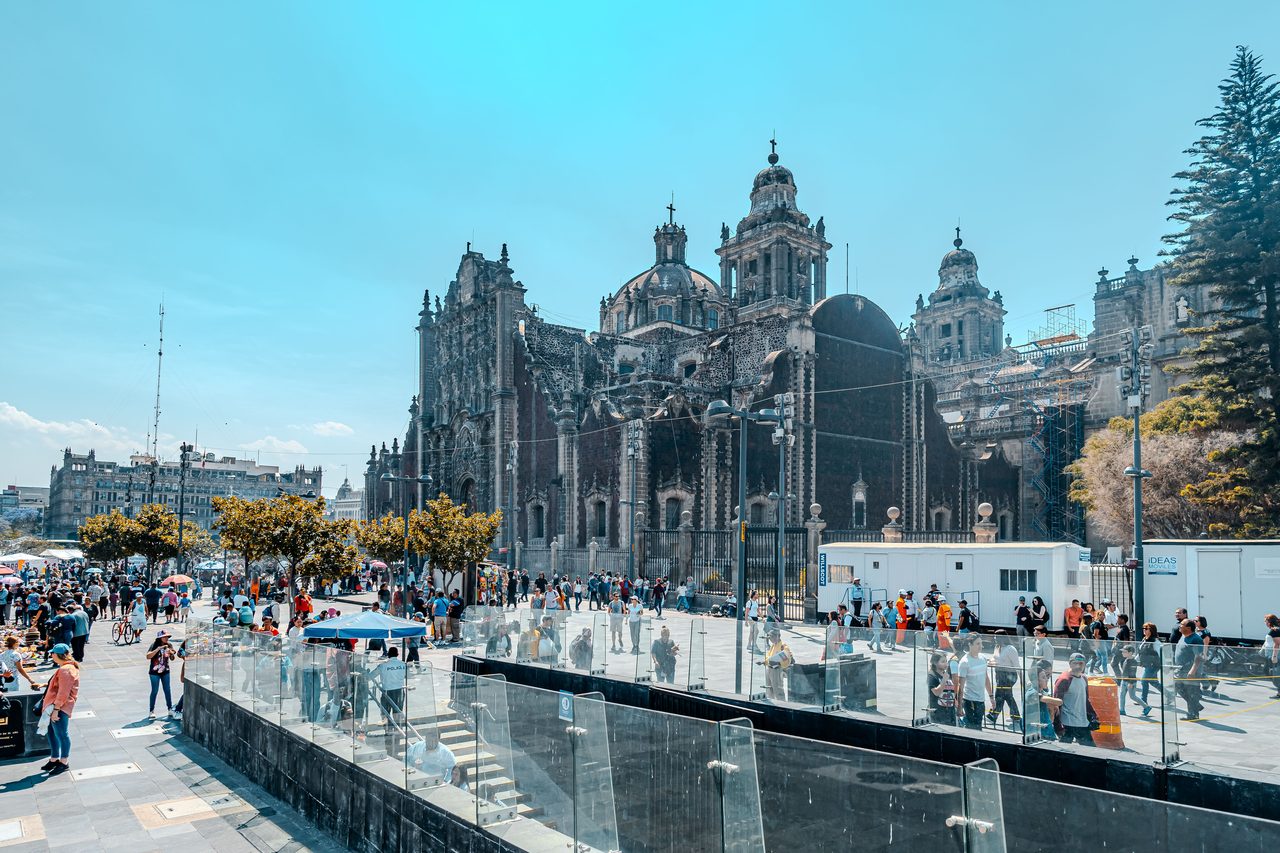
Mexico City Zocalo

Mexico City Zocalo

One of the world's largest public squares, surrounded by the Metropolitan Cathedral, National Palace with Diego Rivera murals, and ancient Aztec Templo Mayor ruins. The heart of Mexican politics and culture for over 700 years with daily flag ceremonies.

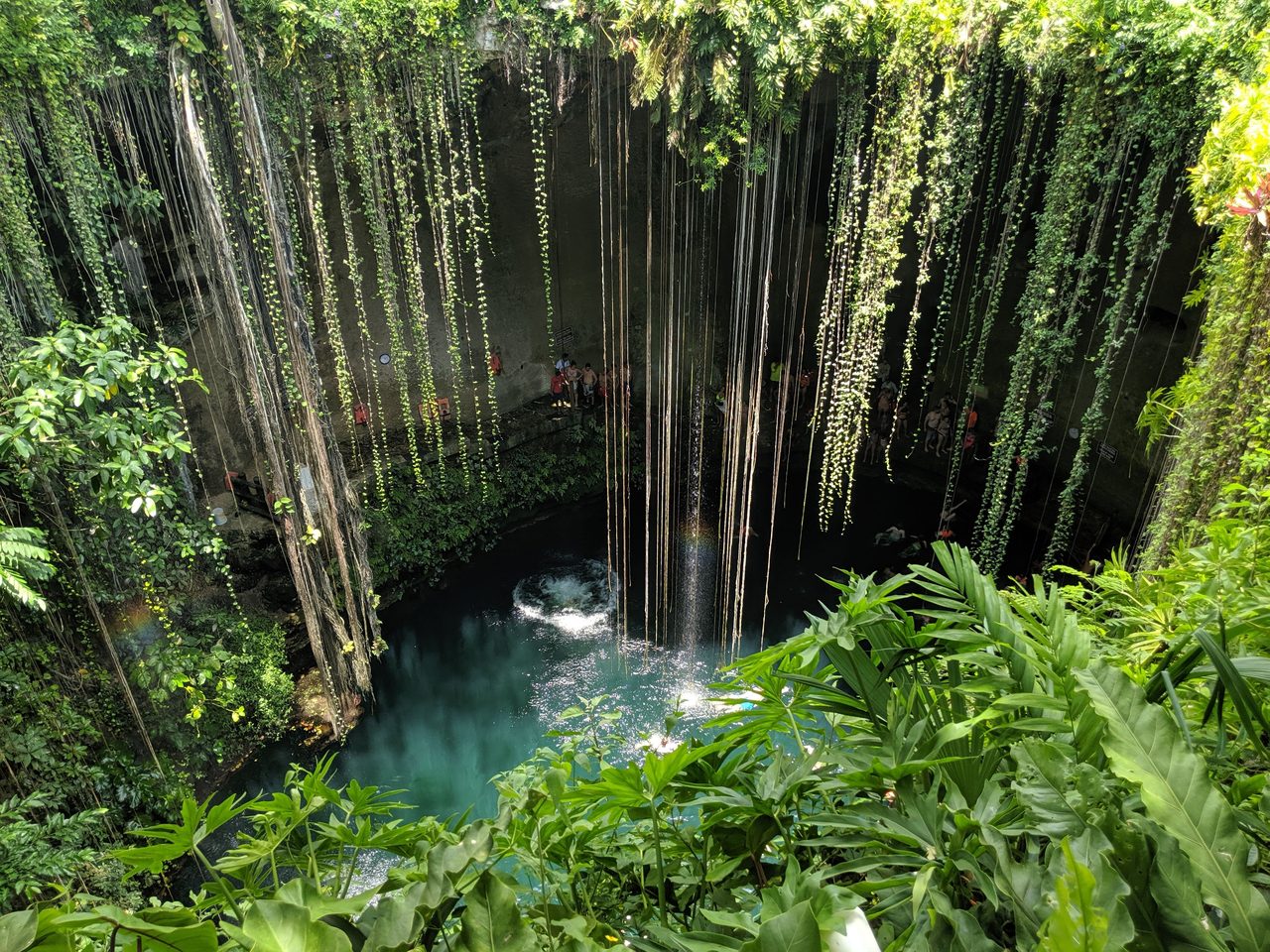
Cenote Ik Kil

Cenote Ik Kil

Spectacular natural sinkhole cenote surrounded by lush vegetation and cascading vines. Crystal-clear water perfect for swimming, with depth of 40 meters. Sacred to ancient Mayans and located just 3km from Chichen Itza ruins.

Recommended itineraries

Pick a length, follow the route. Each itinerary balances headline sights with breathing room.

5-Day Mexico Explorer

  • Day 1Arrive in Mexico, explore city center
  • Day 2Visit top attractions and museums
  • Day 3Day trip to nearby highlights
  • Day 4Local markets and hidden gems
  • Day 5Final sightseeing, departure

7-Day Classic Mexico

  • Days 1-2Mexico city highlights
  • Days 3-4Regional exploration
  • Days 5-6Cultural immersion and local experiences
  • Day 7Return and departure

14-Day Ultimate Mexico

  • Days 1-3Mexico comprehensive city tour
  • Days 4-6Northern region exploration
  • Days 7-9Eastern highlights
  • Days 10-12Southern attractions
  • Days 13-14Return to Mexico, departure

Where to stay in Mexico

Three tiers, every traveller covered — from cost-conscious to flagship hotels.

Budget $40-50 USD

Hostels, budget hotels, and guesthouses offer affordable stays without sacrificing experience.

Mid-range $80-120 USD

Boutique hotels and well-located accommodations provide comfort and convenience at reasonable prices.

Luxury $250-400+ USD

World-class resorts and premium hotels deliver unforgettable experiences.

Four Seasons Resort Punta Mita

Nayarit · $650-1200 USD

Oceanfront paradise on exclusive Punta Mita peninsula with private beach club, Jack Nicklaus golf courses, and the only natural island green in the Pacific. Features luxurious casitas with private plunge pools, world-class spa, and multiple gourmet restaurants. Exceptional service with personalized amenities and water sports.

Check rates on Booking.com

Hotel Xcaret México

Quintana Roo · $400-700 USD

All-fun-inclusive resort with unlimited access to all Xcaret parks and tours. Features 900 suites with underground river views, 10 restaurants, and extensive recreational activities. Perfect for families seeking adventure with cultural performances and eco-archaeological experiences included.

Check rates on Booking.com

Selina Cancun Downtown

Quintana Roo · $15-60 USD

Vibrant hostel-hotel hybrid with private rooms and dorms, co-working spaces, and social atmosphere. Features pool, restaurant, bar, and regular events. Perfect for digital nomads and budget travelers seeking community. Walking distance to ADO bus terminal and downtown attractions.

Check rates on Booking.com

Rosewood Mayakoba Riviera Maya

Quintana Roo · $850-1500 USD

Ultra-luxury lagoon resort with overwater suites connected by private boat system. Nestled in 620-acre jungle preserve with mangrove channels, pristine beach, and emerald lagoons. Features award-winning spa, Greg Norman golf course, and exceptional Quintanilla restaurant serving modern Mexican cuisine.

Check rates on Booking.com

Where to eat in Mexico

Cafés, neighbourhood gems, and tasting menus worth the table reservation.

Pujol

Contemporary Mexican · $$$$$

Chef Enrique Olvera's flagship restaurant consistently ranked among World's 50 Best Restaurants. Famous for 2,000+ day-old mole madre, innovative tasting menus showcasing heirloom ingredients, and sophisticated reinterpretation of Mexican classics. Reservations essential weeks in advance.

Contramar Mexico City

Seafood · $$$

Iconic seafood institution known for legendary tuna tostadas and whole grilled fish split with green and red salsas. Bustling atmosphere with stylish crowd, colorful murals, and consistently excellent fresh seafood. No reservations - expect to wait at peak times.

Tacos El Gordo Tijuana

Tacos · $

Legendary taco stand with locations in Tijuana and Baja known for adobada (al pastor-style) tacos. Multiple trompos spinning, fast service, and authentic Tijuana-style tacos. Cash only, always busy, totally worth it.

Tacos Los Guichos CDMX

Street Tacos · $

Legendary late-night taco cart in Condesa serving suadero, longaniza, and other meats until early morning. Always packed with locals and clubgoers. Simple but excellent quality with fresh tortillas and salsas.

Café de Tacuba CDMX

Traditional Mexican Cafe · $$

Historic café since 1912 in downtown Mexico City serving traditional Mexican breakfast and antojitos. Beautiful colonial tiles, live music, and old-world atmosphere. Famous for pan dulce, hot chocolate, and enchiladas. Tourist-friendly institution.

Quintonil

Modern Mexican · $$$$$

Chef Jorge Vallejo's acclaimed restaurant featuring ingredients from their own farm and local producers. Innovative tasting menus change seasonally highlighting Mexico's biodiversity. Elegant setting with exceptional wine pairings and impeccable service.

Book a food tour in Mexico We may earn a commission from bookings made through this link.

Getting around Mexico

Transportation options in Mexico include local buses, taxis, and rental cars. Check local conditions before planning your travel.

Budget breakdown

Daily spend by tier in USD, broken out by category.

Category Budget Mid-range Luxury
Accommodation $12-18 USD (hostel dorm bed) $35-60 USD (private room in hostel, budget hotel, Airbnb) $120-250+ USD (4-5 star hotels, luxury resorts, boutique properties)
Food (per day) $12-18 USD (street food, markets, occasional casual restaurant) $25-35 USD (mix of street food, casual restaurants, one nice meal) $60-100 USD (fine dining, hotel restaurants, cocktails)
Transportation $3-6 USD (local buses, metro, colectivos) $8-12 USD (mix of public transport and Uber, occasional taxi) $20-40 USD (private transfers, rental car, taxis)
Activities $5-10 USD (free attractions, one paid site, beaches) $15-25 USD (paid attractions, tours, rentals) $50-100+ USD (private tours, premium experiences, adventure activities, spa)
Daily total $40-50 USD $80-120 USD $250-400+ USD

Best time to visit Mexico

Weather through the year in Mexico

18° JAN 20° FEB 23° MAR 25° APR 26° MAY 23° JUN 22° JUL 22° AUG 21° SEP 20° OCT 19° NOV 18° DEC

Best time Shoulder Worth avoiding

Average daytime temperature in °C. Figures are for Mexico.

December-April (dry season, ideal weather)

Essential travel tips

  • Research visa requirements before your trip
  • Learn a few basic phrases in the local language
  • Carry cash as cards may not be accepted everywhere
  • Respect local customs and dress codes
  • Purchase travel insurance before departure

Hidden gems

Off-the-beaten-path corners most travellers miss.

Real de Catorce

Mystical ghost town high in the desert mountains accessible through 2.3km one-way cobblestone tunnel. Silver mining heritage, peyote pilgrimages, stunning mountain vistas, and bohemian atmosphere. Featured in films including The Mexican. Few tourists venture here.

Bacalar Lagoon

The 'Lake of Seven Colors' with stunning gradient blues and turquoise waters. Far less touristy than Caribbean beaches. Ancient stromatolites (living fossils), cenotes within lagoon, Pirates' Channel, and laid-back village atmosphere. Perfect escape from Tulum crowds.

Comitán and Lagunas de Montebello

Chiapas colonial town near Guatemalan border with 59 stunning multicolored lakes in national park. Each lake different shade of blue, green, or turquoise. Kayaking, swimming, and hiking with few tourists. Nearby Mayan ruins of Tenam Puente.

Cuatro Ciénegas

Desert oasis in Coahuila with white gypsum dunes, crystalline pools, and unique endemic species found nowhere else on Earth. Ancient marine ecosystem preserved. Swimming in turquoise desert pools feels otherworldly. Very few international tourists.

Yelapa

Secluded beach village near Puerto Vallarta accessible only by boat. No roads, no cars, just jungle, waterfalls, and pristine beach. Bohemian vibe with yoga, massage, and simple palapa restaurants. Day trippers come but staying overnight reveals magic.

Cerro de la Estrella, Iztapalapa

An often-overlooked hill in Mexico City's Iztapalapa borough where Aztecs performed the New Fire ceremony every 52 years. Panoramic views of the entire Valley of Mexico with no tourist crowds.

La Bufadora Viewpoint, Baja California

A marine geyser blowhole near Ensenada that shoots seawater 30 metres into the air. The clifftop path above the main platform offers a quieter view without the souvenir-stall crowds below.

Mirador El Atalaya, San Cristóbal de las Casas

A hilltop cross overlooking the colonial rooftops and surrounding highlands of Chiapas. Far fewer visitors than the famous Cerro San Cristóbal cross, yet the view is equally dramatic.

Pyramid of the Sun, Teotihuacán

Watching the sun rise over the Avenue of the Dead from the top of the Pyramid of the Sun is one of Mexico's most profound experiences. The site opens at 9 am normally, but on the spring equinox (March 21) hundreds of thousands attend sunrise ceremonies.

Hierve el Agua, Oaxaca

Petrified waterfall formations and natural rock pools perched on a cliff edge. At sunrise the pools catch the first light before any day-trippers arrive, and the Oaxacan valley below is draped in mist.

Torre Latinoamericana, Mexico City

The 44th-floor observation deck of this 1956 skyscraper frames Mexico City's vast urban sprawl in every direction. On clear December evenings, Popocatépetl and Iztaccíhuatl are visible against the fading sky.

Malecón, Puerto Vallarta

Puerto Vallarta's oceanfront boardwalk offers Pacific sunsets framed by the Sierra Madre foothills. The sculpture-lined promenade fills with street performers and local families at dusk — entirely free.

Safety information

INFO

Stick to tourist areas and well-traveled routes

INFO

Use authorized taxis or rideshare apps, avoid hailing street cabs

INFO

Don't display expensive jewelry or electronics

INFO

Avoid traveling at night between cities

INFO

Be cautious with drinks in bars and nightclubs

INFO

Keep copies of passport and important documents separate

INFO

Use ATMs inside banks during daytime hours

INFO

Register your trip with your country's embassy before arrival, especially for travel to high-risk states like Sinaloa, Tamaulipas, and Colima.

INFO

Carry only small amounts of cash; use credit cards where accepted and withdraw pesos at bank ATMs rather than street machines.

INFO

Learn basic Spanish phrases — locals appreciate the effort, and it can help you navigate situations more safely.

INFO

Drink only bottled or purified water; avoid ice at street stalls and stick to fruits that can be peeled.

INFO

Use tourist-grade or luxury buses (ADO, ETN) for intercity travel; avoid budget buses that travel at night through remote areas.

INFO

Protect against mosquito-borne illnesses (dengue, Zika, chikungunya) by wearing repellent and long sleeves at dawn and dusk.

Frequently asked questions

Is Mexico safe to visit in 2026?

Mexico is a safe destination for millions of tourists annually, but safety varies dramatically by region and city. Tourist areas in Cancún, Playa del Carmen, Los Cabos, Puerto Vallarta, Oaxaca, and Mexico City's historic districts are generally safe. Some northern border states and specific regions have serious organized crime issues that warrant caution or avoidance. Emergency services: police at 911, medical at 911.

What is the best time to visit Mexico?

The best time to visit Mexico is December-April (dry season, ideal weather). Mexico encompasses extraordinary climatic diversity — from the temperate highlands of Mexico City and Oaxaca (elevation 1,500-2,400m) to tropical Caribbean coasts, arid Baja deserts, and humid Chiapas

Do I need a visa to visit Mexico?

No visa required for tourism stays up to 180 days. Valid passport and tourist card (FMM) required. Requirements vary by nationality, so check with your nearest embassy or the official immigration website before traveling.

What currency is used in Mexico?

The currency in Mexico is the Mexican Peso (MXN) (MXN). ATMs are widely available in cities and tourist areas. Credit cards are accepted at most hotels and restaurants, but carry cash for markets and smaller establishments.

What language is spoken in Mexico?

The main language(s) spoken in Mexico: Spanish (official), 68 recognized indigenous languages including Nahuatl, Maya, and Zapotec. In tourist areas, English is generally understood. Learning a few basic phrases in the local language is appreciated by locals.

What are the top attractions in Mexico?

The top attractions in Mexico include Chichen Itza, Teotihuacan Pyramids, Tulum Archaeological Site, Palenque, and Mexico City Zocalo. Each offers a unique experience, from historic landmarks to natural wonders.

Explore Mexico by region

Each region has its own character — coastal, alpine, vineyard, capital. Pick a starting point.

Aguascalientes

Aguascalientes is one of Mexico's smallest and most industrialized states, a compact highland territory in the country's central Bajio region. Named for its thermal hot springs, it centers on the historic, walkable capital of the same name, famous for the exuberant Feria Nacional de San Marcos, Baroque colonial architecture, and the legacy of Day-of-the-Dead cartoonist Jose Guadalupe Posada. Beyond the capital, the state offers the Pueblos Magicos of Real de Asientos and Calvillo, an emerging wine region, and a strong charreria and rodeo tradition.

Baja California

Baja California is Mexico's northwesternmost state, a 1,300 km-long borderland running from the busiest land border crossing on earth at Tijuana down the Pacific coast to the cactus deserts of the Valle de los Cirios. It packs a world-class wine valley, Baja Med cuisine, Pacific surf beaches, a 3,000 m granite sierra and the warm Sea of Cortez into a single drive-friendly state.

Baja California Sur

Baja California Sur is Mexico's southernmost peninsula state, where the stark Sonoran Desert meets the turquoise waters of the Sea of Cortez and the Pacific Ocean. Home to world-class diving, dramatic desert landscapes, migrating gray whales, and the legendary resort city of Los Cabos, this remote yet accessible state offers extraordinary natural and cultural experiences. From the bohemian art town of Todos Santos to the colonial charm of Loreto and the vibrant capital La Paz, Baja California Sur captivates travelers seeking adventure, relaxation, and authentic Mexican culture.

Campeche

Campeche is a Gulf-coast state on the western side of Mexico's Yucatan Peninsula, best known for its walled capital, San Francisco de Campeche, a UNESCO World Heritage city of pastel facades, baroque churches, and Spanish colonial ramparts built to repel Caribbean pirates. Inland, the state holds two-thirds of the Yucatan Peninsula's tropical forest and the vast Maya metropolis of Calakmul, hidden inside a biosphere reserve on the Guatemalan border. Campeche receives a fraction of the visitors that reach Cancun or Merida, which is precisely its appeal.

Chiapas

Chiapas is Mexico's southernmost state, a highland-and-jungle frontier on the Guatemalan border where colonial San Cristóbal de las Casas sits at 2,200 metres above sea level, the Maya city of Palenque rises out of rainforest, and the Grijalva River cuts the thousand-metre walls of the Sumidero Canyon. It is the most indigenous state in the country: Tzotzil, Tzeltal, Ch'ol, Tojolabal and Zoque communities keep their languages, markets and ceremonies as living practice rather than performance. Waterfalls at Agua Azul, Misol-Ha and El Chiflón, the turquoise lakes of Montebello, the coffee fincas of the Soconusco and the empty Pacific beaches at Puerto Arista round out a state that rewards slow, careful travel.

Chihuahua

Chihuahua is Mexico's largest state, a vast expanse of high desert, pine-covered sierra, and one of the world's great canyon systems. It is home to the Copper Canyon (Barranca del Cobre), a network of gorges deeper and larger than the Grand Canyon, crossed by the legendary El Chepe railway. The state blends Rarámuri indigenous culture, Mennonite farming communities, and the ranching and revolutionary history of Pancho Villa's home city, Chihuahua City.

Coahuila

Coahuila de Zaragoza is Mexico's third-largest state, a vast stretch of northern desert and mountain along the Rio Grande border with Texas. It blends colonial wine country in Parras de la Fuente, the turquoise pools and unique desert ecosystem of Cuatro Ciénegas, the cool pine forests of Arteaga, and the industrial and cultural cities of Saltillo and Torreón.

Colima

Colima is Mexico's second-smallest state, a compact Pacific coast territory dominated by the twin volcanic peaks of Volcán de Fuego and Nevado de Colima. It pairs the whitewashed Pueblo Mágico of Comala with the resort and cargo port city of Manzanillo, self-styled the Sailfish Capital of the World, plus black-sand beaches, lime orchards around Tecomán, and a low-key colonial capital in Colima City.

Durango

Durango is a vast, mountainous state in north-central Mexico, spanning the pine forests of the Sierra Madre Occidental down to the arid plains of the Bolsón de Mapimí. Its colonial capital, Victoria de Durango, is renowned for baroque architecture and a Hollywood-era legacy as the backdrop for dozens of classic Westerns, while the surrounding countryside offers dramatic mountain highways, desert curiosities, and small mining towns.

Guanajuato

Guanajuato is a landlocked state in Mexico's colonial heartland, built on centuries of silver wealth. Its UNESCO-listed capital, Guanajuato City, is a maze of tunnels, brightly painted hillside houses, and baroque churches, while the nearby Historic Centre of San Miguel de Allende draws artists and expatriates to its pink Parroquia and cobblestone streets. The state also holds Dolores Hidalgo, cradle of Mexican independence, and León, the country's leather and shoe-manufacturing capital.

Guerrero

Guerrero is a Pacific coast state in southern Mexico best known for the resort city of Acapulco, the colonial silver town of Taxco de Alarcón, and the twin beach towns of Zihuatanejo and Ixtapa. The state pairs dramatic coastline and mountain scenery with a serious, well-documented security situation that shapes how and where visitors should travel.

Hidalgo

Hidalgo is a landlocked state in central Mexico, just north of Mexico City, known for the mining heritage of Pachuca de Soto and Real del Monte, the Toltec ruins of Tula de Allende, the basalt columns of Huasca de Ocampo, and the hot-spring grottoes of Grutas de Tolantongo. The state pairs colonial and pre-Hispanic history with dramatic natural landscapes across its mountains, canyons, and semi-arid valleys.

Jalisco

Jalisco is Mexico's cultural heartland, birthplace of tequila, mariachi music, and the Mexican hat dance. Home to the vibrant metropolis of Guadalajara and the Pacific resort city of Puerto Vallarta, it offers a stunning blend of colonial heritage, indigenous traditions, and natural beauty.

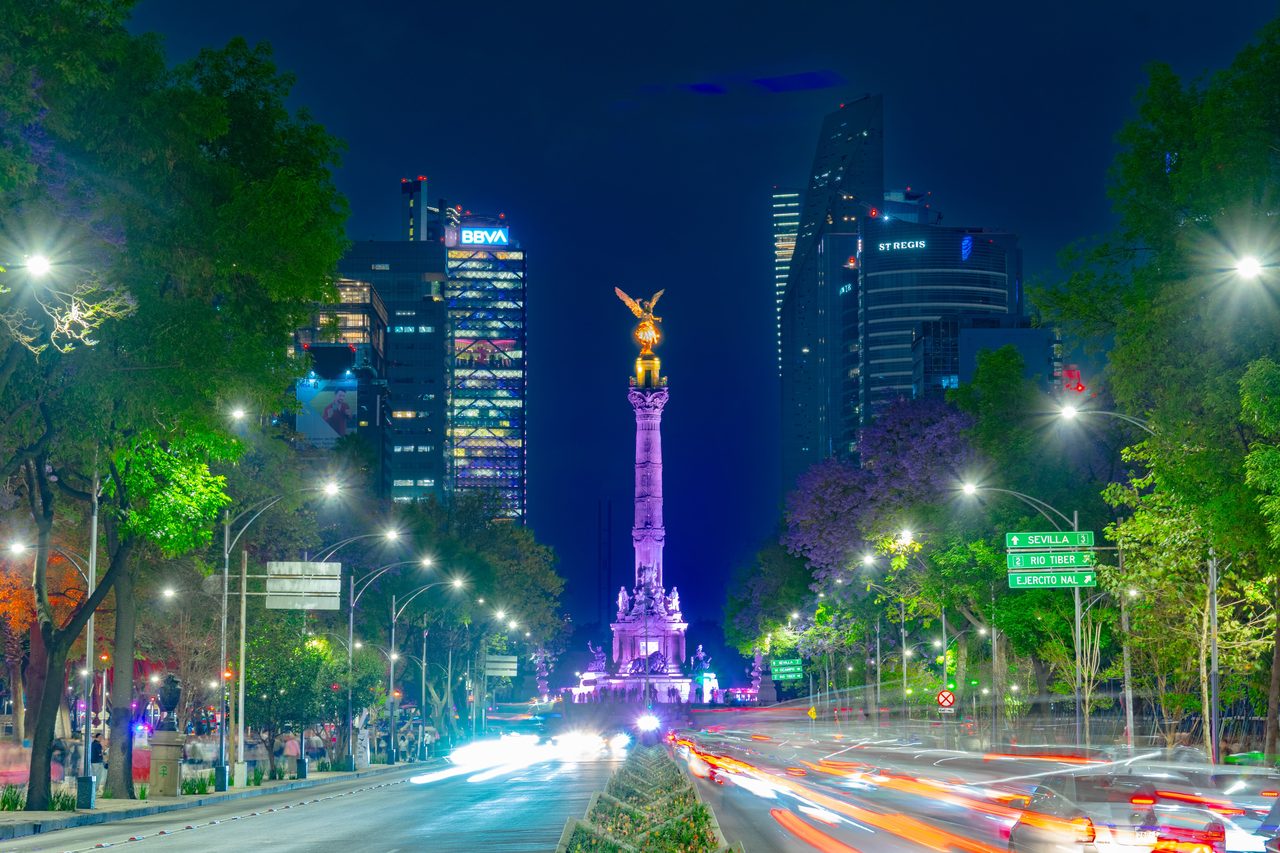
Mexico City

Mexico City (Ciudad de México, CDMX) is one of the largest and most vibrant metropolises in the world, serving as the political, cultural, and economic heart of Mexico. This ancient city, built on the ruins of the Aztec capital Tenochtitlan, blends pre-Hispanic heritage with colonial architecture and ultramodern neighborhoods. From world-class museums and gourmet restaurants to bustling markets and stunning murals, Mexico City offers an unparalleled urban experience.

Mexico State

Mexico State (Estado de México) is the country's most populous state, a horseshoe-shaped territory wrapped around Mexico City that ranges from the dense urban sprawl of the Toluca and Mexico City metropolitan zones to pine forests, volcanoes, colonial silver and monastery towns, and monarch butterfly wintering grounds. It holds more of the Teotihuacan archaeological site than Mexico City does, along with the lakeside town of Valle de Bravo, the ceramics town of Metepec, and the state capital, Toluca de Lerdo, Mexico's highest state capital.

Michoacán

Michoacán is a highland state in western Mexico built around Purépecha culture, colonial stonework, and one of the planet's great wildlife spectacles. Morelia's UNESCO-listed pink-stone centre, the lakeside town of Pátzcuaro, the avocado orchards of Uruapan, and the Monarch Butterfly Biosphere Reserve sit within a compact touring circuit, while a quiet, little-developed Pacific coastline runs along the state's southern edge.

Morelos

Morelos is one of Mexico's smallest states, a warm, low-lying pocket tucked just south of Mexico City across the mountains, long nicknamed the 'Land of Eternal Spring' for its mild year-round climate. The state holds the UNESCO World Heritage archaeological site of Xochicalco, the pueblo mágico of Tepoztlán beneath the sacred El Tepozteco pyramid, the state capital Cuernavaca with its Palacio de Cortés and Diego Rivera murals, and Cuautla, where Emiliano Zapata is buried and where the Mexican Revolution's agrarian roots run deepest.

Nayarit

Nayarit is Mexico's rising Pacific-coast star, home to the glamorous Riviera Nayarit beach towns of Sayulita, Punta de Mita, and Nuevo Vallarta, the colonial surf port of San Blas, and the Wixárika (Huichol) heartland of the Sierra Madre Occidental. It blends barefoot-luxury resorts, world-class surf breaks, mangrove wildlife, and small-town Mexican culture within a couple of hours of Puerto Vallarta's international airport.

Nuevo León

Nuevo León is a landlocked state in northeastern Mexico bordering Texas, anchored by the industrial powerhouse of Monterrey beneath the dramatic saddle-shaped peak of Cerro de la Silla. It pairs a modern, cosmopolitan capital known for craft breweries, world-class museums, and rooftop dining with the pine-forested Sierra Madre Oriental, home to waterfalls, canyons, and the Pueblo Mágico of Santiago.

Oaxaca

Oaxaca is one of Mexico's most culturally rich states, home to 16 recognized indigenous groups, the archaeological capitals of Monte Albán and Mitla, and a coastline stretching from the surf town of Puerto Escondido to the calm resort bays of Huatulco. Oaxaca de Juárez, the colonial capital, is celebrated for mole, mezcal, and some of the finest regional cooking in the country.

Puebla

Puebla is a central Mexican state anchored by Puebla de Zaragoza, a UNESCO World Heritage colonial capital famous for baroque Talavera-tiled churches, the birthplace of mole poblano, and the site of the 1862 Battle of Puebla that gave rise to Cinco de Mayo. Just west of the capital, the town of Cholula holds the Great Pyramid of Tlachihualtepetl, the largest pyramid by volume on Earth, while the twin volcanoes Popocatépetl and Iztaccíhuatl dominate the state's western skyline.

Querétaro

Querétaro is a landlocked state in central Mexico, known for the baroque Historic Monuments Zone of its capital, Santiago de Querétaro, a UNESCO World Heritage Site since 1996. Beyond the capital, the state holds the Sierra Gorda Biosphere Reserve, the Franciscan missions of Jalpan de Serra, the Pueblo Mágico of Tequisquiapan, and the towering monolith of Peña de Bernal. Querétaro is also Mexico's second-largest wine-producing region, with vineyards and cheese producers strung along the Ruta del Vino y Queso.

Quintana Roo

Quintana Roo is Mexico's easternmost state, stretching along the Caribbean coast of the Yucatan Peninsula and encompassing world-famous beach resorts, ancient Maya ruins, and the second-largest coral reef system on Earth. From the glittering hotel zone of Cancun to the bohemian clifftop ruins of Tulum and the tranquil island of Isla Holbox, the state offers an extraordinary range of experiences. Beneath the jungle floor, thousands of cenotes—natural freshwater sinkholes—create one of the world's most spectacular cave-diving and snorkeling environments.

San Luis Potosí

San Luis Potosí is a landlocked state in north-central Mexico spanning two dramatically different worlds: a high, dry altiplano around its colonial capital and the ghost town of Real de Catorce in the west, and the lush, waterfall-filled Huasteca Potosina rainforest in the east. The capital, San Luis Potosí de Gonzalez, is a former silver-mining boomtown whose historic center forms part of the UNESCO World Heritage Camino Real de Tierra Adentro route, while the Huasteca region draws travelers to turquoise rivers, the surrealist gardens of Las Pozas in Xilitla, and the sacred desert of Wirikuta.

Sinaloa

Sinaloa is a Pacific coast state in northwestern Mexico, stretching from the Sierra Madre Occidental foothills to a long stretch of Pacific coastline. It is home to Culiacán, the state capital and largest inland city, and Mazatlán, a historic port city and long-established beach resort with a colonial old town and a wide, palm-lined malecón. Sinaloa is also one of Mexico's main agricultural producers and has a strong regional identity built around seafood, banda music, and its Pacific coast heritage.

Sonora

Sonora is a vast desert state in northwestern Mexico bordering Arizona, spanning the Sonoran Desert from the Sea of Cortez coastline to the Sierra Madre Occidental foothills. Its capital, Hermosillo, sits at the base of Cerro de la Campana, while the coast delivers the resort towns of San Carlos and Puerto Peñasco (Rocky Point), the historic port of Guaymas, and the UNESCO-listed volcanic dunes of El Pinacate y Gran Desierto de Altar. Inland, the restored silver-mining Pueblo Mágico of Álamos preserves one of Mexico's best-kept colonial cores, far from the standard tourist circuit.

Tabasco

Tabasco is a low, green, water-soaked state on Mexico's southern Gulf coast, cut through by the Grijalva and Usumacinta rivers, the two largest river systems in the country. Its capital, Villahermosa, holds Parque-Museo La Venta, an open-air jungle park where colossal Olmec stone heads sit among free-roaming toucans and howler monkeys. Inland, Comalcalco is the only major Maya city built almost entirely of fired brick rather than stone, a legacy of the region's cacao-growing floodplain. Tabasco receives far fewer visitors than the Yucatan Peninsula next door, making it a genuinely uncrowded base for Olmec and Maya archaeology, river travel, and cacao culture.

Tamaulipas

Tamaulipas is a northeastern Mexican border state stretching along the Gulf of Mexico coast to the US border at Texas. It holds the historic Gulf port city of Tampico, the twin-city border crossings of Nuevo Laredo, Reynosa, and Matamoros, and the Sierra de Tamaulipas mountains. The state carries a U.S. State Department Level 4 'Do Not Travel' advisory due to sustained cartel activity, and independent travel here requires a fundamentally different approach than most Mexican destinations covered on this site.

Tlaxcala

Tlaxcala is Mexico's smallest state by area, a landlocked highland territory in central Mexico bordering Puebla. It centers on the colonial capital Tlaxcala de Xicohtencatl, with the murals of Cacaxtla and the ceremonial pyramids of Xochitecatl, the dormant La Malinche volcano and its national park, centuries-old pulque haciendas, and Huamantla's sawdust-carpet festival, La Noche que Nadie Duerme.

Veracruz

Veracruz is a long, humid state on Mexico's Gulf Coast, stretching from the tropical port city of Veracruz to the cool highland capital of Xalapa and the volcanic slopes of Pico de Orizaba. It blends Spanish colonial history, Afro-Caribbean and son jarocho music culture, Totonac and Olmec archaeological heritage, coffee country around Coatepec and Xico, and one of Mexico's busiest working ports.

Yucatán

Yucatán is Mexico's northernmost state on the Yucatan Peninsula, home to the colonial capital of Mérida, the world-famous pyramid of Chichén Itzá, and hundreds of cenotes hidden beneath the flat limestone plain. Away from the Caribbean crowds of neighboring Quintana Roo, Yucatán offers colonial haciendas turned hotels, pastel-painted pueblos like Izamal, the pink lagoons and flamingos of Celestún, and one of the strongest living Maya cultures in Mexico, with Yucatec Maya still spoken across rural towns.

Zacatecas

Zacatecas is a landlocked state on Mexico's north-central high plains, built on more than four centuries of silver-mining wealth. Its capital, also named Zacatecas, is a UNESCO World Heritage Site famous for pink cantera-stone Baroque and Churrigueresque architecture spilling down steep hillsides, the Cerro de la Bufa cable car, and the former Mina El Eden silver mine. Beyond the capital, the state offers the Pueblos Magicos of Jerez, Sombrerete, and Pinos, the pre-Hispanic ruins of La Quemada, and the mining hub of Fresnillo, the state's most populous municipality.