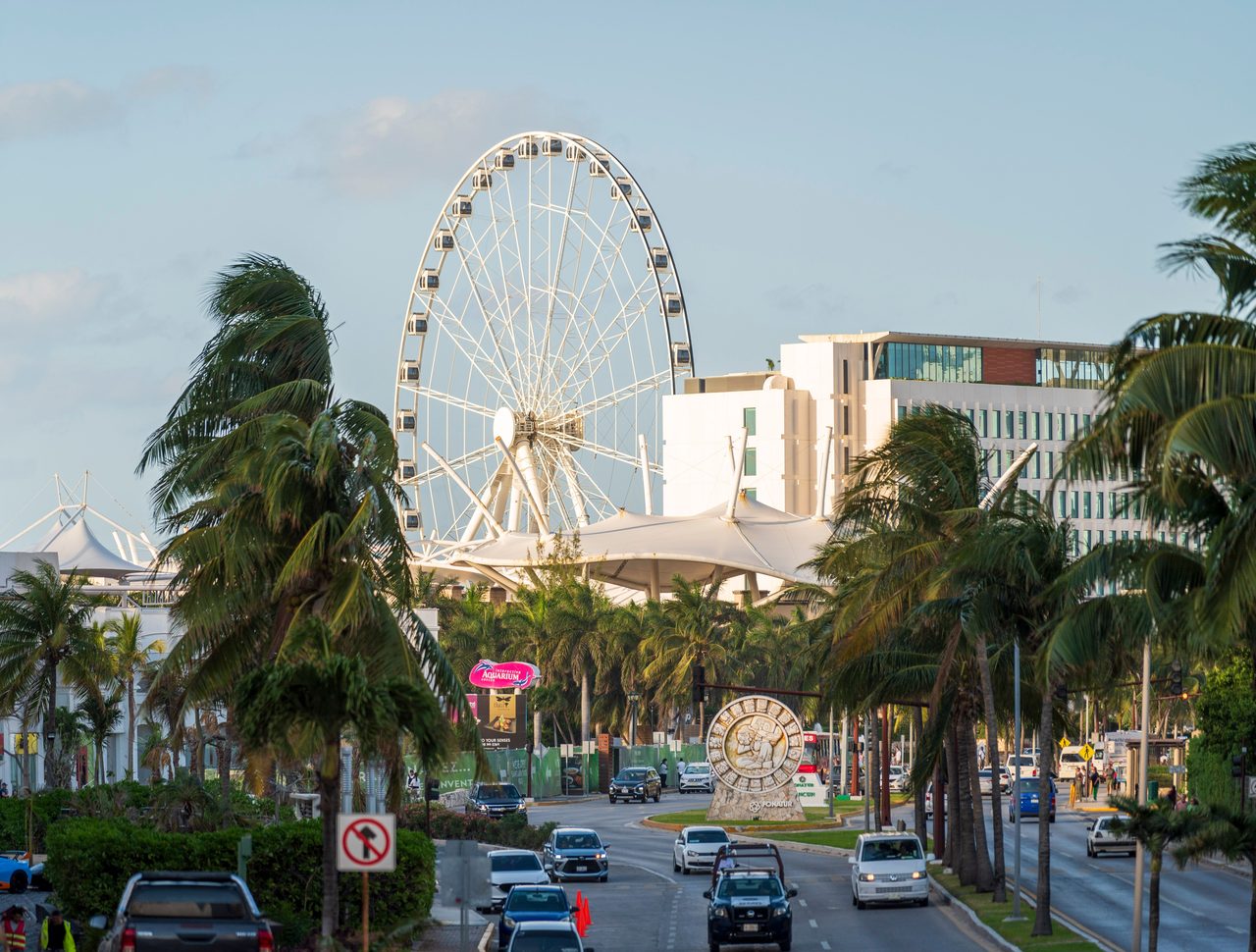
Quintana Roo is Mexico's easternmost state, stretching along the Caribbean coast of the Yucatan Peninsula and encompassing world-famous beach resorts, ancient Maya ruins, and the second-largest coral reef system on Earth. From the glittering hotel zone of Cancun to the bohemian clifftop ruins of Tulum and the tranquil island of Isla Holbox, the state offers an extraordinary range of experiences. Beneath the jungle floor, thousands of cenotes—natural freshwater sinkholes—create one of the world's most spectacular cave-diving and snorkeling environments.
Quintana Roo is Mexico's premier Caribbean destination, drawing over 20 million visitors annually to its turquoise waters, white-sand beaches, and remarkable Maya heritage. The state is home to Cancun's bustling Hotel Zone, the Riviera Maya's luxury resort corridor, the laid-back town of Tulum, and the Sian Ka'an Biosphere Reserve—a UNESCO World Heritage Site. Offshore, Cozumel Island offers some of the world's finest scuba diving along the Mesoamerican Barrier Reef, while Isla Mujeres and Isla Holbox provide serene escapes. The southern Chetumal Bay area borders Belize, adding a multicultural frontier flavor.
The 26 destinations our editors recommend — from iconic landmarks to under-the-radar finds.
Tulum Archaeological Zone
One of the most dramatically situated Maya sites in Mexico, Tulum's walled city perches atop 12-metre limestone cliffs overlooking the turquoise Caribbean Sea. Built between the 13th and 15th centuries, the site features well-preserved temples including the iconic Castillo and the Temple of the Frescoes. Arrive at opening time to beat the crowds and enjoy the sea breeze and stunning coastal views.
Cenote Dos Ojos
Cenote Dos Ojos (Two Eyes) is one of the world's most extraordinary cave-diving and snorkeling systems, consisting of two sinkholes connected by an underwater cave network that extends for over 82 km. The crystal-clear freshwater (visibility up to 100 metres) is home to stalactites, stalagmites, and ancient fossils. Both snorkelers and certified divers can explore different sections of this spectacular cenote.
Xcaret Eco-Archaeological Park
Xcaret is Quintana Roo's most ambitious eco-park, built around a natural inlet and ancient Maya ruins 6 km south of Playa del Carmen. Visitors can snorkel underground rivers, swim with dolphins, watch the spectacular México Espectacular folk dance show, and explore the coral reef aquarium. With over 50 attractions, it easily fills a full day and rewards those who arrive early.
Coba Archaeological Zone
Coba is a sprawling Maya city hidden deep in the jungle, featuring the 42-metre Nohoch Mul pyramid—the tallest climbable Maya structure in the Yucatan Peninsula. Spread across a 70 km² area, the site contains thousands of structures connected by ancient sacbeob (white roads). Rent a bicycle or take a tricycle rickshaw to explore the vast ruins, and enjoy panoramic jungle views from the pyramid summit.
Isla Holbox
Isla Holbox is a narrow, car-free island in the Yum Balam Nature Reserve at the northwestern tip of Quintana Roo, where the Gulf of Mexico meets the Caribbean. Its sand streets, wooden colorful signs, and bioluminescent lagoon offer a dramatically different experience from the Riviera Maya. From June to September, whale sharks gather offshore—swimming alongside the world's largest fish is an unforgettable experience.
Isla Mujeres
Just 13 km from Cancun, Isla Mujeres (Island of Women) is a narrow Caribbean island with a relaxed fishing-village atmosphere and some of the clearest turquoise water in Mexico. The northern Playa Norte beach is consistently ranked among the world's best, while the southern tip hosts the Garrafón Natural Reef Park and a small Maya shrine to the goddess Ixchel. Golf carts are the preferred mode of transport.
Recommended itineraries
Pick a length, follow the route. Each itinerary balances headline sights with breathing room.
5-Day Quintana Roo Explorer
Day 1Arrive in Quintana Roo, explore city center
Day 2Visit top attractions and museums
Day 3Day trip to nearby highlights
Day 4Local markets and hidden gems
Day 5Final sightseeing, departure
7-Day Classic Quintana Roo
Days 1-2Quintana Roo city highlights
Days 3-4Regional exploration
Days 5-6Cultural immersion and local experiences
Day 7Return and departure
14-Day Ultimate Quintana Roo
Days 1-3Quintana Roo comprehensive city tour
Days 4-6Northern region exploration
Days 7-9Eastern highlights
Days 10-12Southern attractions
Days 13-14Return to Quintana Roo, departure
Where to stay in Quintana Roo
Three tiers, every traveller covered — from cost-conscious to flagship hotels.
Budget $50
Hostels, budget hotels, and guesthouses offer affordable stays without sacrificing experience.
Mid-range $150
Boutique hotels and well-located accommodations provide comfort and convenience at reasonable prices.
Luxury $400+
World-class resorts and premium hotels deliver unforgettable experiences.
Nizuc Resort & Spa
Cancun Hotel Zone (South) · $$$$
An ultra-exclusive beachfront enclave on the southern tip of Cancun's Hotel Zone, Nizuc features 274 suites and villas spread across lush tropical grounds with private beach access and a spectacular infinity pool overlooking the Caribbean. The resort is home to five restaurants, a world-class spa, and a private cenote for guests.
Nestled within the Mayakoba resort community north of Playa del Carmen, Rosewood offers 129 suites and villas connected by a network of lagoon canals, each with private pool and outdoor terrace. The resort features the acclaimed La Ceiba beach club, exceptional Maya-inspired spa treatments, and one of the best golf courses in Mexico.
One of Tulum's most celebrated boutique hotels, Be Tulum straddles the beach and jungle zones, offering both ocean-view and cenote-access rooms in a stunning thatched palapa architecture. The restaurant Arca is one of Mexico's most celebrated dining destinations, and the beachfront setting feels genuinely magical at sunrise.
A tranquil luxury sanctuary within the Mayakoba complex, Banyan Tree's 128 pool villas are set on lagoon islands, connected by boat and footpath. The resort's signature double-pool villas and award-winning spa reflect Thai-Caribbean fusion design in a setting of extraordinary natural beauty.
Cafés, neighbourhood gems, and tasting menus worth the table reservation.
Hartwood
Wood-fired Mexican · $$$$
Hartwood is Tulum's most celebrated restaurant—an entirely off-grid, open-air dining experience where every dish is cooked over wood fires and locally sourced ingredients are the stars. The daily-changing menu features wood-roasted local fish, jungle herbs, and farm produce in a stunning outdoor jungle setting.
El Fogón
Tacos/Mexican · $
The most beloved taquería in Playa del Carmen, El Fogón has been the go-to spot for locals and savvy visitors for years. The al pastor comes off a perfectly seasoned vertical spit, the cochinita pibil is slow-cooked to tender perfection, and the lines—even at midnight—are testament to its quality.
La Fisheria
Seafood · $$
A beloved seafood institution in Puerto Morelos, La Fisheria serves the freshest catch from local fishermen in a casual beachside setting. The ceviche mixto is the best in the Riviera Maya and whole grilled fish prepared with garlic and butter is a signature. Locals and expats crowd the tables for weekend lunch.
Arca
Contemporary Mexican · $$$$
Located at Be Tulum hotel, Arca is one of Mexico's most acclaimed restaurants, earning international recognition for its innovative approach to Yucatecan and Caribbean ingredients. The wood-fired open kitchen produces dishes that are as visually stunning as they are delicious, in a candlelit jungle setting.
Poseidon Restaurant
Seafood/Mexican · $$
A perennial favorite on the Cozumel waterfront, Poseidon has served fresh seafood to divers and day-trippers for decades. The margaritas are legendary, the ceviche is exceptional, and the lobster tail dinner is one of the best-value fine seafood dishes on the island.
Las Mesitas
Yucatecan/Mexican · $
One of the best traditional Yucatecan restaurants in Cancun's downtown, Las Mesitas serves the regional classics—cochinita pibil, pollo pibil, papadzules, and sopa de lima—at honest prices with generous portions. The colorful market setting and warm service complete an authentic local experience.
Quintana Roo is well-connected internally, with ADO luxury buses linking all major towns along Highway 307, inexpensive colectivos for shorter hops, and regular ferries to the Caribbean islands. Cancun International Airport is the primary gateway, handling over 30 million passengers annually.
ADO Bus
Premium long-distance buses with air conditioning, Wi-Fi, and reclining seats connecting Cancun, Puerto Morelos, Playa del Carmen, Akumal, Tulum, Felipe Carrillo Puerto, and Chetumal. The most comfortable way to travel the coast.
Cost: $4-25 USD depending on distance
Colectivo
Shared 15-passenger vans running up and down Highway 307 between Cancun and Tulum. Depart when full from fixed spots. Budget-friendly and frequent.
Cost: $1-4 USD
Ferry to Cozumel
High-speed passenger ferries run every hour from Playa del Carmen to Cozumel island, operated by Ultramar and Mexico Waterjets.
Cost: $15-18 USD each way
Ferry to Isla Mujeres
Passenger ferries from Puerto Juárez (Cancun) to Isla Mujeres run every 30 minutes from 5AM to midnight.
Cost: $5-8 USD each way
Ferry to Isla Holbox
Passenger ferry from Chiquilá port to Holbox runs about 8 times daily; the journey takes 25 minutes.
Cost: $10-15 USD each way
Taxi
Abundant in all tourist areas. Always agree on fare before boarding or insist on the meter. Official taxi stands at hotels are safer than street hail.
Cost: $3-25 USD per trip
Uber/Cabify
Ride-hailing apps operate in Cancun and Playa del Carmen; generally 30-40% cheaper than taxis and safer (tracked GPS).
Cost: $3-15 USD per trip
Car Rental
International agencies (Hertz, Budget, Europcar) and local operators at Cancun Airport and major towns. Essential for visiting multiple cenotes, ruins, and off-highway destinations.
Cost: $30-80 USD/day with insurance
Bicycle
Rental bikes are ideal in Tulum (town to beach zone), Isla Mujeres, and Holbox. Most rental shops charge $5-10/day.
Cost: $5-10 USD/day
Golf Cart
The primary transport on Isla Mujeres and Isla Holbox; rental shops are everywhere near the ferries.
Cost: $40-70 USD/day
Budget breakdown
Daily spend by tier in USD, broken out by category.
Category
Budget
Mid-range
Luxury
Accommodation
$18
$80
$250
Food (per day)
$15
$40
$90
Transportation
$7
$15
$35
Activities
$10
$15
$25
Daily total
$50
$150
$400+
Best time to visit Quintana Roo
Weather through the year in Quintana Roo
Best timeShoulderWorth avoiding
Average daytime temperature in °C. Figures are for Quintana Roo.
Essential travel tips
Book all-inclusive resorts early for December-March; prices spike around Christmas and spring break
Carry cash for local restaurants, colectivos, and cenote entrances
Sunscreen must be reef-safe (biodegradable) at cenotes and many beaches by law
The rainy season (June-October) brings afternoon showers but fewer crowds and lower prices
Hidden gems
Off-the-beaten-path corners most travellers miss.
Coba pyramid summit (confirmed open hours before visiting)
Fort San Felipe battlements in Bacalar for lagoon views
Isla Mujeres lighthouse tip for Caribbean panorama
Los Aguachiles aguachile counter in Cancun downtown
La Cueva del Chango garden breakfast
Playa Punta Mosquito flamingos on Holbox
Skip overpriced Hotel Zone restaurants
do Cancun downtown Yucatecan food instead
Skip overcrowded Chichen Itza midday
arrive at 8AM or go to Cobá for fewer crowds
Tulum ruins eastern cliffs
Cancun Hotel Zone east-facing beaches
Coba pyramid summit
Playa Norte Isla Mujeres
Holbox northwest beach
Casa Vieja rooftop Isla Mujeres
Safety information
INFO
Use Uber, Cabify, or hotel-arranged taxis rather than unmarked street taxis, especially in Cancun and Playa del Carmen
INFO
Stay within tourist zones after dark—avoid walking to unfamiliar areas at night, particularly in downtown Cancun
INFO
Keep copies of your passport, tourist card (FMM), and insurance documents in a separate location from originals
INFO
Do not display expensive jewelry, cameras, or electronics openly in crowded areas or markets
INFO
Download the Guest Assist app (Gobierno de Quintana Roo) for emergency numbers, legal advice, and tourist information
INFO
Always apply reef-safe biodegradable sunscreen—chemical sunscreen is banned at cenotes and many beaches; keep spray sunscreens away from the water
INFO
Do not drink tap water anywhere in Quintana Roo; use bottled or purified water, including for brushing teeth
INFO
Be cautious with food from uncertified street stalls; choose busy, popular vendors with fast food turnover
INFO
Ocean currents can be deceptively strong along parts of the Riviera Maya coast—always swim where the current is flagged as safe and heed colored flag warnings on beaches
INFO
Never dive or snorkel alone; always use the buddy system and inform someone of your planned dive site and return time
INFO
Lock valuables in hotel safes and do not leave bags unattended on beaches
INFO
Be aware of timeshare sales tactics—high-pressure salespeople operate throughout the Hotel Zone and 5th Avenue; 'free tour' offers almost always involve a timeshare pitch
INFO
Check the current hurricane season forecasts (June-November); have travel insurance that covers hurricane-related cancellations and delays
INFO
Many ATMs, especially in tourist areas, are fitted with skimming devices—use ATMs inside bank branches or large supermarkets (Walmart, Chedraui) rather than standalone machines
INFO
Swimming in cenotes requires reef-safe sunscreen and no chemical repellents—the ecosystem is extremely sensitive to contamination
Frequently asked questions
Is Quintana Roo safe to visit in 2026?
Quintana Roo is generally considered safe for tourists and receives over 20 million visitors annually. The US State Department rates the state at Level 2 (Exercise Increased Caution), noting that tourist areas are actively policed and incidents targeting foreign visitors are uncommon. Emergency services: police at 911, medical at 911.
What is the best time to visit Quintana Roo?
The best time to visit Quintana Roo is November to April. Quintana Roo has a tropical climate with a distinct dry season (November-April) and wet season (May-October). The state sits in the hurricane belt, with the official hurricane season running June 1 to
Do I need a visa to visit Quintana Roo?
Entry requirements follow Mexico rules. Most nationalities (US, EU, Canada, UK, Australia) enter visa-free for up to 180 days as tourists. A tourist card (FMM) is issued on arrival or included in the airline ticket. Ensure your passport is valid for the duration of your stay. Requirements vary by nationality, so check with your nearest embassy or the official immigration website before traveling.
What currency is used in Quintana Roo?
The currency in Quintana Roo is the Mexican Peso (MXN). ATMs are widely available in cities and tourist areas. Credit cards are accepted at most hotels and restaurants, but carry cash for markets and smaller establishments.
What language is spoken in Quintana Roo?
The main language(s) spoken in Quintana Roo: Spanish, Yucatec Maya. In tourist areas, English is generally understood. Learning a few basic phrases in the local language is appreciated by locals.
What are the top attractions in Quintana Roo?
The top attractions in Quintana Roo include Tulum Archaeological Zone, Cenote Dos Ojos, Xcaret Eco-Archaeological Park, Coba Archaeological Zone, and Isla Holbox. Each offers a unique experience, from historic landmarks to natural wonders.