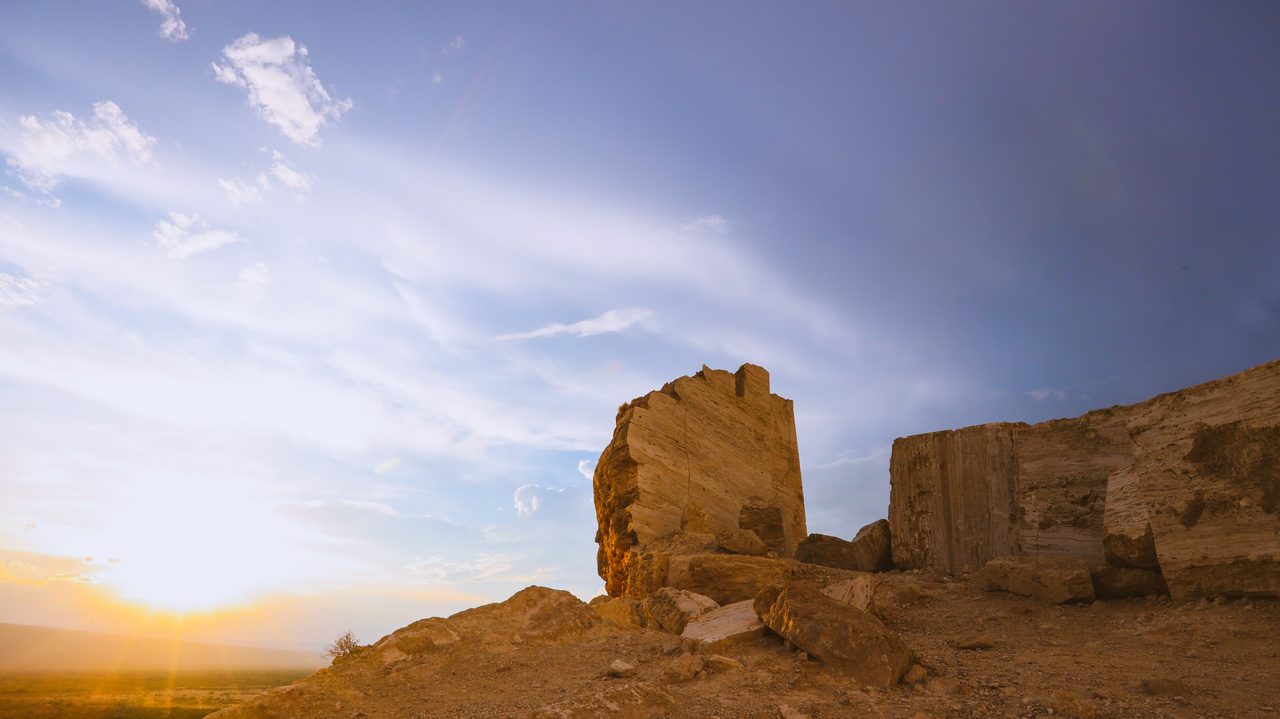
Coahuila de Zaragoza is Mexico's third-largest state, a vast stretch of northern desert and mountain along the Rio Grande border with Texas. It blends colonial wine country in Parras de la Fuente, the turquoise pools and unique desert ecosystem of Cuatro Ciénegas, the cool pine forests of Arteaga, and the industrial and cultural cities of Saltillo and Torreón.
Coahuila stretches from the Rio Grande border with Texas in the north down through the Chihuahuan Desert to the Comarca Lagunera region it shares with Durango in the south. Its capital, Saltillo, sits at over 1,600 meters in a valley of the Sierra Madre Oriental and is known for colonial architecture, the Museo del Desierto natural history museum, and a cool, dry climate that made it a summer retreat during the colonial era. Nearby Arteaga, sometimes called the 'Switzerland of Mexico,' offers pine forests, apple orchards, and cabins in the mountains. To the south, the colonial town of Parras de la Fuente is home to Casa Madero, the oldest winery in the Americas, founded in 1597, and a network of vineyards and orchards fed by natural springs. East of Saltillo, the UNESCO-recognized Cuatro Ciénegas basin protects an isolated desert wetland of turquoise pools (pozas) with ancient stromatolite formations found almost nowhere else on Earth. Torreón, the state's largest city, anchors the industrial Comarca Lagunera alongside Gómez Palacio and Ciudad Lerdo in neighboring Durango. Along the northern border, Piedras Negras and Ciudad Acuña face Eagle Pass and Del Rio, Texas, across the Rio Grande, while Monclova is a major steel-producing city in the state's center.
The 24 destinations our editors recommend — from iconic landmarks to under-the-radar finds.
Museo del Desierto
This is Saltillo's paleontology and natural history museum, built around fossil finds from the surrounding Coahuila desert, one of Mexico's richest sources of dinosaur remains. Full-scale reconstructed skeletons, including hadrosaurs and ceratopsians recovered locally, anchor exhibits that trace the region's ecosystems from prehistoric seas to present-day desert species. The complex includes outdoor botanical grounds planted with cacti and desert flora native to Coahuila.
Catedral de Santiago
This is Saltillo's main cathedral, a baroque stone church facing the Plaza de Armas that has served as the city's principal place of worship since the colonial period. Its carved facade and bell towers are among the most photographed religious buildings in Coahuila. Inside, the layout follows a traditional Latin cross plan with side chapels and a decorated main altar.
Plaza de Armas de Saltillo
This is Saltillo's central square, framed by the Catedral de Santiago on one side and government buildings on the others, functioning as the city's civic and social heart. Arcaded walkways line parts of the plaza, giving shade to vendors and passersby. It hosts the everyday rhythm of the historic center, from shoeshine stands to evening gatherings.
Centro Cultural Casa Purcell
Housed in a restored early 20th-century mansion in Saltillo's historic center, this cultural center takes its name from the Purcell family, prominent local industrialists tied to the city's textile and mining history. The building's period architecture is now used to host temporary art exhibitions and cultural events rather than the antique furnishings of a preserved house museum. It gives visitors a sense of Saltillo's early industrial-era elite.
Museo de las Aves de México (MUSAVE)
This museum is dedicated entirely to Mexican birdlife, displaying preserved specimens representing a large share of the country's bird species inside a converted colonial-era building in Saltillo's center. It is one of the few museums in Mexico built specifically around ornithology rather than natural history in general. The displays are organized by habitat and region, letting visitors compare species from deserts, coasts and tropical forests within a single collection.
Centro Cultural Vito Alessio Robles
This cultural center occupies a historic residence in Saltillo named for the Coahuila-born historian, writer and military figure Vito Alessio Robles. The house itself, with its colonial-era architecture, is part of the attraction alongside the cultural programming and exhibitions it now hosts. It sits in the same historic cluster of museums near Hidalgo and Aldama.
Recommended itineraries
Pick a length, follow the route. Each itinerary balances headline sights with breathing room.
5-Day Coahuila Explorer
Day 1Arrive in Coahuila, explore city center
Day 2Visit top attractions and museums
Day 3Day trip to nearby highlights
Day 4Local markets and hidden gems
Day 5Final sightseeing, departure
7-Day Classic Coahuila
Days 1-2Coahuila city highlights
Days 3-4Regional exploration
Days 5-6Cultural immersion and local experiences
Day 7Return and departure
14-Day Ultimate Coahuila
Days 1-3Coahuila comprehensive city tour
Days 4-6Northern region exploration
Days 7-9Eastern highlights
Days 10-12Southern attractions
Days 13-14Return to Coahuila, departure
Where to stay in Coahuila
Three tiers, every traveller covered — from cost-conscious to flagship hotels.
Budget MXN 820 (~$48)
Hostels, budget hotels, and guesthouses offer affordable stays without sacrificing experience.
Mid-range MXN 2,000 (~$118)
Boutique hotels and well-located accommodations provide comfort and convenience at reasonable prices.
Luxury MXN 5,500+ (~$324)
World-class resorts and premium hotels deliver unforgettable experiences.
Hotel Premier Saltillo
Saltillo Zona Centro · $$
Hotel Premier sits on Allende in Saltillo's Zona Centro, a short walk from the Santiago Cathedral and Plaza de Armas, with straightforward rooms and an on-site restaurant aimed at travelers exploring the historic downtown on foot.
Quinta Real Saltillo occupies landscaped grounds in the Rancho de Peña area, built in the hacienda-inspired style typical of the Quinta Real chain, with domed common areas, a pool, and event terraces that make it one of Saltillo's principal upscale addresses for business and leisure travelers.
Courtyard by Marriott Saltillo is a modern property in the city's northern business corridor, roughly ten minutes by car from the Plaza de Armas, built around a pool courtyard and meeting facilities aimed at corporate travelers visiting the region's automotive and manufacturing plants.
Best Western Saltillo sits on La Fragua in the Guanajuato Oriente neighborhood, offering a 24-hour business center and meeting rooms alongside included breakfast, positioning it as a dependable mid-scale base within reach of the Plaza de Armas by car.
Cafés, neighbourhood gems, and tasting menus worth the table reservation.
La Casa del Cabrito
Norteño cabrito · $$
A cabrito specialist in Saltillo's Jardines del Valle district, roasting kid goat over charcoal in the ranching-country style that defines Coahuila's signature dish.
Las Brasas
Norteño grill and cabrito · $$
A rustic grill room on Venustiano Carranza serving charcoal-roasted cabrito and grilled cuts to a mostly local crowd in Colonia República.
El Principal
Norteño steakhouse · $$
A long-running Zona Centro steakhouse recognized locally for its arrachera and attentive service, a fixture of Saltillo's grilled-meat scene.
El Tapanco
Mexican and international · $$$
A ground-floor dining room near Boulevard Galerías blending Mexican and international plates, with a slow-cooked cabrito confit alongside Italian-leaning cuts.
Fonda Gabina
Norteño home cooking · $
A neighborhood fonda in Colonia República serving home-style antojitos and a daily set lunch, popular with residents rather than visitors.
Baifo Restaurante
Breakfast and cabrito · $$
A Zona Centro spot covering both ends of the day, from a machaca-and-egg breakfast menu to charcoal-grilled cabrito and meats in the evening.
Coahuila is Mexico's third-largest state, stretching from the Sierra Madre Oriental around Saltillo and Arteaga to the Comarca Lagunera around Torreón and the Chihuahuan Desert basins near Cuatro Ciénegas, with a long stretch of the Rio Grande forming its northern border with Texas. There is no passenger rail service anywhere in the state, so travel relies on two main airports (Saltillo and Torreón), a smaller international airport at Piedras Negras, first-class intercity buses, and a rental car for reaching desert and mountain destinations off the main highways. Piedras Negras and Ciudad Acuña are the state's principal land border crossings for travelers driving in from Texas.
Budget breakdown
Daily spend by tier in MXN, broken out by category.
Category
Budget
Mid-range
Luxury
Accommodation
MXN 360 (~$21)
MXN 1,100 (~$65)
MXN 3,500 (~$206)
Food (per day)
MXN 230 (~$14)
MXN 450 (~$26)
MXN 1,100 (~$65)
Transportation
MXN 130 (~$8)
MXN 220 (~$13)
MXN 450 (~$26)
Activities
MXN 100 (~$6)
MXN 230 (~$14)
MXN 450 (~$26)
Daily total
MXN 820 (~$48)
MXN 2,000 (~$118)
MXN 5,500+ (~$324)
Best time to visit Coahuila
Weather through the year in Coahuila
Best timeShoulderWorth avoiding
Average daytime temperature in °C. Figures are for Coahuila.
Coahuila's climate varies with elevation and latitude: the desert lowlands around Torreón and the border cities of Piedras Negras and Ciudad Acuña are most comfortable October-April, while Saltillo and mountain towns like Arteaga stay cooler year-round thanks to elevation above 1,600 meters. Parras de la Fuente is pleasant most of the year, with grape harvest season in August and September drawing visitors to Casa Madero.
Essential travel tips
Book lodging in Parras and Arteaga in advance during the August-September grape harvest and weekend getaway season
Pack layers: Saltillo and Arteaga can be cold at night even when the desert lowlands stay hot
Carry cash in small pesos denominations for markets and small-town restaurants in Parras and Cuatro Ciénegas
Bring plenty of water and sun protection for the pozas at Cuatro Ciénegas, and stay on marked paths to protect the fragile ecosystem
Try cabrito, pan de pulque, and local Parras wines, three Coahuila specialities, at a local restaurant or winery
Hidden gems
Off-the-beaten-path corners most travellers miss.
Poza La Becerra
A crystalline turquoise spring-fed pool in the Cuatro Ciénegas basin, open for swimming and known for its striking color contrast against the surrounding desert
Cuatro Ciénegas Municipality
Dunas de Yeso
A field of white gypsum sand dunes near Cuatro Ciénegas, resembling a small-scale version of White Sands, popular for photography at sunset
Cuatro Ciénegas Municipality
Bustamante
A small colonial town with a quiet plaza and vineyards, less visited than nearby Parras but sharing its wine-country character
Bustamante Municipality, near Parras
Safety information
INFO
The US State Department rates Coahuila state at Level 3: Reconsider Travel (2026 Mexico Travel Advisory), citing widespread violent crime and kidnapping, with US citizens and lawful permanent residents having been kidnapping victims in the state
INFO
Risk is sharply uneven across Coahuila: Saltillo's historic center, Parras, and Arteaga see regular, largely trouble-free tourist and business travel, while the northern border corridor - Piedras Negras, Ciudad Acuña, and the highways linking them to the interior - carries meaningfully higher risk and tighter restrictions
INFO
US government employees may not travel to most of Coahuila state outside a short list of permitted cities, and a midnight-to-6:00am curfew applies to US government personnel in Piedras Negras and Ciudad Acuña; travelers should treat this as a strong proxy for areas and hours to avoid
INFO
Avoid driving on rural Coahuila highways after dark, especially the corridors linking Piedras Negras and Ciudad Acuña to Saltillo and Monclova, where armed robbery, cartel checkpoints, and carjacking have been reported
INFO
Kidnapping, including express kidnapping for cash withdrawals, and carjacking are specifically named risks in the current advisory; avoid displaying wealth, use hotel safes, and take only official taxis or app-based rides booked from inside a business
INFO
Stick to daylight travel between Saltillo, Torreón, Parras, and Arteaga using main highways and established bus lines rather than improvising routes through unfamiliar rural areas
INFO
Register with the US Smart Traveler Enrollment Program (STEP) before visiting so the embassy/consulate can reach travelers in an emergency or evacuation scenario
INFO
Turf conflicts between criminal groups have periodically affected northern Coahuila border towns; check current local conditions before finalizing plans that involve Piedras Negras or Ciudad Acuña
INFO
Cuatro Ciénegas' protected desert basin is generally treated as lower-risk than the border corridor, but it is remote, has very limited cell coverage and medical facilities, and is best visited with a vehicle in good condition and a known route
Frequently asked questions
Do I need a visa to visit Coahuila?
Most visitors from the US, Canada, EU, UK, and many other countries do not need a visa for tourism and receive a Forma Migratoria Multiple (FMM) tourist permit for stays of up to 180 days on arrival in Mexico. Requirements vary by nationality, so check with the nearest Mexican consulate or the National Immigration Institute before traveling.
What is the best way to visit Cuatro Ciénegas?
Cuatro Ciénegas is best reached by car or bus from Saltillo or Monclova, followed by a short drive to the pozas such as Poza Azul and Poza La Becerra. A day trip allows time to swim in the turquoise pools, visit the nearby gypsum dunes, and see the town's small museum on the basin's unique ecosystem before returning to a base city.
Is it safe to travel to Coahuila?
The US State Department rates Coahuila state a Level 3 advisory (Reconsider Travel) due to crime and kidnapping linked to organized crime, with additional restrictions for US government employees in the northern border area around Piedras Negras and Ciudad Acuña. Saltillo, Parras de la Fuente, and Arteaga see regular visitor traffic and are generally treated as calmer; travelers should check current advisories, travel by day, and use toll highways.
What is Coahuila known for producing?
Coahuila is known for wine and brandy production centered on Parras de la Fuente, home to Casa Madero, the oldest winery in the Americas, founded in 1597. The state is also a major steel and coal producer around Monclova and a center of cotton and dairy farming in the Comarca Lagunera around Torreón.