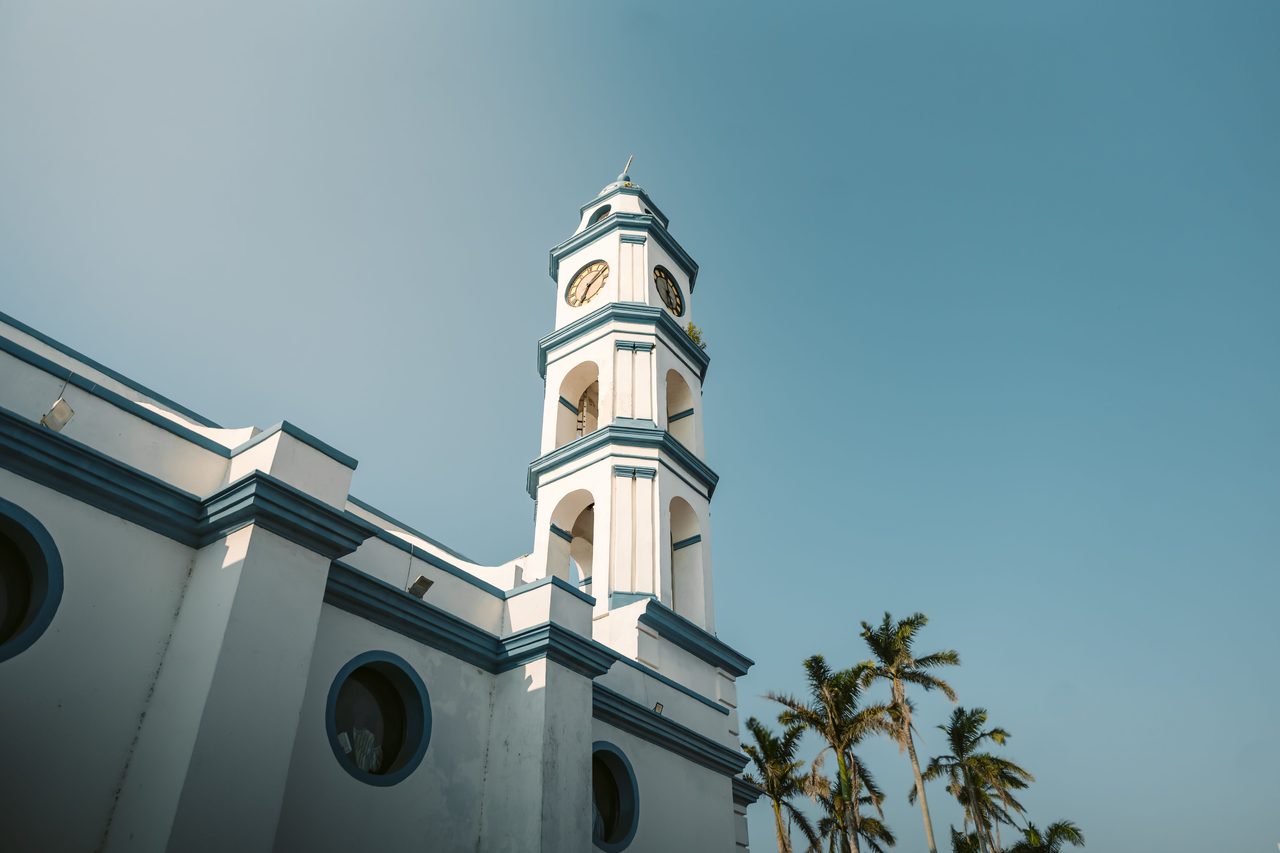
Veracruz · 23 Places · Best March-May and October-November
Veracruz
Veracruz is a long, humid state on Mexico's Gulf Coast, stretching from the tropical port city of Veracruz to the cool highland capital of Xalapa and the volcanic slopes of Pico de Orizaba. It blends Spanish colonial history, Afro-Caribbean and son jarocho music culture, Totonac and Olmec archaeological heritage, coffee country around Coatepec and Xico, and one of Mexico's busiest working ports.
Veracruz state runs about 700 km along the Gulf of Mexico, from the Huasteca in the north to the Isthmus of Tehuantepec in the south, and rises from tropical coastline to cloud forest and the snow-capped summit of Pico de Orizaba, Mexico's highest peak. The port city of Veracruz, Mexico's oldest and one of its busiest, mixes colonial fortifications like San Juan de Ula with a lively malecon, son jarocho music, and Caribbean-inflected cuisine. Inland, the state capital Xalapa offers a major anthropology museum and cool mountain air, while coffee towns Coatepec and Xico, colonial river town Tlacotalpan, and archaeological sites including El Tajin, Zempoala, and Quiahuiztlan draw travelers into the region's deep pre-Hispanic and colonial past. Beyond the cities, Los Tuxtlas' volcanic lakes and cloud forest and the Gulf coast's beaches and lagoons round out one of Mexico's most historically layered and least crowded states.
The 23 destinations our editors recommend — from iconic landmarks to under-the-radar finds.
San Juan de Ulua
This island fortress guarding the entrance to the port of Veracruz was built by the Spanish beginning in the 16th century and later served as a notorious prison. Visitors reach it by boat from the malecon and explore its bastions, dungeons, and drawbridges, which witnessed centuries of naval battles and sieges.
El Tajin Archaeological Zone
El Tajin is a UNESCO World Heritage Totonac city near Papantla, famous for the Pyramid of the Niches and its many ballcourts. The site flourished from around 600 to 1200 AD as one of the most important cities of pre-Hispanic Mexico and remains a major destination for the Voladores de Papantla ritual flyers.
Museo de Antropologia de Xalapa (MAX)
The second-most important anthropology museum in Mexico after the national museum in Mexico City, MAX houses an outstanding collection of Olmec colossal heads, Totonac and Huastec sculpture, and smiling-figure ceramics from across the state of Veracruz. Its garden-set galleries trace thousands of years of Gulf Coast civilization.
Zona Arqueologica de Cempoala
Cempoala (Zempoala) was the Totonac capital where Hernan Cortes formed his first indigenous alliance against the Aztec empire in 1519. The site preserves circular and rectangular temple platforms, plazas, and a site museum displaying artifacts from the ancient city.
Malecon de Veracruz
The waterfront promenade of Veracruz port runs along the harbor past the Plaza de Armas, cathedral, and Faro Carranza, filled with cafes, ice cream vendors, and son jarocho musicians in the evenings. It is the social heart of the city and the departure point for boats to San Juan de Ulua.
Acuario de Veracruz
The largest aquarium in Latin America when it opened, the Acuario de Veracruz displays Gulf of Mexico marine life alongside sharks, manatees, and a large shark tank, making it a popular family stop along the waterfront Playon de Hornos.
Recommended itineraries
Pick a length, follow the route. Each itinerary balances headline sights with breathing room.
5-Day Veracruz Explorer
Day 1Arrive in Veracruz, explore city center
Day 2Visit top attractions and museums
Day 3Day trip to nearby highlights
Day 4Local markets and hidden gems
Day 5Final sightseeing, departure
7-Day Classic Veracruz
Days 1-2Veracruz city highlights
Days 3-4Regional exploration
Days 5-6Cultural immersion and local experiences
Day 7Return and departure
14-Day Ultimate Veracruz
Days 1-3Veracruz comprehensive city tour
Days 4-6Northern region exploration
Days 7-9Eastern highlights
Days 10-12Southern attractions
Days 13-14Return to Veracruz, departure
Where to stay in Veracruz
Three tiers, every traveller covered — from cost-conscious to flagship hotels.
Budget $700 MXN (approx $40)
Hostels, budget hotels, and guesthouses offer affordable stays without sacrificing experience.
Mid-range $1,750 MXN (approx $100)
Boutique hotels and well-located accommodations provide comfort and convenience at reasonable prices.
Luxury $5,250 MXN+ (approx $300+)
World-class resorts and premium hotels deliver unforgettable experiences.
Gran Hotel Diligencias
Zocalo, Veracruz port · $$$$
A historic five-star hotel dating to 1794 that faces the Plaza de Armas (zocalo), the cathedral, and the government palace in the heart of the port city. Rooms range from classic to suite categories, and the property includes a rooftop pool and full-service spa overlooking the harbor. Rates run roughly MXN 2,800-5,500 (approx USD 160-315) per night.
A beachfront luxury resort on the Boca del Rio coast, with direct access to the sand, an outdoor pool, and event and business facilities. It draws both leisure travelers and conference guests to the Costa de Oro strip south of the port. Rates run roughly MXN 3,200-6,800 (approx USD 183-389) per night.
A large beachfront resort in Boca del Rio's Costa de Oro district, with multiple pools, extensive event space, and a stretch of private beach. The property is one of the port area's flagship convention and leisure hotels. Rates run roughly MXN 3,500-7,200 (approx USD 200-411) per night.
A tourist-class hotel a hundred meters from the Veracruz zocalo, with simple air-conditioned rooms and a rooftop pool. Its location puts the cathedral, government palace, and portside restaurants within easy walking distance. Rates run roughly MXN 900-1,800 (approx USD 51-103) per night.
Cafés, neighbourhood gems, and tasting menus worth the table reservation.
Gran Café de la Parroquia (Malecón)
Mexican coffeehouse, Veracruzano · $
The Malecón branch of Veracruz's oldest café serves café lechero poured tableside from tall kettles, alongside torrejas and pan dulce, with waterfront seating facing the harbor.
Gran Café del Portal
Mexican coffeehouse, Veracruzano · $
Facing the Veracruz Zócalo next to the Gran Hotel Diligencias, this century-old café pours its own version of café lechero and serves veracruzano breakfast plates under an arched portal.
El Cochinito de Oro
Traditional Mexican, Veracruzano bakery · $$
A longtime Veracruz institution combining a bakery counter with a sit-down menu of pambazos, tortas and traditional antojitos, popular for a quick breakfast or afternoon snack.
Mercado Hidalgo Fondas
Veracruzano market cooking, seafood · $
Family-run fonda counters inside Veracruz's oldest covered market serve seafood rice, crab soup and stuffed jaibas alongside the day's fish catch, priced well below tourist-strip restaurants.
Los Farolitos
Veracruzano traditional · $$
One of the port's representative seafood kitchens, serving the full range of veracruzano classics from red snapper in tomato sauce to seafood-stuffed fish fillets.
El Estribo Cantina
Traditional Mexican cantina fare · $$
A zócalo-side cantina where rounds of botanas arrive with every drink order, set against the live danzón bands that play the square most evenings.
Veracruz state's transport is anchored by three regional airports and the ADO bus network; a rental car adds the most flexibility for reaching inland highlands and archaeological sites.
Budget breakdown
Daily spend by tier in MXN, broken out by category.
Category
Budget
Mid-range
Luxury
Accommodation
$350 MXN (approx $20)
$900 MXN (approx $51)
$3,000 MXN (approx $171)
Food (per day)
$200 MXN (approx $11)
$450 MXN (approx $26)
$1,200 MXN (approx $69)
Transportation
$100 MXN (approx $6)
$200 MXN (approx $11)
$600 MXN (approx $34)
Activities
$50 MXN (approx $3)
$200 MXN (approx $11)
$450 MXN (approx $26)
Daily total
$700 MXN (approx $40)
$1,750 MXN (approx $100)
$5,250 MXN+ (approx $300+)
Best time to visit Veracruz
Weather through the year in Mexico
Best timeShoulderWorth avoiding
Average daytime temperature in °C. Figures are for Mexico.
Essential travel tips
Bring rain gear year-round, as the Gulf Coast climate is hot and humid with frequent showers
Learn a few Spanish phrases, as English is limited outside major hotels
Try huachinango a la veracruzana and cafe lechero, two regional specialties
Book buses between major cities a day ahead during Semana Santa and summer holidays
Hidden gems
Off-the-beaten-path corners most travellers miss.
Quiahuiztlan
A hilltop Totonac necropolis of tomb-like structures overlooking the Gulf of Mexico, far less visited than Zempoala
Villa Rica, near Actopan
Cascada de Texolo
A jungle waterfall near the coffee town of Xico, reached by suspension bridges and shaded trails
Xico, near Xalapa
Tlacotalpan
A UNESCO World Heritage river town of pastel colonnaded houses on the Papaloapan River, far quieter than the port city
Tlacotalpan
Safety information
INFO
Check the current US State Department and UK FCDO advisories shortly before travel, since conditions in parts of Veracruz state can change quickly
INFO
Stay within the well-touristed core of Veracruz port (malecon, zocalo, San Juan de Ulua), Boca del Rio, and central Xalapa, where police presence and foot traffic are higher
INFO
Avoid driving on rural highways after dark; use ADO first-class buses or daytime travel between cities such as Veracruz, Xalapa, Cordoba, and Papantla
INFO
Keep valuables out of sight on public buses and in crowded markets, especially during Carnaval week when pickpocketing risk rises with the crowds
INFO
Use registered taxis, hotel-arranged transport, or app-based ride services rather than hailing unmarked cabs, particularly at night or from bus terminals
INFO
Carry a copy of your passport and keep the original secured; police checkpoints are common on highways and require identification
INFO
Monitor local news for any temporary security alerts or road closures before undertaking day trips to El Tajin, Los Tuxtlas, or other rural sites
INFO
Drink bottled or purified water and use insect repellent in the evenings, given dengue risk during the rainy season
Frequently asked questions
Do I need a visa to visit Veracruz?
Most tourists, including from the US, Canada, and the EU, do not need a visa for stays up to 180 days but must obtain a Forma Migratoria Multiple (FMM) tourist permit, usually included in airline tickets or completed on arrival. Requirements vary by nationality, so check with the nearest Mexican consulate before traveling.
What is the best way to get to San Juan de Ulua?
San Juan de Ulua sits on an island connected by a causeway and is most easily reached by boat from the Veracruz malecon or by taxi across the causeway. The fortress is closed on Mondays, so plan a visit for another day of the week.
What food is Veracruz famous for?
Veracruz is known for huachinango a la veracruzana (red snapper in a tomato, olive, and caper sauce), fresh Gulf Coast seafood, cafe lechero (milk coffee poured tableside), and vanilla and coffee grown in the state's highlands around Coatepec and Xico.
What are the top attractions in Veracruz?
The top attractions in Veracruz include the San Juan de Ulua fortress, the UNESCO-listed El Tajin ruins near Papantla, Xalapa's Museo de Antropologia, the Zempoala archaeological site, and the lively malecon of Veracruz port. Each offers a distinct experience, from colonial fortifications to pre-Hispanic pyramid cities.
Is Veracruz safe for tourists?
The main tourist areas of Veracruz port, Xalapa, and coastal towns are generally safe, though travelers should avoid isolated areas at night, use toll roads when driving between cities, and check current travel advisories before visiting rural parts of the state.