Busan is South Korea's second-largest city and a vibrant port metropolis on the southeastern coast, where dramatic mountains meet stunning beaches and a world-class seafood scene. Known for its colorful hillside villages, dynamic film festival, and lively beach culture, Busan offers a compelling alternative to Seoul with its own distinct identity. The city seamlessly blends urban energy with natural beauty, from the neon-lit streets of Seomyeon to the serene temples of Beomeosa.
Busan is South Korea's dynamic second city, offering a unique blend of gorgeous beaches, fresh seafood, and rugged mountain scenery all within one metropolitan area. The city's diverse neighborhoods range from the artistic alleyways of Gamcheon Culture Village to the bustling fish stalls of Jagalchi Market. Busan hosts the prestigious Busan International Film Festival each October, drawing cinema lovers from around the world. With excellent public transport, vibrant nightlife, and some of Korea's best food, Busan is an unmissable destination.
The 26 destinations our editors recommend — from iconic landmarks to under-the-radar finds.
Haeundae Beach
Korea's most famous beach stretches 1.5km of white sand along the clear waters of the East Sea. In summer it draws millions of visitors for swimming, beach volleyball, and the vibrant festival atmosphere, while in winter it hosts the polar bear swim tradition.
Gamcheon Culture Village
Known as the 'Machu Picchu of Busan,' this colorful hillside village features pastel-painted houses cascading down the mountainside, public art installations, and creative cafes. Originally a settlement for wartime refugees, it was transformed into a vibrant art community from 2009 onward.
Jagalchi Fish Market
Korea's largest seafood market is a sensory feast of fresh fish, shellfish, and live sea creatures spread across a massive modern building and outdoor stalls. Visit the 2nd floor restaurants to have your purchased seafood prepared fresh, or simply explore the spectacle of the market below.
Gwangalli Beach
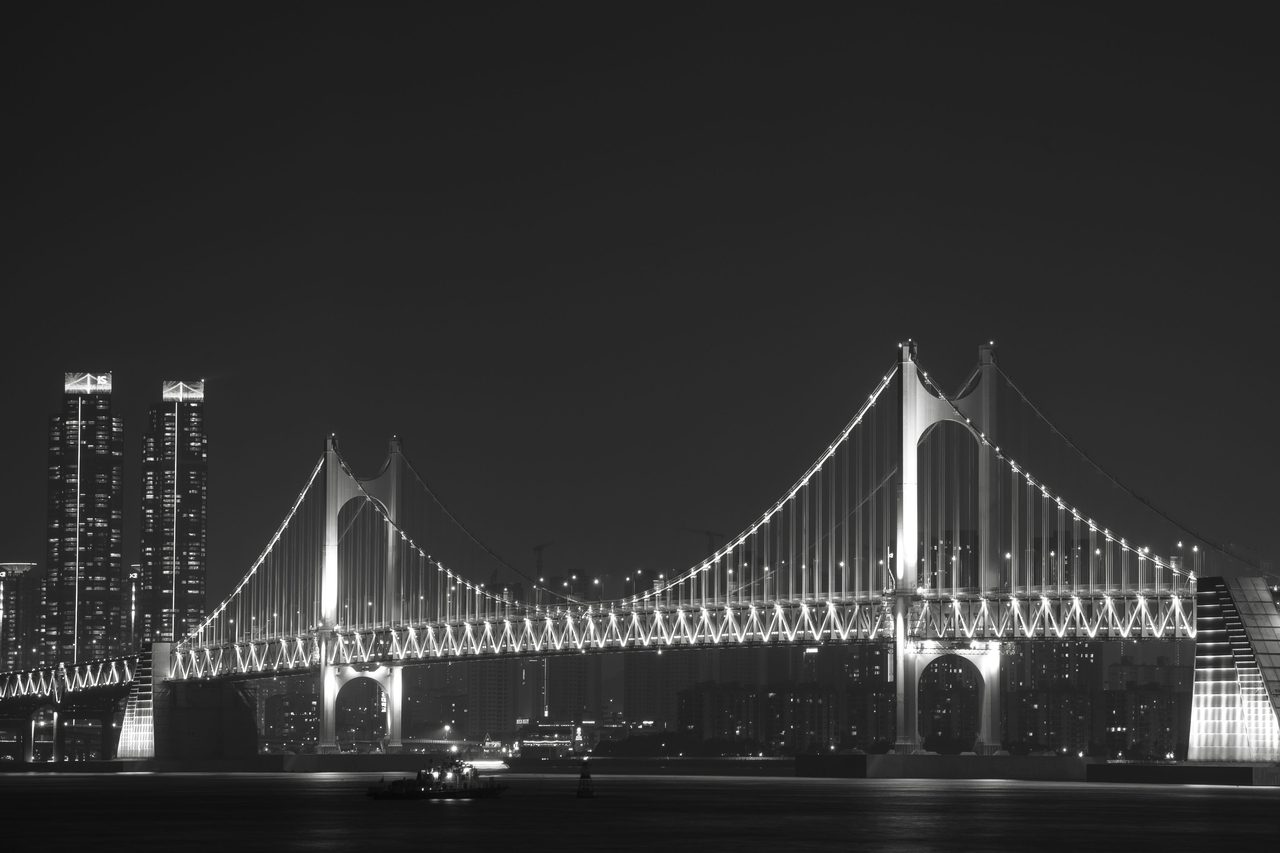
A favorite among locals, Gwangalli Beach offers stunning views of the iconic Gwangan Bridge (Diamond Bridge) illuminated at night. The 1.4km beach is backed by a lively strip of cafes, restaurants, and bars, making it particularly vibrant in the evenings.
Beomeosa Temple
One of the most important Buddhist temples in Korea, Beomeosa was founded in 678 AD on the slopes of Geumjeongsan Mountain. The complex includes beautiful wooden pavilions, stone pagodas, and serene courtyards surrounded by ancient pine forests.
Taejongdae Resort Park
This dramatic coastal park on the southern tip of Yeongdo Island features rugged cliffs dropping into the sea, dense forest, and a historic lighthouse. A miniature train (Danubi) tours the park, and the observation deck offers panoramic views of the Korea Strait.
Recommended itineraries
Pick a length, follow the route. Each itinerary balances headline sights with breathing room.
5-Day Busan Explorer
Day 1Arrive in Busan, explore city center
Day 2Visit top attractions and museums
Day 3Day trip to nearby highlights
Day 4Local markets and hidden gems
Day 5Final sightseeing, departure
7-Day Classic Busan
Days 1-2Busan city highlights
Days 3-4Regional exploration
Days 5-6Cultural immersion and local experiences
Day 7Return and departure
14-Day Ultimate Busan
Days 1-3Busan comprehensive city tour
Days 4-6Northern region exploration
Days 7-9Eastern highlights
Days 10-12Southern attractions
Days 13-14Return to Busan, departure
Where to stay in Busan
Three tiers, every traveller covered — from cost-conscious to flagship hotels.
Budget $40
Hostels, budget hotels, and guesthouses offer affordable stays without sacrificing experience.
Mid-range $100
Boutique hotels and well-located accommodations provide comfort and convenience at reasonable prices.
Luxury $300
World-class resorts and premium hotels deliver unforgettable experiences.
Park Hyatt Busan
Marine City, Haeundae · $$$$
Sleek ultramodern tower in the center of Marine City, Park Hyatt Busan offers breathtaking 360-degree views of Haeundae Beach, the sea, and city skyline. Every room is a corner suite with floor-to-ceiling windows, and the infinity pool on a high floor is one of the most spectacular in Asia.
A grand dame of Busan's luxury hotel scene, the Westin Chosun sits directly on Haeundae Beach offering unparalleled beachfront access. The hotel blends classic elegance with modern Korean hospitality, featuring exceptional dining and a full-service spa.
The crown jewel of Busan's luxury hotel scene, Signiel Busan occupies floors 42-101 of the LCT Landmark Tower, Korea's tallest building. Every room is a masterclass in design with panoramic ocean views, and the hotel offers bespoke butler service.
The ultra-luxurious Grand Joseon Busan occupies a stunning tower in Haeundae with panoramic ocean views and some of the finest rooms in the city. The hotel features a rooftop infinity pool, world-class spa, and several acclaimed restaurants.
Cafés, neighbourhood gems, and tasting menus worth the table reservation.
Gijang Daege Gukbap
Korean (Pork Soup) · $
One of Busan's most legendary dwaeji gukbap restaurants, serving the city's signature pork and rice soup that has sustained locals since the Korean War era. The milky broth is rich and deeply flavorful, served with kimchi and condiments.
Halmae Gukbap
Korean (Pork Soup) · $
A legendary family-run gukbap restaurant that has been serving the same recipe for decades. The grandmother-style cooking yields an exceptionally clear but flavorful bone broth, beloved by generations of Busan locals.
Jagalchi Market Restaurant Row
Korean Seafood · $$
The second floor of Jagalchi Market is lined with restaurants where you can bring fish purchased downstairs and have it prepared to your liking. The raw fish (hoe) and grilled options are incredibly fresh and at market prices.
Wonjo Halmae Nakji Bokkeum
Korean (Spicy Octopus) · $
Famous throughout Busan for its extremely spicy stir-fried baby octopus, this no-frills restaurant serves a dish that perfectly encapsulates Busan's bold flavors. A true local institution that has been feeding fire-food lovers for decades.
Gijang Haemul Pajeon
Korean (Seafood Pancake) · $
Located in Gijang on Busan's eastern coast, this restaurant near Gijang Market is renowned for making the finest seafood and green onion pancakes (pajeon) in Korea. The pancakes are loaded with fresh local seafood.
Yoongyung Milmyeon
Korean (Cold Noodles) · $
Milmyeon (wheat noodles in cold broth) is a beloved Busan specialty invented during the Korean War when refugee women created new noodles from wheat flour. This renowned restaurant has served the dish to generations of locals.
Busan has an excellent public transport system including 4 metro lines, extensive bus network, and taxis
Metro
4 lines covering major attractions, clean and efficient
Cost: ₩1,350-1,800
Bus
Extensive network reaching all areas of Busan
Cost: ₩1,200
Taxi
Metered taxis widely available, affordable for short trips
Cost: ₩3,800 base fare
Budget breakdown
Daily spend by tier in KRW, broken out by category.
Category
Budget
Mid-range
Luxury
Accommodation
$15
$60
$200
Food (per day)
$12
$25
$70
Transportation
$5
$8
$20
Activities
$8
$15
$30
Daily total
$40
$100
$300
Best time to visit Busan
Weather through the year in South Korea
Best timeShoulderWorth avoiding
Average daytime temperature in °C. Figures are for South Korea.
Essential travel tips
Get a T-money card for convenient public transport
Visit Jagalchi Market early morning for the freshest seafood
Haeundae Beach is packed in summer - visit Songjeong for quieter alternative
Many restaurants and shops close for Chuseok and Lunar New Year
Hidden gems
Off-the-beaten-path corners most travellers miss.
Choryang Ibagu-gil
Narrow hillside alleyways with murals and sea views near Busan Station
Dong-gu, Busan
Amnam Park
Wooded coastal park in western Busan rarely visited by tourists, with walking trails and ocean viewpoints
Seo-gu, Busan
Dadaepo Beach
Western Busan's quieter beach famous for its spectacular sunset over the Nakdong estuary
Saha-gu, Busan
Eulsukdo Bird Sanctuary
An islet at the mouth of the Nakdong River that hosts tens of thousands of migratory birds each winter
Saha-gu, Busan
Cheongsapo Village
Quiet fishing village on the east coast of Busan near Haeundae with a twin lighthouse and ocean atmosphere
Haeundae-gu, Busan
Safety information
INFO
Register with your country's embassy before traveling to Korea for safety notifications
INFO
Keep a photocopy of your passport in a separate location from the original
INFO
Download the Kakao T app for safe, metered taxi rides - avoid unmarked or unofficial taxis
INFO
Keep valuables secure in crowded markets like Jagalchi, Gukje, and BIFF Square areas
INFO
Be aware of the beach flag warning system: green = safe, yellow = caution, red = no swimming, black = forbidden
INFO
Dehydration and heat exhaustion are real risks during Busan's hot and humid July-August beach season
INFO
Watch your step on the steep and sometimes slippery alleyways of Gamcheon Culture Village, especially after rain
INFO
Avoid jaywalking on busy roads - traffic laws in Korea are strictly enforced
INFO
Most late-night entertainment areas are safe; use common sense as you would in any major city
INFO
Save the 1330 Korea Tourism Hotline in your phone for help in any non-emergency situation
INFO
Korea's public transport is very safe at all hours; taxis are also generally trustworthy
INFO
The Busan Police Tourist Assistance Center (near Haeundae) can help with minor issues and reporting
Frequently asked questions
What is the best time to visit Busan?
Busan has a humid subtropical climate (Köppen classification Cfa) with four distinct seasons. The city's coastal position moderates temperatures somewhat compared to inland Korean cities, making winte
Do I need a visa to visit Busan?
Entry requirements follow South Korea rules. Most Western nationals can enter visa-free for 90 days under the K-ETA system. US, UK, EU, Australian, and Canadian citizens do not require a visa for stays under 90 days. Requirements vary by nationality, so check with your nearest embassy or the official immigration website before traveling.
What currency is used in Busan?
The currency in Busan is the Korean Won (KRW). ATMs are widely available in cities and tourist areas. Credit cards are accepted at most hotels and restaurants, but carry cash for markets and smaller establishments.
What language is spoken in Busan?
The main language(s) spoken in Busan: Korean. In tourist areas, English is generally understood. Learning a few basic phrases in the local language is appreciated by locals.
What are the top attractions in Busan?
The top attractions in Busan include Haeundae Beach, Gamcheon Culture Village, Jagalchi Fish Market, Gwangalli Beach, and Beomeosa Temple. Each offers a unique experience, from historic landmarks to natural wonders.
How do I get around Busan?
Busan has an excellent, affordable, and comprehensive public transport system that makes it easy to explore the entire city without a car. The metro (subway) is the backbone of city transport, with 4 lines connecting all major tourist areas. Buses supplement the metro for neighborhoods not on the rail network. Taxis are metered, plentiful, and affordable for short trips.