
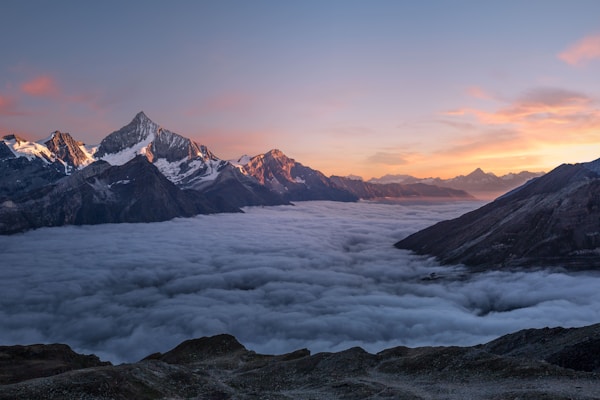
Gyeongbokgung Palace
The largest and most iconic of Seoul's five grand palaces, built in 1395 during the Joseon Dynasty. Watch the colorful changing of the guard ceremony and explore the National Palace Museum and Folk Museum within the grounds.
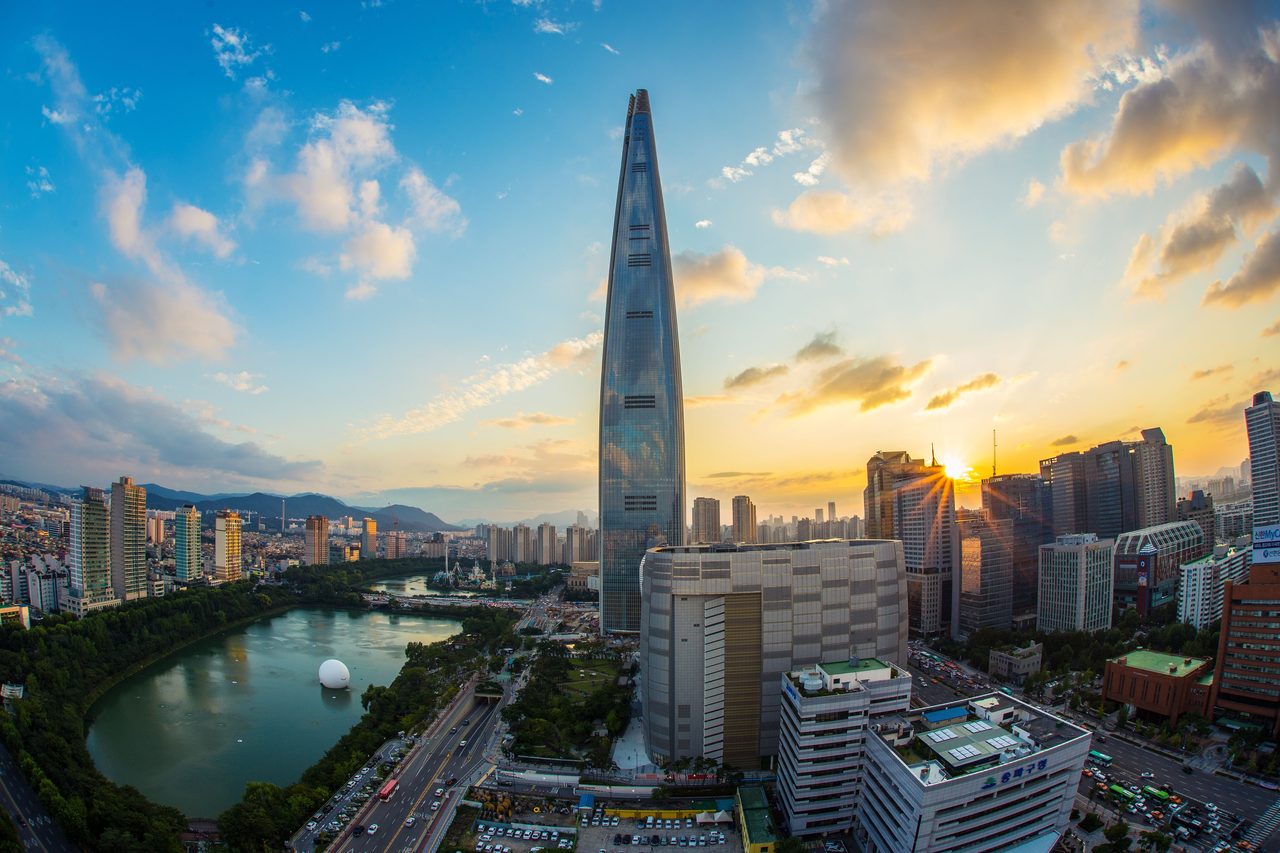
Asia · 33 Places · Best April-June, September-November
South Korea blends ancient traditions with state-of-the-art modernity, offering visitors a unique experience from Seoul's neon-lit streets to tranquil Buddhist temples. Discover K-pop culture, UNESCO World Heritage sites, world-class cuisine, and stunning natural landscapes from volcanic islands to mountain ranges.
South Korea blends ancient traditions with state-of-the-art modernity, offering visitors a unique experience from Seoul's neon-lit streets to tranquil Buddhist temples. Discover K-pop culture, UNESCO World Heritage sites, world-class cuisine, and stunning natural landscapes from volcanic islands to mountain ranges.
Jump straight to the experience you're planning.
The 33 destinations our editors recommend — from iconic landmarks to under-the-radar finds.
The largest and most iconic of Seoul's five grand palaces, built in 1395 during the Joseon Dynasty. Watch the colorful changing of the guard ceremony and explore the National Palace Museum and Folk Museum within the grounds.
A traditional Korean village with hundreds of hanok (traditional houses) dating back to the Joseon Dynasty, now home to cultural centers, tea houses, and galleries. Wander the narrow alleyways for stunning views of Seoul.
Seoul's most recognizable landmark atop Namsan Mountain, offering 360-degree views of the sprawling metropolis. The tower features observation decks, restaurants, and the famous love lock terrace.

A UNESCO World Heritage Site and the best-preserved of Seoul's royal palaces, famous for its stunning Secret Garden (Huwon) with pavilions, lotus ponds, and centuries-old trees.

The heavily fortified border between North and South Korea, offering a sobering look at the Korean War's legacy. Visit the Joint Security Area, infiltration tunnels, and Dora Observatory overlooking North Korea.

Seoul's premier shopping and street food district packed with Korean cosmetics stores, fashion boutiques, and endless food stalls. The epicenter of K-beauty culture with every major brand represented.
Pick a length, follow the route. Each itinerary balances headline sights with breathing room.
Three tiers, every traveller covered — from cost-conscious to flagship hotels.
Hostels, budget hotels, and guesthouses offer affordable stays without sacrificing experience.
Boutique hotels and well-located accommodations provide comfort and convenience at reasonable prices.
World-class resorts and premium hotels deliver unforgettable experiences.
Ultra-luxury hotel in the heart of Gwanghwamun with stunning city and mountain views. Features a world-class spa, Michelin-starred dining, and impeccable service in a modern setting with traditional Korean touches.
Check rates on Booking.comModern boutique hotel in the heart of Myeongdong shopping district offering comfortable rooms, rooftop terrace, and excellent location for shopping and dining.
Check rates on Booking.comPopular hostel in trendy Hongdae area offering dorms and private rooms, communal kitchen, rooftop terrace, and social atmosphere. Great for meeting fellow travelers.
Check rates on Booking.comSophisticated luxury hotel in Gangnam offering contemporary elegance, exceptional dining at Cornerstone restaurant, and panoramic city views from the indoor pool. Perfect for business and leisure travelers.
Check rates on Booking.comCafés, neighbourhood gems, and tasting menus worth the table reservation.
Three Michelin-starred restaurant at The Shilla Hotel serving exquisite Korean cuisine with modern techniques. Exceptional service and traditional Korean fine dining experience with panoramic city views.
Famous for traditional samgyetang (ginseng chicken soup), this restaurant has been serving the specialty for decades near Gyeongbokgung Palace. Expect lines but worth the wait.
Popular Korean toast chain serving sweet and savory breakfast sandwiches. Quick, cheap, and beloved by locals for on-the-go breakfast.
Dense concentration of street food vendors offering everything from tornado potatoes to cheese lobster. Tourist-friendly with variety of Instagram-worthy snacks.
Industrial-chic cafe in converted factory building famous for pastries and breads. Architectural gem with excellent coffee and baked goods.
Three Michelin-starred restaurant specializing in refined traditional Korean cuisine using seasonal ingredients. Elegant private dining rooms and exceptional presentation.
Book a food tour in South Korea We may earn a commission from bookings made through this link.
Transportation options in South Korea include local buses, taxis, and rental cars. Check local conditions before planning your travel.
Daily spend by tier in USD, broken out by category.
| Category | Budget | Mid-range | Luxury |
|---|---|---|---|
| Accommodation | $15-25 (hostel dorm or budget guesthouse) | $50-90 (3-star hotel or nice guesthouse) | $200-400+ (5-star hotels, luxury resorts) |
| Food (per day) | $12-20 (street food, convenience stores, budget restaurants) | $30-50 (mix of casual and mid-range restaurants) | $80-150+ (fine dining, premium restaurants) |
| Transportation | $5-8 (subway, local buses with T-money card) | $10-20 (subway, occasional taxis, some intercity) | $30-60 (taxis, private transfers, first class trains) |
| Activities | $8-12 (free attractions, some paid sites) | $20-30 (attractions, tours, experiences) | $50-100+ (private tours, premium experiences, shopping) |
| Daily total | $40-60 | $100-180 | $350-600+ |
Best time Shoulder Worth avoiding
Average daytime temperature in °C. Figures are for South Korea.
Avoid participating in political demonstrations as it's illegal for foreigners
Some prescription medications require pre-approval - check before traveling
Poppy seeds are illegal in South Korea
Be aware of increased demonstrations near the National Assembly
Keep copies of your passport and important documents
Register with your country's embassy upon arrival — the South Korean government is stable but embassy registration ensures you receive travel alerts and emergency assistance.
Use only licensed taxis (orange or black) or ride-hailing apps like Kakao Taxi — unlicensed taxis occasionally overcharge tourists near nightlife areas.
Tap water is safe to drink in Seoul and major cities, though many locals prefer bottled or filtered water due to older pipe infrastructure.
Purchase travel insurance that covers medical evacuation — quality healthcare is widely available but can be expensive for foreigners without coverage.
Download the Papago translation app and Kakao Maps before arrival — Google Maps has limited functionality due to Korean data regulations.
South Korea is one of the safest countries in Asia for travelers with extremely low violent crime rates and excellent infrastructure. Solo travelers, women, families, and LGBTQ+ visitors generally feel comfortable throughout the country, though some cultural sensitivity is required. Emergency services: police at 112, medical at 119.
The best time to visit South Korea is April-June, September-November. South Korea has a continental climate with four distinct seasons. Summers are hot and humid with a monsoon season (jangma) from late June to late July bringing heavy rainfall. Winters are cold and dry
No visa required for stays up to 90 days. K-ETA exemption extended through December 31, 2025. Passport must be valid at time of entry. Requirements vary by nationality, so check with your nearest embassy or the official immigration website before traveling.
The currency in South Korea is the South Korean Won (KRW) (KRW). ATMs are widely available in cities and tourist areas. Credit cards are accepted at most hotels and restaurants, but carry cash for markets and smaller establishments.
The main language(s) spoken in South Korea: Korean (official), English (widely spoken in tourist areas and by younger generation). In tourist areas, English is generally understood. Learning a few basic phrases in the local language is appreciated by locals.
The top attractions in South Korea include Gyeongbokgung Palace, Bukchon Hanok Village, N Seoul Tower, Changdeokgung Palace & Secret Garden, and DMZ (Demilitarized Zone). Each offers a unique experience, from historic landmarks to natural wonders.
Each region has its own character — coastal, alpine, vineyard, capital. Pick a starting point.
Busan is South Korea's second-largest city and a vibrant port metropolis on the southeastern coast, where dramatic mountains meet stunning beaches and a world-class seafood scene. Known for its colorful hillside villages, dynamic film festival, and lively beach culture, Busan offers a compelling alternative to Seoul with its own distinct identity. The city seamlessly blends urban energy with natural beauty, from the neon-lit streets of Seomyeon to the serene temples of Beomeosa.
Jeju is South Korea's largest island province, located off the southern coast of the Korean Peninsula, renowned for its dramatic volcanic landscapes, pristine beaches, and unique cultural heritage. Often called the 'Hawaii of Korea,' the island is home to Hallasan, South Korea's highest peak, UNESCO World Natural Heritage sites, and the legendary haenyeo female divers. With a subtropical climate and year-round appeal, Jeju blends natural wonders with modern resorts.
Seoul is South Korea's dynamic capital city, a megacity where ancient palaces and traditional markets coexist alongside gleaming skyscrapers and state-of-the-art technology. With a rich cultural heritage spanning over 600 years as the Joseon Dynasty capital, Seoul offers world-class cuisine, vibrant nightlife, and extraordinary shopping.