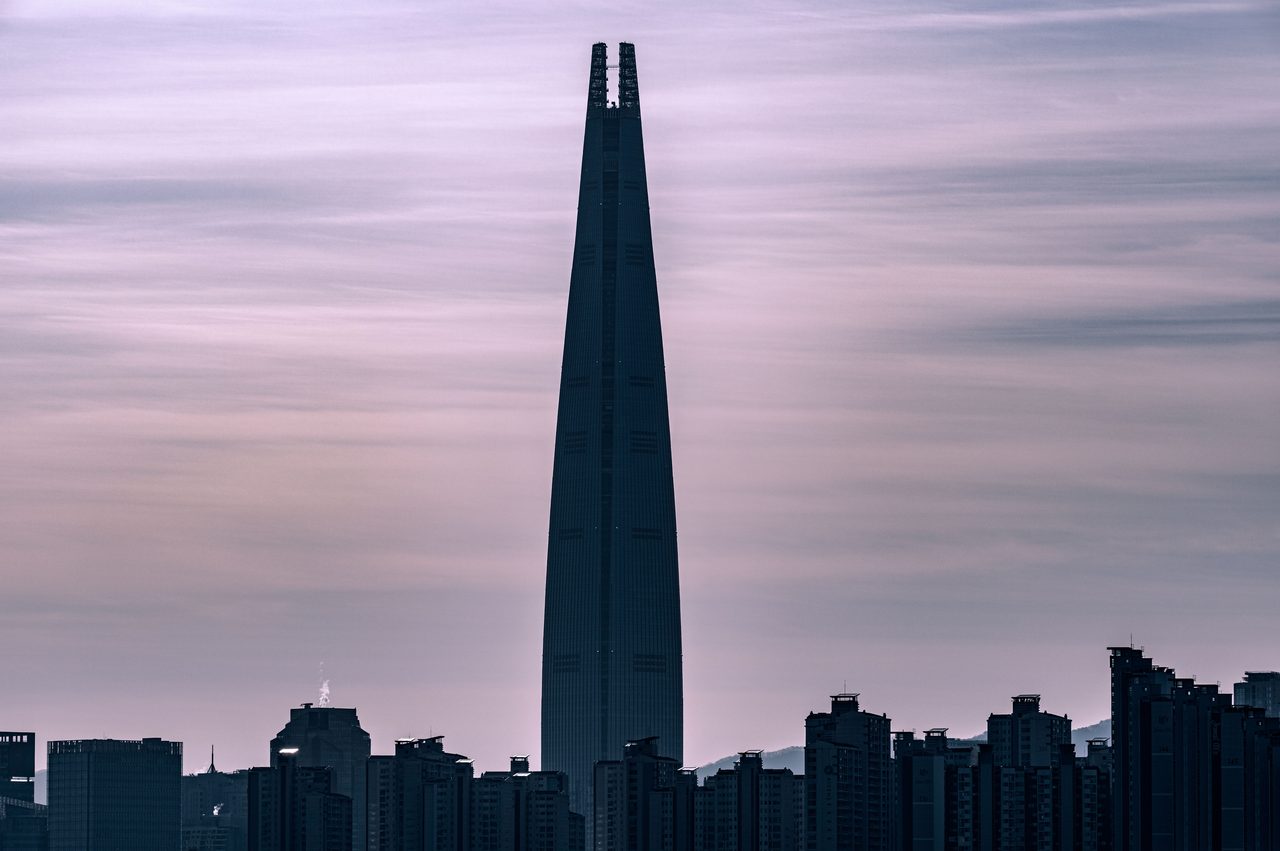
Seoul · 26 Places · Best April-May, September-October
Seoul
Seoul is South Korea's dynamic capital city, a megacity where ancient palaces and traditional markets coexist alongside gleaming skyscrapers and state-of-the-art technology. With a rich cultural heritage spanning over 600 years as the Joseon Dynasty capital, Seoul offers world-class cuisine, vibrant nightlife, and extraordinary shopping.
Seoul is a city of extraordinary contrasts where 600-year-old palaces stand in the shadows of glass towers, and narrow alleyways filled with street food vendors lead to Michelin-starred restaurants. The Han River divides the city between the historic north and the modern south, home to the Gangnam district. As one of Asia's most sophisticated cities, Seoul delivers world-class infrastructure, a thriving K-pop and entertainment scene, and some of the world's best street food.
The 26 destinations our editors recommend — from iconic landmarks to under-the-radar finds.
Gyeongbokgung Palace
Gyeongbokgung is Seoul's largest and most magnificent royal palace, built in 1395 as the main palace of the Joseon Dynasty. The sprawling complex features the iconic Gwanghwamun Gate, the Throne Hall (Geunjeongjeon), and the picturesque Gyeonghoeru Pavilion set on a lake. The famous changing of the royal guard ceremony takes place daily at the main gate and is one of Seoul's most photographed events.
Bukchon Hanok Village
Bukchon Hanok Village is a traditional Korean village featuring hundreds of preserved hanok (traditional wooden houses) dating from the Joseon Dynasty. Nestled between Gyeongbokgung and Changdeokgung palaces, the village offers a glimpse into Seoul's aristocratic past with narrow alleyways, tiled rooftops, and stunning views over the modern city. Many hanoks now serve as guesthouses, tea houses, and cultural experience centers.
N Seoul Tower (Namsan Tower)
Standing at 479 meters above sea level atop Namsan Mountain, N Seoul Tower is one of Seoul's most iconic landmarks and offers breathtaking 360-degree views over the entire city. The tower features observation decks, restaurants, and the famous 'love lock' fence where couples attach padlocks as symbols of eternal love. The surrounding Namsan Park is a beautiful urban forest with walking and hiking trails.
Changdeokgung Palace & Secret Garden
A UNESCO World Heritage Site, Changdeokgung is widely considered the most beautiful of Seoul's Five Grand Palaces. Built in 1405 as a secondary royal residence, it features stunning traditional architecture harmoniously integrated with the natural landscape. The Huwon (Secret Garden) is an exquisite 78-acre royal garden with forested hills, lotus ponds, and beautiful pavilions that can only be visited on guided tours.
Insadong
Insadong is Seoul's premier cultural district, a charming area of art galleries, antique shops, traditional tea houses, and craft stores. The main pedestrian street (Insa-gil) and its winding alleyways are filled with vendors selling traditional Korean art, celadon pottery, hanji paper crafts, and unique souvenirs. The area is particularly lively on weekends with street performers and cultural events.
Myeongdong
Myeongdong is Seoul's most popular shopping and street food district, attracting millions of visitors annually. The bustling pedestrian streets are lined with Korean cosmetics brands (Innisfree, Etude House, Missha), fashion stores, and an extraordinary array of street food vendors selling tteokbokki, hotteok, tornado potatoes, and seafood skewers. By evening the street food scene comes fully alive.
Recommended itineraries
Pick a length, follow the route. Each itinerary balances headline sights with breathing room.
5-Day Seoul Explorer
Day 1Arrive in Seoul, explore city center
Day 2Visit top attractions and museums
Day 3Day trip to nearby highlights
Day 4Local markets and hidden gems
Day 5Final sightseeing, departure
7-Day Classic Seoul
Days 1-2Seoul city highlights
Days 3-4Regional exploration
Days 5-6Cultural immersion and local experiences
Day 7Return and departure
14-Day Ultimate Seoul
Days 1-3Seoul comprehensive city tour
Days 4-6Northern region exploration
Days 7-9Eastern highlights
Days 10-12Southern attractions
Days 13-14Return to Seoul, departure
Where to stay in Seoul
Three tiers, every traveller covered — from cost-conscious to flagship hotels.
Budget $40
Hostels, budget hotels, and guesthouses offer affordable stays without sacrificing experience.
Mid-range $100
Boutique hotels and well-located accommodations provide comfort and convenience at reasonable prices.
Luxury $300+
World-class resorts and premium hotels deliver unforgettable experiences.
Lotte Hotel Seoul
Seoul · $$$$
Lotte Hotel Seoul is the most iconic luxury hotel in the city, located in the heart of Myeongdong shopping district. The hotel's twin towers offer 1,120 rooms and suites with panoramic city views, multiple award-winning restaurants, an executive club, and the Fitness & Leisure Center with an indoor pool. It remains the preferred choice for visiting heads of state and dignitaries.
The Shilla Seoul is one of Korea's most prestigious hotels, operated by Samsung's hospitality group. Set in a serene location surrounded by 23 acres of garden, the hotel offers exceptional Korean dining at La Yeon (three Michelin stars), a world-class spa, and impeccable Korean-style service. Its blend of traditional Korean aesthetics and modern luxury makes it unique among Seoul's top hotels.
The Four Seasons Hotel Seoul opened in 2015 and occupies a prime location near Gyeongbokgung Palace in the historic Gwanghwamun area. The 317-room hotel features the acclaimed Mun restaurant, a spectacular rooftop pool, a 2,500 square meter spa, and some of the city's largest rooms. Its location between the historic north Seoul and the business district makes it ideal for first-time visitors.
The Park Hyatt Seoul occupies the top floors of the COEX complex in Gangnam, offering minimalist luxury with floor-to-ceiling windows and stunning city views. The hotel's design aesthetic draws on the concept of 'house in the sky,' with open-plan rooms that blur the boundaries between sleeping, bathing, and living spaces. The rooftop pool and bar are highlights of the Seoul luxury scene.
Cafés, neighbourhood gems, and tasting menus worth the table reservation.
La Yeon
Modern Korean · $$$$
La Yeon at The Shilla Hotel is Korea's most decorated restaurant, holding three Michelin stars and consistently ranked among Asia's best restaurants. Chef Kim Sung Il presents refined Korean royal court cuisine using premium seasonal ingredients from across Korea, served in an elegant dining room with views of Namsan Mountain. The tasting menus are a journey through the finest expressions of Korean culinary tradition.
Gaon
Modern Korean · $$$$
Gaon is a three Michelin-starred restaurant in Gangnam that celebrates the philosophy of Korean royal cuisine with contemporary refinement. Set in a beautiful traditional-style space, Gaon's multi-course tasting menus present dishes inspired by ancient Korean court recipes, prepared with the finest seasonal Korean ingredients. The restaurant is considered one of the best expressions of Korean fine dining in the world.
Mingles
Modern Korean Fusion · $$$$
Mingles, helmed by chef Mingoo Kang, is a celebrated two Michelin-starred restaurant in Gangnam that inventively blends Korean culinary traditions with contemporary global techniques. The result is creative, beautiful dishes that bridge Korean flavors with international sensibilities. Considered one of the most exciting fine dining destinations in Seoul.
Jungsik
New Korean · $$$$
Jungsik is a two Michelin-starred restaurant by chef Jung Sik Yim that pioneered 'New Korean' cuisine, applying modernist techniques to traditional Korean ingredients and flavor profiles. The elegant Cheongdam-dong restaurant serves sophisticated tasting menus that have influenced a generation of Korean chefs. Jungsik's New York outpost also holds two Michelin stars.
Tosokchon Samgyetang
Korean · $$
Tosokchon is Seoul's most famous samgyetang (ginseng stuffed chicken soup) restaurant, renowned for its restorative and deeply flavored broth. Located in a series of connected traditional buildings near Gyeongbokgung Palace, the restaurant serves its iconic dish in a thick ceramic pot with ginseng, jujubes, and glutinous rice. The queues can be long, but the experience is essential Seoul.
Maple Tree House Itaewon
Korean BBQ · $$$
Maple Tree House is one of Seoul's most celebrated Korean BBQ restaurants, famous for its premium aged Hanwoo beef grilled over charcoal. Set in a beautiful restored hanok in Itaewon Hill, the restaurant offers an elevated BBQ experience with exceptional meat quality, comprehensive side dishes (banchan), and an excellent Korean wine and spirits list. A benchmark for Korean BBQ dining.
Seoul boasts one of the world's finest and most comprehensive public transport systems, regularly rated the best in Asia. The integrated metro, bus, and taxi network makes getting around Seoul efficient, affordable, and easy. The T-Money card is the essential tool for navigating Seoul's transit system and is accepted on all public transport.
Budget breakdown
Daily spend by tier in KRW, broken out by category.
Category
Budget
Mid-range
Luxury
Accommodation
$15
$50
$200
Food (per day)
$10
$30
$60
Transportation
$5
$10
$30
Activities
$10
$20
$50
Daily total
$40
$100
$300+
Best time to visit Seoul
Weather through the year in South Korea
Best timeShoulderWorth avoiding
Average daytime temperature in °C. Figures are for South Korea.
Essential travel tips
Get a T-Money card for transit
Download Kakao Maps and Kakao T
Try street food in Myeongdong
Book DMZ tours in advance
Hidden gems
Off-the-beaten-path corners most travellers miss.
Ihwa Mural Village
Colorful street art village on Naksan Hill
Jongno-gu
Seochon Village
Traditional hanok neighborhood west of Gyeongbokgung
Jongno-gu
Mangwon Market
Local market less touristy than Gwangjang
Mapo-gu
Safety information
INFO
Keep valuables secure in crowded markets
INFO
Use licensed taxis or Kakao T app
INFO
Be aware of traffic when crossing streets
INFO
Keep copies of important documents
Frequently asked questions
Do I need a visa to visit Seoul?
Entry requirements follow South Korea rules. Many nationalities can enter visa-free for 90 days under K-ETA. US, EU, and most Western passport holders enjoy visa-free access. Requirements vary by nationality, so check with your nearest embassy or the official immigration website before traveling.
What currency is used in Seoul?
The currency in Seoul is the South Korean Won (KRW). ATMs are widely available in cities and tourist areas. Credit cards are accepted at most hotels and restaurants, but carry cash for markets and smaller establishments.
What language is spoken in Seoul?
The main language(s) spoken in Seoul: Korean. In tourist areas, English is generally understood. Learning a few basic phrases in the local language is appreciated by locals.
Explore Seoul by city
The cities below have their own guides — hotels, attractions and where to eat, in depth.