Africa · 26 Places · Best April-May, September-October
Tunisia
Tunisia blends ancient history with Mediterranean charm, from the ruins of Carthage to the blue-and-white streets of Sidi Bou Said. Explore Roman amphitheaters, Saharan oases, and pristine coastal beaches in North Africa's most accessible destination.
Tunisia blends ancient history with Mediterranean charm, from the ruins of Carthage to the blue-and-white streets of Sidi Bou Said. Explore Roman amphitheaters, Saharan oases, and pristine coastal beaches in North Africa's most accessible destination.
Capital
Tunis
Largest city
Tunis
Population
12,000,000
Languages
Arabic (official), French (widely spoken), English (tourist areas)
The 26 destinations our editors recommend — from iconic landmarks to under-the-radar finds.
Carthage Archaeological Site
Ancient Phoenician city founded in 814 BC, later capital of the Roman province of Africa. Explore the Antonine Baths, Roman Theatre, and Punic ports. UNESCO World Heritage Site with ruins spanning over 1,000 years of history.
Sidi Bou Said
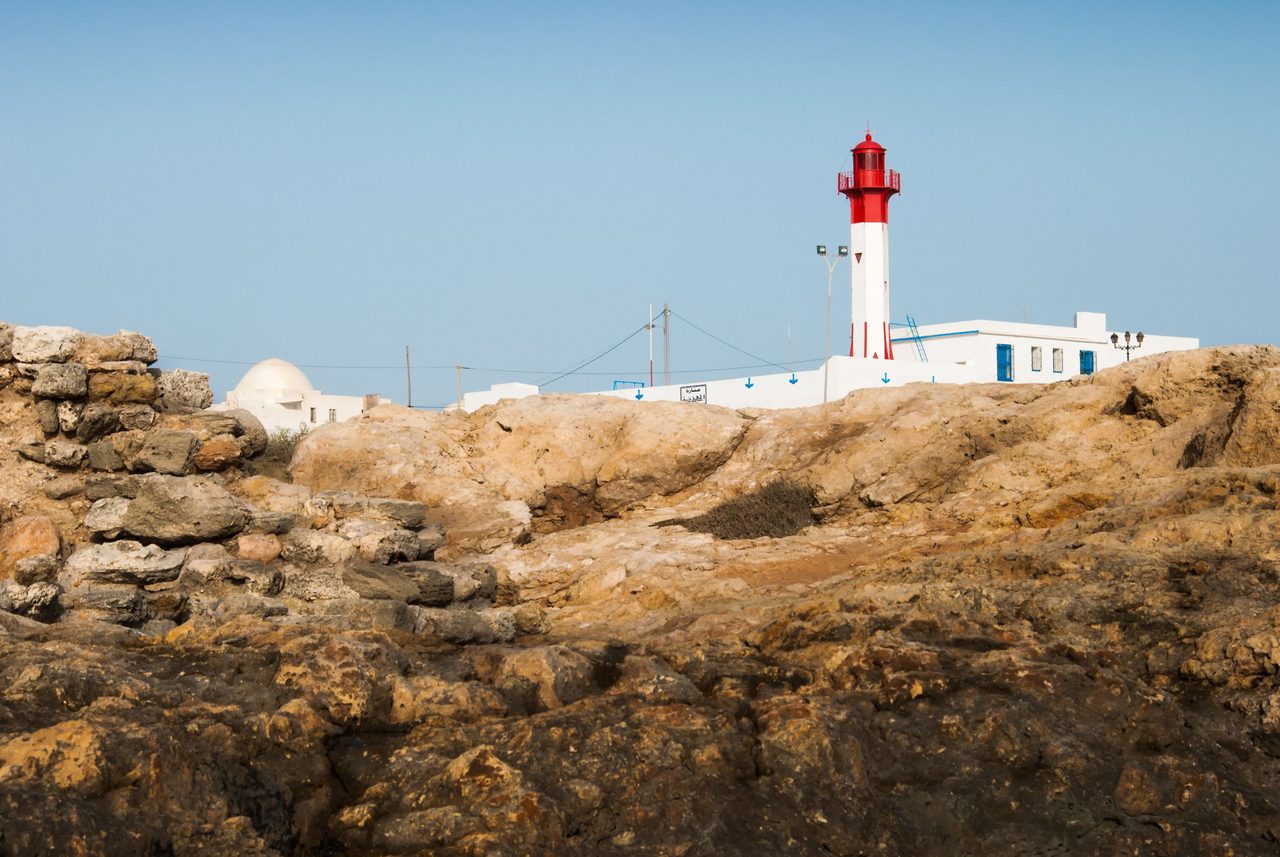
Picturesque clifftop village famous for whitewashed buildings with bright blue doors and window frames. Stunning Mediterranean views, art galleries, cafes, and Tunisia's oldest lighthouse. A photographer's paradise.
El Djem Amphitheatre
Best-preserved Roman amphitheatre in Africa and third-largest in the Roman Empire. Built around 238 AD, it could hold 35,000 spectators. Underground passages where gladiators and animals were kept are accessible.
Medina of Tunis
UNESCO World Heritage Site and one of the best-preserved medieval medinas in the Arab world. Over 700 historic monuments including mosques, palaces, and fountains. Labyrinthine souks selling everything from spices to carpets.
Bardo National Museum
World's finest collection of Roman mosaics housed in former Beyical palace. Over 8,000 works spanning Carthaginian, Roman, Christian, and Islamic periods. Second most important museum in Africa after Cairo's Egyptian Museum.
Djerba Island
Largest island in North Africa with 125km of coastline. UNESCO World Heritage Site known for white sandy beaches, ancient El Ghriba Synagogue, traditional pottery workshops in Guellala, and laid-back Mediterranean lifestyle.
Recommended itineraries
Pick a length, follow the route. Each itinerary balances headline sights with breathing room.
5-Day Tunisia Explorer
Day 1Arrive in Tunisia, explore city center
Day 2Visit top attractions and museums
Day 3Day trip to nearby highlights
Day 4Local markets and hidden gems
Day 5Final sightseeing, departure
7-Day Classic Tunisia
Days 1-2Tunisia city highlights
Days 3-4Regional exploration
Days 5-6Cultural immersion and local experiences
Day 7Return and departure
14-Day Ultimate Tunisia
Days 1-3Tunisia comprehensive city tour
Days 4-6Northern region exploration
Days 7-9Eastern highlights
Days 10-12Southern attractions
Days 13-14Return to Tunisia, departure
Where to stay in Tunisia
Three tiers, every traveller covered — from cost-conscious to flagship hotels.
Budget $30-37 (87-108 TND)
Hostels, budget hotels, and guesthouses offer affordable stays without sacrificing experience.
Mid-range $60-74 (177-219 TND)
Boutique hotels and well-located accommodations provide comfort and convenience at reasonable prices.
Luxury $250+ (750+ TND)
World-class resorts and premium hotels deliver unforgettable experiences.
Mövenpick Resort & Marine Spa Sousse
Sousse 4000 · $130-200
Five-star beachfront resort with 618 rooms, multiple pools, thalassotherapy spa, and private beach. First international chain resort in Sousse with exceptional marine spa facilities and family-friendly amenities.
Beachfront resort in Hammamet with good facilities and value. Multiple pools, beach access, restaurants, and entertainment. Popular with families and couples seeking comfortable beach holiday.
Clean hostel in central Tunis with dorms and private rooms. Social atmosphere, rooftop terrace, and walking distance to medina. Budget-friendly base for exploring capital city.
Elegant 5-star resort in upscale Gammarth with moorish architecture, private beach, championship golf course, and palatial interiors. Member of Leading Hotels of the World with exceptional service.
Cafés, neighbourhood gems, and tasting menus worth the table reservation.
Le Baroque
French-Mediterranean Fusion · $$$
Elegant fine dining in Gammarth with sophisticated French-Mediterranean cuisine, extensive wine list, and impeccable service. Romantic atmosphere with piano music and sea views.
Restaurant du Peuple
Tunisian-French · $$
Family-run institution in Sousse serving traditional Tunisian and French dishes since three generations. Authentic recipes, generous portions, and welcoming atmosphere. Local favorite with tourists.
Chez Slah
Traditional Tunisian · $
No-frills local favorite in Tunis medina serving authentic home-style cooking. Famous for fish couscous, generous portions, and rock-bottom prices. Queue during lunch rush.
Brik Stands - Medina Tunis
Street Food · $
Multiple vendors throughout Tunis medina selling fresh-fried brik (crispy pastry with egg, tuna, harissa). Authentic street food experience. Watch them expertly fry to order.
Café des Nattes
Traditional Café · $
Iconic café in Sidi Bou Said famous for mint tea with pine nuts served on traditional nattes (mats). Stunning views, blue-and-white decor, and Tunisian pastries.
Villa Didon Restaurant
Contemporary Mediterranean · $$$
Stunning hilltop restaurant in Carthage with panoramic bay views. Innovative Mediterranean cuisine using local ingredients. Architectural masterpiece with minimalist design and exceptional wine cellar.
Getting around Tunisia
Transportation options in Tunisia include local buses, taxis, and rental cars. Check local conditions before planning your travel.
Budget breakdown
Daily spend by tier in USD, broken out by category.
Category
Budget
Mid-range
Luxury
Accommodation
$12-25 (35-70 TND) - hostels, budget hotels
$30-50 (90-150 TND) - 3-star hotels, good guesthouses
Average daytime temperature in °C. Figures are for Tunisia.
Essential travel tips
Research visa requirements before your trip
Learn a few basic phrases in the local language
Carry cash as cards may not be accepted everywhere
Respect local customs and dress codes
Purchase travel insurance before departure
Hidden gems
Off-the-beaten-path corners most travellers miss.
Kerkennah Islands
Tranquil archipelago off Sfax coast with traditional fishing culture, palm groves, flamingos, and untouched beaches. Locals still use ancient fish traps. Few tourists venture here, offering authentic island life.
Bulla Regia
Unique Roman ruins with underground villas built to escape summer heat. Two-story houses with subterranean floors featuring intact mosaics. Less visited than Dougga but equally impressive.
Korbous Hot Springs
Natural thermal springs cascading into Mediterranean on Cap Bon peninsula. Romans used these healing waters. Locals bathe in hot waterfalls tumbling down cliffs to sea.
Sbeïtla (Sufetula)
Exceptionally preserved Roman ruins with three temples, triumphal arch, and Christian basilicas. Golden stone glows at sunset. Rarely visited despite being one of Tunisia's best sites.
Zaghouan Aqueduct
Spectacular Roman aqueduct stretching 132km from Zaghouan mountains to Carthage. Temple of Water at source remarkably preserved. Aqueduct arches dot countryside.
Takrouna
Spectacular Berber village perched on a 200m rocky outcrop near Enfidha
Douiret
Stunning hilltop ksar in southern Tunisia with ancient stone granaries cascading down the mountainside
Cap Bon Cliffs at Kerkouane
Dramatic limestone cliffs above the Mediterranean at the only intact Punic town ever excavated
Safety information
INFO
Register with your home country embassy on arrival and keep their emergency number saved
INFO
Avoid demonstrations, political gatherings, and large crowds, particularly near government buildings
INFO
Use only licensed yellow taxis with meters or pre-negotiate the fare before entering
INFO
Stay in main tourist areas and cities overnight; avoid travel to border regions near Algeria and Libya
INFO
Keep photocopies of your passport, visa, and travel insurance documents stored separately from originals
INFO
Women should carry a scarf to cover shoulders and hair when visiting mosques or more conservative areas
INFO
Dress modestly in medinas and rural areas; shorts and sleeveless tops can draw unwanted attention
INFO
Haggling is expected in souks but begin at around 50% of the asking price and be respectful
INFO
Do not photograph government buildings, military installations, or police without permission
INFO
Drink bottled water only; tap water is technically safe but can cause stomach upset for newcomers
INFO
Carry small bills (1-5 TND) for tips, entry fees, and souk purchases as change is often unavailable
INFO
Be cautious of common tourist scams: unsolicited guides, carpet shop invitations, and fake student ID discounts
INFO
Carry sunscreen and stay hydrated; temperatures exceed 40C in summer inland and in the Sahara
INFO
Health: ensure routine vaccines are up to date; Hepatitis A vaccine recommended for all visitors
Frequently asked questions
Is Tunisia safe to visit in 2026?
Tunisia is generally safe for tourists with most visitors having trouble-free visits to popular areas. The greatest risk is petty theft and tourist-targeted scams in medinas and markets rather than violent crime. Avoid border areas near Libya and Algeria where there are periodic security incidents. Emergency services: police at 197, medical at 190.
What is the best time to visit Tunisia?
The best time to visit Tunisia is April-May, September-October. Tunisia has three distinct climate zones: Mediterranean coast with warm dry summers and mild wet winters; semi-arid central plateau; and true Sahara desert in the south. Coastal Tunisia (Tunis, Hammam
Do I need a visa to visit Tunisia?
No visa required for stays up to 90 days. Passport must be valid for at least 6 months beyond entry date. Requirements vary by nationality, so check with your nearest embassy or the official immigration website before traveling.
What currency is used in Tunisia?
The currency in Tunisia is the Tunisian Dinar (TND) (TND). ATMs are widely available in cities and tourist areas. Credit cards are accepted at most hotels and restaurants, but carry cash for markets and smaller establishments.
What language is spoken in Tunisia?
The main language(s) spoken in Tunisia: Arabic (official), French (widely spoken), English (tourist areas). In tourist areas, English is generally understood. Learning a few basic phrases in the local language is appreciated by locals.
What are the top attractions in Tunisia?
The top attractions in Tunisia include Carthage Archaeological Site, Sidi Bou Said, El Djem Amphitheatre, Medina of Tunis, and Bardo National Museum. Each offers a unique experience, from historic landmarks to natural wonders.