

Anıtkabir (Atatürk Mausoleum)
Grand mausoleum of Atatürk, Turkey's most-visited monument with changing of the guard every hour.
Central Anatolia · 12 Places · Best April–May and September–October
Ankara is the capital of Turkey and the country's second-largest city, home to around 5.8 million people in the metropolitan area. Founded as the Republic's capital in 1923 by Mustafa Kemal Atatürk, Ankara replaced Istanbul as the seat of government and grew rapidly throughout the 20th century. The city blends its ancient Hittite and Roman heritage with modernist Republican architecture and a vibrant contemporary urban scene. Anıtkabir — Atatürk's mausoleum — is the defining landmark, while the Museum of Anatolian Civilizations ranks among the world's finest archaeological collections. Ankara sits on the central Anatolian plateau at roughly 850 metres above sea level, giving it a continental climate with hot dry summers and cold snowy winters.
Ankara sits at the heart of the Anatolian plateau, 850 metres above sea level, and serves as Turkey's political, diplomatic, and cultural capital. The city's historic core — Ulus — contains some of Turkey's most compelling ancient sites: a Byzantine-Ottoman citadel, the Roman Temple of Augustus bearing Augustus's autobiography in stone, the world-class Museum of Anatolian Civilizations (housing Hittite, Phrygian, and Roman artefacts), and the grand Anıtkabir mausoleum on a hilltop above the city. Modern Ankara radiates south through the embassy district of Kavaklıdere, the bustling commercial Kızılay, and the leafy residential Çankaya. The city is significantly less touristy and more affordable than Istanbul, offering authentic experiences — student café culture, traditional lokantas, and a vibrant art and theatre scene — without the crowds.
Jump straight to the experience you're planning.
The 12 destinations our editors recommend — from iconic landmarks to under-the-radar finds.
Grand mausoleum of Atatürk, Turkey's most-visited monument with changing of the guard every hour.

World-class Hittite, Phrygian and Roman collections in a 15th-century Ottoman bedesten.

Byzantine and Ottoman fortress with panoramic views, artisan shops, and cafés inside.

Best-preserved Roman temple in Anatolia bearing Augustus's autobiography carved in stone.

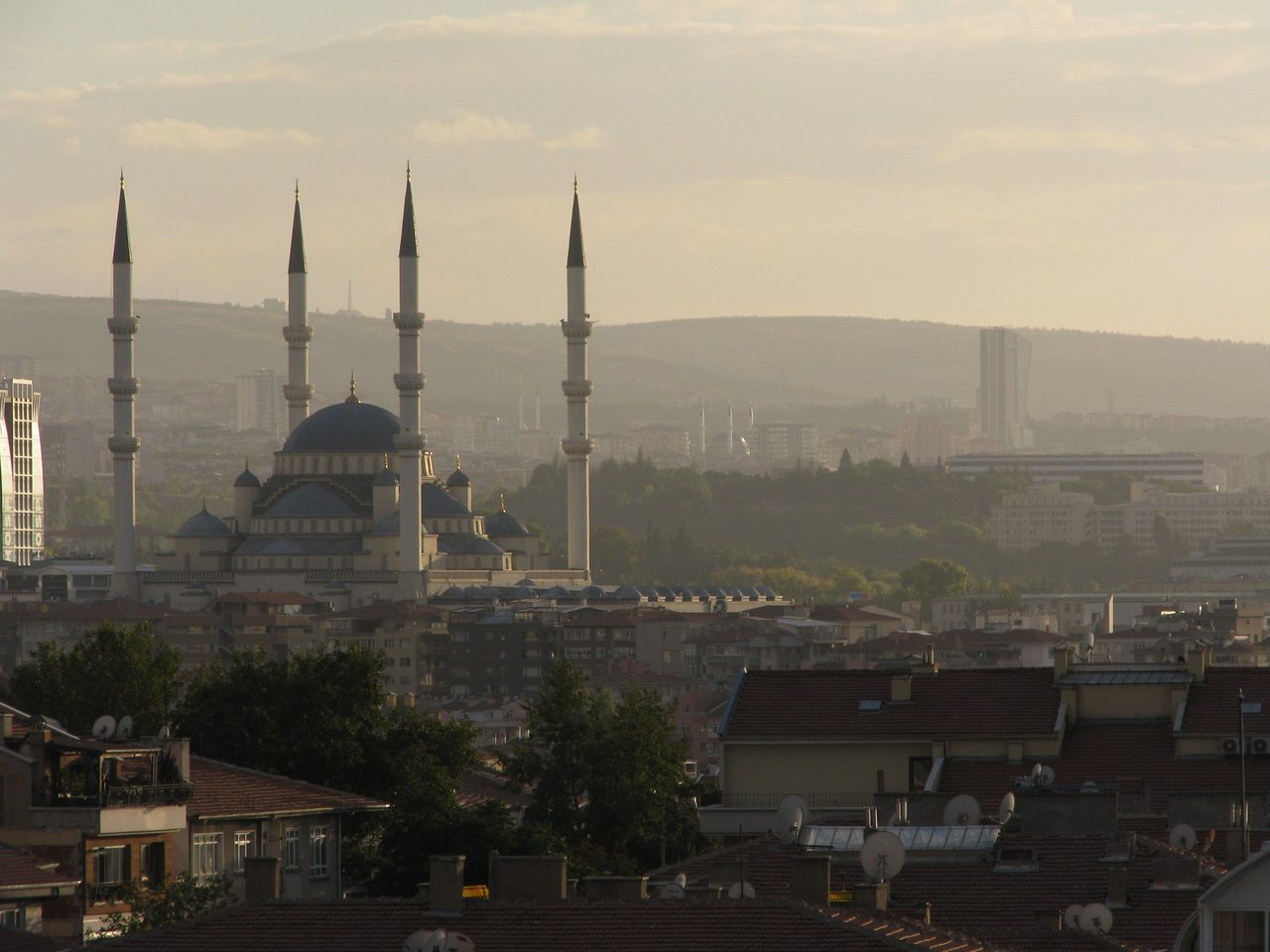
Revered 15th-century mosque combining Seljuk and Ottoman styles, adjacent to Temple of Augustus.

Restored Ottoman neighbourhood with cobbled streets, tea houses, craft shops, and galleries.
Pick a length, follow the route. Each itinerary balances headline sights with breathing room.
Three tiers, every traveller covered — from cost-conscious to flagship hotels.
Hostels, budget hotels, and guesthouses offer affordable stays without sacrificing experience.
Boutique hotels and well-located accommodations provide comfort and convenience at reasonable prices.
World-class resorts and premium hotels deliver unforgettable experiences.
Cafés, neighbourhood gems, and tasting menus worth the table reservation.
Part of a small Ankara-rooted chain specializing in Ottoman and Anatolian cooking, this Ulus branch sits in the old market streets below the citadel. The kitchen focuses on slow-cooked lamb and oven dishes rather than grilled kebabs, served in a formal, multi-floor dining room aimed at families and groups.
An upscale seafood restaurant in Çankaya built around a daily fish display that guests choose from before it's grilled or oven-baked to order. The room is formal and quiet compared to Ankara's kebab houses, with a meze course typically preceding the fish.
A contemporary Turkish restaurant on Büklüm Sokak in Kavaklıdere, an embassy-district street known for Ankara's more design-led dining rooms. The cooking reworks Anatolian ingredients into plated, restaurant-style courses rather than the family-style spreads typical of traditional Turkish places.
Set among the restored Ottoman-era wooden houses of Hamamönü, this restaurant serves Ottoman court-style cooking - dishes historically associated with the Topkapı Palace kitchens rather than everyday Anatolian home cooking. The setting itself, inside one of the neighborhood's renovated period houses, is much of the draw.
Book a food tour in Ankara We may earn a commission from bookings made through this link.
Ankara has one of Turkey's best urban transit networks outside Istanbul, with four metro lines (M1–M4), the Ankaray light rail, and an extensive EGO bus network. The Ankara Kart transit card (26 TRY / ~$0.79 USD per ride) works on all public transport. The Ulus historic core is walkable within 15 minutes. Taxis are widely available — use BiTaksi or Uber for price transparency. Esenboğa International Airport (ESB) is 28 km north; the Havaş airport bus runs every 30 minutes to Kızılay for 120 TRY (~$3.60 USD).
Daily spend by tier in TRY, broken out by category.
| Category | Budget | Mid-range | Luxury |
|---|---|---|---|
| Accommodation | ₺400–700 (about $12–21) | ₺1,200–3,000 (about $36–91) | ₺4,500–10,000 (about $136–303) |
| Food (per day) | ₺150–300 (about $4.50–9) | ₺300–700 (about $9–21) | ₺800–2,000 (about $24–61) |
| Transportation | ₺80–120 (about $2.40–3.60) | ₺150–300 (about $4.50–9) | ₺2,000–4,000 (about $61–121) |
| Activities | ₺100–200 (about $3–6) | ₺300–600 (about $9–18) | ₺1,500–3,000 (about $45–91) |
| Daily total | ₺800–1,400 (about $24–42) | ₺2,000–4,500 (about $61–136) | ₺8,000–20,000+ (about $242–606+) |
Best time Shoulder Worth avoiding
Average daytime temperature in °C. Figures are for Turkey.
Ankara's continental climate at 850 m altitude gives it distinct seasons. Spring (April–May) is the finest period: wildflowers bloom on the plateau, temperatures are mild, and tourist crowds remain manageable. Autumn (September–October) is equally excellent and culminates in the Republic Day celebrations on October 29. Summers are hot but dry and manageable if mornings and museums are prioritised. Winters are cold with possible snow — atmospheric at the Citadel and Anıtkabir, and the indoor museum scene is outstanding year-round.
Ankara is Turkey's capital and generally one of the country's safest cities for tourists, with a strong police presence around government buildings, embassies, and major monuments
Check your government's current travel advice before travelling: the US State Department places Türkiye at Level 2 (Exercise Increased Caution) nationwide due to terrorism and arbitrary detentions; Ankara city itself has no heightened sub-advisory
Keep valuables secure and bags zipped across the body in the crowded Ulus bazaar, around Kızılay metro station, and in Gençlik Parkı where pickpocketing risk, while low, is higher than elsewhere in the city
Traffic in Ankara is heavy and drivers can be assertive; always use marked pedestrian crossings and obey traffic signals — do not assume vehicles will stop
Always insist taxi drivers use the meter (taksimetre açın) before departure; use BiTaksi or Uber for price-transparent rides, especially from Esenboğa Airport, where some unlicensed drivers operate
Photograph your passport and store the digital copy in cloud storage — Turkish law requires carrying identification at all times; a certified photocopy is acceptable for day-to-day purposes
Do not photograph military installations, police checkpoints, government buildings, or personnel without explicit permission; at Anıtkabir, the Hall of Honor has photography restrictions during ceremonies
Register with your country's embassy in Ankara if staying more than a few days (US citizens can use the STEP programme at step.state.gov)
Drink bottled water, which costs 10–20 TRY (~$0.30–0.60) per 0.5L and is available everywhere; tap water is treated and technically safe but locals and visitors generally prefer bottled
Dress modestly when visiting mosques — covered shoulders and knees required, women should carry a light scarf; free loaner scarves are available at Kocatepe Mosque
Avoid unlit streets in Ulus and the steep lanes around the Citadel after dark; Hamamönü, Kızılay, Çankaya, and Kavaklıdere are well-lit and safe at night
Carry a note of your accommodation's name and address written in Turkish — taxi drivers and locals outside the centre may not speak English
Yes. Ankara is home to Turkey's finest historical museum (Museum of Anatolian Civilizations), the country's most iconic monument (Anıtkabir), an impressive Byzantine citadel, and excellent authentic restaurants. It is less touristy than Istanbul, which means more authentic experiences and lower prices.
Two to three days comfortably covers the main city attractions. A week allows day trips to Gordion, Beypazarı, and Kızılcahamam thermal springs.
April–May and September–October offer the best weather for sightseeing. Winters are cold (snow possible) and summers are hot and dry (30°C+). Spring brings wildflowers and pleasant temperatures. October 29 Republic Day is spectacular to witness in the capital.
Anıtkabir is free. The Museum of Anatolian Civilizations costs 400 TRY (~$12 USD). Most museums are free with the Müze Kart (600 TRY annual pass). All state museums are closed on Mondays.
The Havaş airport bus runs from Esenboğa Airport to Kızılay (central Ankara) every 30 minutes from 05:30 to midnight for 120 TRY (~$3.60 USD), taking 35–55 minutes. Official metered taxis cost 350–450 TRY (~$10.60–13.60 USD) and take 25–45 minutes.