World · 22 Places · Best March–May and September–November
Hatay
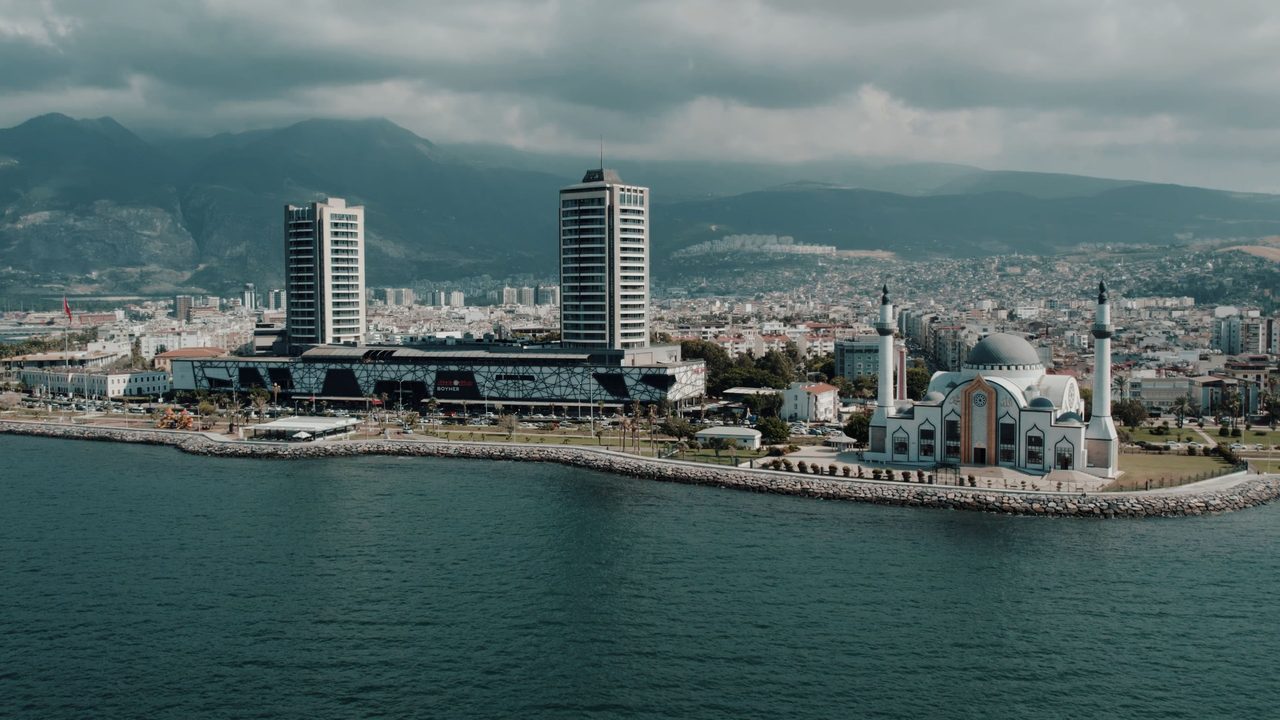
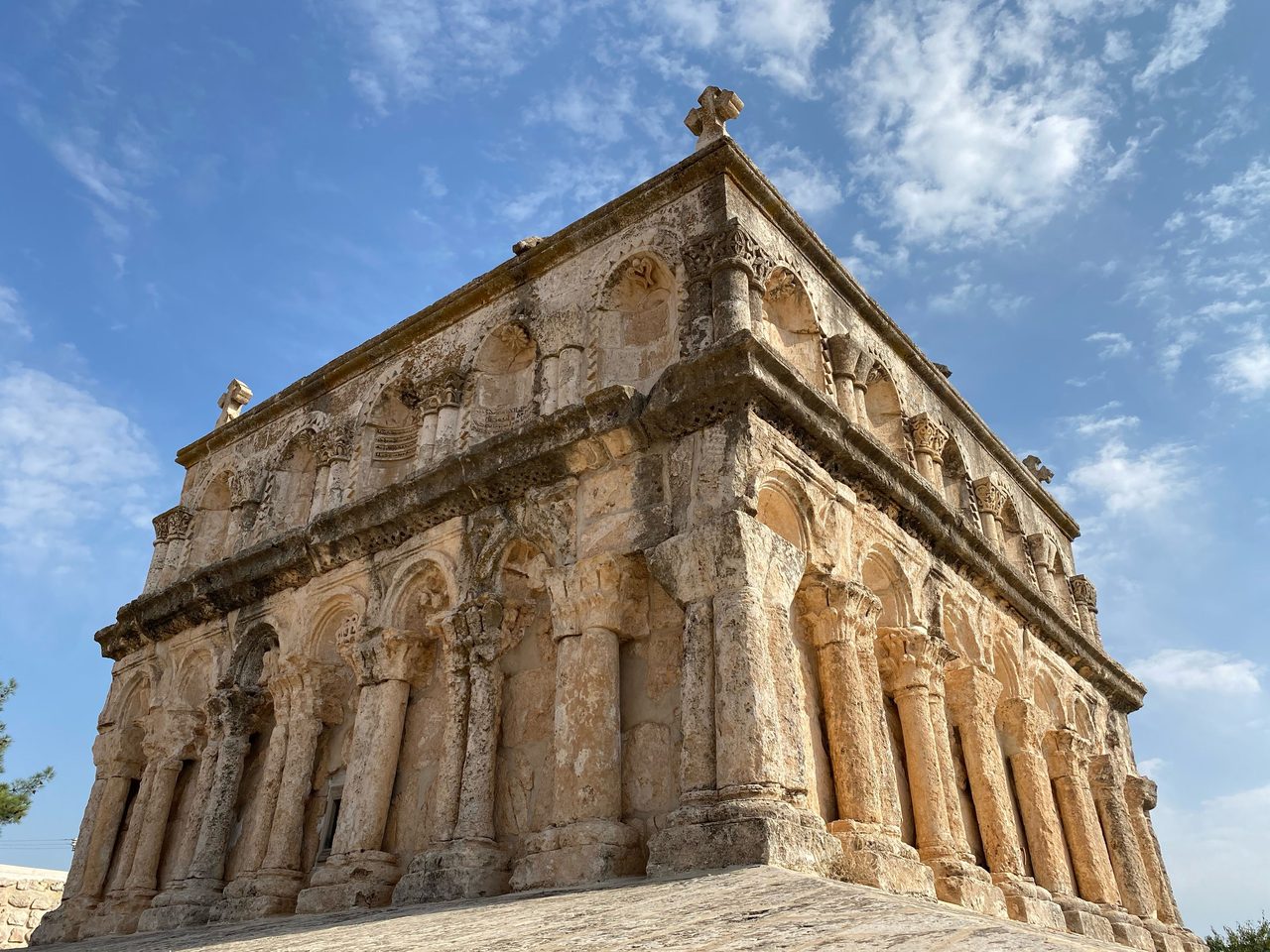
Hatay is Turkey's southernmost province, a slender finger of land bordering Syria and the Mediterranean Sea. Its capital, Antakya—the ancient Antioch on the Orontes—was one of the great cities of the Roman and early Christian world. Hatay's layered history, distinctive Arab-influenced cuisine, and multicultural society (Turkish, Arabic, Alevi, Armenian, and Greek Orthodox communities have coexisted here for centuries) make it unlike anywhere else in Turkey. Note: a magnitude-7.8 earthquake on 6 February 2023 severely damaged Antakya; many historic structures collapsed and rebuilding is ongoing. Travellers will find a city in resilient reconstruction rather than a fully restored old town.
Hatay stretches from the rugged Amanos Mountains in the north to the Syrian border in the south, with a Mediterranean coastline that includes Arsuz, Samandağ, and Çevlik. Antakya (ancient Antioch) sits on the Asi River (Orontes), surrounded by citrus groves. İskenderun, the province's largest city and main commercial port, lies to the north and was less affected by the 2023 earthquake. Visitors come for the Antakya Mosaic Museum (the world's largest collection of Roman mosaics), St. Pierre Church (one of the earliest Christian places of worship), Harbiye's ancient laurel groves and waterfalls, the long bazaar street of Uzun Çarşı, and Hatay cuisine—hummus, künefe, katmer, and muhammara—recognised by UNESCO as part of Turkey's intangible cultural heritage.
The 22 destinations our editors recommend — from iconic landmarks to under-the-radar finds.
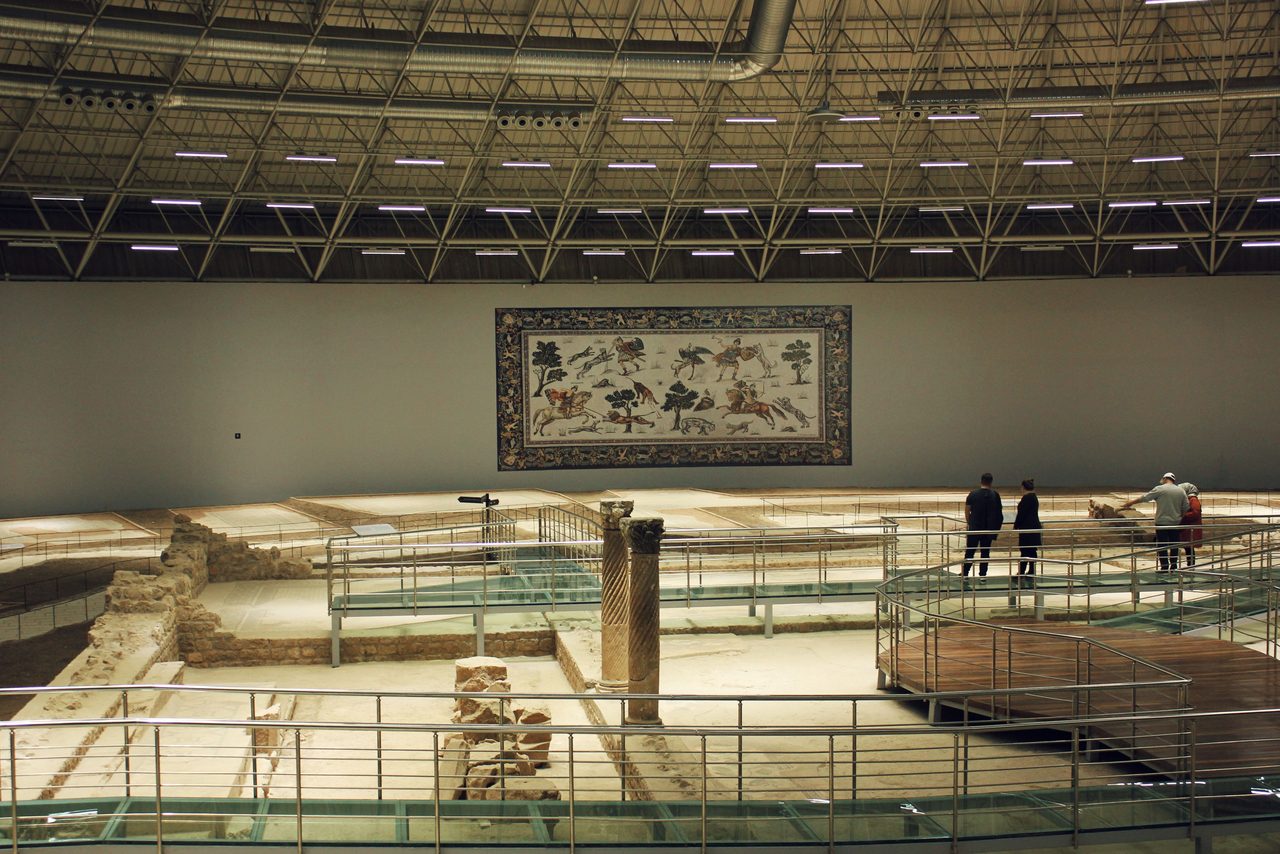
Antakya Mosaic Museum (Hatay Arkeoloji Müzesi)
This museum holds one of the world's largest collections of Roman-era floor mosaics, most lifted from villas at ancient Antioch and its resort suburb of Daphne, today's Harbiye. Rooms are arranged around wide mosaic panels depicting mythological scenes, laid directly on the floor so you walk around rather than past them. The scale of the collection, not any single piece, is what makes the visit worthwhile.
St. Pierre Church (Sen Piyer Kilisesi)
Cut into the rock face of Mount Starius outside old Antakya, this cave church is traditionally linked to the earliest Christian community in Antioch, the city where believers were first called Christians. The structure is simple: a natural grotto with a built stone facade added later, rather than an ornate building. Visiting means stepping into a bare, low-ceilinged cave space rather than a typical church interior.
Titus and Vespasianus Tunnel (Seleucia Pieria)
This is a Roman-era water-diversion channel cut through solid rock above the ancient harbor of Seleucia Pieria, built to stop a seasonal stream from silting up the port. Named for the two emperors under whom the work was carried out, it's an engineering project rather than a monument, and its scale (a deep, narrow gorge sliced through the hillside) is the point. Walking through it means following the channel on foot between sheer rock walls.
Harbiye Waterfalls (Daphne / Harpiyes)
Harbiye is the modern village on the site of ancient Daphne, the laurel-forested suburb of Antioch tied in Greek myth to the story of Apollo and the nymph Daphne. A stream runs down through the gorge here over a series of small waterfalls, shaded by dense trees, and the area has long been a retreat from the summer heat of Antakya below. It's a green, water-fed walk rather than a single dramatic cascade.
Uzun Çarşı (Long Bazaar)
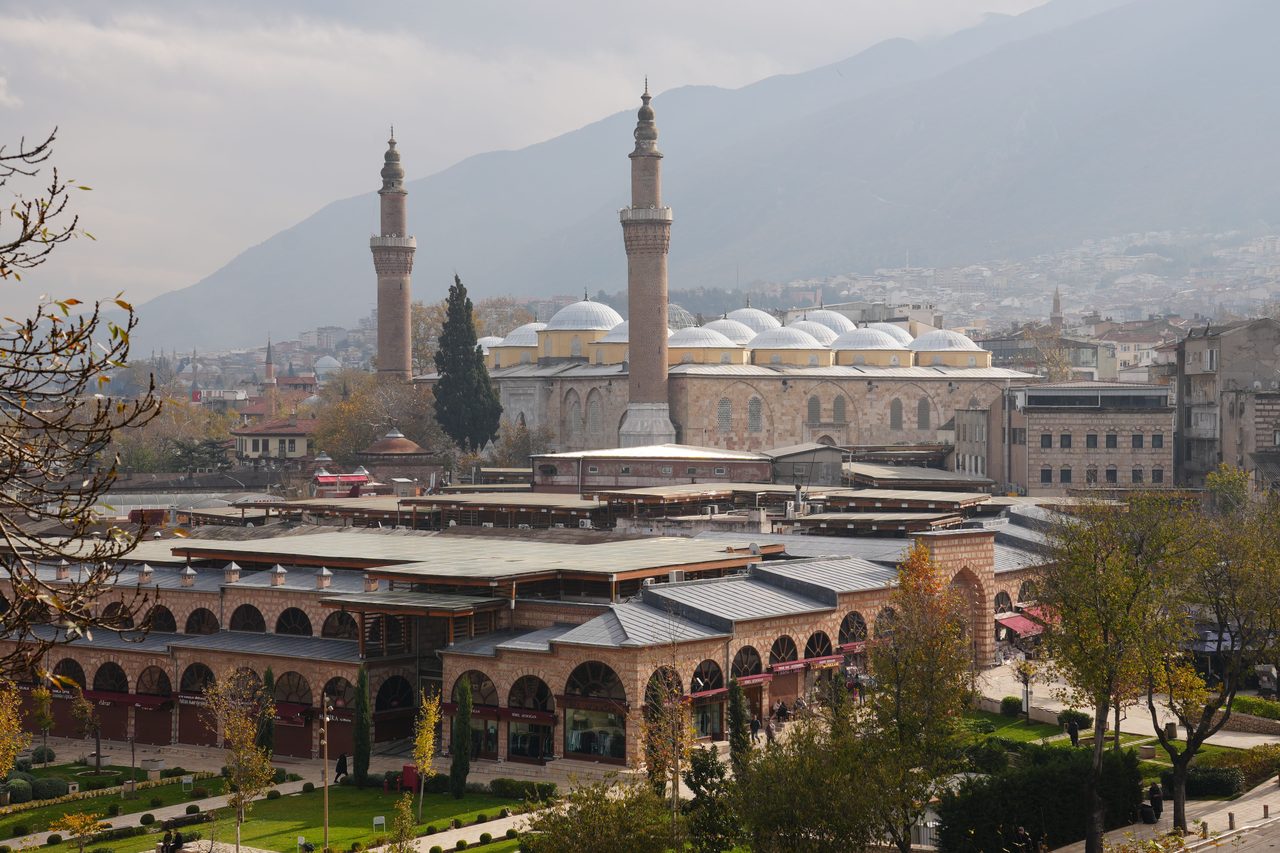
Uzun Çarşı is Antakya's historic covered market street, a long run of stone-vaulted shopfronts that has served as the city's commercial spine for generations. It's built for trade rather than sightseeing: coppersmiths, soap and olive-oil sellers, spice stalls and sweet shops selling künefe sit side by side along the narrow lane. Walking its length is the main activity, with occasional side alleys branching into quieter sections.
Habib-i Neccar Mosque (Habib-i Neccar Camii)
Traditionally described as one of the oldest mosques in Anatolia, this mosque stands on a site associated with Habib-i Neccar, a figure referenced in Islamic tradition as an early believer martyred in Antioch. The building has been rebuilt and altered across centuries, layering Islamic and earlier structures on the same spot. The 2023 earthquake caused severe damage to the historic core of Antakya, and this mosque was among the buildings badly affected.
Recommended itineraries
Pick a length, follow the route. Each itinerary balances headline sights with breathing room.
5-Day Hatay Explorer
Day 1Arrive in Hatay, explore city center
Day 2Visit top attractions and museums
Day 3Day trip to nearby highlights
Day 4Local markets and hidden gems
Day 5Final sightseeing, departure
7-Day Classic Hatay
Days 1-2Hatay city highlights
Days 3-4Regional exploration
Days 5-6Cultural immersion and local experiences
Day 7Return and departure
14-Day Ultimate Hatay
Days 1-3Hatay comprehensive city tour
Days 4-6Northern region exploration
Days 7-9Eastern highlights
Days 10-12Southern attractions
Days 13-14Return to Hatay, departure
Where to stay in Hatay
Three tiers, every traveller covered — from cost-conscious to flagship hotels.
Budget ₺860–1,750/day (~$25–51)
Hostels, budget hotels, and guesthouses offer affordable stays without sacrificing experience.
Mid-range ₺2,050–4,700/day (~$60–138)
Boutique hotels and well-located accommodations provide comfort and convenience at reasonable prices.
Luxury ₺5,500–12,500/day (~$162–368)
World-class resorts and premium hotels deliver unforgettable experiences.
Savon Hotel Antakya
Atatürk Cad., Antakya · ₺2,800–4,500/night (~$82–132)
Hatay is served by Hatay Airport (HTY) near Antakya, with domestic flights to Istanbul, Ankara, and Izmir operated by Turkish Airlines and Pegasus Airlines. Long-distance buses connect Antakya to major Turkish cities (Varan, Ulusoy, Metro). Within the province, dolmuş (shared minibuses) are the main local transport. İskenderun has ferry connections. Car rental is available at the airport.
Budget breakdown
Daily spend by tier in TRY (Turkish Lira), broken out by category.
Category
Budget
Mid-range
Luxury
Accommodation
₺600–1,200/night (~$17–35)
₺1,500–3,500/night (~$44–103)
₺4,000–9,000/night (~$118–265)
Food (per day)
₺150–300/day (~$4.40–8.80)
₺300–600/day (~$8.80–17.65)
₺700–1,500/day (~$20.60–44.10)
Transportation
₺50–100/day (~$1.50–2.95)
₺100–250/day (~$2.95–7.35)
₺400–1,000/day (~$11.75–29.40)
Activities
₺60–150/day (~$1.75–4.40)
₺150–350/day (~$4.40–10.30)
₺400–1,000/day (~$11.75–29.40)
Daily total
₺860–1,750/day (~$25–51)
₺2,050–4,700/day (~$60–138)
₺5,500–12,500/day (~$162–368)
Best time to visit Hatay
Weather through the year in Turkey
Best timeShoulderWorth avoiding
Average daytime temperature in °C. Figures are for Turkey.
Spring (March–May) is ideal: mild temperatures 18–25°C (64–77°F), wildflowers in the Amanos Mountains, and quieter sites. Autumn (Sept–Nov) offers warm sea temperatures and the olive and pomegranate harvest season.
Essential travel tips
The mosaic museum is the single must-see; book early as capacity is limited post-earthquake
Hatay cuisine is distinct from mainstream Turkish food—try hummus (not the Greek variety), künefe, and katmer
Arabic is widely spoken alongside Turkish in markets and older neighbourhoods
The February 2023 earthquake affected many sites; verify current opening hours before visiting
Hatay Airport (HTY) has car rental desks—renting a car is the best way to reach Harbiye, Samandağ, and Çevlik
Hidden gems
Off-the-beaten-path corners most travellers miss.
Çevlik Ancient Port (Seleucia Pieria Ruins)
Beyond the famous Titus Tunnel, the ruins of Seleucia Pieria—port city of ancient Antioch—include rock-cut tombs, harbour remains, and laurel-draped hillsides. Rarely crowded.
Çevlik, Samandağ district
Altınözü Village
A hillside village in the Amanos Mountains with traditional stone houses, olive groves, and a Wednesday market drawing villagers from across the district.
Altınözü, northeast of Antakya
Beşikaşı Cave (Beşikaşı Mağarası)
A natural limestone cave on the road to Yayladağı, rarely visited by foreign tourists. Local villagers know the path; ask in Yayladağı for a local to guide.
Near Yayladağı
Safety information
INFO
Avoid travel within 10 km of the Syrian border without official guidance
INFO
Central Antakya has earthquake-damaged buildings; do not enter visibly unsafe structures
INFO
Keep photocopies of passport; police checkpoints exist on some roads
INFO
Tap water in Antakya requires filtering; drink bottled water
INFO
Emergency number in Turkey: 112 (ambulance, fire, police)
Frequently asked questions
Is Hatay safe to visit in 2026?
The security situation in Hatay has deteriorated compared to 2024. The US Consulate in Adana (which covers Hatay) suspended routine services in early 2026 due to security concerns. Antakya's ongoing earthquake reconstruction (collapsed buildings, construction equipment, dust) adds physical hazards.
What is the best time to visit Hatay?
The best time to visit Hatay is March–May and September–November. Hatay's Mediterranean climate brings scorching summers and mild, wet winters. Antakya sits in a valley, amplifying summer heat—July and August regularly reach 40–42°C (104–108°F). Spring (March–May) a
What currency is used in Hatay?
The currency in Hatay is the Turkish Lira (TRY). ATMs are widely available in cities and tourist areas. Credit cards are accepted at most hotels and restaurants, but carry cash for markets and smaller establishments.
What language is spoken in Hatay?
The main language(s) spoken in Hatay: Turkish (official), Arabic (widely spoken). In tourist areas, English is generally understood. Learning a few basic phrases in the local language is appreciated by locals.
What are the top attractions in Hatay?
The top attractions in Hatay include Antakya Mosaic Museum (Hatay Arkeoloji Müzesi), St. Pierre Church (Sen Piyer Kilisesi), Titus and Vespasianus Tunnel (Seleucia Pieria), Harbiye Waterfalls (Daphne / Harpiyes), and Uzun Çarşı (Long Bazaar). Each offers a unique experience, from historic landmarks to natural wonders.