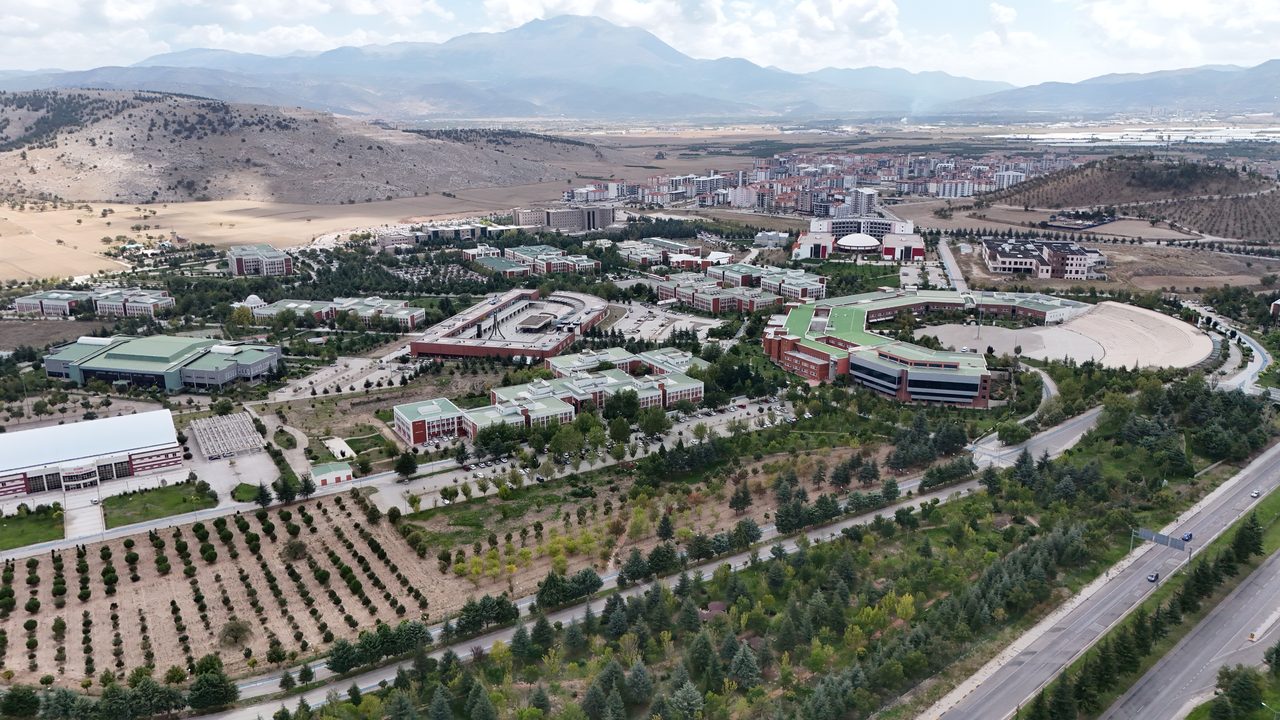
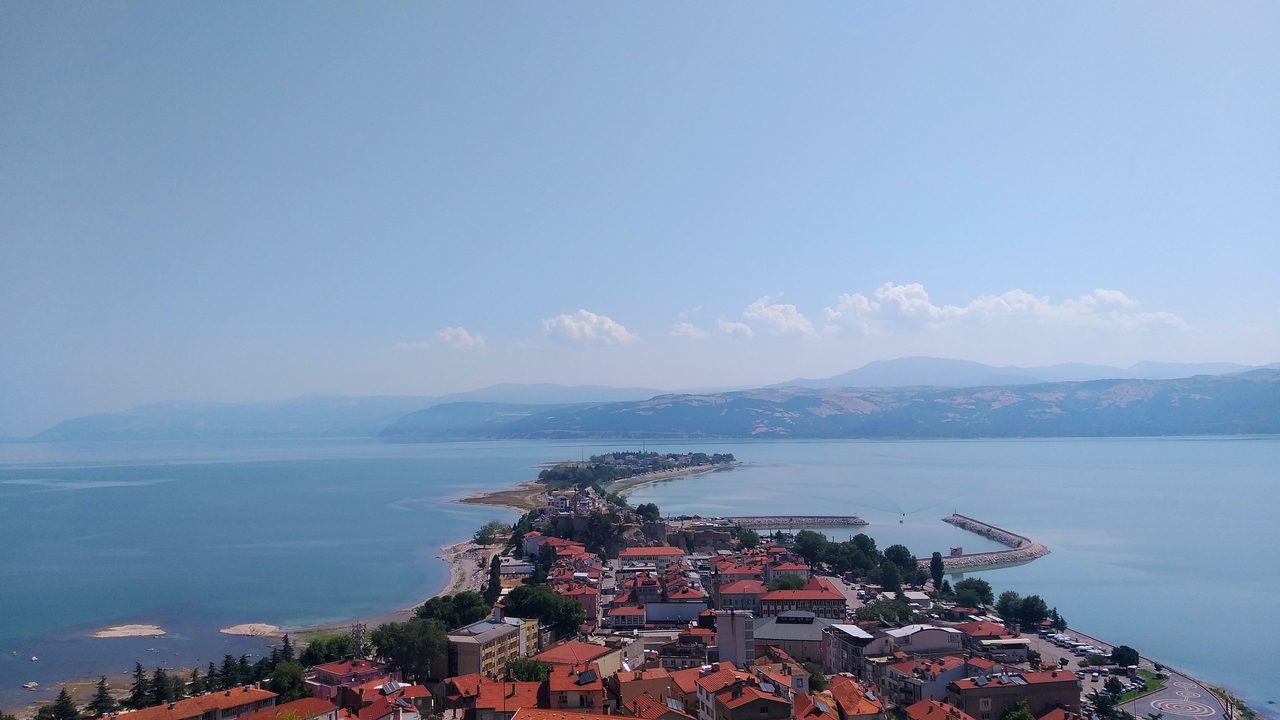
Isparta is Turkey's rose capital, nestled in the scenic Lakes Region of southwestern Anatolia. Famous worldwide for producing the finest rose oil used in luxury perfumes, this tranquil province enchants visitors with its fragrant rose fields, vast freshwater lakes, ancient ruins, and year-round outdoor adventures including skiing on Davraz Mountain.
Isparta Province sits at the heart of Turkey's Lakes Region (Göller Bölgesi), a highland plateau fringed by the Taurus Mountains and dotted with pristine freshwater lakes. The province is globally renowned for its rose-oil production — each May and June, fields of Rosa damascena bloom across the surrounding valleys, filling the air with perfume and drawing photographers and fragrance enthusiasts. Eğirdir Lake, Turkey's second-largest freshwater lake, provides a stunning backdrop for fishing villages, water sports, and lakeside promenades. The ancient Pisidian city of Sagalassos, 30 km south of the city, ranks among the best-preserved Roman archaeological sites in the world. In winter, Davraz Mountain transforms into a popular ski destination, while year-round hikers explore Yazılı Canyon Nature Park, Kovada Lake National Park, and numerous canyon trails. The city of Isparta itself offers a relaxed, authentically Turkish atmosphere with its bazaars, mosques, carpet workshops, and rose-product shops.
The 21 destinations our editors recommend — from iconic landmarks to under-the-radar finds.
Eğirdir Lake
Turkey's second-largest freshwater lake, Eğirdir sits at over 900 metres elevation and is split into two basins by a narrow causeway leading to Eğirdir town. The water is used for both fishing and irrigation of the surrounding orchards, and the shoreline promenade gives long views across to the Sultan Mountains on the far side.
Sagalassos Ancient City
A Pisidian and later Roman city built into the mountainside above the Ağlasun valley, Sagalassos is one of the best-preserved ancient sites in Anatolia thanks to decades of Belgian-led excavation and restoration. The Antonine Nymphaeum fountain and the monumental theatre carved into the hillside are both largely intact, and the site's altitude means ruins and mountain scenery are seen together rather than separately.
Davraz Mountain Ski Resort
Davraz is Isparta's mountain resort, developed for downhill skiing on slopes above the tree line with runs suited to beginners and intermediates rather than expert terrain. Outside the snow season the same lift infrastructure and mountain roads are used for hiking and mountain biking, making it a two-season rather than purely winter destination.
Rose Fields of Gülkent
Isparta province is the centre of Turkey's rose oil industry, and the fields around Gülkent village in Keçiborlu district are part of that growing region, planted with the damask-type rose used for oil and rosewater production. Harvest happens in a short window in late spring, when pickers work the rows before the day heats up because the flowers lose scent once the sun is fully up.
Yazılı Canyon Nature Park
Yazılı Kanyon is a narrow limestone gorge cut by the Aksu River near Sütçüler, with turquoise pools, small waterfalls and plank walkways that follow the water through the canyon floor. It's a swimming and short-hike destination rather than a technical trekking site, with several distinct pools reachable on foot from the entrance.
Kovada Lake National Park
Kovada is a smaller lake south of Eğirdir, set inside a national park of pine forest and connected to Eğirdir Lake by a canal that once fed a small hydroelectric scheme. The park is used mainly for walking and picnicking along the shore rather than watersports, and the forest cover makes it noticeably cooler than the open lake shore at Eğirdir.
Recommended itineraries
Pick a length, follow the route. Each itinerary balances headline sights with breathing room.
5-Day Isparta Explorer
Day 1Arrive in Isparta, explore city center
Day 2Visit top attractions and museums
Day 3Day trip to nearby highlights
Day 4Local markets and hidden gems
Day 5Final sightseeing, departure
7-Day Classic Isparta
Days 1-2Isparta city highlights
Days 3-4Regional exploration
Days 5-6Cultural immersion and local experiences
Day 7Return and departure
14-Day Ultimate Isparta
Days 1-3Isparta comprehensive city tour
Days 4-6Northern region exploration
Days 7-9Eastern highlights
Days 10-12Southern attractions
Days 13-14Return to Isparta, departure
Where to stay in Isparta
Three tiers, every traveller covered — from cost-conscious to flagship hotels.
Budget ~800–1,550 TRY/day (~$23–$45)
Hostels, budget hotels, and guesthouses offer affordable stays without sacrificing experience.
Mid-range ~1,600–3,400 TRY/day (~$46–$99)
Boutique hotels and well-located accommodations provide comfort and convenience at reasonable prices.
Luxury ~3,900–8,500 TRY/day (~$113–$247)
World-class resorts and premium hotels deliver unforgettable experiences.
Büyük Isparta Hotel
Isparta City Center · 900–1,400 TRY/night (~$26–$41)
Isparta is served by Süleyman Demirel Airport (ISE), located 27 km southwest of the city center, with direct flights to Istanbul and Ankara. The city has an intercity bus terminal with connections to Ankara, Istanbul, Antalya, and Konya. Local transport includes minibuses (dolmuş) to Eğirdir, Davraz, and surrounding towns. Renting a car is strongly recommended for exploring the lakes region and archaeological sites.
Budget breakdown
Daily spend by tier in TRY (Turkish Lira), broken out by category.
Category
Budget
Mid-range
Luxury
Accommodation
500–900 TRY/night (~$15–$26)
1,000–2,000 TRY/night (~$29–$58)
2,500–5,000 TRY/night (~$73–$145)
Food (per day)
150–300 TRY/day (~$4–$9)
300–600 TRY/day (~$9–$17)
600–1,200 TRY/day (~$17–$35)
Transportation
50–150 TRY/day (~$1.50–$4)
100–300 TRY/day (~$3–$9)
300–800 TRY/day (~$9–$23)
Activities
50–200 TRY/day (~$1.50–$6)
200–500 TRY/day (~$6–$15)
500–1,500 TRY/day (~$15–$44)
Daily total
~800–1,550 TRY/day (~$23–$45)
~1,600–3,400 TRY/day (~$46–$99)
~3,900–8,500 TRY/day (~$113–$247)
Best time to visit Isparta
Weather through the year in Turkey
Best timeShoulderWorth avoiding
Average daytime temperature in °C. Figures are for Turkey.
May–June (rose harvest season) and September–October (mild weather, fewer visitors)
The Rose Festival (Gül Festivali) occurs in late May/early June and is the region's most celebrated event. Spring and early autumn offer the best conditions for hiking and sightseeing.
Essential travel tips
Rent a car — most attractions are spread across the province and public transport is infrequent
Visit the rose fields at dawn during May–June for the best light and fragrance
Book Sagalassos in advance for guided tours; the site opens at 08:00
Bring a light jacket even in summer — Isparta sits at 1,035 m elevation and evenings are cool
Try fresh lake fish (sazan, alabalık) in Eğirdir — it is significantly cheaper than coastal fish restaurants
The Isparta bazaar area near Hükümet Caddesi is ideal for buying rose products at local prices
Hidden gems
Off-the-beaten-path corners most travellers miss.
Kovada Lake National Park
A serene national park protecting a pristine lake and ancient cedar-juniper forest, rarely crowded even in summer.
Eğirdir Island (Yeşilada)
A tiny island connected by a causeway to Eğirdir, lined with fish restaurants and Ottoman-era architecture.
Sığla Ormanı
One of the world's few natural groves of Oriental sweetgum (Liquidambar orientalis), a botanical rarity near Senirkent.
Safety information
INFO
Keep copies of your passport and visa in a separate location from originals
INFO
Mountain roads to Davraz and Yazılı Canyon can be narrow — drive carefully in wet or icy conditions
INFO
Carry drinking water when hiking; the sun at altitude is stronger than it appears
Frequently asked questions
Is Isparta safe to visit in 2026?
Isparta is one of Turkey's safer provinces, with a low crime rate and minimal tourist-specific risks. The city has a conservative, family-oriented character. Standard urban precautions apply; petty theft is rare but not unknown near the bazaar.
What is the best time to visit Isparta?
The best time to visit Isparta is May–June. Isparta has a semi-arid continental climate influenced by its inland position at 1,035 m elevation. Summers are warm and dry (25–32°C), winters are cold with snowfall (−2 to 6°C), and spring and autum
Do I need a visa to visit Isparta?
Entry requirements follow Turkey rules. Most nationalities require an e-Visa obtained online before travel at evisa.gov.tr. Citizens of some countries may enter visa-free for up to 90 days. Check the official Turkish e-Visa portal for your specific nationality. Requirements vary by nationality, so check with your nearest embassy or the official immigration website before traveling.
What currency is used in Isparta?
The currency in Isparta is the Turkish Lira (TRY). ATMs are widely available in cities and tourist areas. Credit cards are accepted at most hotels and restaurants, but carry cash for markets and smaller establishments.
What language is spoken in Isparta?
The main language(s) spoken in Isparta: Turkish, English (limited in tourist areas). In tourist areas, English is generally understood. Learning a few basic phrases in the local language is appreciated by locals.
What are the top attractions in Isparta?
The top attractions in Isparta include Eğirdir Lake, Sagalassos Ancient City, Davraz Mountain Ski Resort, Rose Fields of Gülkent, and Yazılı Canyon Nature Park. Each offers a unique experience, from historic landmarks to natural wonders.