World · 12 Places · Best May–June and September–October
Muş
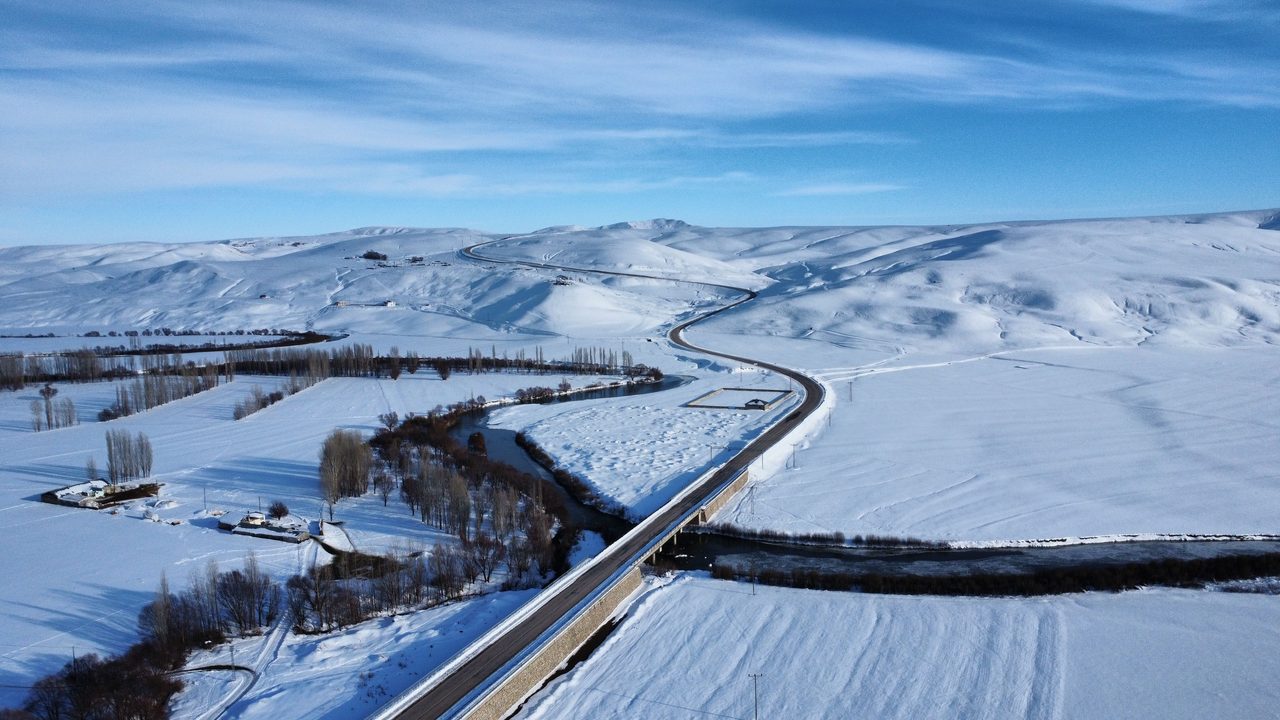
Muş is an ancient city in eastern Turkey, spread across a sweeping highland plain at roughly 1,325 metres elevation, framed by the snow-capped peaks of the Bingöl and Taurus mountains. The city and its province carry extraordinary historical depth — the surrounding plain witnessed the 1071 Battle of Manzikert (Malazgirt), one of the most consequential battles in medieval history, where the Seljuk sultan Alparslan defeated the Byzantine emperor and opened Anatolia to Turkish settlement. Today Muş blends Kurdish culture, Ottoman-era mosques, Armenian monastery ruins, volcanic plateaus, and rich agricultural landscapes into a destination that remains almost entirely off the tourist trail.
Muş Province sits at the intersection of eastern Anatolia's highland steppe and its mountainous rim. The Muş Plain (Muş Ovası), one of eastern Turkey's most fertile valleys, is crossed by the upper Murat River (a headwater of the Euphrates) and ringed by peaks exceeding 3,000 metres. The city of Muş — capital of the province — serves as the base for exploring Malazgirt, where a monument and battlefield museum mark the pivotal 1071 battle; Varto district with its hot springs; the Surp Karapet Monastery (Narekavank) ruins sacred in Armenian tradition; and highland plateaus like Subatan Yaylası that burst with wildflowers in spring. Local cuisine centres on sac kavurması, kete flatbreads, tarhana soup, and fresh mountain dairy. Muş is served by Muş Cengiz Topel Airport (IATA: MSR) with daily flights from Istanbul, making it accessible despite its remote feel.
The 12 destinations our editors recommend — from iconic landmarks to under-the-radar finds.
Malazgirt Battlefield and Monument
This site commemorates the 1071 Battle of Manzikert, where Seljuk forces under Sultan Alp Arslan defeated the Byzantine army of Emperor Romanos IV Diogenes, a defeat that opened Anatolia to Turkic settlement and is treated as a founding event of Turkish presence in the region. The modern monument and surrounding park mark the battlefield rather than preserving physical ruins from 1071. Visits are largely about standing on the ground where the battle is understood to have taken place and reading the on-site commemorative displays.
Surp Karapet Monastery
Surp Karapet was one of the most important Armenian Apostolic monasteries in the historic Armenian highlands, long associated in local tradition with the apostle Bartholomew and functioning for centuries as a major pilgrimage destination for Armenians across the region. The monastery complex was destroyed during the violence of 1915, and what remains today near Çengelli village is a ruined site rather than a functioning religious building. A visit is about seeing the scattered remains and understanding what was lost, not touring an intact monument.
Muş Castle
Subatan Plateau
Muş Museum
Muş Museum holds archaeological and ethnographic material excavated from the surrounding province, spanning the Urartian and Roman periods through to Ottoman-era regional life, reflecting the layered history of the Muş plain rather than any single dynasty or people. As a small provincial museum, its collection is modest in size compared to major Anatolian archaeological museums, which makes it a manageable stop rather than a half-day commitment.
Muş Ulu Camii (Grand Mosque)
Recommended itineraries
Pick a length, follow the route. Each itinerary balances headline sights with breathing room.
5-Day Muş Explorer
Day 1Arrive in Muş, explore city center
Day 2Visit top attractions and museums
Day 3Day trip to nearby highlights
Day 4Local markets and hidden gems
Day 5Final sightseeing, departure
7-Day Classic Muş
Days 1-2Muş city highlights
Days 3-4Regional exploration
Days 5-6Cultural immersion and local experiences
Day 7Return and departure
14-Day Ultimate Muş
Days 1-3Muş comprehensive city tour
Days 4-6Northern region exploration
Days 7-9Eastern highlights
Days 10-12Southern attractions
Days 13-14Return to Muş, departure
Where to stay in Muş
Three tiers, every traveller covered — from cost-conscious to flagship hotels.
Budget ~950–1,850 TRY (~$25–49 USD)
Hostels, budget hotels, and guesthouses offer affordable stays without sacrificing experience.
Mid-range ~1,850–3,800 TRY (~$49–100 USD)
Boutique hotels and well-located accommodations provide comfort and convenience at reasonable prices.
Luxury ~3,700–7,100 TRY (~$97–187 USD)
World-class resorts and premium hotels deliver unforgettable experiences.
Muş is accessible by air, intercity bus, and road. The city lacks a rail connection. Intercity buses (Kâmil Koç, Metro Turizm, Ulusoy) link Muş to Ankara (~18 hrs), Diyarbakır (~4 hrs), Erzurum (~4 hrs), and Van (~3 hrs). Within the city, shared minibuses (dolmuş) cover main routes for 10–20 TRY ($0.25–0.50 USD).
Budget breakdown
Daily spend by tier in Turkish Lira (TRY); 1 USD ≈ 38 TRY (2025–2026), broken out by category.
Category
Budget
Mid-range
Luxury
Accommodation
700–1,100 TRY (~$18–29 USD)
1,200–2,200 TRY (~$32–58 USD)
2,200–4,000 TRY (~$58–105 USD)
Food (per day)
200–400 TRY (~$5–11 USD)
400–800 TRY (~$11–21 USD)
800–1,500 TRY (~$21–40 USD)
Transportation
50–150 TRY (~$1–4 USD)
150–400 TRY (~$4–11 USD)
400–800 TRY (~$11–21 USD)
Activities
0–200 TRY (~$0–5 USD)
100–400 TRY (~$3–11 USD)
300–800 TRY (~$8–21 USD)
Daily total
~950–1,850 TRY (~$25–49 USD)
~1,850–3,800 TRY (~$49–100 USD)
~3,700–7,100 TRY (~$97–187 USD)
Best time to visit Muş
Weather through the year in Turkey
Best timeShoulderWorth avoiding
Average daytime temperature in °C. Figures are for Turkey.
Spring (May–June) brings wildflower blooms across the Muş Plain and cooler temperatures ideal for sightseeing. Autumn (September–October) offers clear skies, harvest markets, and comfortable walking conditions. Summer is dry and hot on the plain (30°C+) but cooler on the plateaus. Winter brings heavy snow and can close mountain roads.
Essential travel tips
Fly Turkish Airlines from Istanbul to Muş Airport (MSR) — the fastest access route
Hire a car in Muş city for day trips to Malazgirt, Varto, and the plateaus
Learn a few Kurdish (Kurmanji) greetings — locals appreciate the effort
Carry cash in TRY; ATMs (Ziraat Bankası, Halkbank) are available on the main boulevard
Visit in May for spectacular poppy and wildflower blooms on the Muş Plain
Hidden gems
Off-the-beaten-path corners most travellers miss.
Murat River Gorge near Hasköy
A narrow canyon where the upper Murat River cuts through basalt columns and poplar groves — almost entirely unknown to visitors outside the province.
Varto Hot Springs (Varto Kaplıcaları)
Thermal springs 60 km north of Muş city in Varto district, used by locals for bathing and believed to have therapeutic properties; basic changing facilities on-site.
Old Bazaar Quarter (Tarihi Çarşı)
A compact grid of Ottoman-era shops near the central mosque where spice merchants, coppersmiths, and textile sellers continue traditional trade at local prices.
Safety information
INFO
Register your passport details with your country's embassy upon arrival
INFO
Carry cash — card acceptance is limited outside the main hotels
INFO
Avoid unlit rural roads at night, especially in mountain districts
INFO
Respect local customs around mosques and traditional neighbourhoods
INFO
Check road conditions before driving to highland plateaus in early spring or late autumn
Frequently asked questions
Is Muş safe to visit in 2026?
Muş city is calm and visitors are typically treated with genuine hospitality. The province borders regions that have historically had security sensitivities; travellers should stay on main roads, avoid unannounced trekking in remote border-adjacent areas, and monitor official advisories. Emergency s
What is the best time to visit Muş?
The best time to visit Muş is May–June and September–October. Muş experiences a continental highland climate (Köppen Dsa/Dfb) shaped by its elevation of approximately 1,325 metres on the Muş Plain. Winters are long, cold, and snowy (December–March), with tempera
What currency is used in Muş?
The currency in Muş is the Turkish Lira (TRY). ATMs are widely available in cities and tourist areas. Credit cards are accepted at most hotels and restaurants, but carry cash for markets and smaller establishments.
What language is spoken in Muş?
The main language(s) spoken in Muş: Turkish (official); Kurdish (Kurmanji dialect widely spoken). In tourist areas, English is generally understood. Learning a few basic phrases in the local language is appreciated by locals.
What are the top attractions in Muş?
The top attractions in Muş include Malazgirt Battlefield and Monument, Surp Karapet Monastery, Muş Castle, Subatan Plateau, and Muş Museum. Each offers a unique experience, from historic landmarks to natural wonders.