World · 21 Places · Best April–May and September–October
Oklahoma
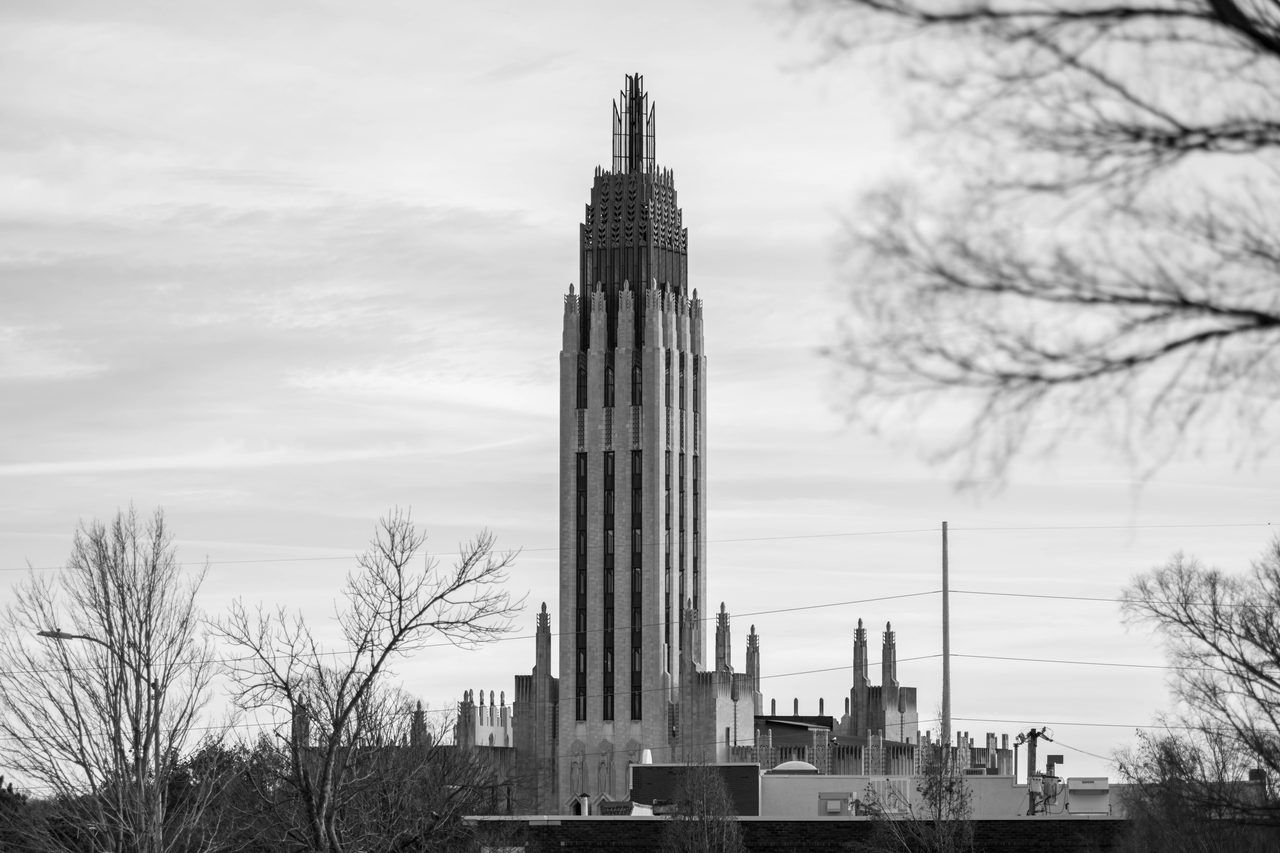
Oklahoma sits at the crossroads of the American South, Midwest, and Southwest, offering travelers a remarkable blend of Native American heritage, cowboy culture, Art Deco architecture, and wide-open natural landscapes. Home to 39 federally recognized tribal nations, more than any other state, Oklahoma's cultural tapestry is uniquely rich. Oklahoma City pulses with energy around Bricktown's canal district and world-class museums, while Tulsa showcases one of America's finest collections of Art Deco buildings alongside the Greenwood District, the historic Black Wall Street. Nature lovers find endless space in the Wichita Mountains, the Tallgrass Prairie Preserve, and the lakes and rivers of the Ouachita region.
Oklahoma occupies 69,899 square miles of prairie, forest, and plains in the south-central United States. The state is bordered by Texas to the south, Kansas and Colorado to the north, Missouri and Arkansas to the east, and New Mexico to the west. Oklahoma City (OKC) and Tulsa are the two major urban centers, each offering distinct personalities and attractions. The state played a central role in the Trail of Tears era, the Land Run of 1889, and the Dust Bowl of the 1930s — all pivotal chapters in American history. Route 66, the Mother Road, cuts diagonally across the state from Oklahoma City northeast to Tulsa and beyond, lined with classic diners, murals, and roadside Americana. Oklahoma's cuisine centers on chicken fried steak, barbecue, Indian tacos, and the iconic Elk City onion burger.
The 21 destinations our editors recommend — from iconic landmarks to under-the-radar finds.
Oklahoma City National Memorial & Museum
This memorial occupies the former Alfred P. Murrah Federal Building site, bombed in 1995, and pairs an outdoor Symbolic Memorial (the reflecting pool and field of empty chairs, one for each victim) with an indoor museum tracing the bombing, rescue effort, and trial. The outdoor memorial is open to walk through at any hour and is free; the museum next door requires the paid ticket. Visits are somber and slow-paced rather than a quick photo stop.
National Cowboy & Western Heritage Museum
This museum covers the history, art, and mythology of the American West, from Western film memorabilia to Native American artifacts and a large collection of cowboy and rodeo gear. Its centerpiece bronze, James Earle Fraser's 'End of the Trail,' anchors a building that also holds a reconstructed frontier town street. It draws both art and history visitors, not just Western-genre fans.
Philbrook Museum of Art
Philbrook is housed in an Italianate villa built as an oil family's mansion, and its formal gardens are as much a draw as the collection inside, which spans European, American, Native American, and African art. The garden terraces descend from the house toward a reflecting pool, giving the grounds a layered, walkable structure rather than a flat lawn. It's a full afternoon between house galleries and gardens if you do both.
Gilcrease Museum
Gilcrease holds one of the largest collections of American Western art anywhere, built from oilman Thomas Gilcrease's personal holdings, including major works by Frederic Remington and Charles Russell alongside artifacts spanning pre-Columbian to 19th-century American history. The museum sits on grounds with gardens and walking trails overlooking Tulsa. Its lower admission price relative to other Oklahoma museums reflects its status as a city-owned institution.
Wichita Mountains Wildlife Refuge
This refuge protects a stretch of ancient granite mountains rising out of the southwestern Oklahoma plains, with free-ranging bison and longhorn cattle herds visible from the roads, plus hiking trails up granite peaks like Mount Scott. The terrain is unusual for the region: exposed rock domes and boulder fields rather than flat prairie. Roads through the refuge make it easy to see wildlife without leaving your car, but the hiking trails require more time.
Scissortail Park
Scissortail Park is a large downtown Oklahoma City park built along a lake, connecting the Myriad Gardens area to the Skydance pedestrian bridge, with lawns, a promenade, and event space designed to anchor the redeveloped south downtown. It opened in stages, extending the walkable core of downtown OKC toward the Central Boulevard corridor. It's a green, open counterpoint to the Bricktown entertainment district nearby.
Recommended itineraries
Pick a length, follow the route. Each itinerary balances headline sights with breathing room.
5-Day Oklahoma Explorer
Day 1Arrive in Oklahoma, explore city center
Day 2Visit top attractions and museums
Day 3Day trip to nearby highlights
Day 4Local markets and hidden gems
Day 5Final sightseeing, departure
7-Day Classic Oklahoma
Days 1-2Oklahoma city highlights
Days 3-4Regional exploration
Days 5-6Cultural immersion and local experiences
Day 7Return and departure
14-Day Ultimate Oklahoma
Days 1-3Oklahoma comprehensive city tour
Days 4-6Northern region exploration
Days 7-9Eastern highlights
Days 10-12Southern attractions
Days 13-14Return to Oklahoma, departure
Where to stay in Oklahoma
Three tiers, every traveller covered — from cost-conscious to flagship hotels.
Budget $110–$185
Hostels, budget hotels, and guesthouses offer affordable stays without sacrificing experience.
Mid-range $205–$360
Boutique hotels and well-located accommodations provide comfort and convenience at reasonable prices.
Luxury $435–$850
World-class resorts and premium hotels deliver unforgettable experiences.
Cafés, neighbourhood gems, and tasting menus worth the table reservation.
Cattlemen's Steakhouse
Classic Oklahoma Steakhouse · $$
Operating in the Stockyards City district since the early 1900s, this is one of the oldest continuously running steakhouses in the country and still draws a mix of ranchers, cattle auction workers, and visitors. The kitchen keeps to a straightforward grill menu built around beef, with simple sides rather than composed plates. The dining room has a plain, well-worn diner-and-steakhouse look with booths and counter seating rather than any updated decor.
Nic's Grill
American / Oklahoma Onion Burgers · $
A small counter-service diner built around the Oklahoma onion burger style, where a thin patty is smashed into a pile of shaved onions on the flat-top so they caramelize into the meat. Seating is limited to a handful of stools and a couple of tables in a narrow space. It runs as a lunch-hours operation rather than an all-day restaurant.
Mahogany Prime Steakhouse
Upscale American / USDA Prime Steaks · $$$
A downtown Oklahoma City steakhouse aimed at business dinners and special occasions, with dark wood, low lighting, and a more formal dining room than the city's older cattle-country steakhouses. The menu centers on USDA Prime cuts and dry-aging, backed up by a seafood and raw bar section. Service is structured around a full multi-course dinner rather than quick counter ordering.
The Mule
American / Creative Comfort Food · $$
Sisserou's Restaurant
Caribbean / Modern American · $$$
Empire Slice House
New York-style Pizza · $
A Plaza District pizzeria built around New York-style slices sold individually as well as whole pies, with a rotating list of specialty combinations alongside the classic pepperoni. The space is casual and often loud, with a bar pouring a rotating beer selection to go with the pizza. It draws a younger, neighborhood crowd rather than a sit-down dinner clientele.
Oklahoma is best explored by car. Oklahoma City and Tulsa have their own public transit systems (OKC's EMBARK buses and Tulsa Transit), but coverage is limited and most attractions require driving. Interstate 40 connects OKC to Tulsa via the Turner Turnpike (I-44). Will Rogers World Airport (OKC) and Tulsa International Airport (TUL) are the main gateways.
Budget breakdown
Daily spend by tier in USD, broken out by category.
Category
Budget
Mid-range
Luxury
Accommodation
$60–$100
$100–$180
$200–$400
Food (per day)
$25–$40
$50–$80
$100–$200
Transportation
$15–$25
$30–$50
$60–$100
Activities
$10–$20
$25–$50
$75–$150
Daily total
$110–$185
$205–$360
$435–$850
Best time to visit Oklahoma
Weather through the year in United States
Best timeShoulderWorth avoiding
Average daytime temperature in °C. Figures are for United States.
April–May and September–October offer pleasant temperatures and stunning wildflower or fall foliage displays
Spring brings spectacular wildflowers and cultural festivals but also tornado risk. Fall is ideal for outdoor activities with mild temperatures and fall color in the Ouachita Mountains.
Essential travel tips
Rent a car — public transit does not reach most of Oklahoma's top attractions
The OK Route 66 Association website (okroute66.com) offers a free map and guide for the Mother Road
Many tribal cultural centers and heritage sites are free or low-cost — check tribal nation websites for current hours
Oklahoma has no state income tax on Social Security, making it popular with retirees, but sales tax applies in most cities
Turnpike tolls apply on several major highways; carry cash or use the PikePass
Hidden gems
Off-the-beaten-path corners most travellers miss.
Safety information
INFO
Download a tornado alert app (e.g., Oklahoma Wx) before visiting in spring
INFO
Carry plenty of water when hiking — summer heat can be dangerous
INFO
Bricktown (OKC) and Deco District (Tulsa) are safe, walkable areas at night
INFO
Use designated parking lots in major cities rather than street parking in unfamiliar neighborhoods
Frequently asked questions
Is Oklahoma safe to visit in 2026?
Oklahoma ranks moderately on US state safety indices. The main hazards are natural: tornadoes (April–June), summer heat, and occasional ice storms (winter). Crime is concentrated in specific neighborhoods in OKC and Tulsa that travelers can easily avoid. Tourist-heavy areas like Bricktown (OKC), Che
What is the best time to visit Oklahoma?
The best time to visit Oklahoma is April–May and September–October. Oklahoma sits in the 'Tornado Alley' corridor and experiences some of the most dynamic weather in North America. Summers are hot and humid (especially eastern Oklahoma), while winters are relatively m
What currency is used in Oklahoma?
The currency in Oklahoma is the US Dollar (USD). ATMs are widely available in cities and tourist areas. Credit cards are accepted at most hotels and restaurants, but carry cash for markets and smaller establishments.
What language is spoken in Oklahoma?
The main language(s) spoken in Oklahoma: English. In tourist areas, English is generally understood. Learning a few basic phrases in the local language is appreciated by locals.
What are the top attractions in Oklahoma?
The top attractions in Oklahoma include Oklahoma City National Memorial & Museum, National Cowboy & Western Heritage Museum, Philbrook Museum of Art, Gilcrease Museum, and Wichita Mountains Wildlife Refuge. Each offers a unique experience, from historic landmarks to natural wonders.