World · 22 Places · Best April–May and September–October
Virginia
Virginia is where American history begins—from the first permanent English settlement at Jamestown in 1607 to the birth of the Constitution and eight US presidents born within its borders. The Commonwealth stretches from Atlantic barrier islands and the Chesapeake Bay in the east to the Blue Ridge Mountains and Appalachian Plateau in the west, offering visitors an extraordinary mix of Colonial history, Civil War battlefields, mountain wilderness, wine country, and vibrant coastal cities.
Virginia encompasses astonishing geographic diversity in a single state. The coastal plain (Tidewater) holds Colonial Williamsburg, Jamestown, Yorktown, and the busiest naval complex in the world at Norfolk. The Piedmont plateau hosts Richmond—the former Confederate capital with a thriving arts scene—and Charlottesville, home to Monticello and the University of Virginia. The Shenandoah Valley and Blue Ridge ridge bring world-class hiking along Skyline Drive and the Appalachian Trail, while the Virginia Beach resort strip provides 35 miles of Atlantic shoreline. Virginia's wine country (Charlottesville AVA, Northern Neck, Middleburg) rivals Napa for boutique charm, and Northern Virginia suburbs of Washington DC give instant access to the nation's capital.
The 22 destinations our editors recommend — from iconic landmarks to under-the-radar finds.
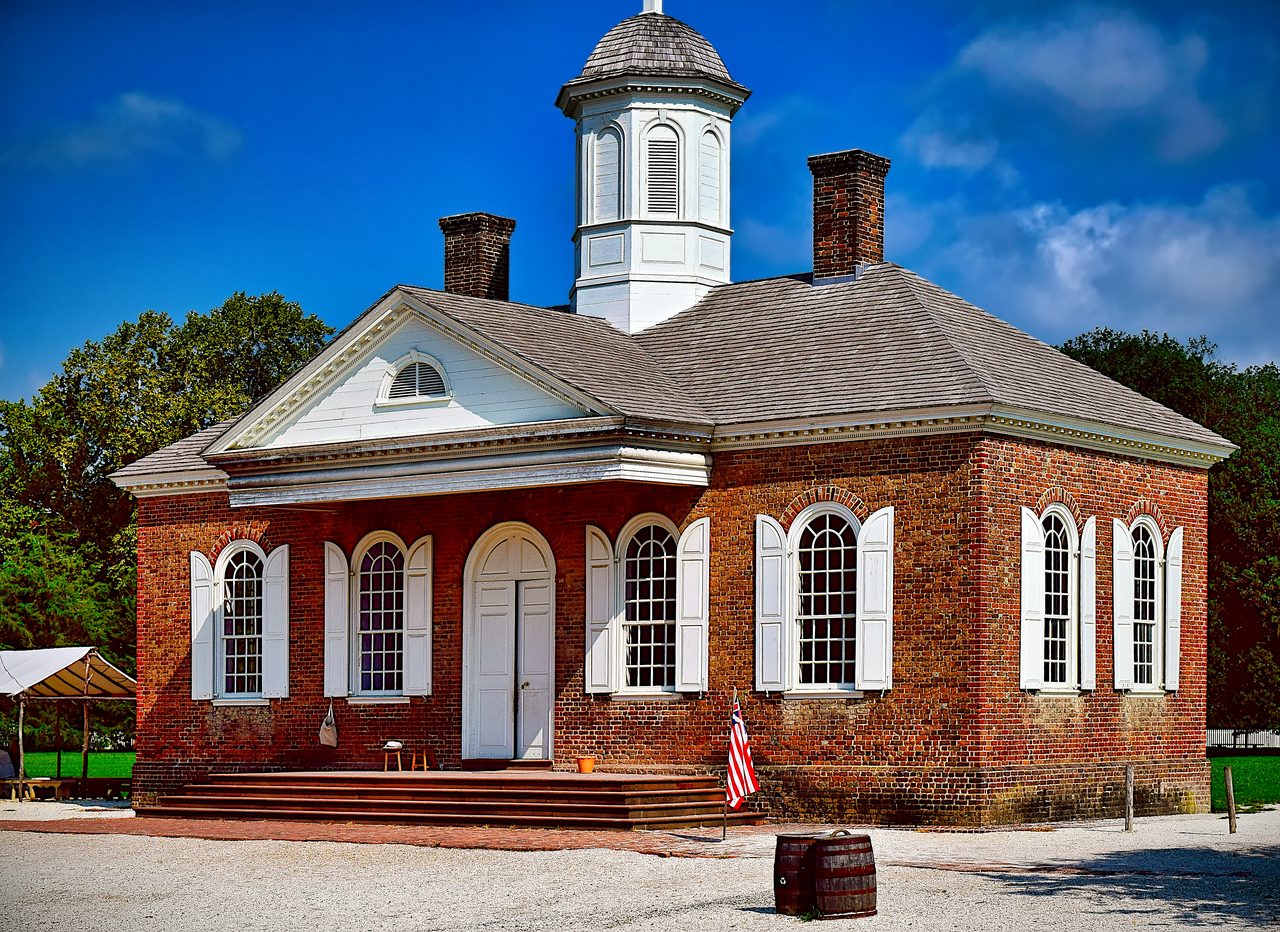
Colonial Williamsburg
This is a restored 18th-century colonial capital covering roughly 300 acres, with costumed interpreters working as blacksmiths, printers, and tradespeople inside original and reconstructed buildings. It functions as a living-history museum rather than a single sight, so a visit means walking Duke of Gloucester Street between the Capitol and the College of William & Mary, stopping into trade shops and historic homes along the way. Expect to spend most of a day if you want to see more than a handful of the buildings.
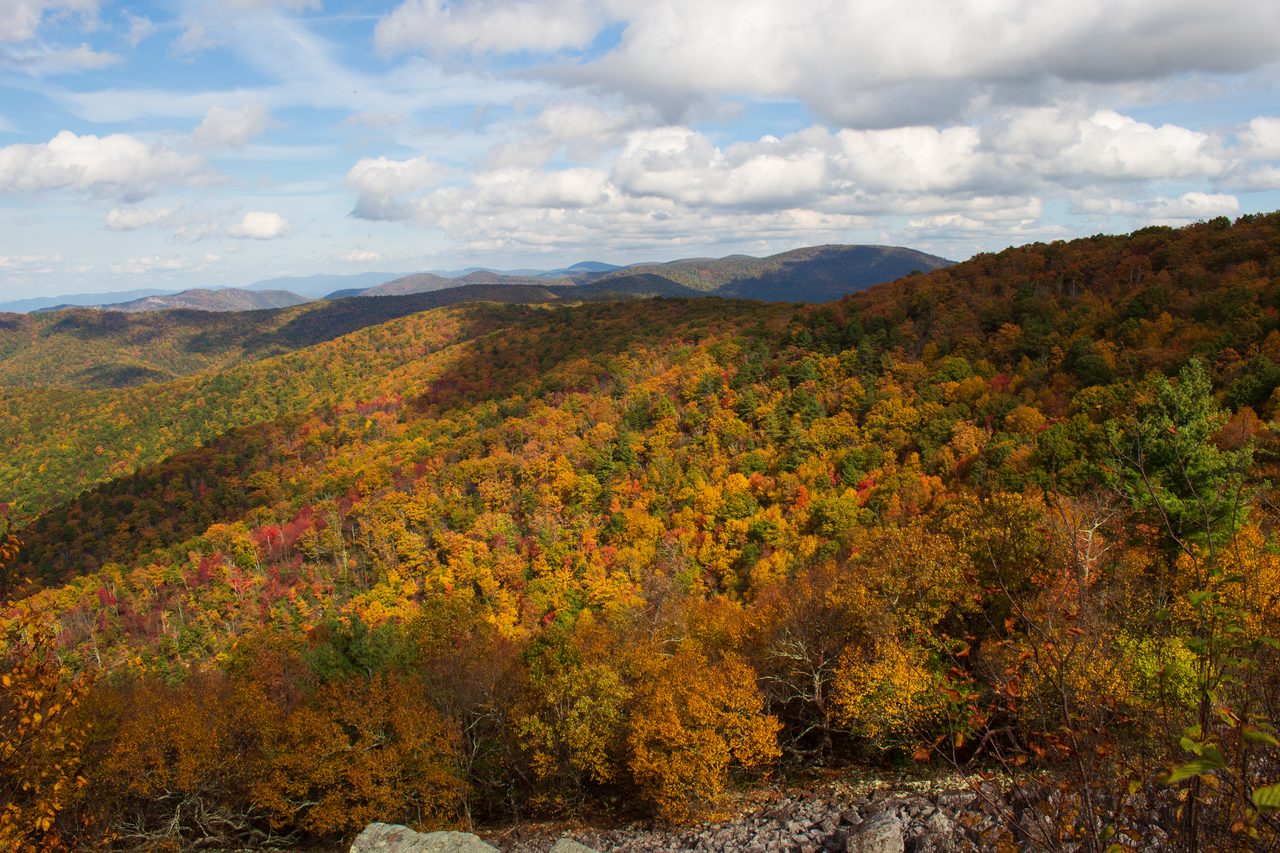
Shenandoah National Park
This park stretches along roughly 105 miles of the Blue Ridge Mountains, with Skyline Drive running its length and connecting overlooks, trailheads, and picnic areas. It protects hardwood forest, waterfalls, and sections of the Appalachian Trail, and is a popular destination for fall foliage in October. The vehicle pass covers all entrances and is valid for a week, which matters since the park has four separate entry points along its length.
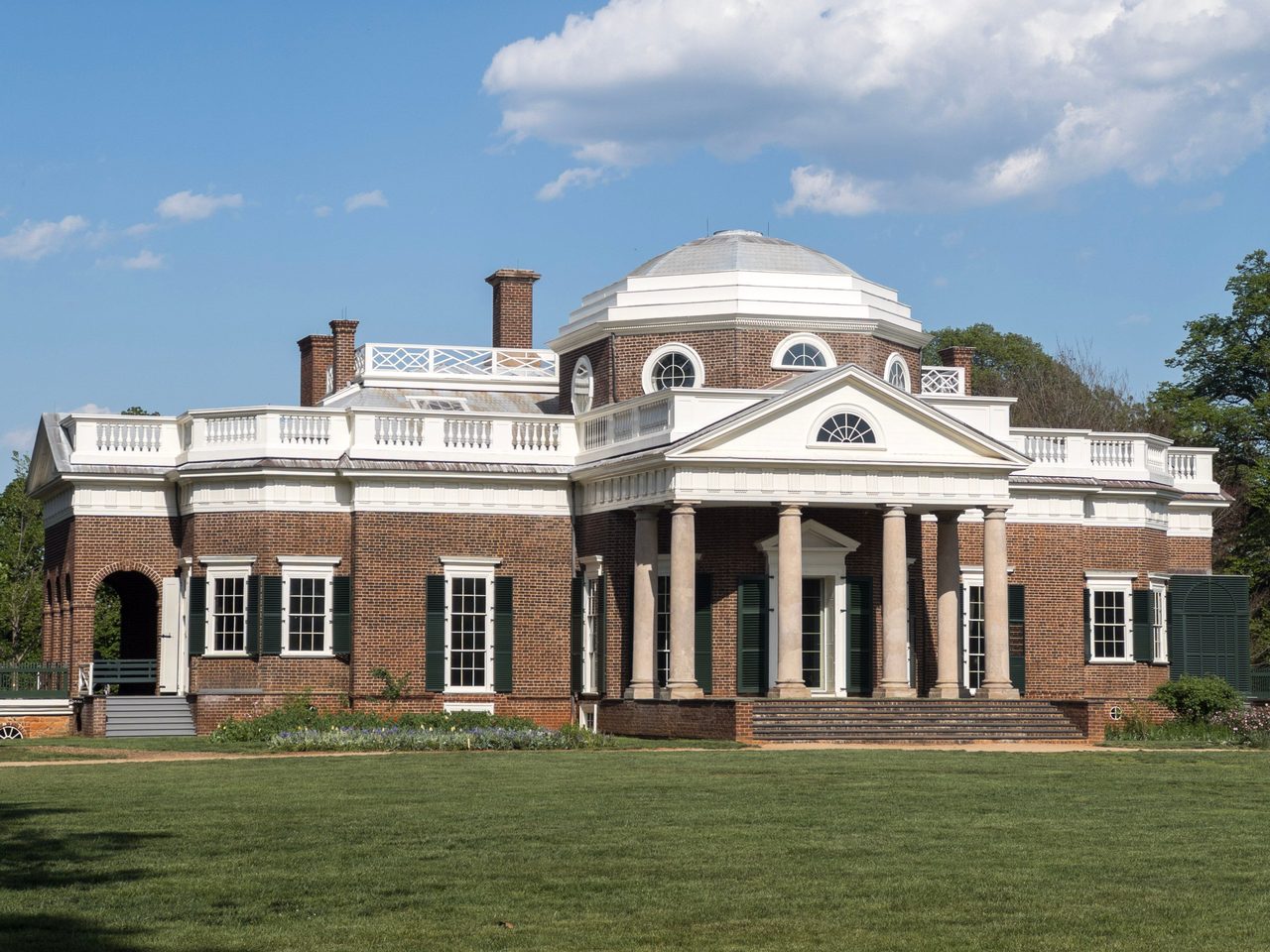
Monticello
Monticello was Thomas Jefferson's home and working plantation, designed and redesigned by him over four decades and now a UNESCO World Heritage Site. The house tour covers rooms filled with Jefferson's own inventions and design choices, from the dome to his private study, and the grounds include his gardens and the burial ground. A visit also addresses the plantation's enslaved workforce, with tours of Mulberry Row where enslaved laborers lived and worked.
Mount Vernon
Mount Vernon was George Washington's plantation home overlooking the Potomac River, preserved with much of its original furnishings and outbuildings intact. The mansion tour covers the rooms where Washington lived and died, while the surrounding grounds include his tomb, gardens, and reconstructed slave quarters that address the plantation's enslaved population. It's a working historic site with a museum and education center included in admission, so plan for a few hours beyond just the house.
Luray Caverns
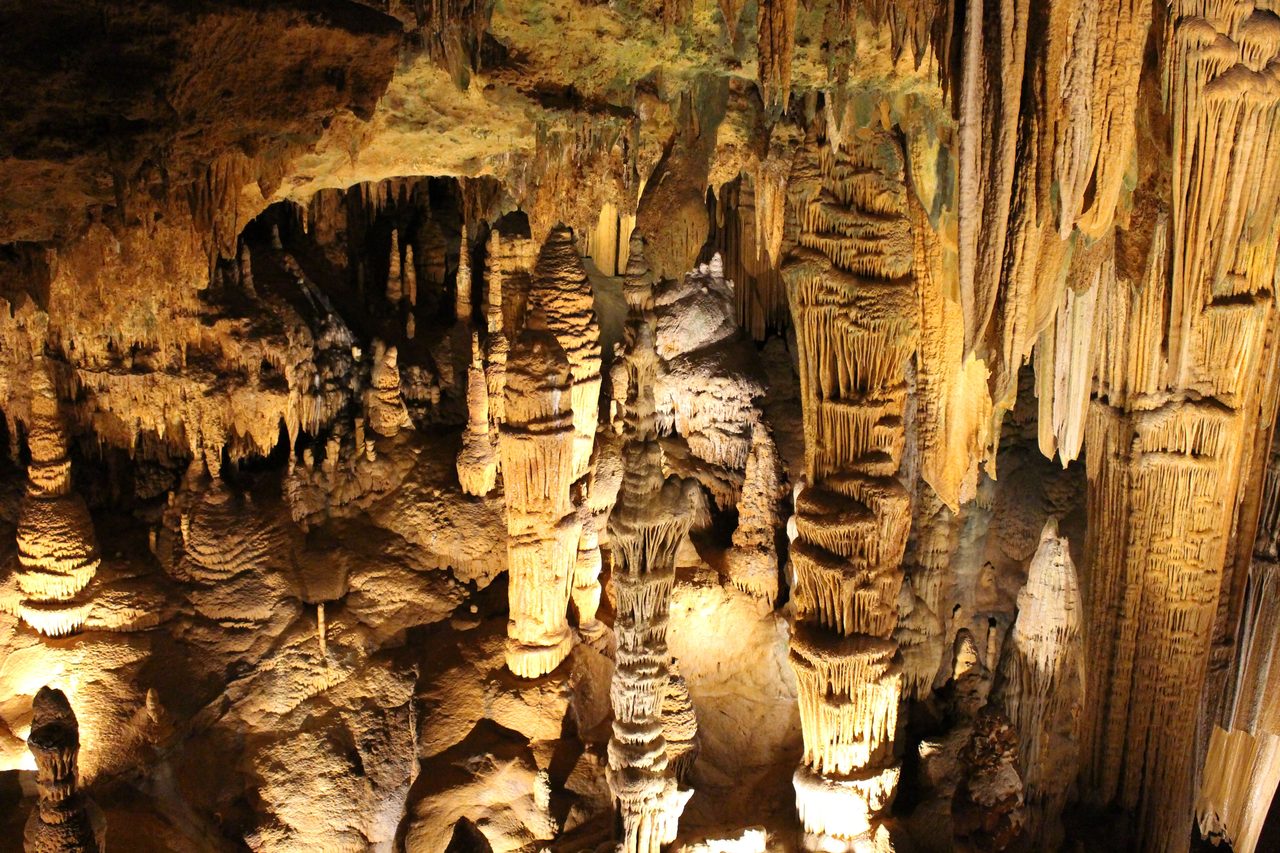
Luray Caverns is the largest cavern system in the eastern United States open to the public, with walkways through chambers of stalactites, stalagmites, and reflective pools. The most distinctive feature is the Great Stalacpipe Organ, which produces music by tapping stalactites of different sizes throughout the cave. The one-hour guided walking tour covers about a mile and stays at a constant 54°F year-round, which matters for what to wear regardless of the season outside.
Arlington National Cemetery
This is the U.S. military cemetery across the Potomac from Washington, D.C., where more than 400,000 service members and their families are buried across 639 acres of hillside. Beyond the rows of white headstones, it includes the Tomb of the Unknown Soldier, with its Changing of the Guard ceremony, and the gravesites of John F. Kennedy and other notable figures. It is a working cemetery with active burials, so the atmosphere is solemn rather than tourist-oriented.
Recommended itineraries
Pick a length, follow the route. Each itinerary balances headline sights with breathing room.
5-Day Virginia Explorer
Day 1Arrive in Virginia, explore city center
Day 2Visit top attractions and museums
Day 3Day trip to nearby highlights
Day 4Local markets and hidden gems
Day 5Final sightseeing, departure
7-Day Classic Virginia
Days 1-2Virginia city highlights
Days 3-4Regional exploration
Days 5-6Cultural immersion and local experiences
Day 7Return and departure
14-Day Ultimate Virginia
Days 1-3Virginia comprehensive city tour
Days 4-6Northern region exploration
Days 7-9Eastern highlights
Days 10-12Southern attractions
Days 13-14Return to Virginia, departure
Where to stay in Virginia
Three tiers, every traveller covered — from cost-conscious to flagship hotels.
Budget $80-120
Hostels, budget hotels, and guesthouses offer affordable stays without sacrificing experience.
Mid-range $180-280
Boutique hotels and well-located accommodations provide comfort and convenience at reasonable prices.
Luxury $400-800+
World-class resorts and premium hotels deliver unforgettable experiences.
Cafés, neighbourhood gems, and tasting menus worth the table reservation.
The Inn at Little Washington
New American / French-influenced · $$$$$
A country-house restaurant in the small town of Washington, Virginia, built around chef Patrick O'Connell's tasting-menu tradition. The kitchen draws on Shenandoah Valley farms and game, plating French technique with theatrical, often whimsical presentation. The dining rooms are dressed in heavy fabrics, antiques, and hunting-country decor, closer to a manor house parlor than a typical restaurant.
L'Opossum
Eclectic American · $$$$
Chef Davis Shannon's Richmond restaurant leans into camp and theatrical presentation, pairing French and American technique with a menu written in deliberately over-the-top language. Plates are composed like small still lifes, and the room mixes velvet and eccentric decor rather than fine-dining hush.
Brenner Pass
Alpine American · $$$
An Alpine-inspired restaurant in Richmond's Scott's Addition area, part of the Metzger Bar/Buttermilk & Honey group, built around melted cheese, cured meats, and mountain-lodge comfort food. The room has a ski-chalet feel, with wood paneling and a lively bar up front.
The Fearrington House Restaurant
New American · $$$$
The Roosevelt
New American / Southern · $$$
Chef Lee Gregory's Church Hill restaurant reworks Southern staples with a modern, ingredient-driven approach, sourcing from Virginia farms for a menu that shifts with the seasons. The space is a converted corner building with a compact, unfussy dining room built for the neighborhood rather than downtown Richmond.
Stony Man Grill at Skyland
American · $$
The main dining room at Skyland Resort inside Shenandoah National Park, serving straightforward American lodge food to hikers and Skyline Drive travelers. Large windows face the Shenandoah Valley, and the menu favors hearty, simple plates over refined technique.
Virginia has no statewide rail network beyond Amtrak's Northeast Corridor and Cardinal/Crescent routes. A car is essential for most destinations outside Richmond, Northern Virginia, and the Amtrak corridor. Virginia Beach, Williamsburg, and Charlottesville are well-linked by Amtrak; Shenandoah, the Blue Ridge, and Southwest Virginia require a vehicle.
Budget breakdown
Daily spend by tier in USD, broken out by category.
Category
Budget
Mid-range
Luxury
Accommodation
$40-70
$100-160
$250-500+
Food (per day)
$20-35
$50-80
$100-200+
Transportation
$10-20
$20-40
$50-100
Activities
$10-25
$25-50
$50-150+
Daily total
$80-120
$180-280
$400-800+
Best time to visit Virginia
Weather through the year in United States
Best timeShoulderWorth avoiding
Average daytime temperature in °C. Figures are for United States.
Spring brings dogwood blooms and pleasant hiking temperatures. Fall offers spectacular Blue Ridge foliage typically peaking mid-October. Summers are hot and humid on the coast and in the Piedmont but cooler in the mountains.
Essential travel tips
Virginia state parks charge a vehicle entry fee ($4-$7) — purchase an annual State Parks Pass ($75) if visiting more than 3 parks
Colonial Williamsburg requires a ticket — buy online in advance to skip lines
Amtrak's Cardinal route (NYC–Chicago) passes through Charlottesville and Clifton Forge with spectacular scenery
Virginia wine country uses the 'Virginia Wine Month' designations (October) — many wineries offer free tastings during promotional weekends
The Blue Ridge Parkway has no fees and passes at its southern Virginia end from Roanoke
Hidden gems
Off-the-beaten-path corners most travellers miss.
Natural Tunnel State Park
Scott County
Chincoteague Island
Eastern Shore
Breaks Interstate Park
Dickenson County
Safety information
INFO
Lock vehicles when parking at trailheads—break-ins occur occasionally at popular Shenandoah trailheads
INFO
Check NPS road conditions before driving Skyline Drive, which closes during ice storms
INFO
Virginia Beach rip currents are strong in summer—swim near lifeguard stands
INFO
Carry bear spray and know food storage rules when backpacking Shenandoah
Frequently asked questions
Is Virginia safe to visit in 2026?
Virginia is a safe destination for all travelers. The major tourist areas—Colonial Williamsburg, Shenandoah National Park, Old Town Alexandria, Charlottesville—experience minimal crime. Richmond and Norfolk have higher urban crime rates in specific neighborhoods, but tourist districts and hotel corr
What is the best time to visit Virginia?
The best time to visit Virginia is April–May and September–October. Virginia has a humid subtropical climate in the east (Tidewater and Piedmont) transitioning to a humid continental climate in the western mountains. Summers are hot and humid statewide (85-95°F / 29-3
What currency is used in Virginia?
The currency in Virginia is the US Dollar (USD). ATMs are widely available in cities and tourist areas. Credit cards are accepted at most hotels and restaurants, but carry cash for markets and smaller establishments.
What language is spoken in Virginia?
The main language(s) spoken in Virginia: English. In tourist areas, English is generally understood. Learning a few basic phrases in the local language is appreciated by locals.
What are the top attractions in Virginia?
The top attractions in Virginia include Colonial Williamsburg, Shenandoah National Park, Monticello, Mount Vernon, and Luray Caverns. Each offers a unique experience, from historic landmarks to natural wonders.