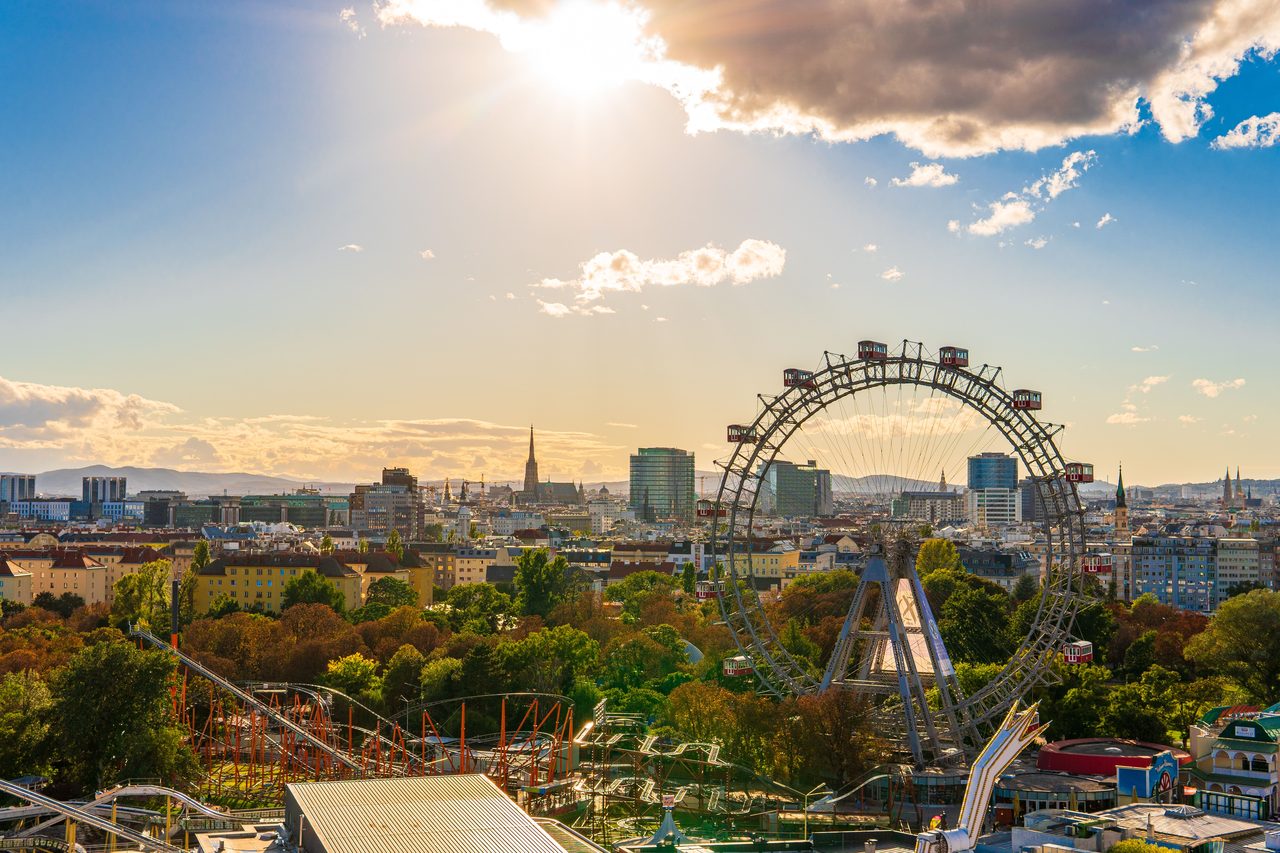
Austria captivates visitors with its imperial cities, Alpine landscapes, and rich musical heritage. From Vienna's grand palaces to Salzburg's baroque architecture and the stunning Tyrolean Alps, this Central European gem offers world-class culture, outdoor adventures, and legendary coffeehouse traditions.
Austria captivates visitors with its imperial cities, Alpine landscapes, and rich musical heritage. From Vienna's grand palaces to Salzburg's baroque architecture and the stunning Tyrolean Alps, this Central European gem offers world-class culture, outdoor adventures, and legendary coffeehouse traditions.
The 32 destinations our editors recommend — from iconic landmarks to under-the-radar finds.
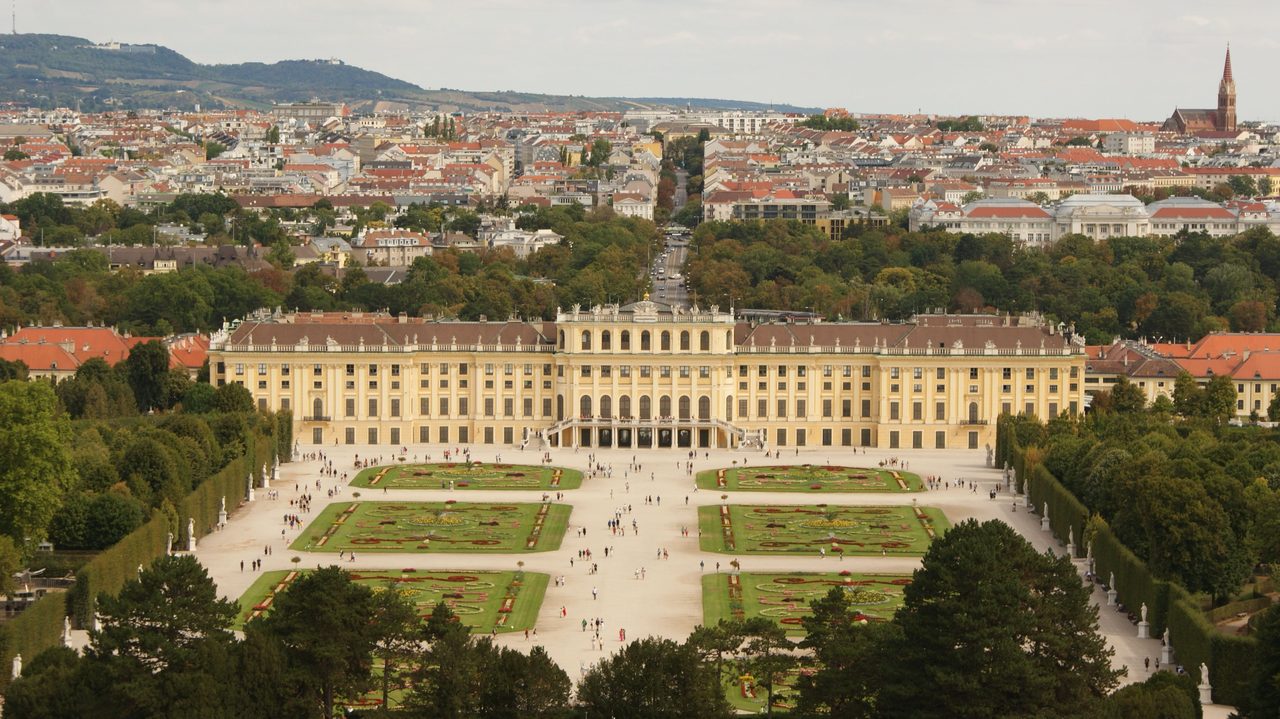
Schönbrunn Palace
The magnificent 1,441-room Baroque palace was the summer residence of the Habsburg emperors. The palace and its stunning gardens are a UNESCO World Heritage site and one of Austria's most visited attractions. Explore the Imperial apartments, the world's oldest zoo, and the spectacular Gloriette viewpoint.
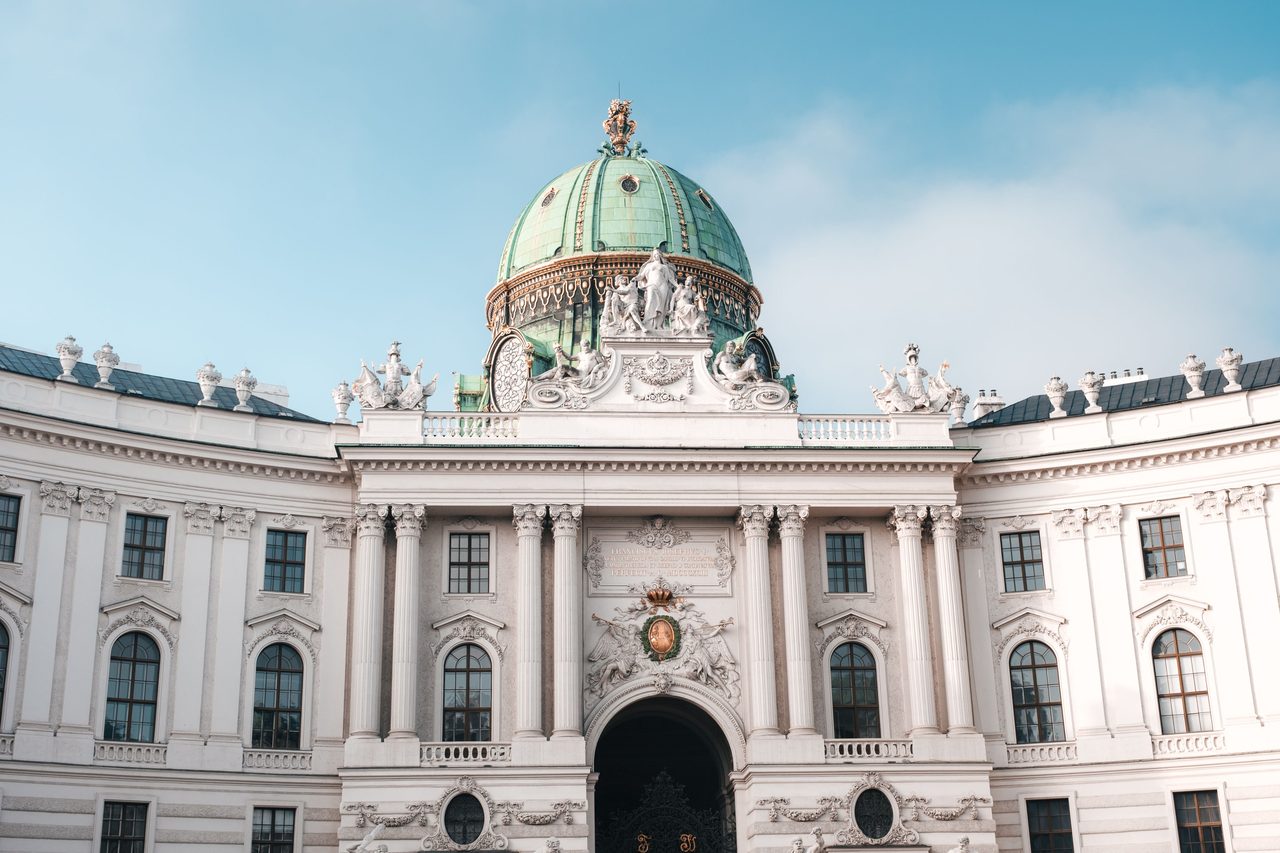
Hofburg Palace
The former principal imperial palace of the Habsburg dynasty, now the official residence of the Austrian President. The massive complex houses museums including the Imperial Apartments, Sisi Museum, and the Imperial Silver Collection. Marvel at 700 years of architectural evolution.
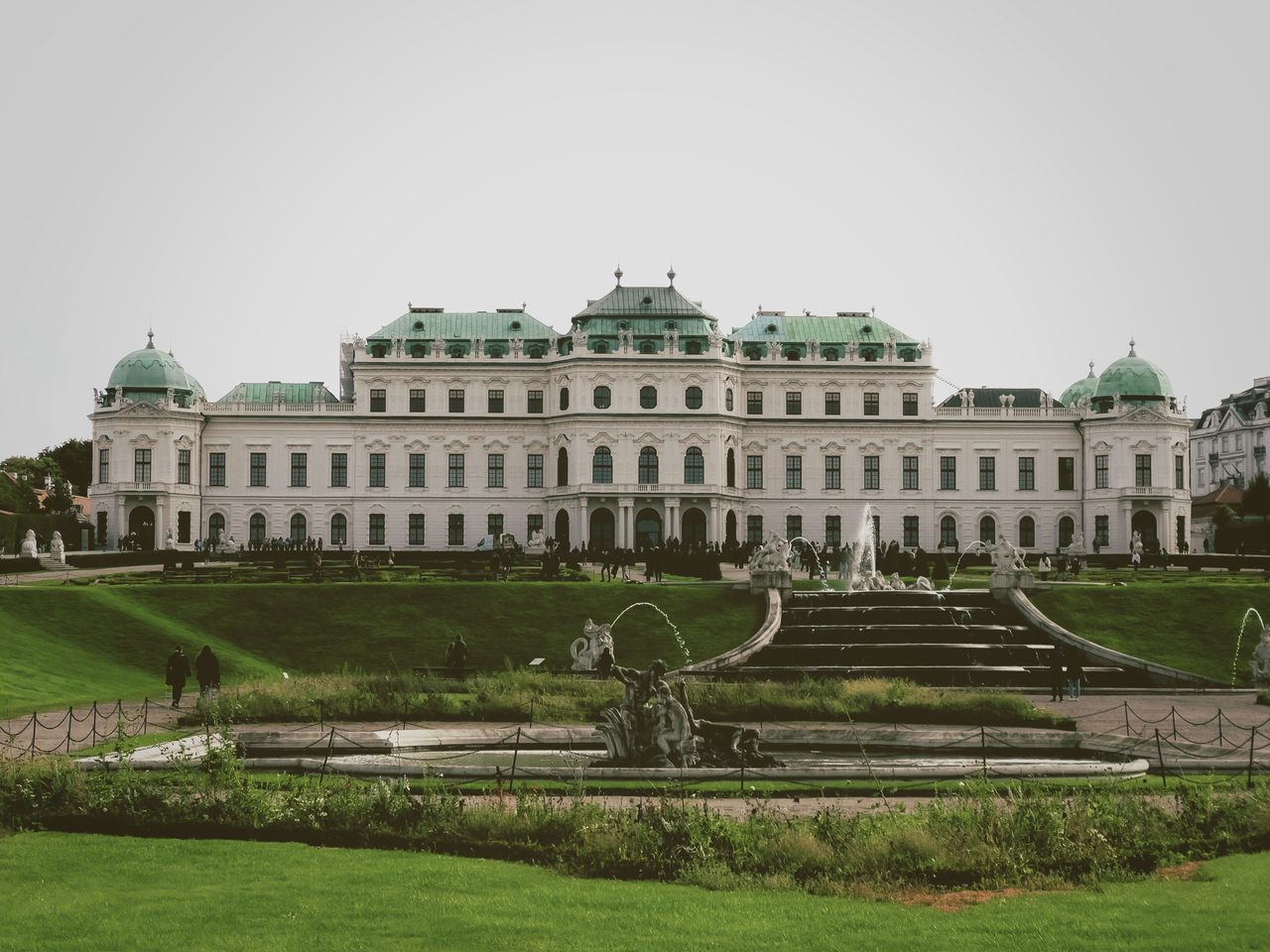
Belvedere Palace
Stunning Baroque palace complex housing the world's largest collection of Gustav Klimt paintings, including The Kiss. The Upper and Lower Belvedere are set in magnificent formal gardens with fountains and sculptures. Experience Austrian art from the Middle Ages to the present day.
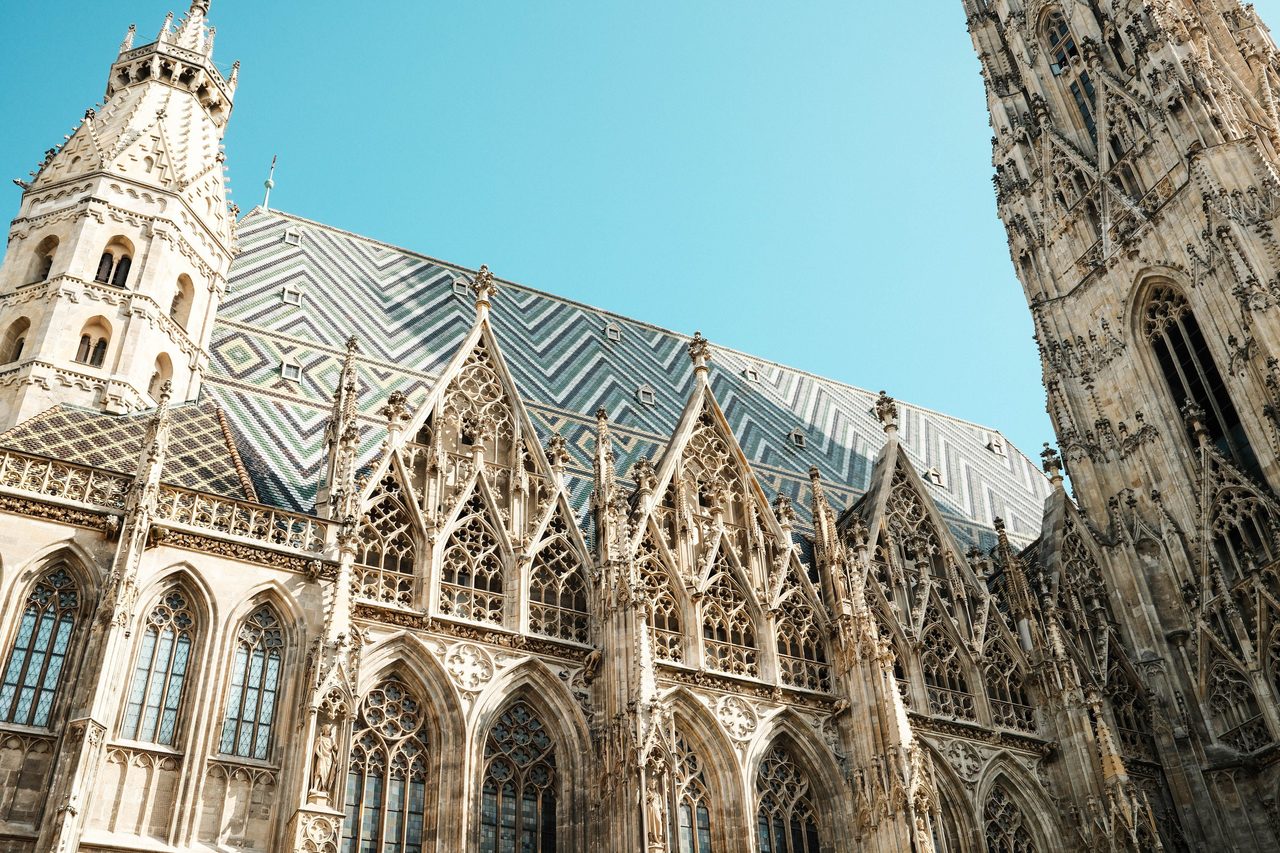
St. Stephen's Cathedral
Vienna's iconic Gothic masterpiece and the mother church of the Archdiocese of Vienna. The cathedral's stunning tiled roof and 137-meter south tower dominate the city skyline. Climb 343 steps for breathtaking views or descend into the catacombs for a historical tour.
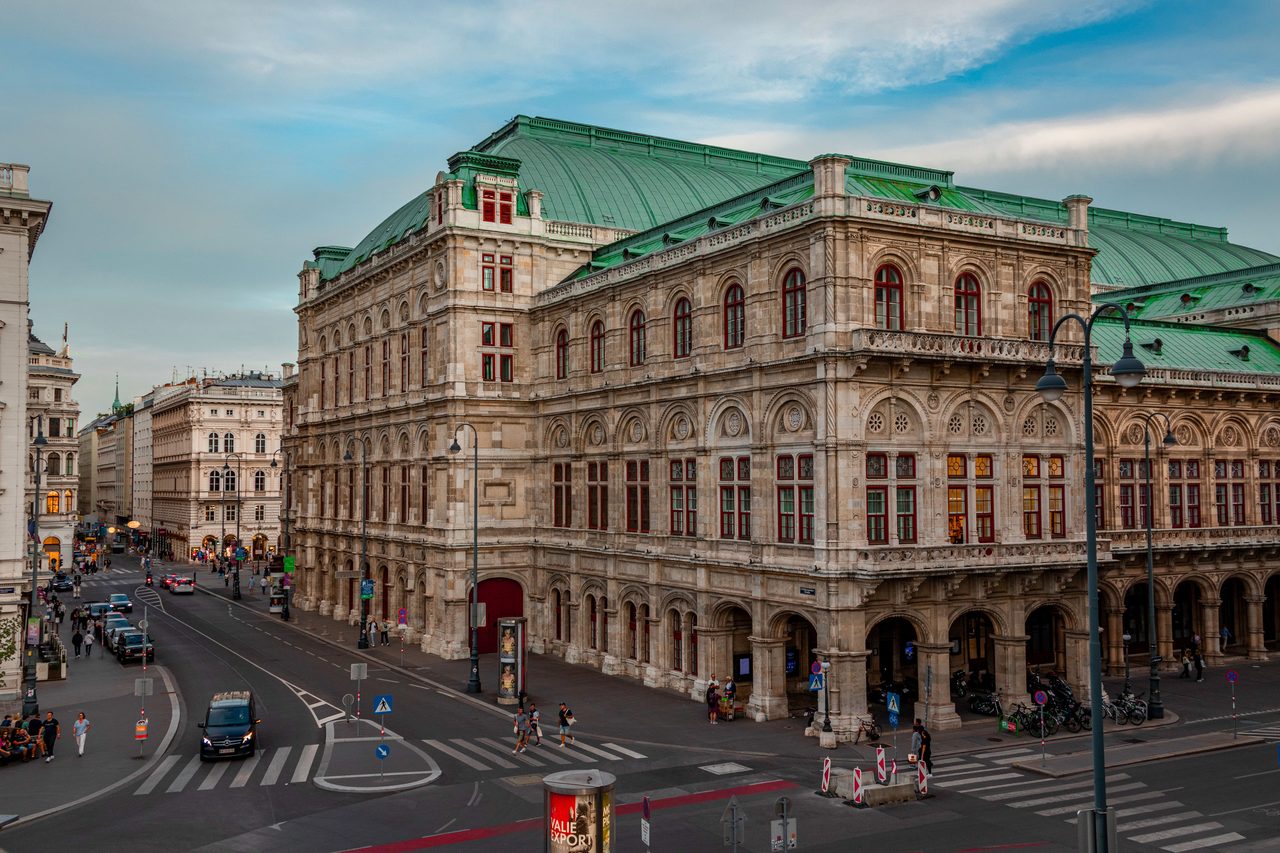
Vienna State Opera
One of the world's leading opera houses, renowned for its exceptional acoustics and performances. The neo-Renaissance building hosts over 350 performances annually. Take a guided tour to see the grand staircases, tea salon, and auditorium with its magnificent chandelier.
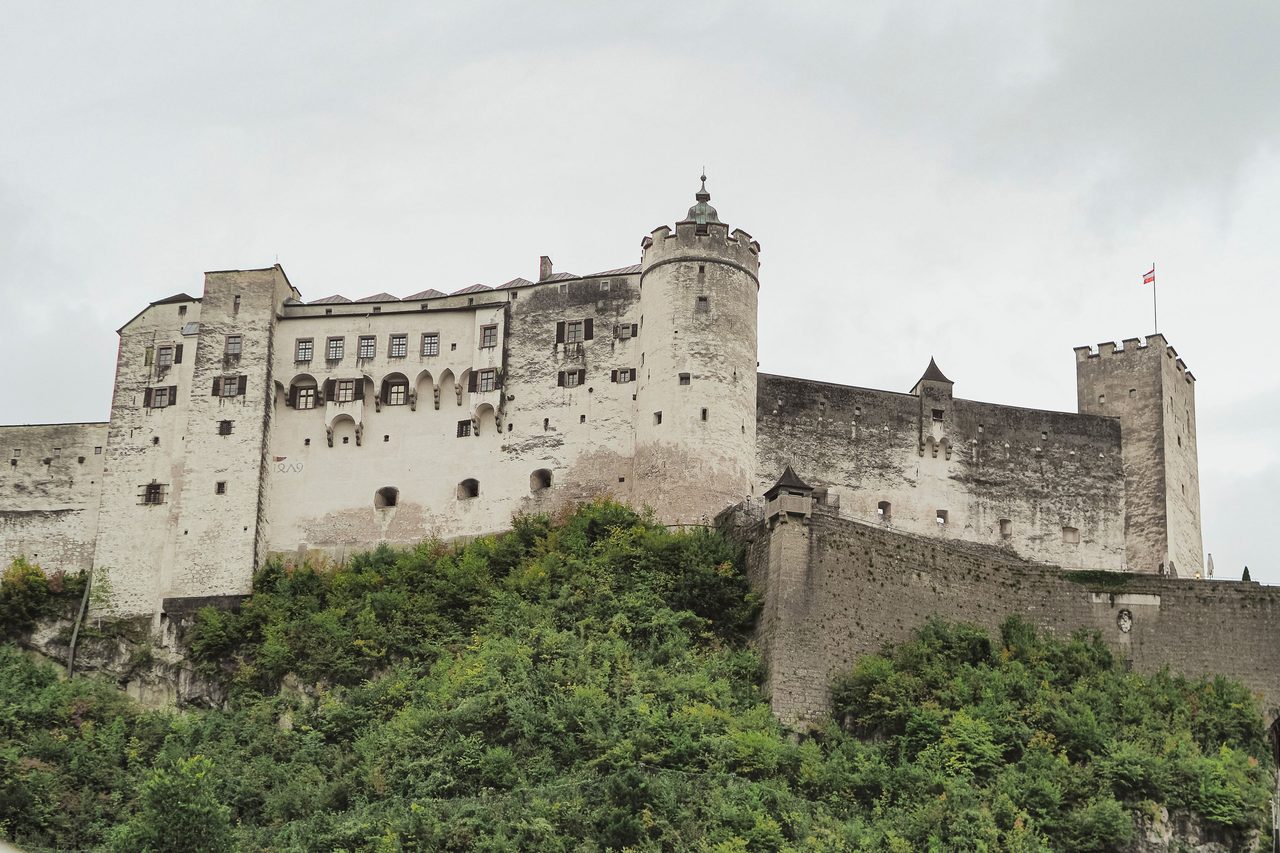
Hohensalzburg Fortress
The largest fully preserved fortress in Central Europe, perched 120 meters above Salzburg's old town. Dating from 1077, it offers spectacular panoramic views of the city and Alps. Explore medieval state rooms, torture chambers, and military exhibits.
Recommended itineraries
Pick a length, follow the route. Each itinerary balances headline sights with breathing room.
5-Day Austria Explorer
Day 1Arrive in Austria, explore city center
Day 2Visit top attractions and museums
Day 3Day trip to nearby highlights
Day 4Local markets and hidden gems
Day 5Final sightseeing, departure
7-Day Classic Austria
Days 1-2Austria city highlights
Days 3-4Regional exploration
Days 5-6Cultural immersion and local experiences
Day 7Return and departure
14-Day Ultimate Austria
Days 1-3Austria comprehensive city tour
Days 4-6Northern region exploration
Days 7-9Eastern highlights
Days 10-12Southern attractions
Days 13-14Return to Austria, departure
Where to stay in Austria
Three tiers, every traveller covered — from cost-conscious to flagship hotels.
Budget $80-100
Hostels, budget hotels, and guesthouses offer affordable stays without sacrificing experience.
Mid-range $150-220
Boutique hotels and well-located accommodations provide comfort and convenience at reasonable prices.
Luxury $500+
World-class resorts and premium hotels deliver unforgettable experiences.
Hotel Sacher Wien
Vienna · $450-650
Legendary 5-star hotel opposite the Vienna State Opera, home of the original Sachertorte. Opulent rooms feature antiques and silk fabrics, while the hotel's refined elegance has hosted royalty and celebrities since 1876. Impeccable service and prime location make it Vienna's most iconic hotel.
Stylish 4-star hotel on Vienna's Ringstrasse near Stadtpark. Modern rooms with smart design, excellent breakfast buffet, and friendly service. Perfect location for sightseeing with metro and tram connections at the door.
Modern hostel near Naschmarkt with private rooms and dorms. Clean facilities, comfortable beds, social common areas, and 24-hour reception. Bar and roof terrace make it easy to meet fellow travelers. One of Vienna's best budget options.
Housed in a beautifully converted 100-year-old bank building, this contemporary luxury hotel combines historic grandeur with modern design. Spacious rooms, exceptional spa, and rooftop bar with city views. Steps from St. Stephen's Cathedral.
Cafés, neighbourhood gems, and tasting menus worth the table reservation.
Steirereck
Modern Austrian · $$$$$
Vienna's top restaurant with two Michelin stars, located in Stadtpark. Innovative interpretations of Austrian cuisine using regional ingredients. Wine cellar holds over 30,000 bottles. Reservations essential months in advance.
Plachutta Wollzeile
Traditional Austrian · $$$$
Vienna institution famous for Tafelspitz (boiled beef), Emperor Franz Joseph's favorite dish. Traditional elegant setting with white tablecloths and attentive service. Multiple cuts of beef served with classic accompaniments. A Viennese culinary experience.
Figlmüller Wollzeile
Traditional Austrian · $$
Home of Vienna's most famous schnitzel since 1905. Gigantic portions overhanging plates have become legendary. The original location in the narrow alley serves only pork schnitzel. Always crowded but worth the wait.
Leo's Käsekrainer
Sausage Stand · $
Popular würstelstand near Vienna's Naschmarkt serving excellent käsekrainer (cheese-filled sausage). Quick service, fair prices, and quality ingredients. Perfect late-night snack or quick lunch. Local favorite.
Café Central
Viennese Coffeehouse · $$$
Legendary coffeehouse since 1876, once frequented by Freud, Trotsky, and other intellectuals. Palatial interior with vaulted ceilings and marble columns. Famous for apple strudel and Sachertorte. Live piano music daily. Tourist favorite but still magnificent.
Silvio Nickol Gourmet Restaurant
Contemporary European · $$$$$
Two Michelin-starred restaurant at Palais Coburg. Innovative cuisine showcasing seasonal ingredients with artistic presentation. Incredible wine list from the palace's historic cellars. Elegant dining experience.
Transportation options in Austria include local buses, taxis, and rental cars. Check local conditions before planning your travel.
Budget breakdown
Daily spend by tier in USD, broken out by category.
Category
Budget
Mid-range
Luxury
Accommodation
$25-35 (hostel dorm)
$70-120 (3-star hotel or private hostel room)
$250-600 (4-5 star hotels)
Food (per day)
$25-30 (supermarkets, cheap eats, one budget restaurant)
$40-60 (breakfast included, lunch at casual restaurant, dinner at mid-range)
$100-200 (fine dining, hotel breakfast, quality restaurants)
Transportation
$10-15 (day passes)
$15-20 (day passes, occasional taxi)
$40-80 (taxis, private transfers, car service)
Activities
$20-20 (free sights, one paid attraction)
$25-40 (museums, attractions, tours)
$110-200 (VIP tours, opera tickets, exclusive experiences)
Daily total
$80-100
$150-220
$500+
Best time to visit Austria
Weather through the year in Austria
Best timeShoulderWorth avoiding
Average daytime temperature in °C. Figures are for Austria.
June-August (summer), December-March (ski season)
Essential travel tips
Research visa requirements before your trip
Learn a few basic phrases in the local language
Carry cash as cards may not be accepted everywhere
Respect local customs and dress codes
Purchase travel insurance before departure
Hidden gems
Off-the-beaten-path corners most travellers miss.
Alpbach
Voted Austria's most beautiful village, this car-free Alpine hamlet features traditional wooden chalets with flower boxes. Pristine Tyrolean architecture without tourist crowds. Perfect for authentic mountain atmosphere.
Bad Gastein
Faded Belle Époque spa town with waterfall cascading through center. Grand 19th-century hotels create atmospheric decay meets Alpine beauty. Thermal baths, hiking, and unique abandoned grandeur.
Krems an der Donau
Historic university town at entrance to Wachau Valley. Medieval old town, excellent wine bars, art galleries, and far fewer tourists than nearby Melk. Gateway to wine country.
Gmunden
Lakeside town on Traunsee with ceramic tradition dating to 1492. Picturesque promenade, Schloss Ort castle on island, and stunning mountain backdrop. Known for painted ceramics.
Burg Hochosterwitz
Dramatic castle on 175m high dolomite rock in Carinthia. Reached via winding road through 14 gates. One of Austria's most impressive fortresses with virtually no tourists.
Durnstein Blue Tower
Enchanting medieval village in the Wachau Valley where Richard the Lionheart was imprisoned
Grossglockner Viewpoint, Hohe Tauern National Park
Austria's largest national park; the Grossglockner High Alpine Road offers the best views
Leopoldsberg Summit, Vienna
Forested hill above the Danube on the northern edge of Vienna, 425m elevation
Dürnstein
Enchanting medieval village in the Wachau Valley where Richard the Lionheart was imprisoned
Hohe Tauern National Park
Austria's largest national park with pristine Alpine wilderness
Safety information
INFO
Register with your embassy or consulate upon arrival, especially for extended stays — Austria has consular services for most nationalities in Vienna.
INFO
Austria is generally very safe, but pickpockets are active on Vienna U-Bahn lines U1, U2, U4 and around Stephansplatz; keep wallets in front pockets.
INFO
Validate your public transport ticket before boarding — plain-clothes inspectors issue on-the-spot fines of EUR 100+ for unvalidated tickets.
INFO
Alpine hiking requires proper equipment even in summer: weather changes rapidly above 2,000m — always carry a rain jacket and inform someone of your route.
INFO
Tap water throughout Austria is exceptionally clean and drinkable; buying bottled water is unnecessary.
INFO
Emergency number is 112 (EU standard); police 133, fire 122, ambulance 144 — save these before your trip.
INFO
Schengen area: keep your passport or national ID accessible; border checks can occur on trains into/out of Austria.
INFO
Jaywalking is illegal in Austria and fines are enforced — cross only at designated crossings when the green light shows.
INFO
If skiing or snowboarding, purchase comprehensive travel insurance covering mountain rescue, which can cost thousands of euros without it.
INFO
Avoid driving in alpine villages if you are not confident in mountain driving — narrow roads, steep gradients and unexpected rockfall zones require caution.
INFO
Pharmacies (Apotheke) are the go-to for minor ailments; one in each district operates on a 24-hour emergency rotation, shown posted on the door.
INFO
Swimming in Alpine lakes is safe but water temperatures are cold even in summer; check for designated swimming zones and posted warnings.
Frequently asked questions
Is Austria safe to visit in 2026?
Austria is one of the world's safest countries, consistently ranking among the top 5 in global peace indices. Violent crime is extremely rare, cities are clean and well-lit at night, and the infrastructure is excellent. Standard urban precautions apply in Vienna's tourist areas. Emergency services: police at 133 (Austrian Police / Polizei), medical at 144 (Ambulance / Rettungsdienst) or 112 (EU emergency number).
What is the best time to visit Austria?
The best time to visit Austria is June-August (summer), December-March (ski season). Austria has a temperate continental climate with distinct seasons shaped significantly by Alpine geography. Vienna and the eastern lowlands experience warm summers (25-30°C), cold winters (often below
Do I need a visa to visit Austria?
No visa required for stays up to 90 days within any 180-day period. Valid passport required. ETIAS authorization will be required from late 2026. Requirements vary by nationality, so check with your nearest embassy or the official immigration website before traveling.
What currency is used in Austria?
The currency in Austria is the Euro (EUR) (EUR). ATMs are widely available in cities and tourist areas. Credit cards are accepted at most hotels and restaurants, but carry cash for markets and smaller establishments.
What language is spoken in Austria?
The main language(s) spoken in Austria: German (official). In tourist areas, English is generally understood. Learning a few basic phrases in the local language is appreciated by locals.
What are the top attractions in Austria?
The top attractions in Austria include Schönbrunn Palace, Hofburg Palace, Belvedere Palace, St. Stephen's Cathedral, and Vienna State Opera. Each offers a unique experience, from historic landmarks to natural wonders.
Explore Austria by region
Each region has its own character — coastal, alpine, vineyard, capital. Pick a starting point.