Asia · 25 Places · Best March-May and September-November
Bhutan
Experience the Land of the Thunder Dragon, where ancient Buddhist monasteries cling to dramatic cliffsides and traditional culture thrives amid pristine Himalayan valleys. Bhutan offers travelers a unique blend of spiritual heritage, stunning mountain landscapes, and a commitment to Gross National Happiness over GDP.
Experience the Land of the Thunder Dragon, where ancient Buddhist monasteries cling to dramatic cliffsides and traditional culture thrives amid pristine Himalayan valleys. Bhutan offers travelers a unique blend of spiritual heritage, stunning mountain landscapes, and a commitment to Gross National Happiness over GDP.
The 25 destinations our editors recommend — from iconic landmarks to under-the-radar finds.
Tiger's Nest Monastery (Paro Taktsang)
Bhutan's most iconic landmark, this sacred Buddhist monastery clings to a cliff 900m above the Paro Valley. Built in 1692 on the site where Guru Rinpoche is said to have flown on the back of a tigress, it's one of the holiest sites in Bhutan and offers breathtaking views of the valley below.
Punakha Dzong
The stunning 'Palace of Great Happiness' sits at the confluence of two rivers and served as Bhutan's capital until 1955. This fortress-monastery features ornate woodwork, intricate paintings, and beautiful courtyards, and is still the winter residence of Bhutan's central monastic body.
Buddha Dordenma Statue
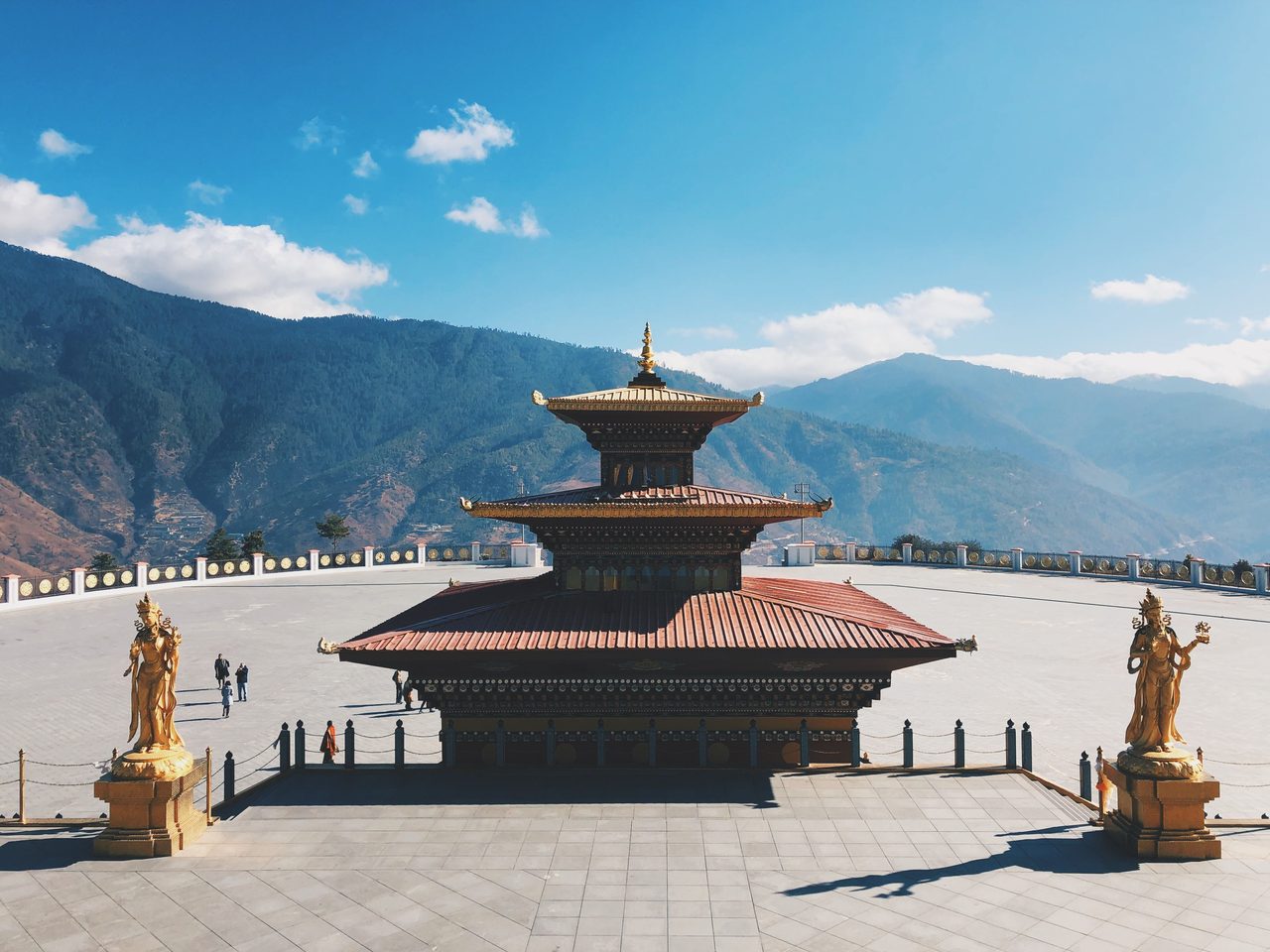
This massive 169-foot bronze statue of Shakyamuni Buddha overlooks Thimphu Valley from atop Kuenselphodrang hill. Completed in 2015, it houses 125,000 smaller Buddha statues and offers panoramic views of the capital and surrounding mountains.
Dochula Pass
At 10,200 feet, this mountain pass features 108 memorial chortens (stupas) and offers stunning 360-degree views of the Himalayan range. On clear days, you can see peaks reaching over 23,000 feet, including Bhutan's highest mountain.
Tashichho Dzong
The 'Fortress of the Glorious Religion' serves as the seat of Bhutan's government and houses the summer residence of the Je Khenpo (Chief Abbot). This impressive structure combines traditional architecture with administrative function and is beautifully lit at night.
Chele La Pass
Bhutan's highest motorable road at 13,084 feet offers spectacular views of Mount Jomolhari and the Haa Valley. Prayer flags flutter in the mountain winds, and on clear days, you can see both Paro and Haa valleys below.
Recommended itineraries
Pick a length, follow the route. Each itinerary balances headline sights with breathing room.
5-Day Bhutan Explorer
Day 1Arrive in Bhutan, explore city center
Day 2Visit top attractions and museums
Day 3Day trip to nearby highlights
Day 4Local markets and hidden gems
Day 5Final sightseeing, departure
7-Day Classic Bhutan
Days 1-2Bhutan city highlights
Days 3-4Regional exploration
Days 5-6Cultural immersion and local experiences
Day 7Return and departure
14-Day Ultimate Bhutan
Days 1-3Bhutan comprehensive city tour
Days 4-6Northern region exploration
Days 7-9Eastern highlights
Days 10-12Southern attractions
Days 13-14Return to Bhutan, departure
Where to stay in Bhutan
Three tiers, every traveller covered — from cost-conscious to flagship hotels.
Budget $250-300
Hostels, budget hotels, and guesthouses offer affordable stays without sacrificing experience.
Mid-range $400-600
Boutique hotels and well-located accommodations provide comfort and convenience at reasonable prices.
Luxury $1,000-2,000+
World-class resorts and premium hotels deliver unforgettable experiences.
Amankora Paro
Paro Valley · $1,400-$2,000
Part of the exclusive five-lodge Amankora circuit, this 24-suite luxury retreat offers refined accommodations with traditional Bhutanese design, wood-burning stoves, and stunning valley views. The property features a two-story spa, fine dining, and personalized service in a tranquil pine forest setting.
A well-established resort in Paro offering traditional Bhutanese architecture with modern amenities. The property features comfortable rooms, beautiful gardens, cultural performances, and a restaurant serving Bhutanese and international cuisine. Popular with families and groups.
A budget-friendly 3-star property in Paro offering basic but clean accommodations with a garden, shared lounge, and bar. Good value for travelers seeking comfortable lodging without luxury prices. Friendly staff and home-cooked meals available.
Perched on a hillside overlooking Thimphu Valley, this luxury lodge combines sustainability with refined comfort. Features include a comprehensive spa, heated indoor pool, organic farm-to-table dining, and spacious suites with private balconies offering mountain and valley views.
Cafés, neighbourhood gems, and tasting menus worth the table reservation.
Bukhari at COMO Uma Paro
Contemporary Bhutanese & International · $$$
An upscale dining experience featuring farm-to-table cuisine with Bhutanese and international influences. The restaurant's floor-to-ceiling windows offer stunning Paro Valley views while you enjoy refined dishes prepared with local organic ingredients.
Folk Heritage Museum Restaurant
Traditional Bhutanese · $$
A unique dining experience in a restored traditional house where you sit on cushions around low tables. Authentic Bhutanese cuisine prepared using traditional methods with seasonal organic ingredients, including suja (butter tea) and red rice.
Kalden Restaurant
Traditional Bhutanese · $
A no-frills local eatery serving home-cooked style Bhutanese meals. Popular with taxi drivers, office workers, and monks, this is the place to try authentic ema datshi, goep paa, and other traditional dishes at local prices.
Chuniding Food
Traditional Bhutanese Street Food · $
Specializes in tomza - traditional Bhutanese packed meals where rice, meat, and side dishes are bundled in banana leaves. Uses local and organic ingredients to create authentic street food experience.
Karma's Coffee
Coffee & Light Meals · $
Thimphu's favorite cafe serving excellent coffee roasted in-house, fresh pastries, sandwiches, and light meals. Cozy atmosphere with WiFi makes it popular with locals and expats. Great spot for breakfast or afternoon break.
The Restaurant at Amankora
Refined Bhutanese & Asian Fusion · $$$
Amankora's signature restaurant offers an intimate fine dining experience with contemporary Asian cuisine complemented by traditional Bhutanese specialties. Seasonal menus feature organic produce from local farms and the resort's own gardens.
Getting around Bhutan
Transportation options in Bhutan include local buses, taxis, and rental cars. Check local conditions before planning your travel.
Budget breakdown
Daily spend by tier in USD, broken out by category.
Category
Budget
Mid-range
Luxury
Accommodation
$40-60 (budget guesthouse or 2-3 star hotel)
$120-200 (comfortable 3-4 star hotel)
$500-1,200+ (5-star lodges like Amankora, Six Senses, COMO)
Food (per day)
$20-30 (local restaurants, street food, modest meals)
$50-80 (mix of mid-range and nicer restaurants)
$100-200 (fine dining, often included in luxury hotels)
Average daytime temperature in °C. Figures are for Bhutan.
Essential travel tips
Research visa requirements before your trip
Learn a few basic phrases in the local language
Carry cash as cards may not be accepted everywhere
Respect local customs and dress codes
Purchase travel insurance before departure
Hidden gems
Off-the-beaten-path corners most travellers miss.
Haa Valley
One of Bhutan's most pristine and least-visited valleys, opened to tourists only in 2002. Surrounded by mountains over 15,000 feet, it offers authentic village life, the sacred White and Black Temples, traditional architecture, and the annual Haa Summer Festival showcasing nomadic culture without tourist crowds.
Ura Valley
A remote valley in Bumthang region featuring unique circular-plan houses, traditional sheep herding culture, and the 200-year-old Ura Lhakhang temple. The village celebrates the Ura Yakchoe festival in May with masked dances and a sacred relic display.
Limbukha Village and Lhakhang
A traditional village in Punakha district accessible only by suspension bridge and a scenic walk. The ancient temple contains rare Buddhist frescoes and statues, while the village offers homestays and authentic rural Bhutanese life largely untouched by tourism.
Gangtey Valley (Phobjikha Valley)
A glacial valley off the beaten path, famous as the winter home of endangered black-necked cranes that migrate from Tibet
Bumdra Trek Campsite
An alternative to the crowded Tiger's Nest - this overnight trek leads to a remote monastery and campsite at 12,800 feet with spectacular sunrise views over the Himalayas
Kila Nunnery (Kila Gompa)
A small nunnery perched on a cliff accessible by a 45-minute hike from Chele La Pass
Safety information
INFO
Avoid commenting on local or political events on social media
INFO
Emergency services are limited outside major cities
INFO
Roads are mountainous with steep drop-offs and blind curves
INFO
Landslides and flooding can occur during heavy rains
INFO
Respect Buddhist customs and dress modestly at religious sites
INFO
Register with your home country's embassy in Thimphu or nearest consulate within 24 hours of arrival so they can assist in emergencies.
INFO
Bhutan ranges from 7,700 ft (Thimphu) to over 13,000 ft (Chele La Pass) - acclimatize for 1-2 days before strenuous hikes and watch for altitude sickness symptoms: headache, nausea, or shortness of breath.
INFO
All tourists must book through a licensed Bhutanese tour operator and travel with a certified guide; independent travel without a guide is prohibited.
INFO
Mountain roads are extremely narrow with steep drop-offs and blind corners - always use seatbelts, avoid night driving, and never overtake on mountain bends.
INFO
Carry Bhutanese Ngultrum (Nu) or Indian Rupees for local transactions - credit cards are only accepted at upscale hotels and a limited number of restaurants in Thimphu and Paro.
Frequently asked questions
Is Bhutan safe to visit in 2026?
Bhutan is one of the world's safest travel destinations with extremely low crime rates, a mandatory licensed guide system, and a genuinely welcoming population. The primary safety concerns are altitude sickness, mountain road conditions, and health issues in remote areas rather than personal security. Emergency services: police at 113, medical at 112.
What is the best time to visit Bhutan?
The best time to visit Bhutan is March-May and September-November. Bhutan's climate varies dramatically with altitude, from subtropical in the southern foothills to arctic conditions on high Himalayan peaks. The capital Thimphu (2,320m/7,710ft) experiences a temperat
Do I need a visa to visit Bhutan?
US citizens require a visa to enter Bhutan. Apply for an electronic visa ($40 fee) via the Department of Immigration website at least 5 days before travel. Passport must be valid for at least 6 months. All visitors must pay a Sustainable Development Fee of $100 per night. Requirements vary by nationality, so check with your nearest embassy or the official immigration website before traveling.
What currency is used in Bhutan?
The currency in Bhutan is the Bhutanese Ngultrum (BTN) (BTN). ATMs are widely available in cities and tourist areas. Credit cards are accepted at most hotels and restaurants, but carry cash for markets and smaller establishments.
What language is spoken in Bhutan?
The main language(s) spoken in Bhutan: Dzongkha, English. In tourist areas, English is generally understood. Learning a few basic phrases in the local language is appreciated by locals.
What are the top attractions in Bhutan?
The top attractions in Bhutan include Tiger's Nest Monastery (Paro Taktsang), Punakha Dzong, Buddha Dordenma Statue, Dochula Pass, and Tashichho Dzong. Each offers a unique experience, from historic landmarks to natural wonders.