
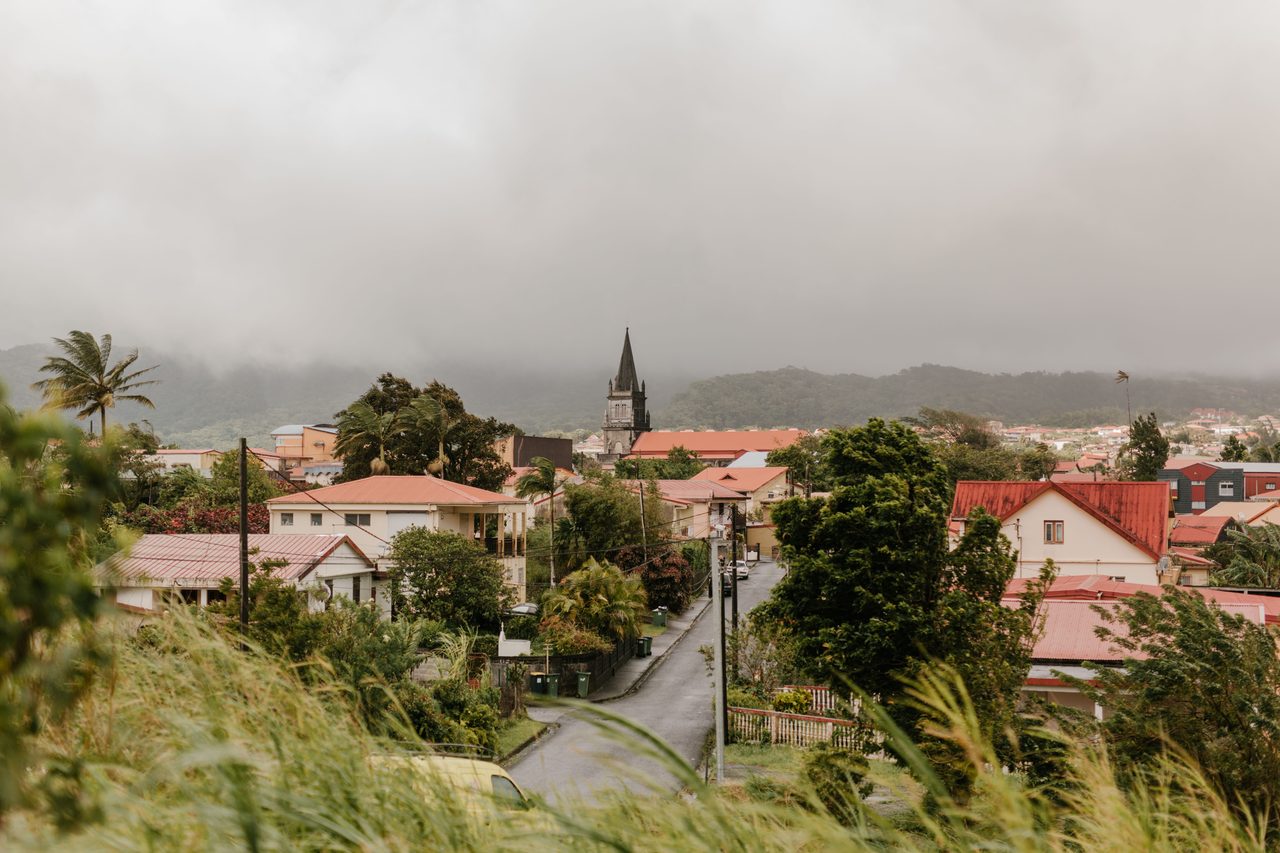
Mount Pelée
Martinique's iconic active stratovolcano, infamous for the catastrophic 1902 eruption that destroyed Saint-Pierre. Hikers can summit the 1,397-metre peak via the Aileron or Morne-Rouge trails with panoramic views over the island.
Caribbean · 8 Places · Best December to April
Martinique is a French Caribbean island and overseas region located in the Lesser Antilles, blending volcanic landscapes, white and black sand beaches, lush rainforest, and a sophisticated Creole culture. As a full part of France and the European Union, it offers the comfort of French infrastructure alongside a distinctly Caribbean soul.
Covering 1,128 km² at the heart of the Lesser Antilles, Martinique combines the wild drama of Mount Pelée — a still-active volcano that destroyed Saint-Pierre in 1902 — with the refined pleasures of French Caribbean life. The capital Fort-de-France anchors the west coast with its colonial Bibliothèque Schoelcher, vibrant covered market, and evening rum punches along the waterfront. Heading south, the Trois-Îlets peninsula and the legendary Les Salines beach draw sun-seekers; heading north, the Route de la Trace cuts through UNESCO-listed rainforest to the Pelée foothills where plantation houses and rum distilleries dot the landscape. Martinique produces some of the world's finest rhum agricole, distilled from fresh cane juice rather than molasses, and the island's Appellation d'Origine Contrôlée protects this centuries-old tradition. The Presqu'île de Caravelle nature reserve offers hiking through dry forest to Atlantic cliffs; the gorges of Saut de la Falaise provide canyon swimming; and the underwater memorial at Anse Cafard bears witness to the island's complex history. For visitors, Martinique delivers year-round warm weather, direct flights from Europe and North America, a healthcare infrastructure equal to mainland France, and culinary standards that make it one of the finest food destinations in the Caribbean.
Jump straight to the experience you're planning.
The 8 destinations our editors recommend — from iconic landmarks to under-the-radar finds.
Martinique's iconic active stratovolcano, infamous for the catastrophic 1902 eruption that destroyed Saint-Pierre. Hikers can summit the 1,397-metre peak via the Aileron or Morne-Rouge trails with panoramic views over the island.
Martinique's most celebrated beach: a 1.5-kilometre arc of white sand lined with sea-grape trees at the island's southern tip. Calm turquoise waters make it ideal for swimming and snorkeling.
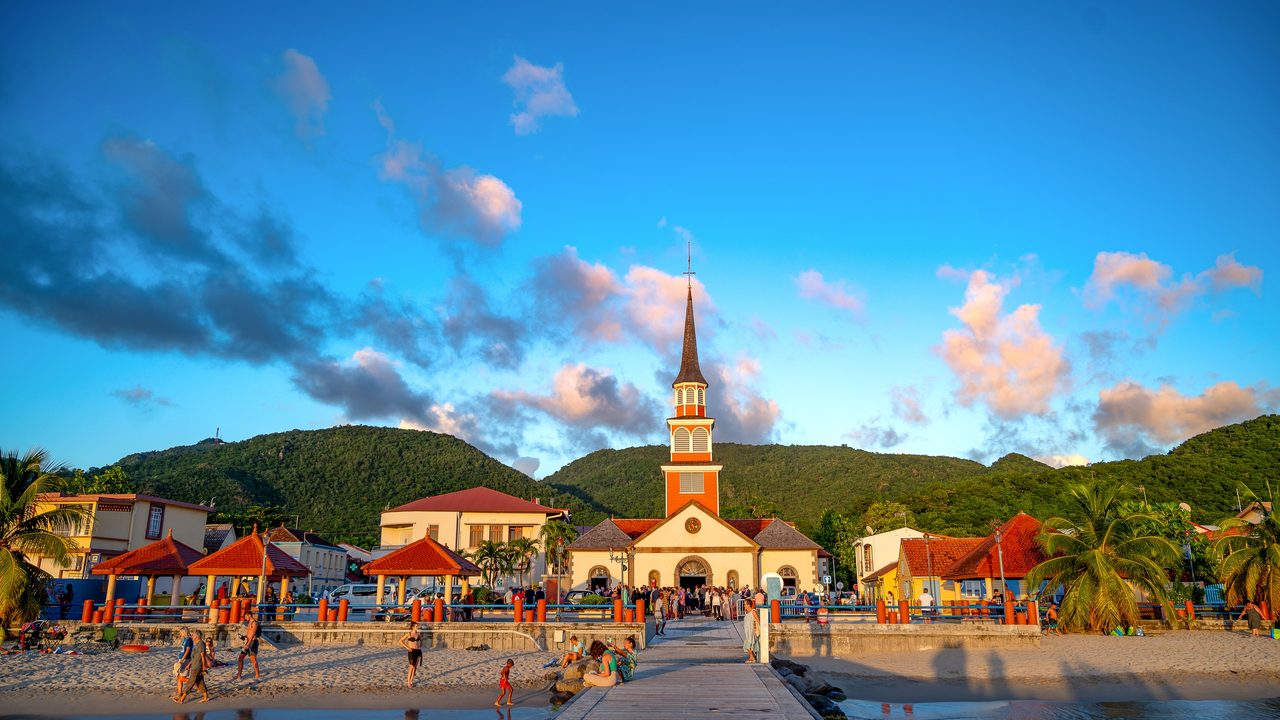
Once known as the 'Paris of the Caribbean', Saint-Pierre was obliterated in minutes on 8 May 1902 when Mount Pelée erupted. The preserved ruins — theatre, jail, distillery — and the Musée Volcanologique make this Martinique's most extraordinary historical site.
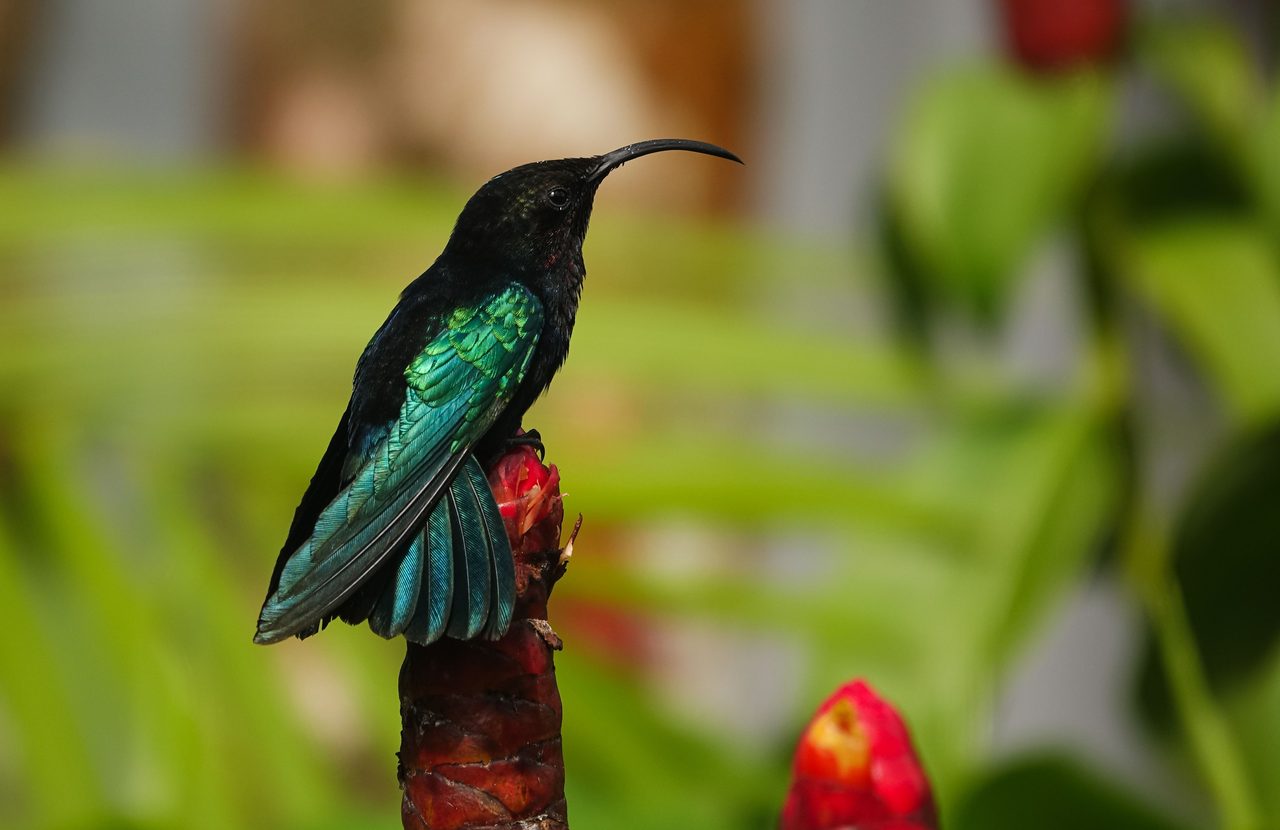
A spectacular botanical garden 8 km north of Fort-de-France showcasing 3,000 tropical plant species among elevated canopy walkways and lily ponds. One of the Caribbean's finest gardens.
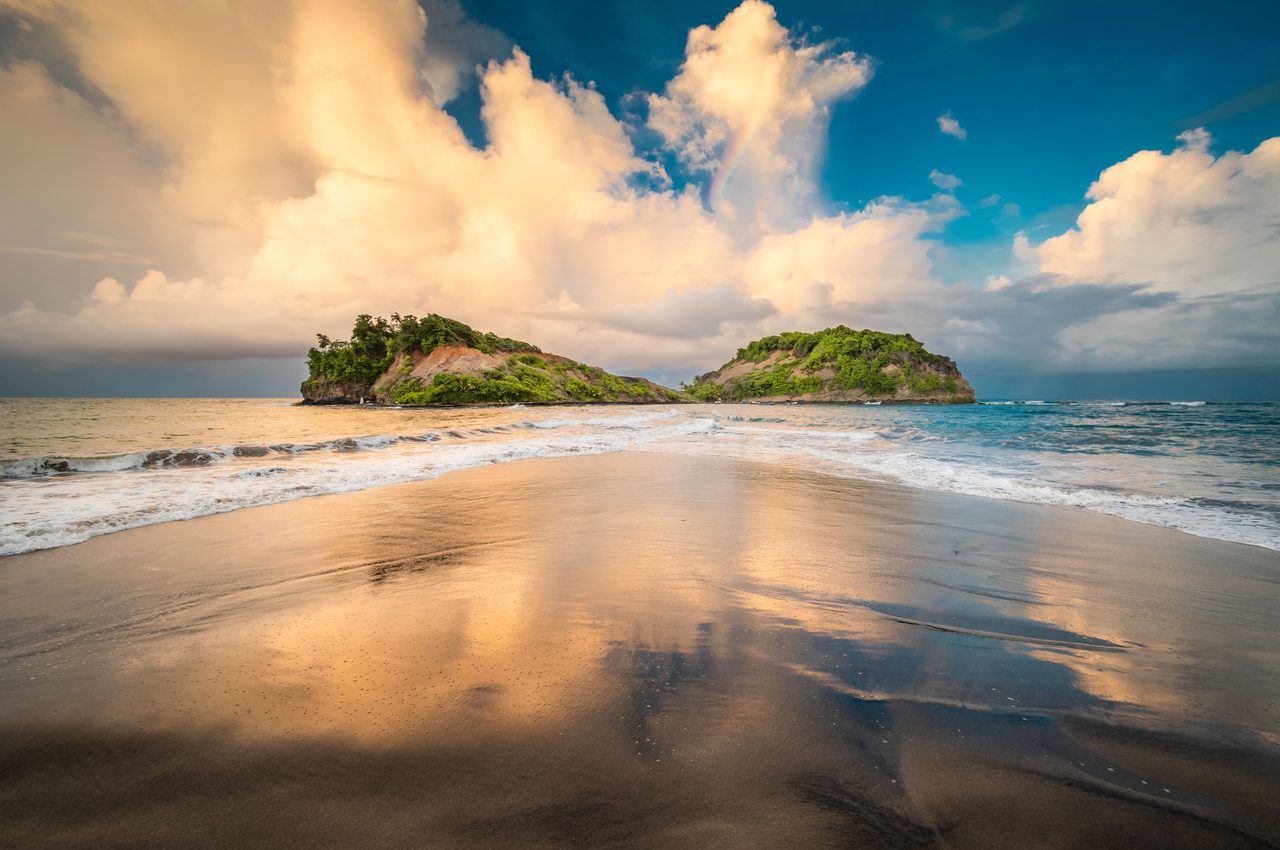
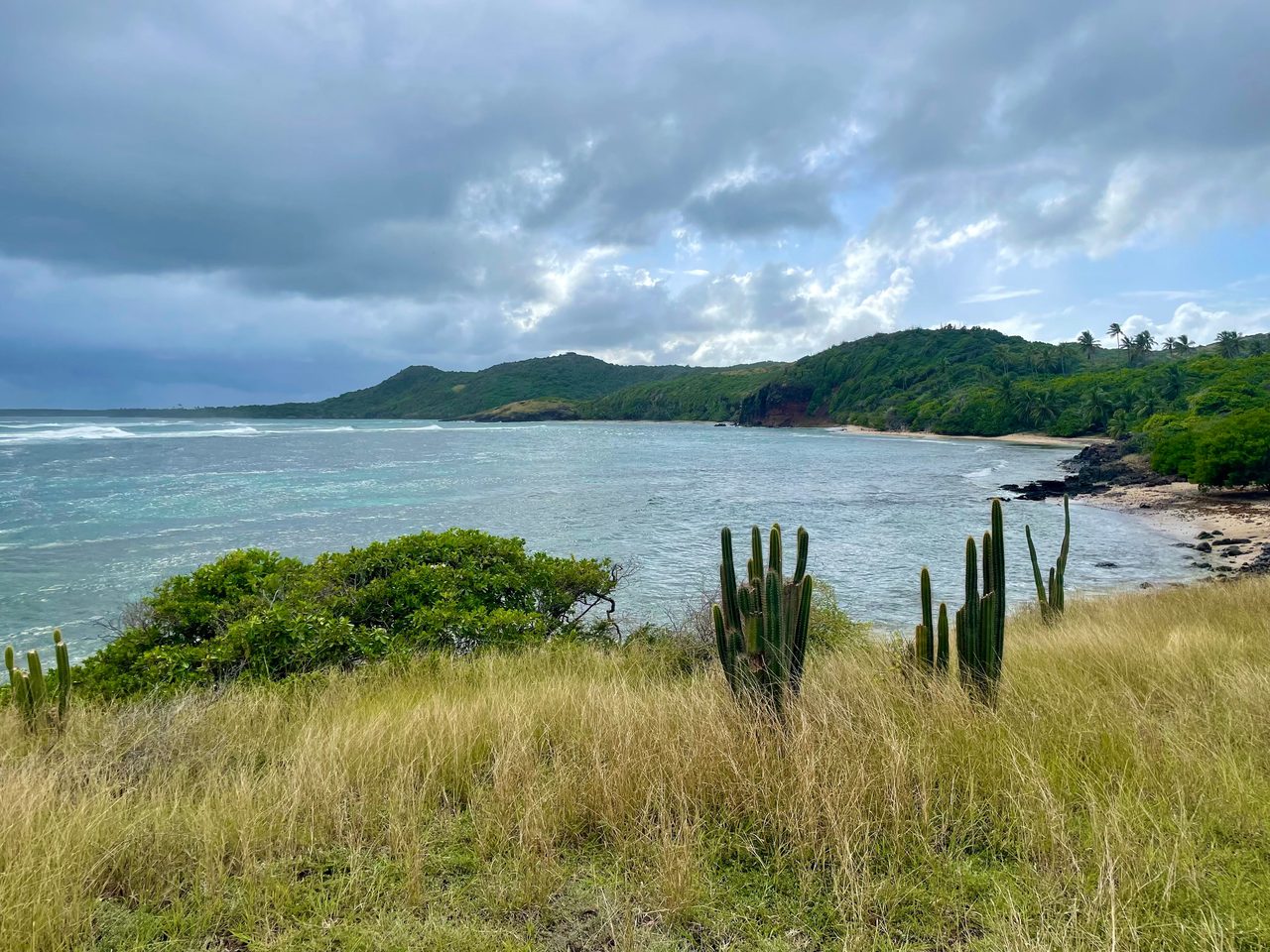
A protected peninsula nature reserve on the Atlantic coast featuring dramatic coastal hiking trails, ruined 17th-century Château Dubuc plantation, and secluded beaches backed by dry forest.
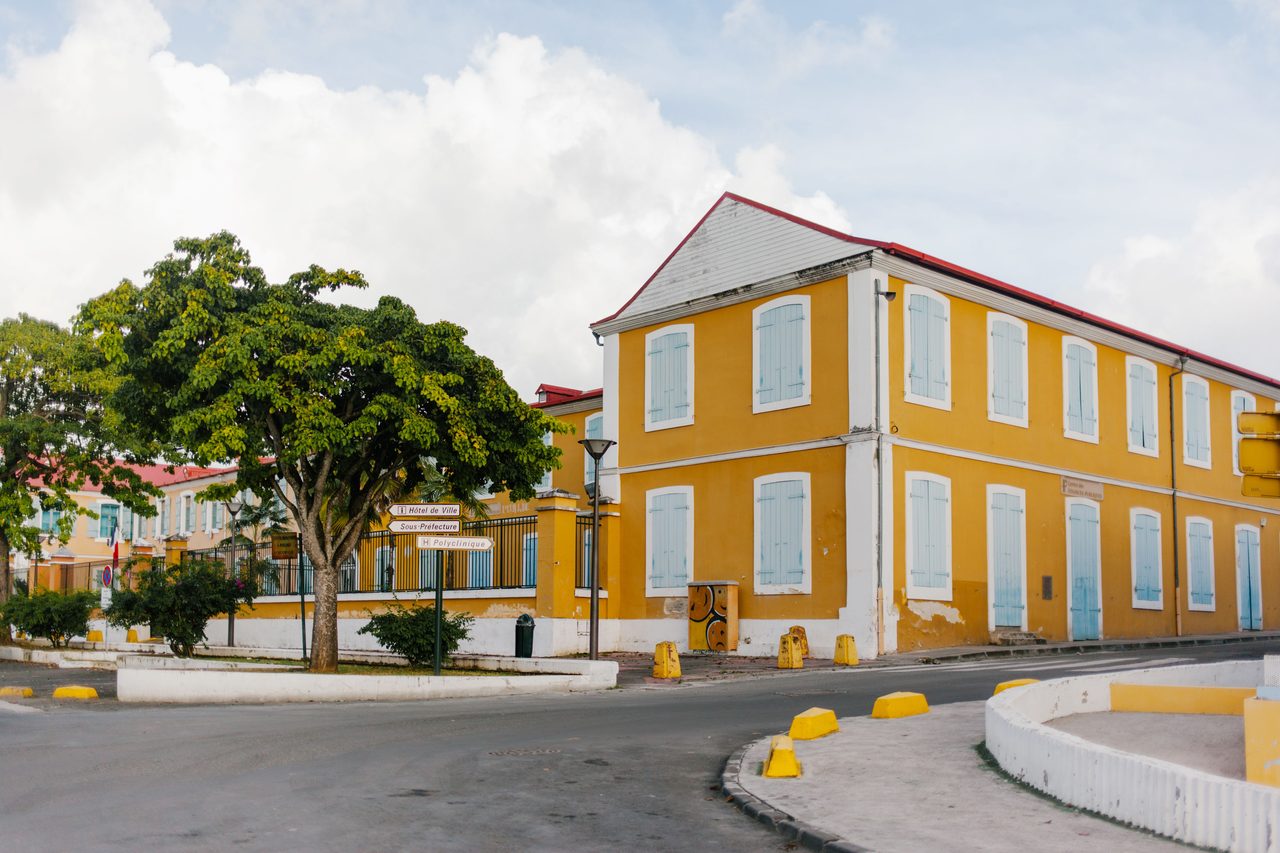
Martinique's most visited rum estate: a beautifully restored 18th-century Creole plantation house set in 16 hectares of gardens, with an art gallery, museum on rum production, and guided distillery tastings.
Pick a length, follow the route. Each itinerary balances headline sights with breathing room.
Three tiers, every traveller covered — from cost-conscious to flagship hotels.
Hostels, budget hotels, and guesthouses offer affordable stays without sacrificing experience.
Boutique hotels and well-located accommodations provide comfort and convenience at reasonable prices.
World-class resorts and premium hotels deliver unforgettable experiences.
Cafés, neighbourhood gems, and tasting menus worth the table reservation.
This is a beachfront spot right on Anse Turin, the black-sand cove near Le Carbet where Gauguin once painted, and the setting is built around that beach rather than a dining room — tables sit close to the sand with the sea as the backdrop. The kitchen works a Creole-French repertoire centered on grilled seafood and rum, plated with more polish than a typical beach shack.
Set in Fort-de-France on Rue Victor Hugo, this is a Creole dining room built around the classic repertoire of the island rather than a reinvented one — féroce, accras, and slow-cooked daube are treated as the point of the menu, not starters before something else. The cooking leans on the vinegar-and-chili sharpness typical of Martiniquan féroce and the long-braised richness of a pork daube.
Positioned in Sainte-Anne, at the southern tip of the island near the town's beaches, this restaurant is built around what comes off local boats — spiny Caribbean langouste and octopus rather than imported fish. The cooking stays close to Creole technique, with the octopus curry (cari de chatrou) reflecting the slow-simmered, spice-forward style typical of the island's south.
Located inland at Morne-des-Esses, a hill village in the northeast known for its Carib-descended basket-weaving tradition, this restaurant serves rural Martiniquan Creole cooking rather than the seafood-heavy menus common on the coast. Goat colombo and chatrou fricassée reflect that inland, farm-and-hunt style of cooking more than the grilled-fish standard found in beach towns.
Book a food tour in Martinique We may earn a commission from bookings made through this link.
Martinique is best explored by rental car. The island has no railway. Taxis-collectifs (shared minivans, known locally as TCs) cover the main routes from Fort-de-France bus terminal (Pointe Simon) but are infrequent and do not reach most beaches. A ferry service connects Fort-de-France to Trois-Îlets, Le Marin, and Sainte-Anne from the Quai d'Embarquement waterfront. Martinique Aimé Césaire International Airport (IATA: FDF) is located in Lamentin, 12 km east of Fort-de-France.
Daily spend by tier in EUR (€), broken out by category.
| Category | Budget | Mid-range | Luxury |
|---|---|---|---|
| Accommodation | €45–70 (~$49–76) | €90–160 (~$97–173) | €250–600 (~$270–648) |
| Food (per day) | €15–25 (~$16–27) | €30–50 (~$32–54) | €60–120 (~$65–130) |
| Transportation | €5–15 (~$5–16) | €20–40 (~$22–43) | €40–80 (~$43–86) |
| Activities | €0–10 (~$0–11) | €20–40 (~$22–43) | €50–150 (~$54–162) |
| Daily total | €60–80 (~$65–86) | €130–220 (~$140–238) | €350–800+ (~$378–864+) |
Best time Shoulder Worth avoiding
Average daytime temperature in °C. Figures are for France.
The dry season (carême) runs January–April with sunshine, low humidity, and temperatures around 27–29°C. May–November is the wet season (hivernage) with heavier rainfall and hurricane risk peaking August–October. Carnival (Vaval) in February/March is exceptional but hotels fill months ahead.
Leave passports and large amounts of cash in the hotel safe; carry only what is needed on the beach
Lock rental cars and never leave bags visible inside — break-ins at popular beach car parks occur
Avoid isolated beach areas at night and stick to well-lit restaurant and bar areas
During hurricane season (June–November), monitor weather at météo.mq or the Météo-France mobile app
Swimming at Atlantic-facing beaches (Anse Trabaud, Grand Rivière) can be hazardous due to strong currents — observe flags
For medical emergencies, dial 15 (SAMU); for police, dial 17; for fire, dial 18. CHU de Martinique (+596 596 55 20 00) is the main hospital in Fort-de-France
Strong sea urchins inhabit rocky areas — wear water shoes when walking on reef areas
Martinique is one of the safer destinations in the Caribbean for tourists. As a French overseas department, it operates under French law with EU-standard emergency services and healthcare. The main risks are petty theft at beaches and car break-ins, isolated neighbourhood risk in parts of Fort-de-Fr
The best time to visit Martinique is December to April. Martinique has a tropical maritime climate with two distinct seasons: the dry season (carême) from January to April with sunshine, low humidity, and average temperatures of 27–29°C; and the wet season
As a French overseas department, Martinique is part of the European Union. US citizens may enter visa-free for up to 90 days. An ESTA or US passport alone does NOT grant entry under US terms — travelers enter under French/EU rules. EU citizens may enter with a national identity card. Passport must be valid for the full duration of the stay. No specific vaccinations are required for entry. Requirements vary by nationality, so check with your nearest embassy or the official immigration website before traveling.
The currency in Martinique is the Euro (EUR, €) (EUR). ATMs are widely available in cities and tourist areas. Credit cards are accepted at most hotels and restaurants, but carry cash for markets and smaller establishments.
The main language(s) spoken in Martinique: French (official), Antillean Creole (Martiniquan Creole). In tourist areas, English is generally understood. Learning a few basic phrases in the local language is appreciated by locals.
The top attractions in Martinique include Mount Pelée, Les Salines Beach, Saint-Pierre Ruins, Jardin de Balata, and Presqu'île de la Caravelle. Each offers a unique experience, from historic landmarks to natural wonders.