World · 21 Places · Best May–June and September–October
Western Macedonia
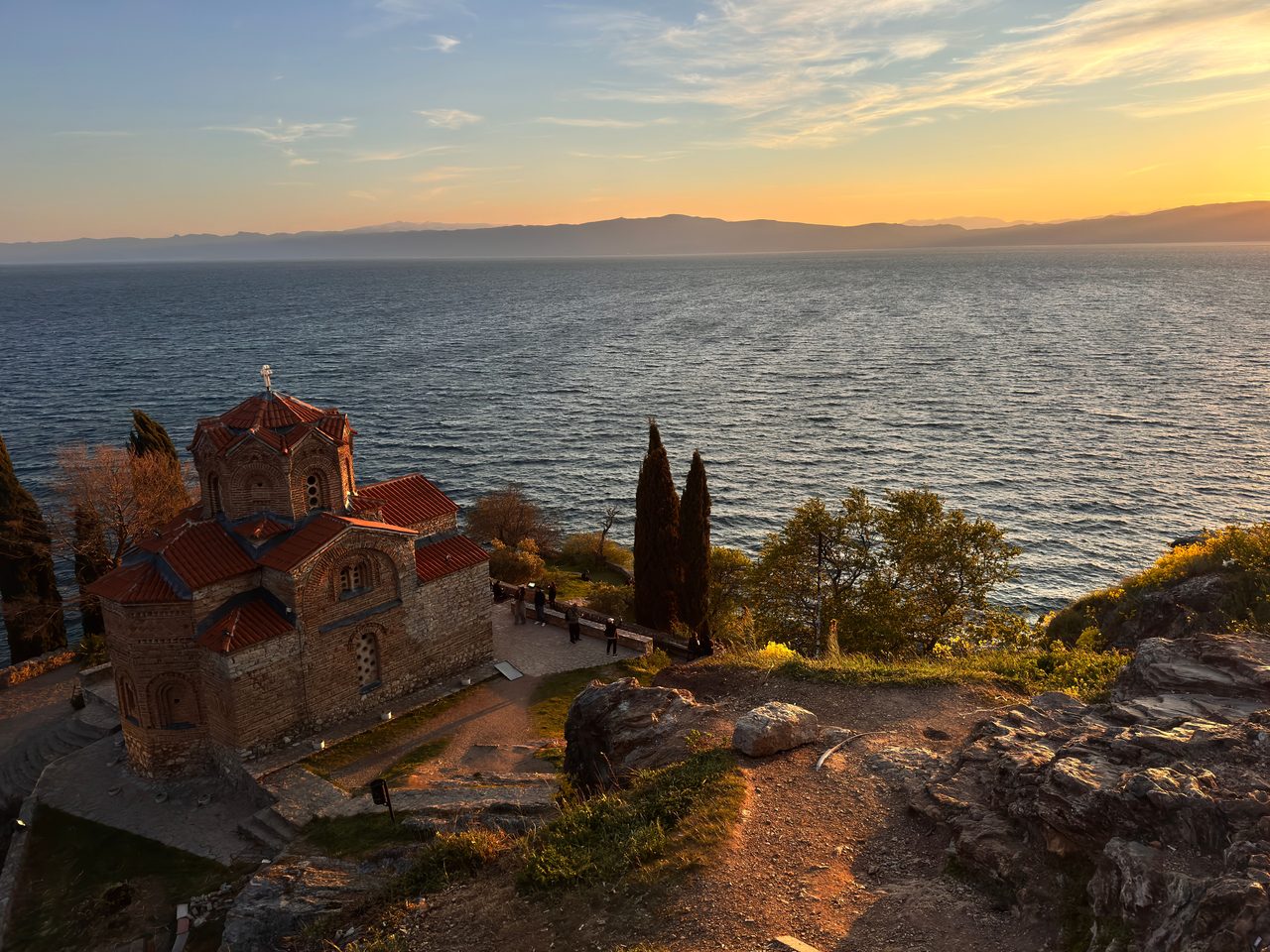
Western Macedonia is a mountainous region of northern Greece bordering North Macedonia and Albania, defined by alpine lakes, Byzantine monasteries, Venetian-era architecture, and unspoiled wilderness. Kozani serves as the regional capital while Kastoria, draped around a lake peninsula, is its most picturesque city. The Prespa Lakes biosphere reserve, ski slopes at Vigla-Pisoderi, and fur-trading heritage make this one of Greece's most distinctive and least-crowded destinations.
Western Macedonia occupies the northwestern corner of mainland Greece, sharing borders with North Macedonia to the north and Albania to the west. The region comprises four prefectures: Kozani, Kastoria, Florina, and Grevena. Dominated by the Pindus and Voras mountain ranges, the landscape alternates between glacial lakes, dense forests, and traditional stone villages. Kastoria, built on a peninsula jutting into its eponymous lake, is celebrated for its Byzantine churches, neoclassical mansions, and centuries-old fur trade. Florina is the gateway to Prespa Lakes National Park, a Ramsar wetland shared with Albania and North Macedonia that shelters Dalmatian pelicans and pygmy cormorants. In winter, Vigla-Pisoderi ski resort above Florina draws Greek skiers, while Siatista's Ottoman-era mansions and Grevena's mushroom markets reveal a landscape steeped in Balkan history and slow living.
The 21 destinations our editors recommend — from iconic landmarks to under-the-radar finds.
Kastoria Byzantine Museum
This museum near Plateia Dexamenis gathers icons and religious artifacts rescued from Kastoria's dozens of Byzantine and post-Byzantine churches, many of them built by the fur-trading families who once financed the city. The collection traces painting styles across several centuries rather than focusing on a single period. It gives context for the painted church interiors you'll see elsewhere in town.
Prespa Lakes National Park
Two adjoining lakes, Megali and Mikri Prespa, sit at over 850 meters where Greece meets Albania and North Macedonia, forming one of the Balkans' oldest lake systems. The wetlands support one of Europe's largest colonies of Dalmatian pelicans along with herons and cormorants. Villages like Agios Germanos serve as bases for boat trips out onto Mikri Prespa to see the rock-cut hermitages along its shoreline.
Kastoria Archontika (Neoclassical Mansions)
Along the Orestias lake waterfront stand the stone mansions built by Kastoria's fur-trading merchants from the 17th to 19th centuries, their wealth coming from the city's long-standing fur-processing trade. Several have carved wooden ceilings and painted interior walls, though most are viewed from outside since many remain private or only occasionally open. The waterfront setting is what makes the walk worthwhile rather than any single building.
Agios Achilleios Island Basilica
The ruined 10th-century basilica on this small island in Mikri Prespa lake marks the site Bulgarian Tsar Samuel chose as his capital and burial place after his empire lost Ohrid. What remains are the columned foundations and partial walls of what was once a large three-aisled church, set among scattered later chapels on the island. It's a quiet ruin best appreciated for the history rather than any restored grandeur.
Siatista Archontika (Mansion District)
Siatista's Ano Siatista district preserves the mansions of merchant families who grew wealthy trading wine and later tobacco with central Europe during the Ottoman period. The Poulkidis Mansion is the one regularly open to visitors, with painted ceilings and built-in wooden furniture typical of the style. The rest of the district is walked rather than entered, its stone and timber facades climbing the hillside streets.
Arctouros Bear Sanctuary, Nymfaio
Run by the Arcturos environmental organization, this sanctuary near the mountain village of Nymfaio rehabilitates brown bears rescued from captivity, including former dancing bears and animals seized from illegal keeping. The bears live in large forested enclosures rather than cages, and a resident wolf population is also housed on site. Viewing is from marked paths that keep visitors at a distance from the animals.
Recommended itineraries
Pick a length, follow the route. Each itinerary balances headline sights with breathing room.
5-Day Western Macedonia Explorer
Day 1Arrive in Western Macedonia, explore city center
Day 2Visit top attractions and museums
Day 3Day trip to nearby highlights
Day 4Local markets and hidden gems
Day 5Final sightseeing, departure
7-Day Classic Western Macedonia
Days 1-2Western Macedonia city highlights
Days 3-4Regional exploration
Days 5-6Cultural immersion and local experiences
Day 7Return and departure
14-Day Ultimate Western Macedonia
Days 1-3Western Macedonia comprehensive city tour
Days 4-6Northern region exploration
Days 7-9Eastern highlights
Days 10-12Southern attractions
Days 13-14Return to Western Macedonia, departure
Where to stay in Western Macedonia
Three tiers, every traveller covered — from cost-conscious to flagship hotels.
Budget 50–90 EUR/day (~$55–$99 USD)
Hostels, budget hotels, and guesthouses offer affordable stays without sacrificing experience.
Mid-range 125–215 EUR/day (~$138–$237 USD)
Boutique hotels and well-located accommodations provide comfort and convenience at reasonable prices.
Luxury 280–550 EUR/day (~$308–$605 USD)
World-class resorts and premium hotels deliver unforgettable experiences.
Western Macedonia is best explored by rental car. Kozani Airport (KZI) connects to Athens daily. KTEL buses link Kozani, Kastoria, and Florina. Driving between cities takes 45–90 minutes.
Budget breakdown
Daily spend by tier in EUR, broken out by category.
Category
Budget
Mid-range
Luxury
Accommodation
25–40 EUR/night (~$27–$44 USD)
60–100 EUR/night (~$66–$110 USD)
120–250 EUR/night (~$132–$275 USD)
Food (per day)
15–25 EUR/day (~$16–$27 USD)
30–50 EUR/day (~$33–$55 USD)
60–100 EUR/day (~$66–$110 USD)
Transportation
5–10 EUR/day (~$5–$11 USD)
15–25 EUR/day (~$16–$27 USD)
50–100 EUR/day (~$55–$110 USD)
Activities
5–15 EUR/day (~$5–$16 USD)
20–40 EUR/day (~$22–$44 USD)
50–100 EUR/day (~$55–$110 USD)
Daily total
50–90 EUR/day (~$55–$99 USD)
125–215 EUR/day (~$138–$237 USD)
280–550 EUR/day (~$308–$605 USD)
Best time to visit Western Macedonia
Weather through the year in Greece
Best timeShoulderWorth avoiding
Average daytime temperature in °C. Figures are for Greece.
Spring and autumn offer mild temperatures, wildflowers, and birdwatching at Prespa. Summer is warm and uncrowded compared to coastal Greece. Winter is ideal for skiing but roads require snow chains.
Essential travel tips
Rent a car to access Prespa Lakes, Nymfaio, and mountain villages — public transport is infrequent.
Carry cash; many rural restaurants and guesthouses do not accept cards.
Snow chains are legally required on mountain roads from November to April.
Greek coffee shops (kafeneio) close for afternoon rest 2 pm–5 pm in villages.
Kastoria's Byzantine churches are often locked — ask at the Byzantine Museum (tel. +30 24670 26781) for keys.
Hidden gems
Off-the-beaten-path corners most travellers miss.
Safety information
INFO
Dial 112 for all emergencies (EU-wide number).
INFO
Mountain roads near Florina and Grevena can ice over October–April; check OASP road conditions at oasp.gr.
INFO
Wild camping is discouraged in Prespa National Park; use designated campsites.
Frequently asked questions
Is Western Macedonia safe to visit in 2026?
Western Macedonia is a safe region with very low violent crime rates. Petty theft is uncommon. The main risks are environmental: icy mountain roads in winter, flash floods in spring, and forest fires in summer. Medical facilities are concentrated in Kozani and Kastoria; remote areas have limited eme
What is the best time to visit Western Macedonia?
The best time to visit Western Macedonia is May–June and September–October. Western Macedonia experiences a continental mountain climate (Köppen Cfb/Dfb at altitude). Winters are cold and snowy (December–February): Kozani averages 2–5°C (36–41°F), while mountain areas above 1
What currency is used in Western Macedonia?
The currency in Western Macedonia is the Euro (EUR). ATMs are widely available in cities and tourist areas. Credit cards are accepted at most hotels and restaurants, but carry cash for markets and smaller establishments.
What language is spoken in Western Macedonia?
The main language(s) spoken in Western Macedonia: Greek. In tourist areas, English is generally understood. Learning a few basic phrases in the local language is appreciated by locals.
What are the top attractions in Western Macedonia?
The top attractions in Western Macedonia include Kastoria Byzantine Museum, Prespa Lakes National Park, Kastoria Archontika (Neoclassical Mansions), Agios Achilleios Island Basilica, and Siatista Archontika (Mansion District). Each offers a unique experience, from historic landmarks to natural wonders.