Basilicata · 21 Places · Best April–June and September–October
Basilicata
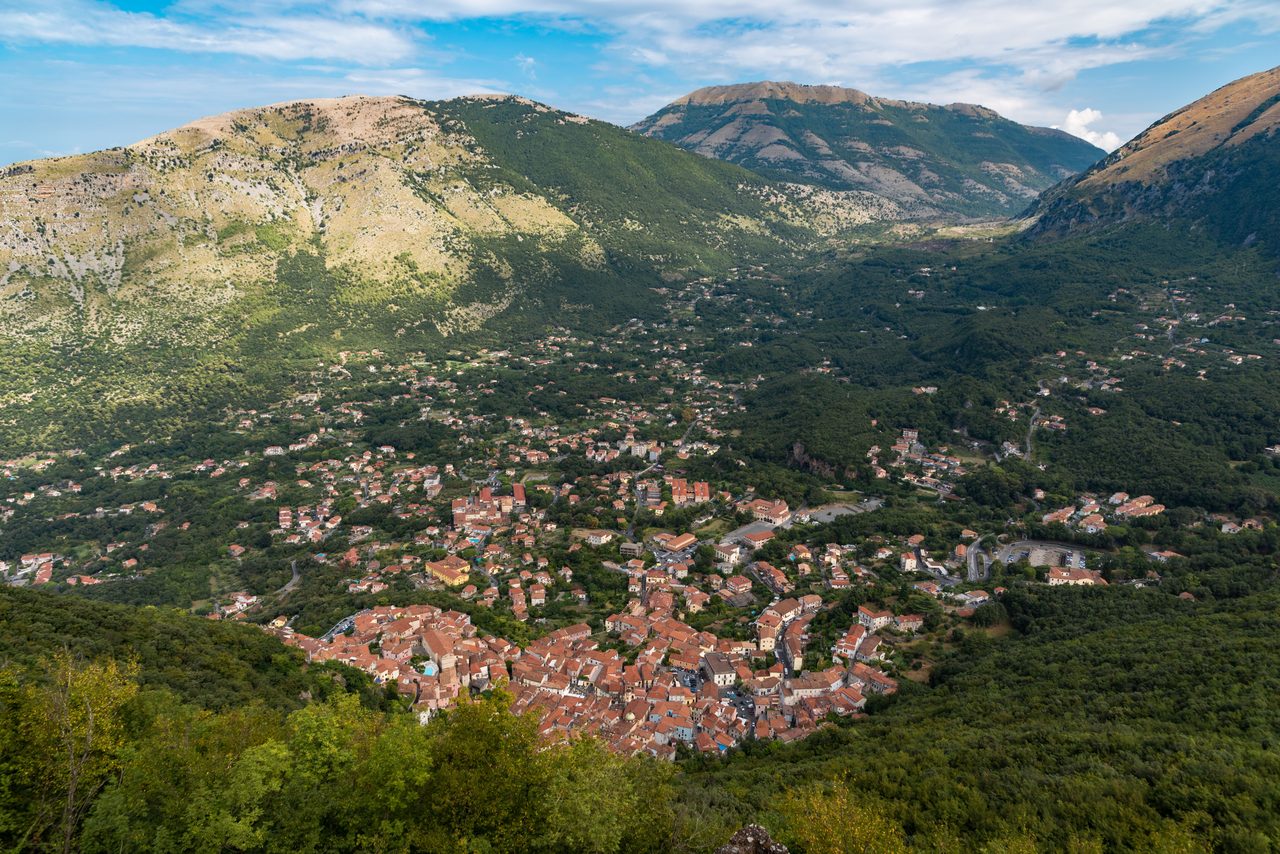
Basilicata is one of Italy's most untouched and dramatic regions, hidden in the instep of the Italian boot. Best known for Matera — a UNESCO World Heritage city carved into ancient ravines — the region also harbors Pollino National Park, the Tyrrhenian resort town of Maratea, ruined Norman castles, and vast stretches of wilderness that have barely changed since antiquity. Carlo Levi immortalized the land in 'Christ Stopped at Eboli', and today the raw beauty that once symbolized isolation has become its greatest draw.
Basilicata — also called Lucania — occupies the rugged heart of the Mezzogiorno. Landlocked except for short coastlines on both the Tyrrhenian and Ionian Seas, the region rises through dramatic river gorges, forested mountain ranges, and wheat-covered plateaux. Matera's cave-city (Sassi) served as the backdrop for Mel Gibson's 'The Passion of the Christ' and was European Capital of Culture 2019. Beyond Matera, travellers find Pollino National Park — Italy's largest — Norman castles at Melfi and Lagopesole, the Roman colony of Venosa, and the fairy-tale abandoned village of Craco. Tourism is still light enough that authentic encounters and uncrowded sites are easy to find.
Capital
Potenza
Largest city
Potenza
Population
553,000
Languages
Italian, Lucano dialect, Arbëreshë Albanian (in some villages)
The 21 destinations our editors recommend — from iconic landmarks to under-the-radar finds.
Sassi di Matera
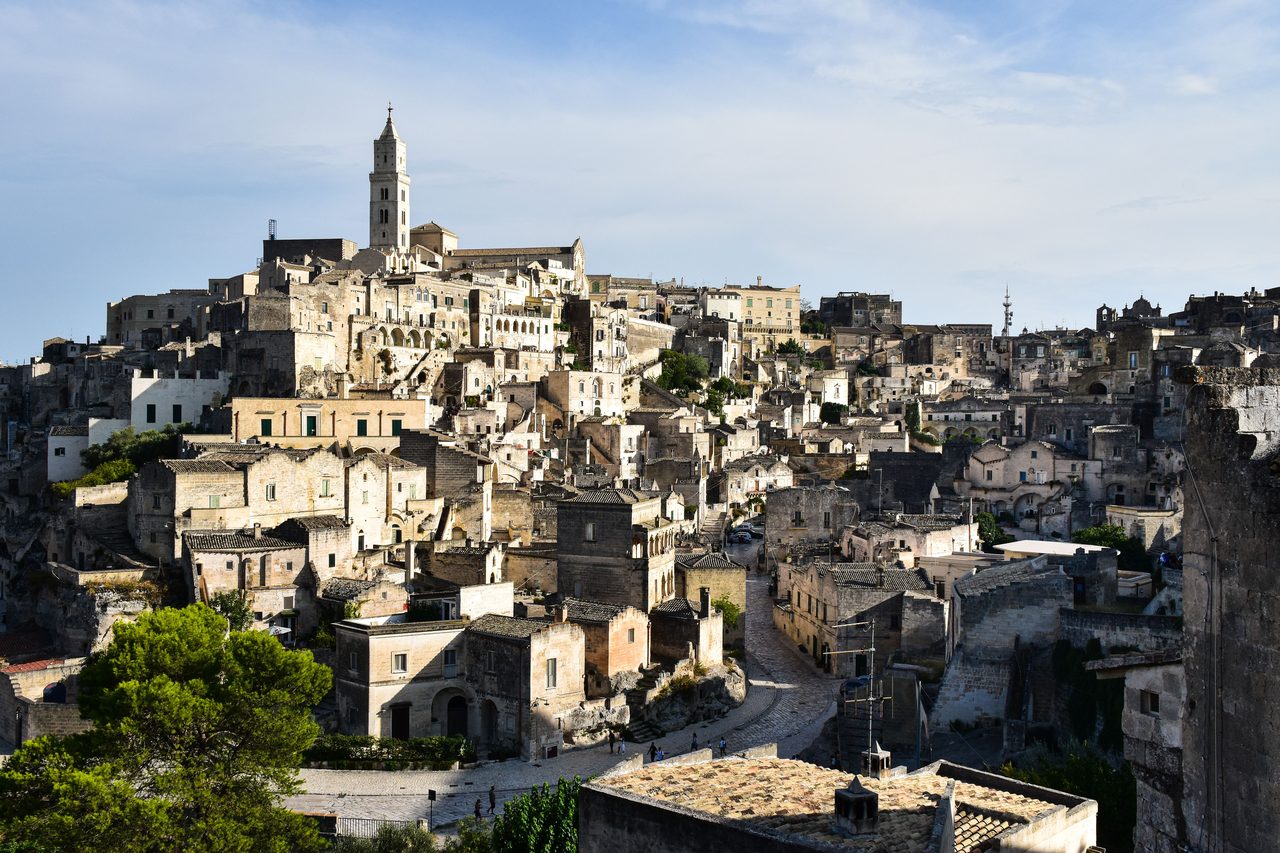
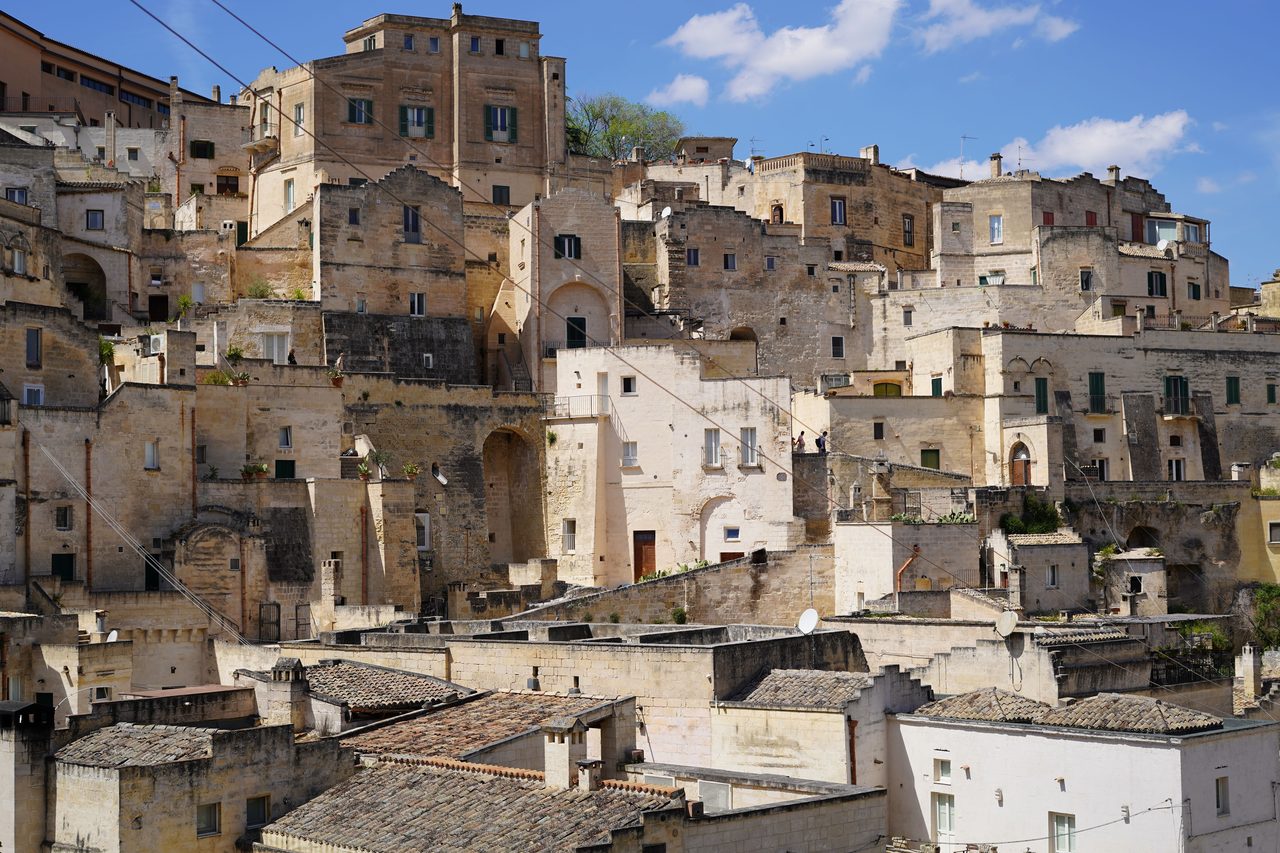
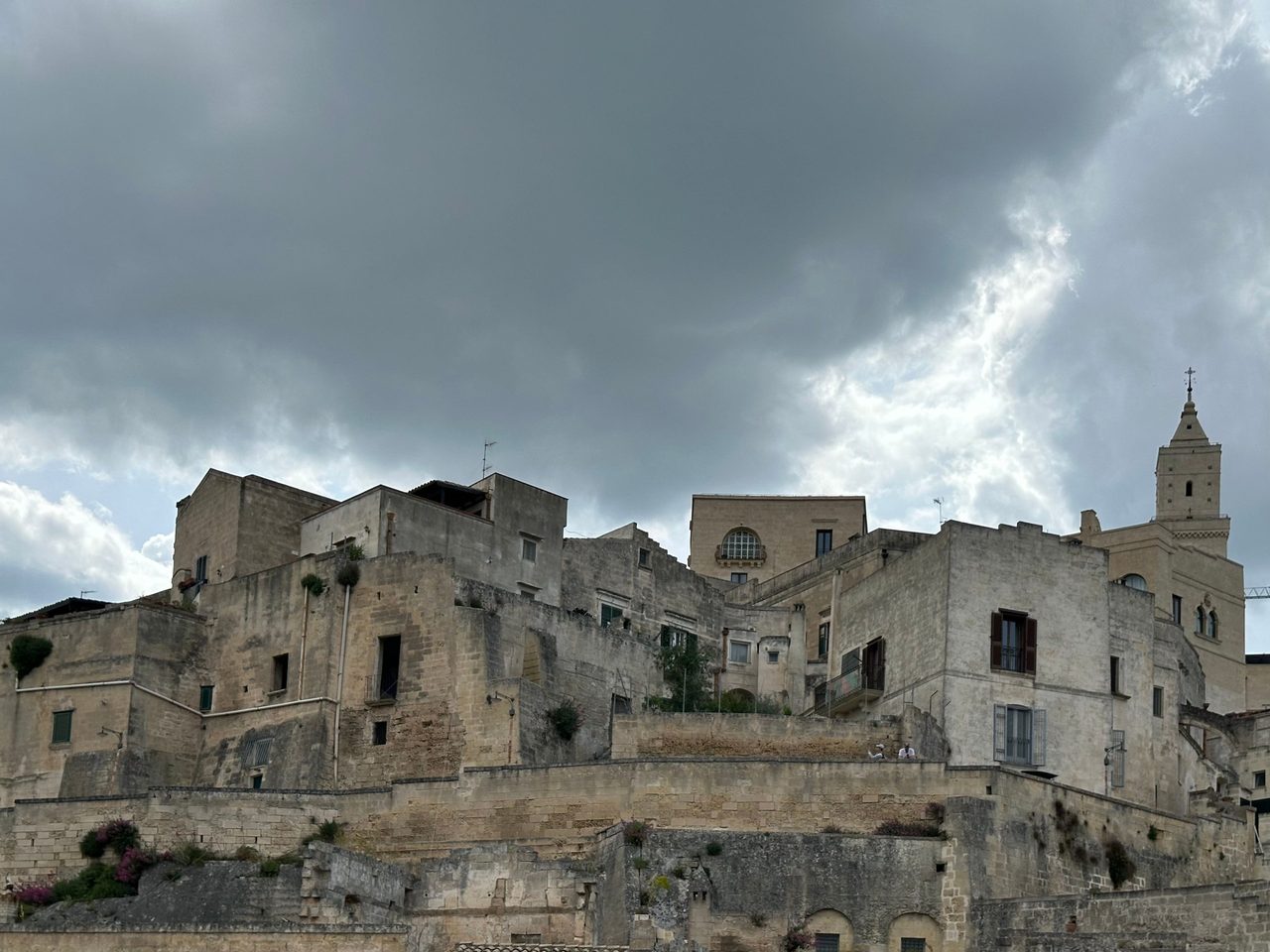
The Sassi are two adjoining districts of cave dwellings carved into a ravine, Sasso Barisano and Sasso Caveoso, inhabited from the Paleolithic era until residents were forcibly relocated in the 1950s due to poverty and disease. Houses, stables, and over 150 rock-cut churches are stacked on top of each other along the cliff face, some with faded Byzantine frescoes still visible. Walking the stepped alleys between the two Sassi and across to the Murgia plateau opposite gives the clearest sense of how the settlement reads as a single carved organism rather than separate buildings.
Matera Cathedral (Cattedrale di Matera)
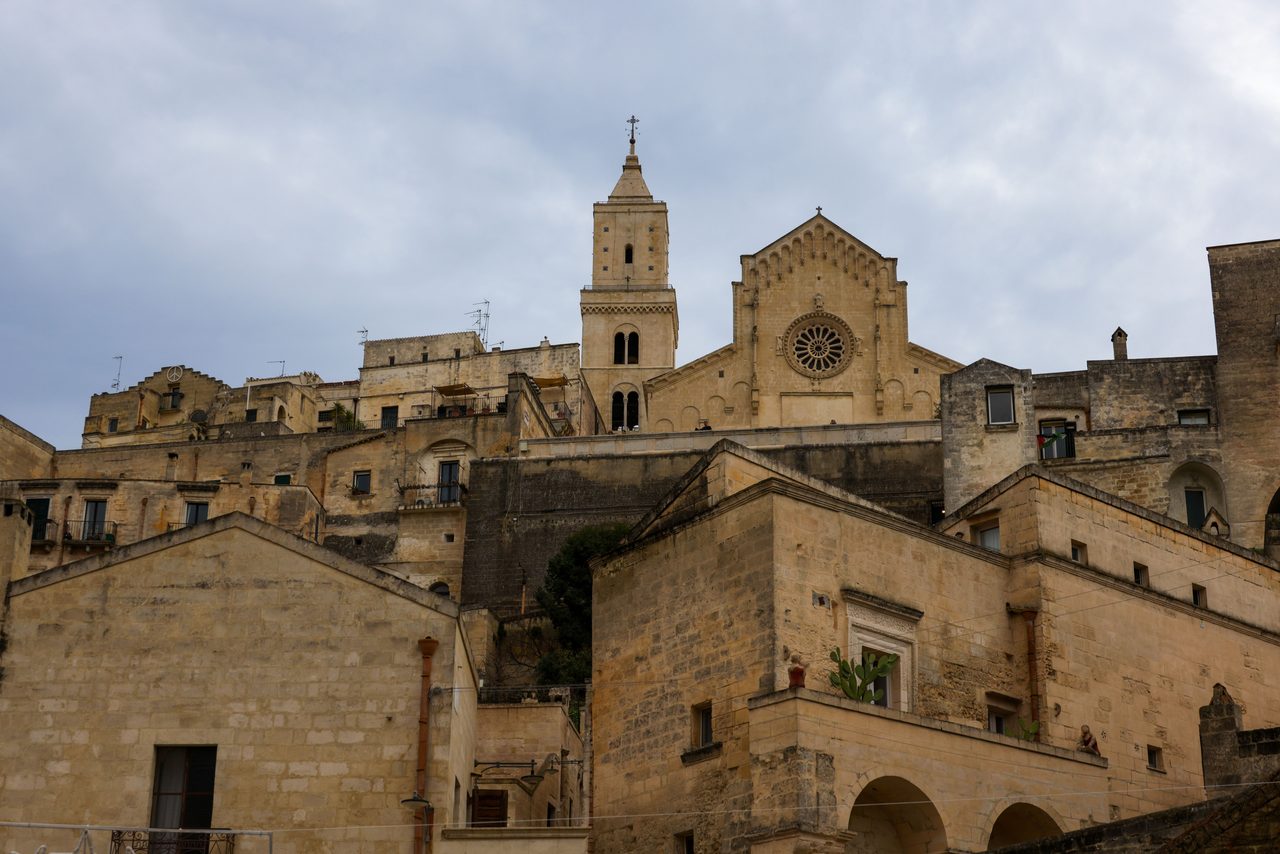
Built in the 13th century in Apulian Romanesque style, the cathedral sits on the highest point of the city, directly above Sasso Barisano, and its bell tower is visible from most vantage points in the Sassi. It's dedicated to the Madonna della Bruna, patron of Matera, whose feast in early July involves a procession and the ritual destruction of a papier-mâché float. Inside, look for the restored medieval frescoes uncovered during a lengthy 20th-century renovation, since much of the Baroque overlay was stripped back to reveal the earlier stonework.
Pollino National Park
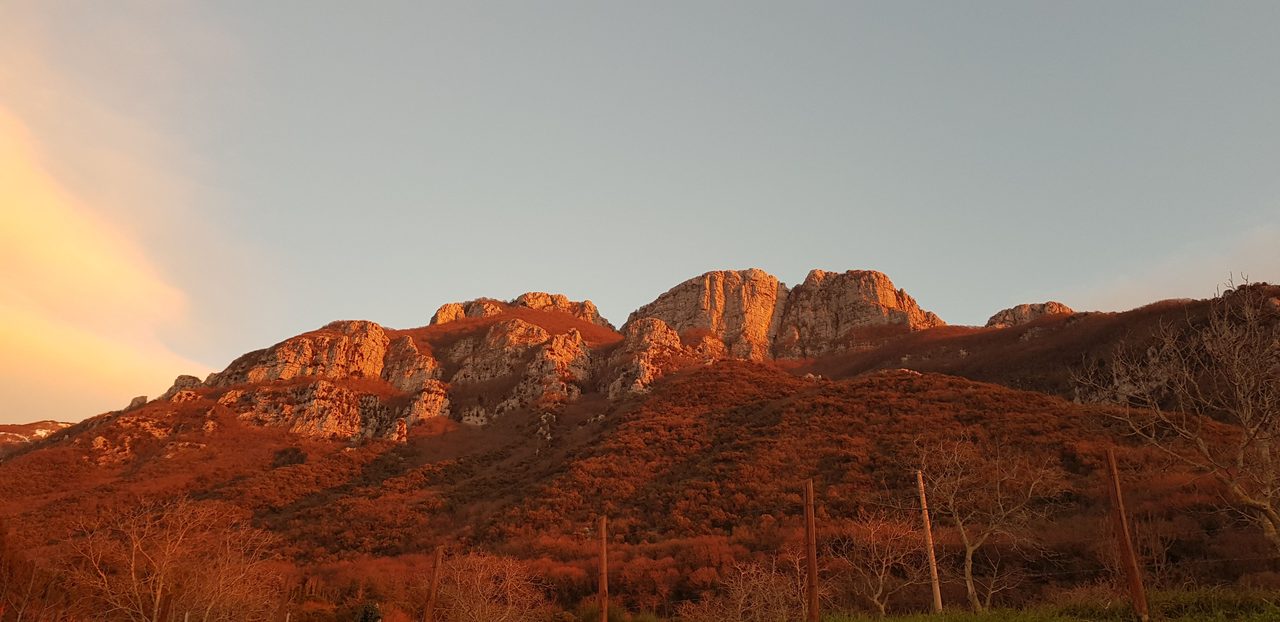
Pollino is Italy's largest national park, straddling the Basilicata-Calabria border across the Pollino and Orsomarso mountain ranges. It's the last stronghold of the Bosnian pine (locally the pino loricato), some specimens over 1,000 years old, growing on exposed rock faces at altitude. The terrain ranges from the Gole del Raganello gorge, a deep limestone canyon worked by hiking and canyoning outfitters, to rafting stretches on the Lao river on the Calabrian side.
Maratea
Maratea is Basilicata's only outlet to the Tyrrhenian Sea, a short stretch of rocky coastline with small coves tucked beneath a historic hill town. The old centre, Maratea Borgo, sits inland and uphill from the coast, a cluster of stone lanes and small churches largely disconnected from the beach clubs below. Above it all stands the Cristo Redentore statue on Monte San Biagio, taller than Rio's equivalent, built in the 1960s and visible from boats approaching the coast.
Melfi Castle (Castello di Melfi)
Built by the Normans in the 11th century and later expanded under the Hohenstaufen and Angevin dynasties, Melfi Castle is where Emperor Frederick II issued the Constitutions of Melfi in 1231, an early codified body of law for the Kingdom of Sicily. The castle now houses the National Archaeological Museum of Melfi, whose most notable piece is the Rapolla sarcophagus, a large Roman marble sarcophagus carved with mythological scenes and found nearby. The building's irregular outline, with towers added over different centuries, reflects its long working life as a seat of power rather than a single planned structure.
Craco (Ghost Village)
Craco was evacuated after landslides destabilized the hillside through the 1960s and 70s, leaving a medieval village frozen mid-abandonment, its church tower and stone houses still standing but structurally unsafe to enter without supervision. The site has been used as a filming location, including scenes for The Passion of the Christ and the James Bond film Quantum of Solace, thanks to its stark, unrestored appearance. Access is restricted to guided groups that follow a fixed route along the safer edges of the site, since the ground itself remains unstable.
Recommended itineraries
Pick a length, follow the route. Each itinerary balances headline sights with breathing room.
5-Day Basilicata Explorer
Day 1Arrive in Basilicata, explore city center
Day 2Visit top attractions and museums
Day 3Day trip to nearby highlights
Day 4Local markets and hidden gems
Day 5Final sightseeing, departure
7-Day Classic Basilicata
Days 1-2Basilicata city highlights
Days 3-4Regional exploration
Days 5-6Cultural immersion and local experiences
Day 7Return and departure
14-Day Ultimate Basilicata
Days 1-3Basilicata comprehensive city tour
Days 4-6Northern region exploration
Days 7-9Eastern highlights
Days 10-12Southern attractions
Days 13-14Return to Basilicata, departure
Where to stay in Basilicata
Three tiers, every traveller covered — from cost-conscious to flagship hotels.
Budget $55
Hostels, budget hotels, and guesthouses offer affordable stays without sacrificing experience.
Mid-range $130
Boutique hotels and well-located accommodations provide comfort and convenience at reasonable prices.
Luxury $380
World-class resorts and premium hotels deliver unforgettable experiences.
Cafés, neighbourhood gems, and tasting menus worth the table reservation.
Ristorante Vitantonio Lombardo
Creative Lucano / Michelin-starred · €€€€ (tasting menu €90–130/person, ~$97–141)
This is chef Vitantonio Lombardo's own restaurant, built into a cave dwelling in the Sasso Caveoso and holding a Michelin star. The cooking takes Lucanian pantry staples - cruschi peppers, Murgia lamb, local cheeses - and reworks them into tasting menus with fine-dining plating and technique. The dining room keeps the rock walls and vaulted cave ceiling exposed rather than covering them over, so the setting stays tied to the Sassi even as the food gets modern.
Baccanti Ristorante
Modern Lucana · €€€ (€35–55/person, ~$38–60)
Baccanti is also set inside a Sasso cave, but the food sits a step below full fine dining - reworked Lucanian trattoria dishes like turnip-top orecchiette and black pork braise, plated with more care than a typical osteria but without full tasting-menu pretensions. The stone-vaulted room is dimly lit and atmospheric, which is part of why it's a popular dinner booking in the Sassi.
Trattoria Lucana
Cucina Lucana · €€ (€18–30/person, ~$19–32)
A long-running, unpretentious trattoria on Via Lucana serving the kind of home-style Basilicata cooking - hand-shaped pasta, lamb stews, ragù - that predates the Sassi's tourism boom. It's more straightforward dining room than cave-restaurant theater, aimed at people who want a proper plate of regional food without ceremony.
Southern Italian Modern · €€€ (€28–48/person, ~$30–52)
Don Matteo Ristorante
Traditional Lucana · €€€ (€25–45/person, ~$27–49)
Don Matteo is one of the cave restaurants carved into the Sassi rock, serving traditional Lucanian dishes - cured soppressata, pork ragù, honey pastries - in a setting where the tufo stone walls and low arched ceilings do a lot of the atmospheric work. The menu stays closer to classic regional cooking than to the more chef-driven reinterpretations found elsewhere in town.
Basilicata is best explored by rental car. Train connections link Matera (via FAL railway from Bari) and Potenza (Trenitalia). Intercity buses (SITA Sud, Marino Autolinee) cover most towns. Taxis and hire cars cover rural areas.
FAL Train (Matera Centrale)
Matera Centrale to Bari Centrale via Altamura — the main rail link for Matera. Departs roughly every 1–2 hours.
Cost: €5–8 (~$5–9)
Trenitalia (Potenza)
Potenza Centrale connects to Naples (2.5 hrs), Salerno, and Taranto.
Cost: €10–25 (~$11–27)
Rental Car
Essential for reaching Pollino, Maratea, Craco, and rural villages. Available at Bari Airport via Hertz, Avis, Europcar.
Cost: €35–60/day (~$38–65)
SITA Sud Bus
Intercity buses linking Potenza, Matera, Melfi, Maratea, and other towns.
Cost: €3–12 (~$3–13)
Taxi (Matera)
Radio Taxi Matera: +39 0835 332023. Fixed rates within Matera center.
Cost: €8–15 (~$9–16)
Budget breakdown
Daily spend by tier in EUR, broken out by category.
Category
Budget
Mid-range
Luxury
Accommodation
$22
$75
$250
Food (per day)
$18
$35
$90
Transportation
$8
$12
$25
Activities
$7
$8
$15
Daily total
$55
$130
$380
Best time to visit Basilicata
Weather through the year in Italy
Best timeShoulderWorth avoiding
Average daytime temperature in °C. Figures are for Italy.
Spring and autumn offer ideal temperatures, wildflower meadows in Pollino, and far fewer visitors. Matera is stunning year-round but most pleasant between March and November.
Essential travel tips
Rent a car from Bari Airport — it unlocks the entire region
Book Matera cave hotels well in advance, especially for April–October
Try Aglianico del Vulture DOC wine — among southern Italy's finest reds
Many museums close on Mondays; plan accordingly
Pay with cash in rural restaurants and small shops — cards not always accepted
Learn a few words of Italian — English is limited outside Matera
Hidden gems
Off-the-beaten-path corners most travellers miss.
Aliano
Village where Carlo Levi wrote 'Christ Stopped at Eboli'; unchanged for decades with a moving museum dedicated to the author.
Acerenza Cathedral
Romanesque cathedral crowning a clifftop village with sweeping valley views — rarely visited despite its majesty.
Grumentum
Roman amphitheatre and forum ruins in open farmland, virtually crowd-free and dramatic at sunset.
Tricarico
Fortified hill town with a Norman tower, Arab quarter traces, and festivals with Carnival masks.
Lago di Pietra del Pertusillo
Reservoir lake in the Val d'Agri with turquoise water, camping, and complete solitude.
Safety information
INFO
Keep car doors locked when driving through remote areas at night
INFO
Carry water and sun protection in summer — temperatures in inland areas exceed 35°C (95°F)
INFO
Inform someone of hiking plans in Pollino — mobile signal can be absent on high trails
Matera's Sassi paths can be slippery after rain — wear shoes with grip
Frequently asked questions
Is Basilicata safe to visit in 2026?
Basilicata is among the safest regions in Europe for travellers. Petty theft in tourist zones (common in Naples or Rome) is virtually absent. The local population is welcoming and helpful. Hiking and driving risks are the primary concerns, not personal safety.
What is the best time to visit Basilicata?
The best time to visit Basilicata is April–June and September–October. Basilicata has a varied climate due to its elevation range (from sea level to 2,248m on Monte Pollino). The Matera plateau experiences a Mediterranean climate with hot dry summers and cool winters. Po
Do I need a visa to visit Basilicata?
Entry follows Italy and Schengen Area rules. EU/EEA citizens need only a national ID. US, UK, Australian, and Canadian citizens may stay up to 90 days without a visa. All others should check Schengen visa requirements at the Italian Ministry of Foreign Affairs website: esteri.it. Requirements vary by nationality, so check with your nearest embassy or the official immigration website before traveling.
What currency is used in Basilicata?
The currency in Basilicata is the Euro (EUR). ATMs are widely available in cities and tourist areas. Credit cards are accepted at most hotels and restaurants, but carry cash for markets and smaller establishments.
What language is spoken in Basilicata?
The main language(s) spoken in Basilicata: Italian, Lucano dialect, Arbëreshë Albanian (in some villages). In tourist areas, English is generally understood. Learning a few basic phrases in the local language is appreciated by locals.
What are the top attractions in Basilicata?
The top attractions in Basilicata include Sassi di Matera, Matera Cathedral (Cattedrale di Matera), Pollino National Park, Maratea, and Melfi Castle (Castello di Melfi). Each offers a unique experience, from historic landmarks to natural wonders.