Southern Europe · 31 Places · Best June-August (warm weather, crowded beaches, highest prices)
Portugal
Portugal captivates visitors with its dramatic Atlantic coastline, historic cities adorned with colorful azulejo tiles, and a rich maritime heritage. From the vibrant streets of Lisbon to the port wine cellars of Porto, ancient castles of Sintra to the golden beaches of the Algarve, this sun-drenched country offers an irresistible blend of culture, cuisine, and coastal beauty.
Capital
Lisbon
Languages
Portuguese (official), English widely spoken in tourist areas
The 31 destinations our editors recommend — from iconic landmarks to under-the-radar finds.
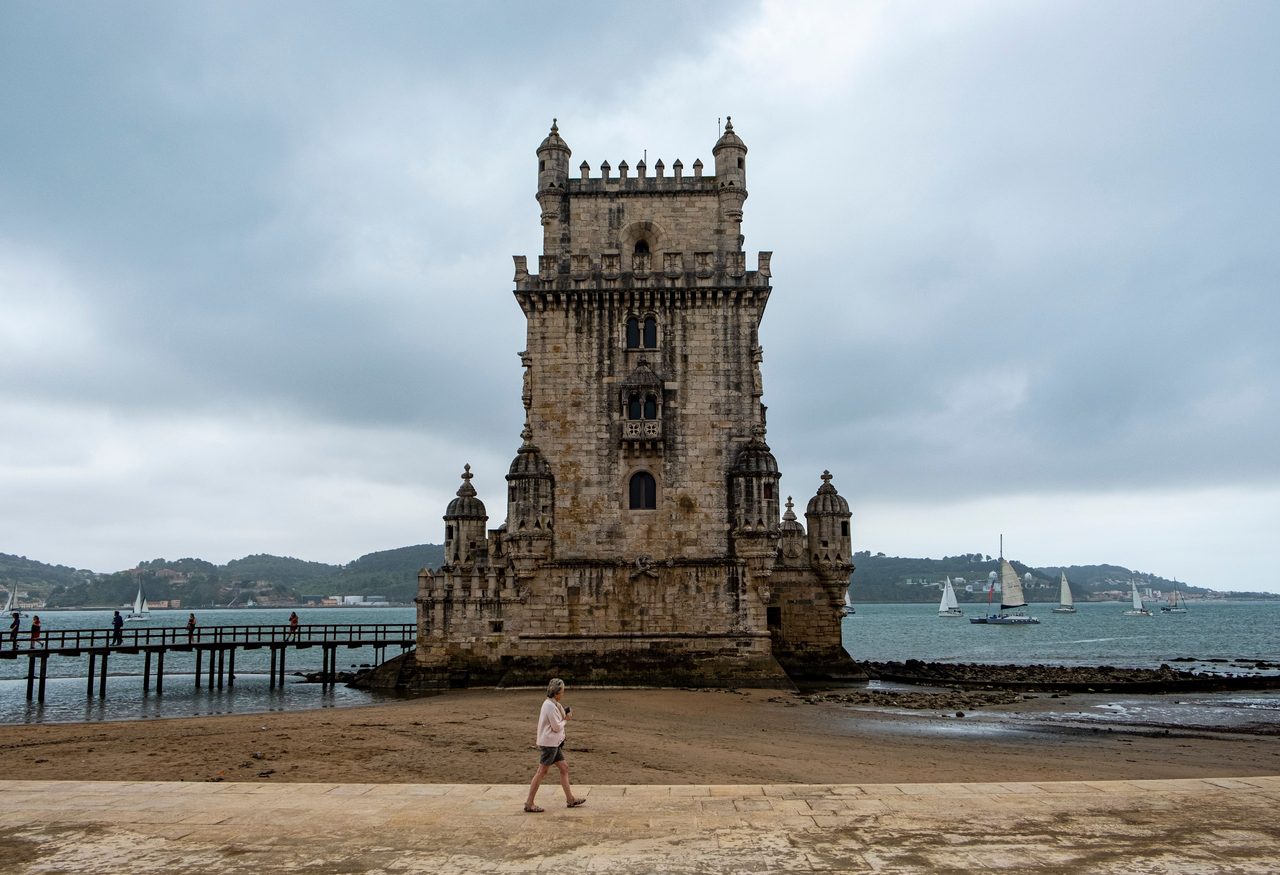
Belém Tower (Torre de Belém)
This iconic 16th-century fortified tower stands as a symbol of Portugal's Age of Discovery. Built in Manueline style with intricate stone carvings, it served as a ceremonial gateway to Lisbon and a defense system. The UNESCO World Heritage site offers stunning views of the Tagus River from its battlements.
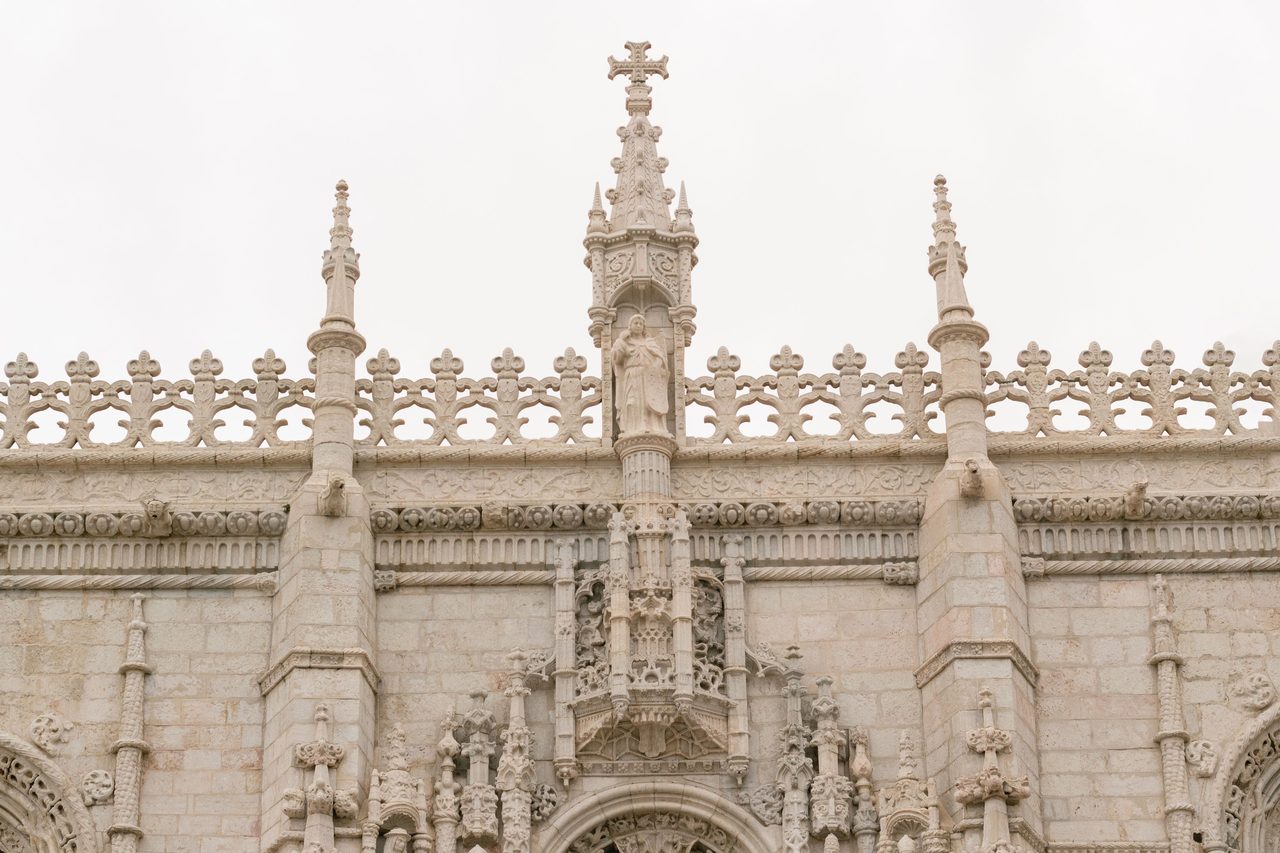
Jerónimos Monastery
A masterpiece of Manueline architecture and UNESCO World Heritage site, this 16th-century monastery showcases Portugal's golden age. The ornate cloisters feature intricate limestone carvings of maritime motifs, and the church houses the tombs of Vasco da Gama and poet Luís de Camões.
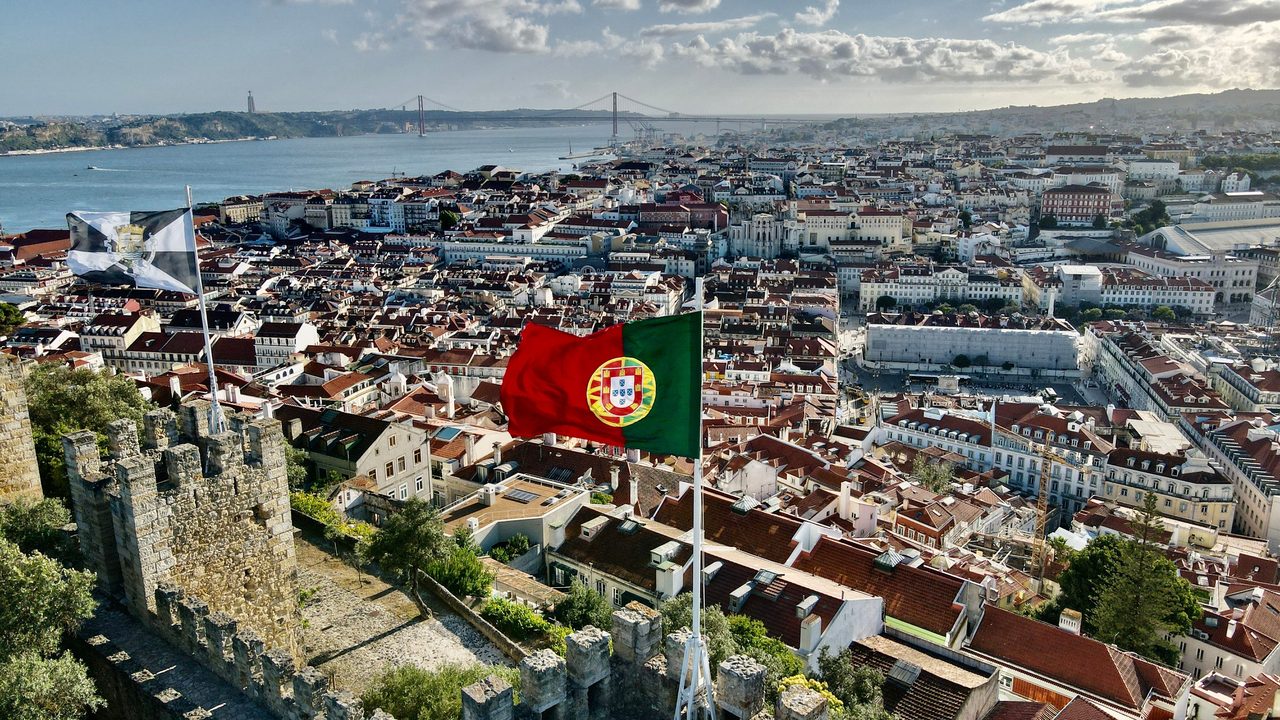
São Jorge Castle (Castelo de São Jorge)
Perched atop Lisbon's highest hill, this medieval Moorish castle offers panoramic views over the city and Tagus River. Dating from the 11th century, visitors can explore ancient walls, towers, archaeological sites, and peacocks roaming the grounds.
Pena Palace
This fairytale Romanticist castle sits atop Sintra mountains, featuring vibrant yellow and red facades with Moorish and Gothic elements. A UNESCO World Heritage site, the palace is surrounded by exotic gardens and offers breathtaking views over the Sintra-Cascais Natural Park.
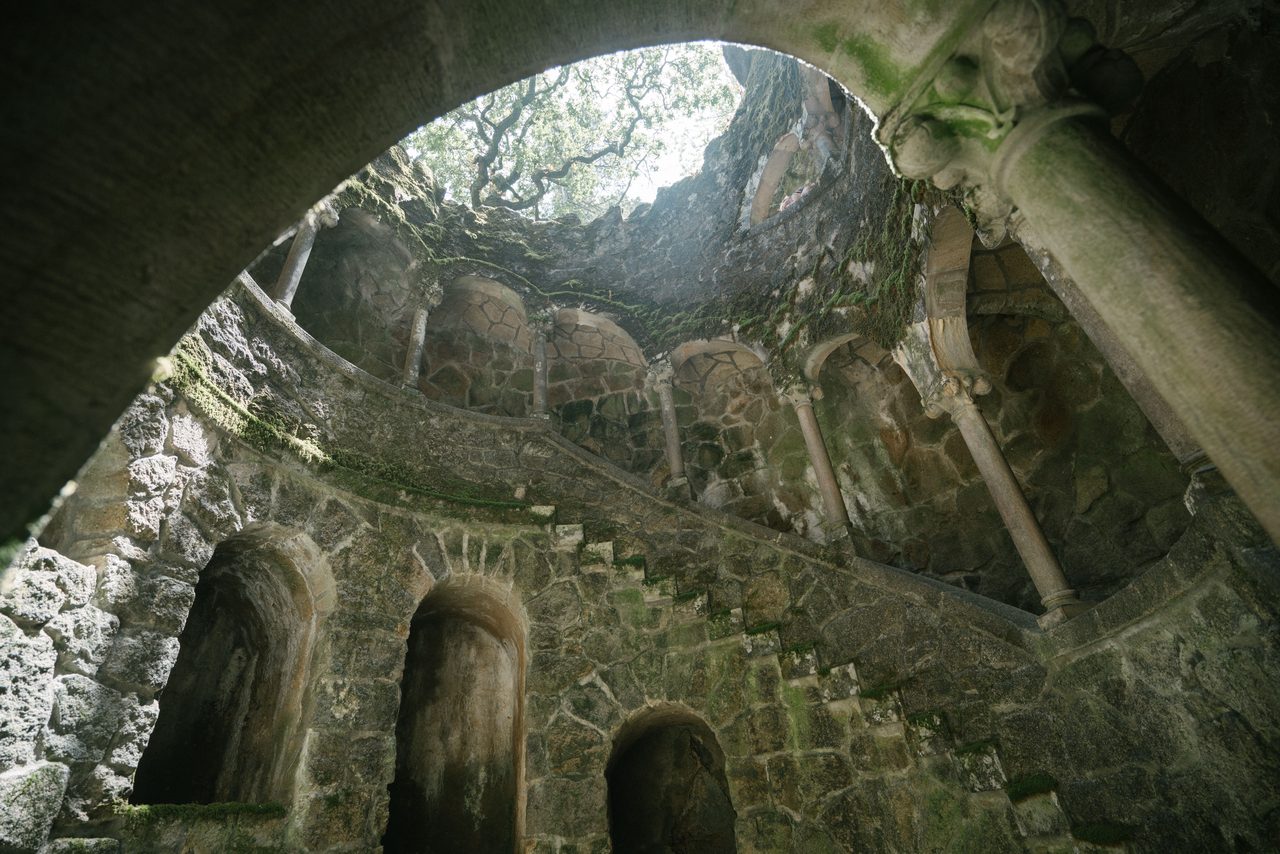
Quinta da Regaleira
This mystical estate in Sintra features a Gothic palace, lush gardens with hidden tunnels, grottoes, and the famous Initiation Well—a nine-story spiral staircase descending into the earth. The property is filled with symbols related to alchemy, Masonry, and the Knights Templar.
Oceanário de Lisboa
One of Europe's largest aquariums, featuring a massive central tank with sharks, rays, and schools of fish from around the globe. Four separate habitats represent the Atlantic, Pacific, Indian, and Antarctic oceans with unique marine life and ecosystems.
Recommended itineraries
Pick a length, follow the route. Each itinerary balances headline sights with breathing room.
5-Day Portugal Explorer
Day 1Arrive in Portugal, explore city center
Day 2Visit top attractions and museums
Day 3Day trip to nearby highlights
Day 4Local markets and hidden gems
Day 5Final sightseeing, departure
7-Day Classic Portugal
Days 1-2Portugal city highlights
Days 3-4Regional exploration
Days 5-6Cultural immersion and local experiences
Day 7Return and departure
14-Day Ultimate Portugal
Days 1-3Portugal comprehensive city tour
Days 4-6Northern region exploration
Days 7-9Eastern highlights
Days 10-12Southern attractions
Days 13-14Return to Portugal, departure
Where to stay in Portugal
Three tiers, every traveller covered — from cost-conscious to flagship hotels.
Budget $40-60
Hostels, budget hotels, and guesthouses offer affordable stays without sacrificing experience.
Mid-range $100-150
Boutique hotels and well-located accommodations provide comfort and convenience at reasonable prices.
Luxury $300-500+
World-class resorts and premium hotels deliver unforgettable experiences.
Four Seasons Hotel Ritz Lisbon
· $400-600 — $550-850
This iconic luxury hotel overlooks Eduardo VII Park with panoramic city views. Featuring elegant rooms with marble bathrooms, a renowned spa, rooftop bar, and Michelin-starred dining, it epitomizes Lisbon sophistication.
Historic 1892 hotel in central Lisbon near Rossio Square. Belle Époque elegance with updated amenities, attentive service, and unbeatable location for exploring the city center.
Award-winning hostel in renovated 18th-century building near Rossio. Social atmosphere, clean dorms and privates, communal kitchen, rooftop terrace, and nightly events.
Boutique design hotel in historic Alfama with stunning Tagus River views from the rooftop terrace. Modern minimalist interiors contrast beautifully with the medieval neighborhood, offering a sophisticated urban retreat.
Cafés, neighbourhood gems, and tasting menus worth the table reservation.
Belcanto
Contemporary Portuguese · $$$$$
Chef José Avillez's two-Michelin-star flagship restaurant offers innovative Portuguese cuisine in an elegant Chiado setting. Tasting menus showcase the best of Portuguese ingredients with modern techniques and artistic presentation.
Cervejaria Ramiro
Seafood · $$$
Legendary Lisbon seafood institution serving massive prawns, lobster, clams, and crab since 1956. No-frills atmosphere, long lines, fresh seafood, and the famous post-meal prego (steak sandwich).
Bairro do Avillez
Casual Portuguese · $$
José Avillez's multi-concept space with different eating areas including tavern, seafood bar, and páteo. Fun, bustling atmosphere, quality food, accessible prices.
Manteigaria
Pastéis de Nata · $
Famous pastelaria serving fresh warm custard tarts all day. Watch them being made, sprinkle with cinnamon and sugar, enjoy with coffee. Multiple locations.
A Brasileira
Historic Cafe · $$
Iconic 1905 Art Deco cafe in Chiado where poet Fernando Pessoa spent hours. Beautiful interiors, outdoor seating with Pessoa statue, traditional Portuguese coffee culture.
The Yeatman Restaurant
Modern European · $$$$$
Two-Michelin-star restaurant with panoramic Porto views. Chef Ricardo Costa creates exceptional dishes paired with Portugal's finest wines from the extensive cellar. Romantic terrace seating overlooks the Douro.
Getting around Portugal
Transportation options in Portugal include local buses, taxis, and rental cars. Check local conditions before planning your travel.
Budget breakdown
Daily spend by tier in USD, broken out by category.
Carry cash as cards may not be accepted everywhere
Respect local customs and dress codes
Purchase travel insurance before departure
Hidden gems
Off-the-beaten-path corners most travellers miss.
Monsanto
Ancient village built between and under gigantic granite boulders. Houses wedged beneath massive stones create surreal architecture. Voted 'Most Portuguese Village', incredibly photogenic and few tourists.
Called 'Little Portuguese Tibet' for its spectacular rice terraces cascading down mountain valleys. Traditional granite villages, hiking trails, Peneda-Gerês National Park scenery.
Costa Vicentina
Wild, undeveloped Atlantic coastline in southwest Portugal. Dramatic cliffs, pristine beaches, traditional fishing villages. Part of Rota Vicentina hiking trail, surf spots, authentic Portugal.
Aldeia da Mata Pequena
Tiny schist village near Lousã with barely 20 inhabitants. Perfectly preserved traditional architecture, peaceful mountain setting, authentic rural Portuguese life.
Piódão
Schist mountain village with slate-roofed houses cascading down steep hillside
Marvão
Stunning hilltop fortress village near Spanish border with panoramic views
Convento do Cristo Secret Terrace
While Convento do Cristo is popular, few tourists find the secret rooftop terrace with panoramic views over Tomar and Nabão River
Safety information
INFO
Watch for pickpockets in Lisbon's Baixa district, Porto's Ribeira, and crowded trams (especially Tram 28)
INFO
Avoid leaving valuables in rental cars, especially at beach parking lots in the Algarve
INFO
Be cautious in Bairro Alto and Cais do Sodre late at night — excessive alcohol can make you a target
INFO
Keep copies of passport and important documents separate from originals; use hotel safe for valuables
INFO
Use official taxis (green and black) or licensed ride-sharing apps (Uber, Bolt) rather than unmarked vehicles
INFO
Register with your embassy or consulate upon arrival for extended stays — the British FCDO, US STEP, etc.
INFO
Portugal requires E-111/GHIC for EU visitors and travel insurance for all others; private care costs are high
INFO
Sun protection is essential April–October; coastal winds make UV intensity deceptively high
INFO
Ocean rip currents are serious on Atlantic beaches — only swim where blue flags and lifeguards are present
INFO
Beware of fake charity petition scams in tourist areas, especially near major monuments in Lisbon
INFO
Carry small cash for markets and rural areas — many small tascas (taverns) are cash-only
INFO
Forest fire risk is high June–September in interior regions; follow ICNF guidance and avoid forested hiking trails on red-alert days
Frequently asked questions
Is Portugal safe to visit in 2026?
Portugal is one of Europe's safest countries and consistently ranks in the top 5 of the Global Peace Index. Violent crime against tourists is rare; the primary concerns are petty theft (pickpocketing) in crowded tourist areas of Lisbon and Porto, and road safety in rural areas. Emergency services: police at 112, medical at 112.
What is the best time to visit Portugal?
The best time to visit Portugal is June-August (warm weather, crowded beaches, highest prices). Portugal has a temperate Mediterranean climate with warm, dry summers and mild, rainy winters. The south (Algarve) is the warmest and driest region, receiving over 3,000 hours of sunshine annually — t
Do I need a visa to visit Portugal?
No visa required for stays up to 90 days within 180-day period. Passport must be valid for at least 3 months beyond departure date. ETIAS authorization will be required starting 2026. Requirements vary by nationality, so check with your nearest embassy or the official immigration website before traveling.
What currency is used in Portugal?
The currency in Portugal is the Euro (EUR) (EUR). ATMs are widely available in cities and tourist areas. Credit cards are accepted at most hotels and restaurants, but carry cash for markets and smaller establishments.
What language is spoken in Portugal?
The main language(s) spoken in Portugal: Portuguese (official), English widely spoken in tourist areas. In tourist areas, English is generally understood. Learning a few basic phrases in the local language is appreciated by locals.
What are the top attractions in Portugal?
The top attractions in Portugal include Belém Tower (Torre de Belém), Jerónimos Monastery, São Jorge Castle (Castelo de São Jorge), Pena Palace, and Quinta da Regaleira. Each offers a unique experience, from historic landmarks to natural wonders.
Explore Portugal by region
Each region has its own character — coastal, alpine, vineyard, capital. Pick a starting point.