World · 21 Places · Best May–June and September–October
La Rioja
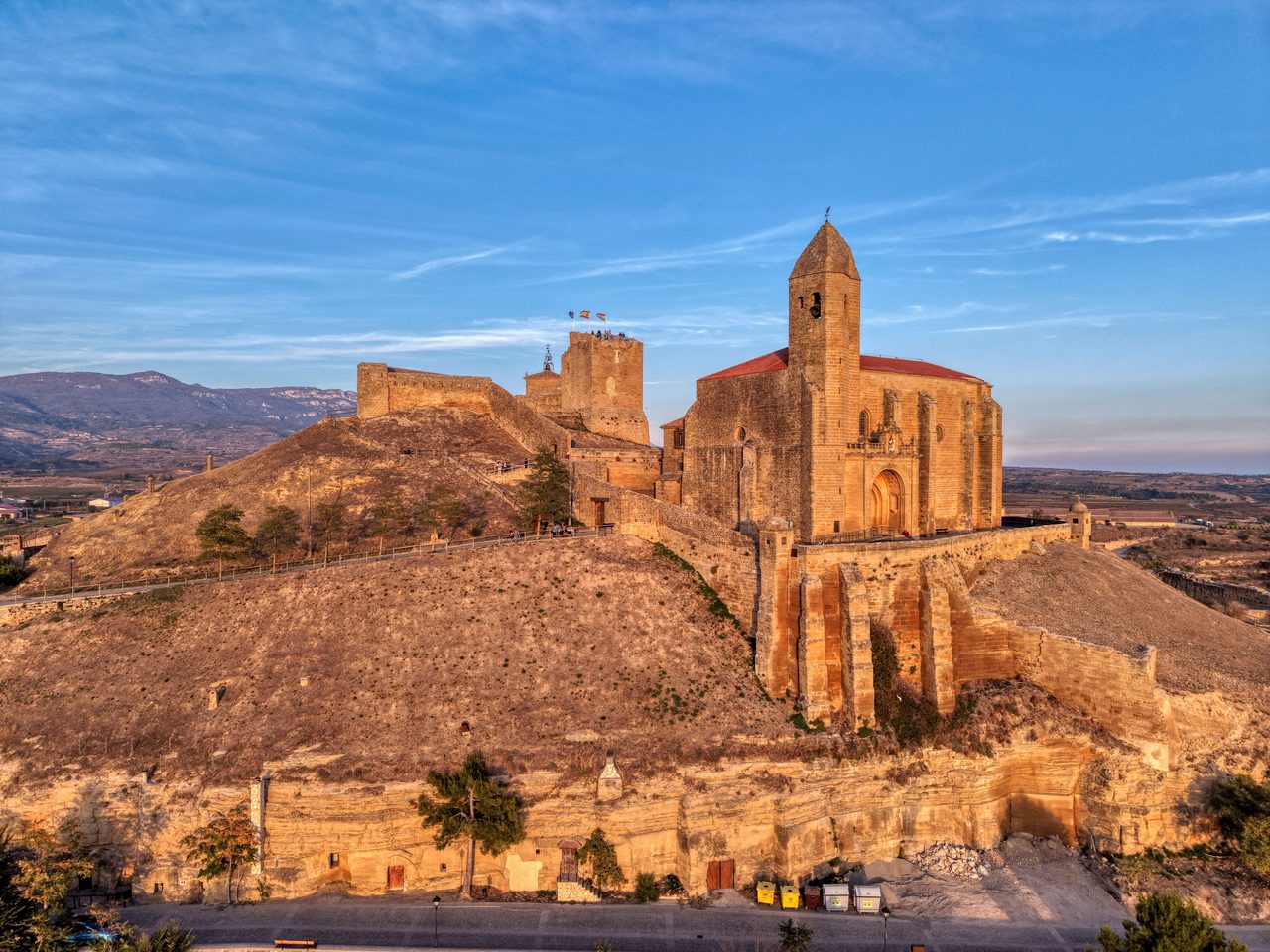
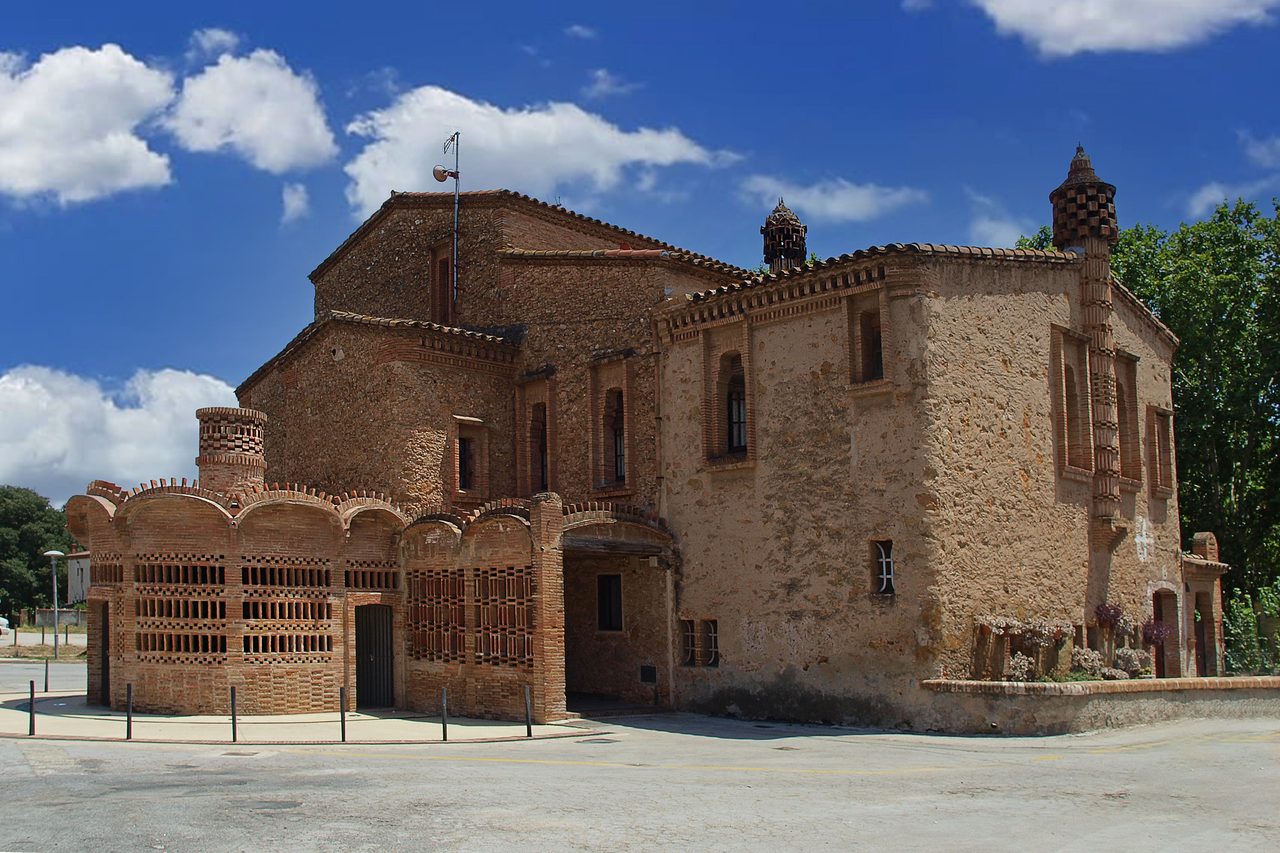
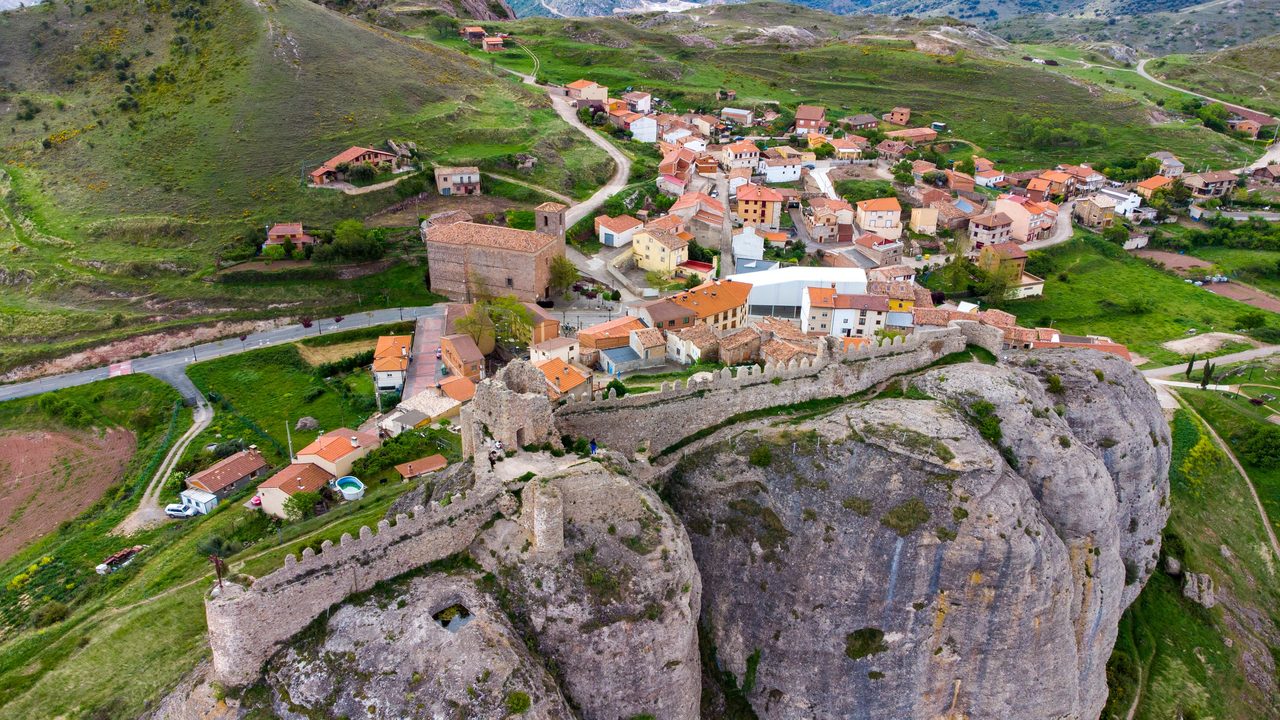
La Rioja is Spain's smallest mainland autonomous community and one of the world's great wine regions, producing the celebrated Rioja DOCa wines along the sun-drenched banks of the Ebro River. Beyond the vineyards, medieval monasteries, Camino de Santiago pilgrimage routes, and rugged Sierra de la Demanda mountains make this a destination of remarkable depth.
Nestled between the Cantabrian mountains to the north and the Iberian ranges to the south, La Rioja occupies a privileged pocket of northern Spain where Atlantic and Mediterranean influences meet. The region's landscape shifts from fertile river valleys carpeted in orderly vines to dramatic mountain wilderness — the Sierra de la Demanda rising above 2,000 metres. The capital Logroño is a lively city renowned for its tapas culture on Calle Laurel, while historic towns like Haro, Nájera, Briones, and Calahorra each carry centuries of heritage. Two UNESCO World Heritage monasteries at San Millán de la Cogolla preserve the earliest known written words in Spanish and Basque, making La Rioja literally the birthplace of the Spanish language. Pilgrims on the Camino Francés pass through daily, wine lovers flock to over 600 bodegas, and outdoor enthusiasts hike or ski the mountain ranges that frame the valley.
The 21 destinations our editors recommend — from iconic landmarks to under-the-radar finds.
Monasteries of San Millán de la Cogolla (Suso & Yuso)
Two monasteries a few kilometres apart mark where Castilian Spanish first appeared in writing: 10th-century marginal notes by a monk at Suso, the smaller hillside monastery, are considered the earliest known glosses in early Spanish. Suso, part cave-cut, part Mozarabic and Visigothic stonework, holds the tomb of San Millán himself. Yuso, the larger baroque complex built lower down the valley, houses the monastic library and treasury, including illuminated manuscripts and ivory reliquary caskets.
Logroño Old Town (Casco Antiguo) & Calle Laurel
Calle Laurel and the adjoining Calle San Juan form Logroño's tapas circuit, a short run of narrow streets where dozens of bars each build their reputation around one or two specific dishes rather than a full menu. The format is to order a small plate and a glass of Rioja at the bar, eat standing, and move to the next bar rather than sitting through a full meal in one place. It sits inside the old town's grid of pedestrian streets around the cathedral, so it's walkable straight from most of Logroño's other central sights.
Catedral de Santa María la Redonda
Logroño's cathedral is best known from the outside for its twin baroque towers, locally called Las Gemelas, which rise over the Calle Portales end of the old town and function as a landmark for orienting yourself in the city centre. Inside, the structure is a Gothic hall church that was reworked and expanded over centuries, giving it a mixed profile compared to the more uniform baroque facade. It's a functioning parish cathedral rather than a major pilgrimage draw, so visits tend to be quick.
Haro Wine Quarter (Barrio de la Estación)
This cluster of wineries grew up around Haro's train station in the late 19th century, when the rail line gave Rioja producers direct access to markets just as phylloxera was destroying vineyards in Bordeaux, pulling French winemakers and techniques into the area. Several of the bodegas founded in that period are still operating in their original stone buildings, with underground barrel galleries built into the same era. A visit is a walk between a handful of historic producers rather than a single site, ending in a tasting.
Santa María la Real de Nájera
This monastery was founded by a king of the medieval kingdom centred on Nájera, when the town was itself a royal seat before that role passed to Pamplona and later Castile. It still holds the Panteón Real, the burial place of a line of early Navarrese and Riojan royalty, set beneath the church. Its Gothic cloister, known for open stone tracery cut so fine it looks like lacework, is the part most visitors remember once they're inside.
Briones Medieval Village & Dinastia Vivanco Wine Museum
Briones is a walled hilltop village overlooking the Ebro valley's vineyards, small enough to walk end to end, with its street layout and stone houses largely unchanged since the medieval period. At its edge sits the Vivanco museum, a large modern building built by a local winemaking family that covers the history of wine-making tools, art, and culture across multiple floors rather than focusing only on their own brand. The two are usually visited together: the village on foot, the museum as an indoor, several-hour stop.
Recommended itineraries
Pick a length, follow the route. Each itinerary balances headline sights with breathing room.
5-Day La Rioja Explorer
Day 1Arrive in La Rioja, explore city center
Day 2Visit top attractions and museums
Day 3Day trip to nearby highlights
Day 4Local markets and hidden gems
Day 5Final sightseeing, departure
7-Day Classic La Rioja
Days 1-2La Rioja city highlights
Days 3-4Regional exploration
Days 5-6Cultural immersion and local experiences
Day 7Return and departure
14-Day Ultimate La Rioja
Days 1-3La Rioja comprehensive city tour
Days 4-6Northern region exploration
Days 7-9Eastern highlights
Days 10-12Southern attractions
Days 13-14Return to La Rioja, departure
Where to stay in La Rioja
Three tiers, every traveller covered — from cost-conscious to flagship hotels.
Budget €50–€100/day (~$55–$110)
Hostels, budget hotels, and guesthouses offer affordable stays without sacrificing experience.
Mid-range €135–€255/day (~$149–$281)
Boutique hotels and well-located accommodations provide comfort and convenience at reasonable prices.
Luxury €320–€700/day (~$352–$770)
World-class resorts and premium hotels deliver unforgettable experiences.
This is a standing-room pintxos bar on Calle Laurel's side street, Travesía del Laurel, and it does essentially one thing: a mushroom pintxo. The kitchen is a narrow open counter where cooks sauté mushrooms to order in garlic and oil, then top each skewer with a shrimp. The room is bare-bones - a bar counter, a few high tables, and usually a line out the door on weekend evenings.
Restaurante Venta Moncalvillo
Creative Riojan · €90–€120/tasting menu per person (~$99–$132)
Run by the Ibarra brothers - Carlos cooking, Ignacio on the wine list - out of a converted village house in Daroca de Rioja, this Michelin-starred kitchen builds its menu around produce the family forages and sources locally, especially wild mushrooms in season. The cooking stays close to Riojan ingredients but plates them with fine-dining technique, and the dining room is small and quiet rather than showy.
El Portal de Echaurren (Ezcaray)
Contemporary Riojan · €90–€135/tasting menu per person (~$99–$148.50)
Chef Francis Paniego runs this Michelin-starred dining room inside the Echaurren family's hotel in Ezcaray, at the edge of the Sierra de la Demanda. The food reworks his mother's and grandmother's Riojan recipes with modern technique, leaning on game, river fish, and mountain produce from the surrounding valley rather than coastal ingredients. The setting is formal but not stiff, with the feel of a family hotel rather than a corporate restaurant.
La Rioja is best explored by rental car, especially for vineyard touring. Logroño has a bus station with regional and national connections. The nearest major airports are Bilbao (BIO, 90 km / 55 mi) and Zaragoza (ZAZ, 140 km / 87 mi). Madrid Barajas (MAD) is 330 km / 205 mi. Regular trains run between Logroño and Madrid (3.5 hrs), Bilbao, and Zaragoza. An urban bus network covers Logroño city.
Budget breakdown
Daily spend by tier in EUR (Euro), broken out by category.
Category
Budget
Mid-range
Luxury
Accommodation
€25–€50/night (~$28–$55)
€70–€130/night (~$77–$143)
€150–€350/night (~$165–$385)
Food (per day)
€15–€25/day (~$17–$28)
€30–€55/day (~$33–$60)
€80–€150/day (~$88–$165)
Transportation
€5–€10/day (~$6–$11)
€15–€30/day (~$17–$33)
€40–€80/day (~$44–$88)
Activities
€5–€15/day (~$6–$17)
€20–€40/day (~$22–$44)
€50–€120/day (~$55–$132)
Daily total
€50–€100/day (~$55–$110)
€135–€255/day (~$149–$281)
€320–€700/day (~$352–$770)
Best time to visit La Rioja
Weather through the year in Spain
Best timeShoulderWorth avoiding
Average daytime temperature in °C. Figures are for Spain.
September is La Rioja's iconic harvest month (Vendimia) when vineyards burst with activity. May and June offer mild weather, green vines, and fewer crowds. The Battle of Wine (Batalla del Vino) in Haro takes place on 29 June each year.
Essential travel tips
Book winery tours at least a week ahead in September and October during harvest.
The Camino de Santiago passes through Logroño — pilgrim hostels (albergues) offer budget beds from €10/night (~$11).
Tapas time in Logroño starts around 7–8 pm on Calle Laurel and Calle San Juan.
Many bodegas close Sunday and Monday — plan midweek visits.
La Rioja's supermarkets sell Rioja wine at producer prices, much cheaper than export markets.
Hidden gems
Off-the-beaten-path corners most travellers miss.
Dinosaur Footprints of Enciso
Enciso
Cave Houses of Murillo del Río Leza
Murillo del Río Leza
Grutas de Ortigosa de Cameros
Ortigosa de Cameros
Alfaro White Stork Colony
Alfaro
Safety information
INFO
Keep valuables out of sight in parked cars, especially in car parks near popular bodegas.
INFO
Carry water and sun protection during summer vineyard walks.
INFO
Mountain roads in the Sierra de la Demanda can be icy October–April — check conditions before driving.
La Rioja consistently ranks among Spain's safest autonomous communities. Violent crime is extremely rare. The main risks are petty theft in city centres, mountain-road hazards in winter, and sun exposure during summer. Pilgrims on the Camino de Santiago report an overwhelmingly safe and friendly exp
What is the best time to visit La Rioja?
The best time to visit La Rioja is May–June and September–October. La Rioja's climate transitions from Atlantic influences in the west to continental Mediterranean in the east, with the Ebro valley acting as a wind tunnel channelling air from the Atlantic coast. Summ
What currency is used in La Rioja?
The currency in La Rioja is the Euro (EUR). ATMs are widely available in cities and tourist areas. Credit cards are accepted at most hotels and restaurants, but carry cash for markets and smaller establishments.
What language is spoken in La Rioja?
The main language(s) spoken in La Rioja: Spanish (Castilian). In tourist areas, English is generally understood. Learning a few basic phrases in the local language is appreciated by locals.
What are the top attractions in La Rioja?
The top attractions in La Rioja include Monasteries of San Millán de la Cogolla (Suso & Yuso), Logroño Old Town (Casco Antiguo) & Calle Laurel, Catedral de Santa María la Redonda, Haro Wine Quarter (Barrio de la Estación), and Santa María la Real de Nájera. Each offers a unique experience, from historic landmarks to natural wonders.