
On this page
About Alabama
Alabama stretches from the Tennessee Valley in the north to the Gulf of Mexico in the south, encompassing the Appalachian foothills, the Black Belt's agricultural heartland, and 60 miles of Gulf Coast. The state played a pivotal role in the American Civil Rights Movement — Birmingham, Selma, and Montgomery are essential stops on the US Civil Rights Trail. Huntsville anchors the north as a modern aerospace hub centered on NASA's Marshall Space Flight Center. Mobile, Alabama's only seaport, blends French and Spanish colonial history with a thriving port culture.
- Capital
- Montgomery
- Largest city
- Birmingham
- Population
- 5.1 million
- Languages
- English
- Currency
- US Dollar
- Time zone
- Central Time (UTC-6 / UTC-5 DST)
Explore Alabama by topic
Jump straight to the experience you're planning.
Best places to visit in Alabama
The 20 destinations our editors recommend — from iconic landmarks to under-the-radar finds.
Birmingham Civil Rights Institute
16th Street Baptist Church
USS Alabama Battleship Memorial Park
Little River Canyon National Preserve
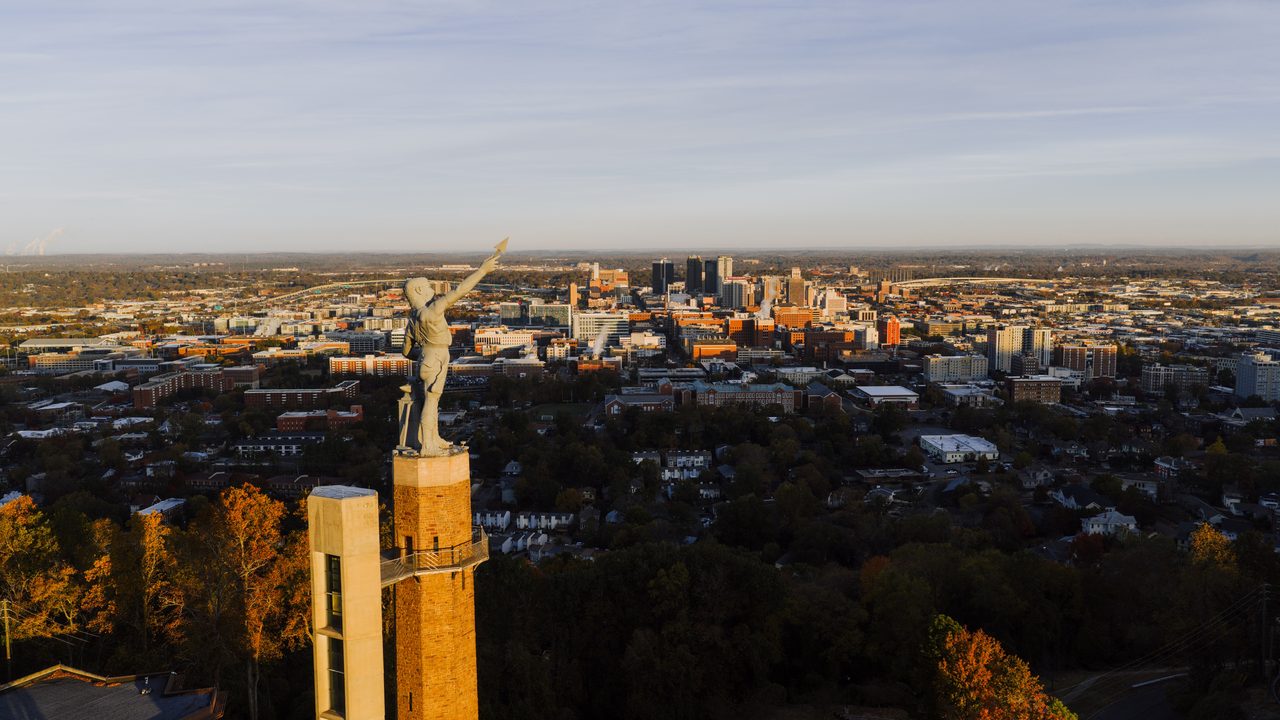
Vulcan Park and Museum
Recommended itineraries
Pick a length, follow the route. Each itinerary balances headline sights with breathing room.
5-Day Alabama Explorer
- Day 1Arrive in Alabama, explore city center
- Day 2Visit top attractions and museums
- Day 3Day trip to nearby highlights
- Day 4Local markets and hidden gems
- Day 5Final sightseeing, departure
7-Day Classic Alabama
- Days 1-2Alabama city highlights
- Days 3-4Regional exploration
- Days 5-6Cultural immersion and local experiences
- Day 7Return and departure
14-Day Ultimate Alabama
- Days 1-3Alabama comprehensive city tour
- Days 4-6Northern region exploration
- Days 7-9Eastern highlights
- Days 10-12Southern attractions
- Days 13-14Return to Alabama, departure
Where to stay in Alabama
Three tiers, every traveller covered — from cost-conscious to flagship hotels.
Budget $70
Hostels, budget hotels, and guesthouses offer affordable stays without sacrificing experience.
Mid-range $180
Boutique hotels and well-located accommodations provide comfort and convenience at reasonable prices.
Luxury $450+
World-class resorts and premium hotels deliver unforgettable experiences.
Grand Bohemian Hotel Mountain Brook
Check rates on Booking.comWestin Birmingham
Check rates on Booking.comRedmont Hotel Birmingham — Curio Collection by Hilton
Check rates on Booking.comRenaissance Birmingham Ross Bridge Golf Resort & Spa
Check rates on Booking.comWhere to eat in Alabama
Cafés, neighbourhood gems, and tasting menus worth the table reservation.
Highlands Bar and Grill
Automatic Seafood and Oysters
Bottega Restaurant
The Bright Star
Dreamland Bar-B-Que (Tuscaloosa original)
Archibald's BBQ
Book a food tour in Alabama We may earn a commission from bookings made through this link.
Getting around Alabama
Alabama is a car-centric state. Rental cars are available at all three airports and in major city centers. The interstate highway system is excellent and well-maintained.
Budget breakdown
Daily spend by tier in USD, broken out by category.
| Category | Budget | Mid-range | Luxury |
|---|---|---|---|
| Accommodation | $35 | $110 | $280 |
| Food (per day) | $20 | $45 | $100 |
| Transportation | $8 | $15 | $40 |
| Activities | $7 | $20 | $60 |
| Daily total | $70 | $180 | $450+ |
Best time to visit Alabama
Weather through the year in United States
Best time Shoulder Worth avoiding
Average daytime temperature in °C. Figures are for United States.
Essential travel tips
- Rent a car — Alabama's major attractions are spread across the state and public transit is limited
- Plan at least 2-3 days in Birmingham for its Civil Rights sites and excellent restaurant scene
- The Alabama Civil Rights Trail connects Montgomery, Birmingham, and Selma — most impactful as a sequential route
- Gulf Shores and Orange Beach are extremely popular in summer — book accommodations months in advance
- Alabama has some of the best BBQ in the South; seek out smoke-house joints over chains
Safety information
Download the NOAA Weather app and set location alerts for tornado watches before visiting Alabama March-May. If a tornado warning is issued, move immediately to the lowest floor of a solid structure away from windows — sheltering in a vehicle or under a highway overpass is dangerous.
In summer (June-August), drink at least 2-3 liters of water daily and avoid strenuous outdoor activity between 11 AM and 4 PM when heat indices regularly exceed 100°F (38°C). Wear lightweight, light-colored, loose-fitting clothing and apply SPF 30+ sunscreen every 90 minutes.
When hiking in Alabama's forests and state parks, wear long pants tucked into socks and use DEET-based insect repellent to protect against ticks carrying Rocky Mountain spotted fever. Check thoroughly for ticks after any outdoor activity. Stay on marked trails to avoid Alabama's six venomous snake species including the Eastern diamondback rattlesnake and copperhead.
On Alabama's Gulf Coast (June-November), obey beach flag warnings at all times: red flag means dangerous surf conditions and no swimming; purple flag signals dangerous marine life such as jellyfish or stingrays. Monitor the National Hurricane Center (nhc.noaa.gov) daily during hurricane season and follow all evacuation orders if a tropical storm approaches.
In downtown Birmingham and Montgomery, use rideshare apps (Uber or Lyft) rather than walking alone at night in unfamiliar areas. The Civil Rights District, Five Points South, and Lakeview in Birmingham are well-populated tourist zones after dark. Avoid isolated parking structures and poorly-lit side streets after midnight.
Watch for deer on rural Alabama two-lane roads at dawn and dusk — Alabama has one of the highest deer-vehicle collision rates in the Southeast. Slow to 45 mph or below in forested stretches of US-72, AL-35, and other rural routes at twilight. Deer rarely travel alone; if one crosses, expect more to follow.
Frequently asked questions
Do I need a visa to visit Alabama?
Entry requirements follow United States rules. Citizens from Visa Waiver Program countries may enter visa-free for up to 90 days under ESTA (apply at esta.cbp.dhs.gov, fee $21). All others require a valid US visa — contact the nearest US Embassy or consulate.
What currency is used in Alabama?
The currency is the US Dollar (USD). ATMs are available at all banks and most convenience stores. Credit cards are accepted everywhere except some rural farmers markets and small food stands.
What language is spoken in Alabama?
English is the official language of Alabama. A distinct Southern accent and regional expressions are common. International visitors will find English-only service at most establishments.
What are the top attractions in Alabama?
Top attractions include the U.S. Space & Rocket Center in Huntsville, the Birmingham Civil Rights Institute, Gulf State Park beaches in Gulf Shores, the USS Alabama Battleship Memorial Park in Mobile, and Little River Canyon National Preserve near Fort Payne.