Maryland · 21 Places · Best April, May, September, October
Maryland
Maryland is a Mid-Atlantic state of striking contrasts: historic Chesapeake Bay crab country, Appalachian mountain ridges, Civil War battlefields, and the vibrant harbor city of Baltimore. Flanking Washington DC on three sides, the state blends federal grandeur with blue-collar charm, colonial waterfront towns, and some of the East Coast's finest seafood.
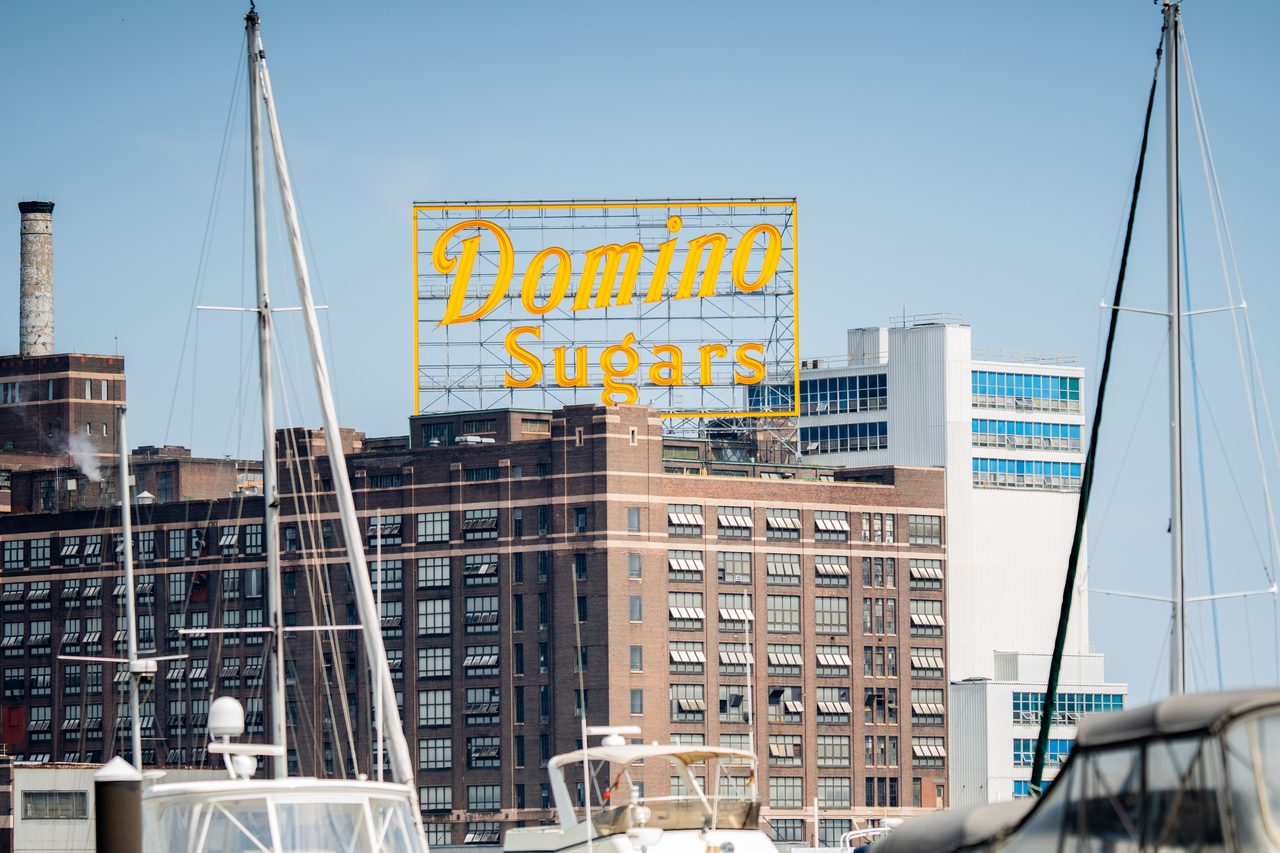
Maryland occupies a narrow corridor between the Chesapeake Bay and the Appalachian Mountains. The Bay, North America's largest estuary, defines the state's culture and economy: blue crabs, oysters, and skipjack sailboats are woven into everyday life. Baltimore anchors the state with its revitalized Inner Harbor, world-class museums, and fierce identity. Annapolis, the colonial capital, draws sailors and history lovers to its brick-lined streets and the United States Naval Academy. Western Maryland rises into forested ridges where the Appalachian Trail passes through and Civil War battles shaped American history. The Eastern Shore across the Bay Bridges remains a quieter world of farm stands, wildlife refuges, and charming towns like St. Michaels and Cambridge.
The 21 destinations our editors recommend — from iconic landmarks to under-the-radar finds.
National Aquarium Baltimore
This is the anchor attraction of Baltimore's Inner Harbor, a multi-level aquarium built around a central Atlantic Coral Reef ring and a glass pyramid that houses an indoor rainforest. Exhibits move visitors from Maryland's own Chesapeake Bay habitats up through open ocean tanks and into the rainforest and Australian wetlands sections, with dolphins housed separately in the Pier 4 pavilion. Expect a slow, one-directional walking route rather than a browse-at-will layout, since the building's design funnels traffic upward through the ring before looping back down.
Fort McHenry National Monument and Historic Shrine
This star-shaped fort at the mouth of Baltimore's harbor is where the British naval bombardment of September 1814 failed to take the city, an event Francis Scott Key witnessed from a ship and turned into the poem that became "The Star-Spangled Banner." The visitor center's short film leads into a walk through the restored fort, including powder magazines, soldiers' quarters, and the ramparts where the giant flag flies. It's a compact site best understood through the film first, then the self-guided walk around the walls.
United States Naval Academy
The Naval Academy occupies a walled campus, called the Yard, on the Severn River in downtown Annapolis, and it's an active military college rather than a museum, so what you see depends on midshipmen's schedules. Highlights on a self-guided or guided walk include the domed Chapel with John Paul Jones's crypt beneath it, Bancroft Hall (one of the largest dormitories in the world), and the Naval Academy Museum in Preble Hall. If you time a visit around midday on a weekday during the academic year, you may catch the brief formation of midshipmen marching to lunch.
Antietam National Battlefield
Antietam preserves the farmland outside Sharpsburg where Union and Confederate forces fought on September 17, 1862, the single bloodiest day of combat in American history. The battlefield is largely open cornfields, sunken farm roads, and the Burnside Bridge over Antietam Creek, connected by a driving tour route with numbered stops and interpretive markers. Because so much of the terrain looks as it did in 1862, walking sections like the Sunken Road (later nicknamed Bloody Lane) gives a clearer sense of the fighting than most battlefield sites.
Chesapeake & Ohio Canal National Historical Park
The C&O Canal follows the Potomac River for roughly 185 miles from Washington, D.C. to Cumberland, and the section around Great Falls, Maryland is the most-visited part of the park, combining restored canal locks with river overlooks onto the Potomac's whitewater. A flat towpath, originally the mule path for towing canal boats, runs the length of the park and is popular for walking and cycling, while boardwalk trails near Great Falls Tavern lead out to viewing platforms above the falls. The historic lockhouses and the tavern-turned-visitor-center give context to how the 19th-century canal actually operated.
Maryland Science Center
This is a hands-on science museum on Baltimore's Inner Harbor with a mix of permanent exhibits covering physics, the human body, and Chesapeake Bay ecology, plus a planetarium and an observatory. It's built around interactive, kid-focused displays rather than static exhibits, and the dinosaur fossil displays sit alongside a working weather station. The building itself is a recognizable Inner Harbor landmark with a distinctive stepped stone exterior facing the water.
Recommended itineraries
Pick a length, follow the route. Each itinerary balances headline sights with breathing room.
5-Day Maryland Explorer
Day 1Arrive in Maryland, explore city center
Day 2Visit top attractions and museums
Day 3Day trip to nearby highlights
Day 4Local markets and hidden gems
Day 5Final sightseeing, departure
7-Day Classic Maryland
Days 1-2Maryland city highlights
Days 3-4Regional exploration
Days 5-6Cultural immersion and local experiences
Day 7Return and departure
14-Day Ultimate Maryland
Days 1-3Maryland comprehensive city tour
Days 4-6Northern region exploration
Days 7-9Eastern highlights
Days 10-12Southern attractions
Days 13-14Return to Maryland, departure
Where to stay in Maryland
Three tiers, every traveller covered — from cost-conscious to flagship hotels.
Budget $120-195/day
Hostels, budget hotels, and guesthouses offer affordable stays without sacrificing experience.
Mid-range $265-410/day
Boutique hotels and well-located accommodations provide comfort and convenience at reasonable prices.
Luxury $540-1050+/day
World-class resorts and premium hotels deliver unforgettable experiences.
Cafés, neighbourhood gems, and tasting menus worth the table reservation.
LP Steamers
Seafood / Maryland Blue Crabs · $$
A no-frills crab house in Locust Point where the point is the crabs, dumped straight onto brown paper on the table and cracked by hand. The kitchen keeps the menu short and leans on Old Bay-heavy seasoning rather than composed plates. Seating is tight booths and a bar area that fills with mallet noise on weekend evenings.
Woodberry Kitchen
Mid-Atlantic Farm-to-Table · $$$
Set in a converted mill building in the Woodberry neighborhood, this restaurant built its reputation on sourcing from Maryland and Pennsylvania farms and cooking much of the menu over a wood fire visible from the dining room. The space keeps its industrial bones - brick, timber, exposed pipe - dressed up with candlelight. Dishes change with what's coming out of the ground that week.
The Choptank
Chesapeake Seafood · $$
Named for the river on Maryland's Eastern Shore, this Harbor East seafood room does a straightforward take on Chesapeake classics - crab cakes, oysters, a raw bar - in a bright, nautical-toned dining room. It sits close to the Inner Harbor so it draws a mix of visitors and downtown office workers at lunch.
Wit & Wisdom
New American / Tavern · $$$
The tavern restaurant of the Four Seasons Baltimore, overlooking the harbor from the International Drive waterfront. The menu reworks Maryland tavern staples - crab, rockfish, a well-known burger - with a hotel-restaurant level of polish and pricing to match. The room is dressed in dark wood and brass with harbor views through large windows.
Miss Shirley's Café
Southern American / Brunch · $$
A Baltimore brunch institution on Pratt Street near the Inner Harbor, built around Southern-inflected breakfast cooking - biscuits, griddle dishes, a crab-topped Benedict - served in a colorful, family-friendly dining room. It draws long weekend waits from both locals and hotel guests staying nearby.
Pierpoint Restaurant
New American / Chesapeake · $$$
A small Fells Point dining room that has spent years reworking Chesapeake ingredients into New American plates, mixing crab and rockfish with dishes like Maryland lamb. The space is intimate rather than grand, with a menu that changes seasonally around what the region's producers have. It reads as a chef-driven neighborhood restaurant rather than a destination spot.
Maryland is served by BWI Marshall Airport (Baltimore-Washington International) and Reagan National and Dulles in nearby Virginia. Within the state, car rental is the most practical option for exploring the Eastern Shore and western counties. Baltimore has an MTA light rail, metro subway, and extensive bus network. MARC commuter rail connects Baltimore to Washington DC and Pennsylvania.
Budget breakdown
Daily spend by tier in USD, broken out by category.
Category
Budget
Mid-range
Luxury
Accommodation
$70-100/night (hostel or budget motel)
$150-220/night (3-star hotel)
$280-600+/night (waterfront boutique or 4-star hotel)
Food (per day)
$30-50/day (diners, food markets, cheap eats)
$60-90/day (casual restaurants, one crab feast)
$120-200/day (fine dining, premium crab houses)
Transportation
$10-20/day (MTA bus, light rail, MARC train)
$25-40/day (car rental or Lyft/Uber)
$60-100/day (rental car, valet, private transfer)
Activities
$10-25/day (free museums, discounted admissions)
$30-60/day (major attractions, bay cruises)
$80-150/day (sailing charters, private tours)
Daily total
$120-195/day
$265-410/day
$540-1050+/day
Best time to visit Maryland
Weather through the year in United States
Best timeShoulderWorth avoiding
Average daytime temperature in °C. Figures are for United States.
Spring and fall offer ideal temperatures for Baltimore sightseeing, hiking, and sailing in the Chesapeake. Crab season peaks May-November. Ocean City is a summer destination but very crowded July-August.
Essential travel tips
Get an E-ZPass Maryland (ezpassmd.com) if driving; saves on Bay Bridge and highway tolls — one crossing is $4 (E-ZPass) vs $8 (cash)
The Preakness Stakes (third Saturday in May at Pimlico Race Course, Baltimore) sells out months in advance; book accommodations 6+ months ahead
Old Bay seasoning is on every table at seafood restaurants — it's a local tradition
Crab houses typically sell crabs by the dozen; specify male (jimmy) crabs for meatier results
MARC trains connect Baltimore to DC in 45-70 minutes for $9 one-way; far cheaper than driving
Hidden gems
Off-the-beaten-path corners most travellers miss.
Safety information
INFO
In Baltimore, stay in the Inner Harbor, Fells Point, Federal Hill, and Mount Vernon neighbourhoods; avoid walking west of Martin Luther King Jr Blvd after dark
INFO
Lock rental cars; do not leave valuables visible inside parked vehicles
INFO
Ocean City pedestrian traffic is heavy in summer; watch for cyclists on the Boardwalk
INFO
Bay Bridge (US-50) can have severe weekend delays in summer; leave before 9 AM or after 7 PM
INFO
Lyme disease tick risk is real in forested areas; wear long sleeves and use DEET in parks
Frequently asked questions
Is Maryland safe to visit in 2026?
Maryland's tourist zones — Baltimore Inner Harbor, Fells Point, Federal Hill, Annapolis historic district, Ocean City Boardwalk, and national parks — are safe for solo travelers and families. The main safety concern is Baltimore's high-crime residential neighborhoods. Standard urban precautions (avo
What is the best time to visit Maryland?
The best time to visit Maryland is April, May, September, October. Maryland has a humid subtropical climate (Chesapeake coastal regions) transitioning to humid continental in western mountain counties. Summers are hot and humid with average highs of 87°F (31°C) in Ju
Do I need a visa to visit Maryland?
Entry requirements follow United States federal rules. Citizens from VWP countries may enter visa-free for up to 90 days under ESTA (apply at esta.cbp.dhs.gov, $21). All others require a valid US visa obtained in advance. Requirements vary by nationality, so check with your nearest embassy or the official immigration website before traveling.
What currency is used in Maryland?
The currency in Maryland is the US Dollar (USD). ATMs are widely available in cities and tourist areas. Credit cards are accepted at most hotels and restaurants, but carry cash for markets and smaller establishments.
What language is spoken in Maryland?
The main language(s) spoken in Maryland: English. In tourist areas, English is generally understood. Learning a few basic phrases in the local language is appreciated by locals.
What are the top attractions in Maryland?
The top attractions in Maryland include National Aquarium Baltimore, Fort McHenry National Monument and Historic Shrine, United States Naval Academy, Antietam National Battlefield, and Chesapeake & Ohio Canal National Historical Park. Each offers a unique experience, from historic landmarks to natural wonders.