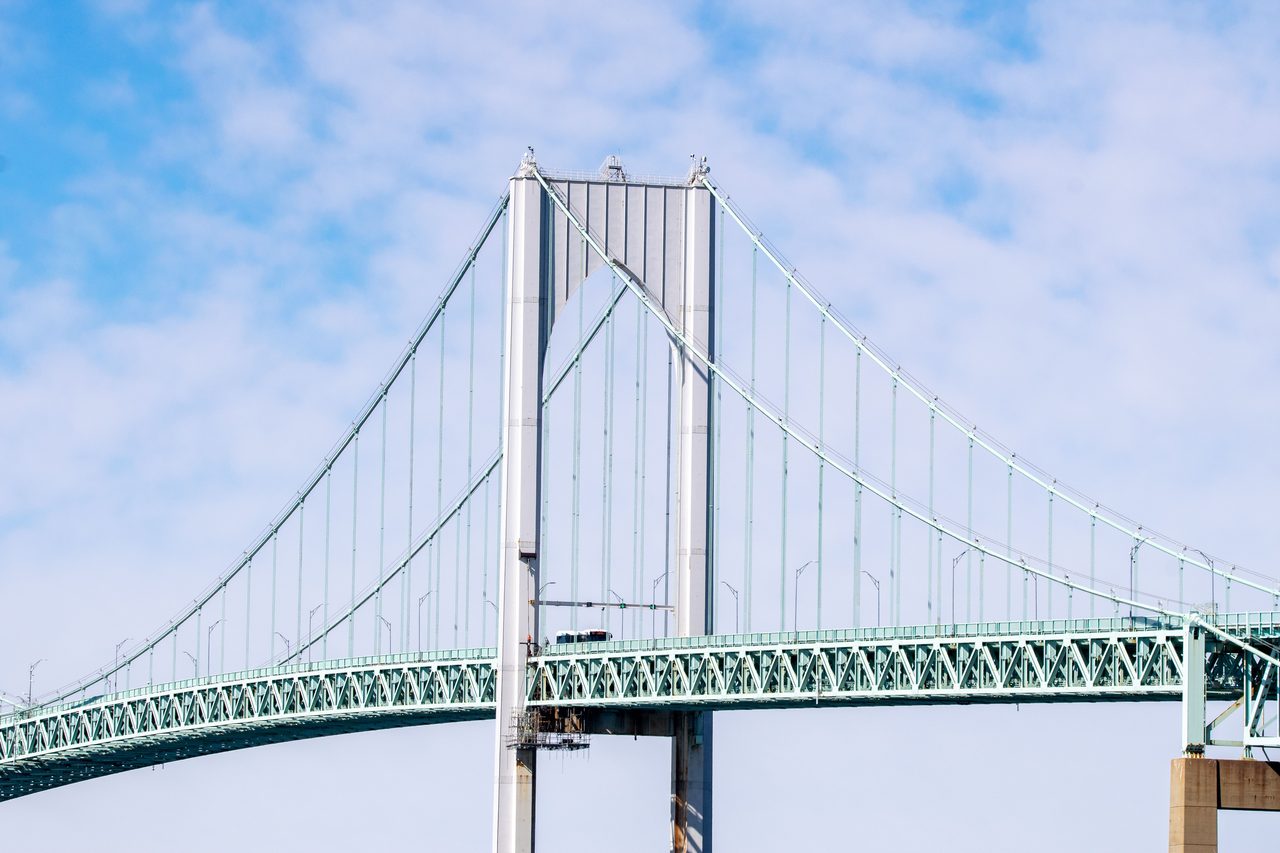
Rhode Island, the smallest US state, packs extraordinary variety into 1,545 square miles: the Gilded Age mansions of Newport, the creative dining scene of Providence, sweeping barrier beaches in South County, and Block Island's untouched bluffs. Despite its size, the Ocean State offers world-class sailing, colonial history dating to 1636, and some of New England's finest seafood.
Founded by Roger Williams as a haven for religious tolerance, Rhode Island became a colonial powerhouse in trade and maritime commerce. Today visitors come for Newport's "cottages" — palatial summer homes of the Vanderbilts and Astors — Providence's vibrant food scene anchored by Johnson & Wales University, and 400 miles of coastline lined with sandy beaches. The state's compact geography makes day trips effortless: Block Island is a 55-minute ferry ride, Cape Cod is 90 minutes away, and Boston is under an hour by train.
The 21 destinations our editors recommend — from iconic landmarks to under-the-radar finds.
The Breakers
This is the largest and most opulent of the Newport mansions, built in the early 1890s as the summer residence of Cornelius Vanderbilt II and designed by architect Richard Morris Hunt in the style of a 16th-century Italian palazzo. Inside, the 70-room house is anchored by a soaring Great Hall finished in platinum and gold leaf, meant to signal the Vanderbilt family's dominance of the era's railroad wealth. Touring it gives a direct sense of how far Gilded Age industrialists pushed 'cottage' architecture on Bellevue Avenue.
Cliff Walk
This is a public shoreline trail running along the eastern edge of Newport, tracing the property line between the ocean and the backyards of the Bellevue Avenue mansions, including The Breakers and Marble House. It began as a fishermen's right-of-way and is now a designated National Recreation Trail, giving walkers views of both the Atlantic and the mansions' seaward facades that aren't visible from the street side. The northern half near Easton's Beach is a paved, easy walk; the southern stretch toward Rough Point turns to rock scrambling.
WaterFire Providence
This is a recurring public art installation created by artist Barnaby Evans, in which dozens of bonfires are lit on braziers along the rivers running through downtown Providence, centered on Waterplace Park. The fires are tended by black-clad volunteers who pass by boat, accompanied by an ambient music score piped in along the riverwalk, and the event draws crowds who stroll the banks and gather on the pedestrian bridges. It's held on select evenings through the warmer months rather than nightly.
Rhode Island School of Design Museum (RISD Museum)
This museum belongs to the Rhode Island School of Design and holds an encyclopedic collection that runs from ancient Egyptian and Greek objects through European painting to contemporary art and design, reflecting its role as a teaching collection for working artists. It's known for depth in textiles and costume, a strength that comes directly from RISD's design programs, alongside the Pendleton House wing of American furniture and decorative arts. The galleries are compact enough to see thoroughly in an afternoon rather than requiring a full day.
Roger Williams Park Zoo
Opened in 1872, this is one of the oldest zoos in the United States, set inside the larger Roger Williams Park in Providence. It's organized around a mix of indoor exhibit buildings and outdoor habitats rather than one continuous safari-style layout, so plan for some walking between sections. Beyond the animals, it also runs seasonal lighted events that turn the grounds into a nighttime attraction in fall and winter.
The Elms
Built in 1901 for coal magnate Edward Berwind, this Bellevue Avenue mansion was modeled on the 18th-century Château d'Asnières near Paris, making it more restrained and classically French in feel than the Vanderbilt houses nearby. Its signature tour is the below-stairs route through the servants' quarters, kitchens, and mechanical spaces, which shows the working infrastructure that kept a Gilded Age household running rather than just the show rooms. The grounds include a sunken garden and terraces that were considered advanced for their formal landscaping at the time.
Recommended itineraries
Pick a length, follow the route. Each itinerary balances headline sights with breathing room.
5-Day Rhode Island Explorer
Day 1Arrive in Rhode Island, explore city center
Day 2Visit top attractions and museums
Day 3Day trip to nearby highlights
Day 4Local markets and hidden gems
Day 5Final sightseeing, departure
7-Day Classic Rhode Island
Days 1-2Rhode Island city highlights
Days 3-4Regional exploration
Days 5-6Cultural immersion and local experiences
Day 7Return and departure
14-Day Ultimate Rhode Island
Days 1-3Rhode Island comprehensive city tour
Days 4-6Northern region exploration
Days 7-9Eastern highlights
Days 10-12Southern attractions
Days 13-14Return to Rhode Island, departure
Where to stay in Rhode Island
Three tiers, every traveller covered — from cost-conscious to flagship hotels.
Budget $100-$185/day
Hostels, budget hotels, and guesthouses offer affordable stays without sacrificing experience.
Mid-range $260-$490/day
Boutique hotels and well-located accommodations provide comfort and convenience at reasonable prices.
Luxury $660-$1,570+/day
World-class resorts and premium hotels deliver unforgettable experiences.
Cafés, neighbourhood gems, and tasting menus worth the table reservation.
Al Forno
Italian-American Wood-Fired · $40–$65/person USD
Opened in 1980 by Johanne Killeen and George Germon, this South Main Street restaurant is widely credited with inventing grilled pizza, and that dish still anchors the menu. Cooking is done over live wood fire, with baked pastas and roasted clams coming out of the same hearth. The dining room is tight and often loud, with an open kitchen that puts the flames on display.
Clarke Cooke House
New England Seafood · $45–$80/person USD
Set in a rambling 18th-century building on Bannister's Wharf, this Newport institution stacks several distinct dining spaces over multiple floors, from the more formal upstairs room to the casual Candy Store bar below. The kitchen leans into classic New England seafood preparations like bisque and pan-seared scallops rather than showy plating. It's a waterfront dinner-and-drinks spot that trades on its wharf-side location and old-Newport pedigree.
Nick's on Broadway
Farm-to-Table American · $25–$45/person USD
Chef Derek Wagner's West Side Providence restaurant built its name on a daily-changing, farm-driven menu and a brunch that draws a steady line. The room is small and informal, more neighborhood storefront than fine-dining space, which suits food that changes with what's coming from local farms. Dinner leans into composed plates like duck breast, while brunch is the more famous meal here.
The Mooring Seafood Kitchen & Bar
New England Seafood · $30–$55/person USD
Right on Newport Harbor at Sayer's Wharf, this is a straightforward seafood house built around a working waterfront view. The chowder here is made clear-broth, Rhode Island style, distinct from the creamy New England or tomato-based Manhattan versions served elsewhere. It's a casual, boat-adjacent dining room where the point is fresh seafood and harbor views rather than culinary reinvention.
Chez Pascal
Classic French · $35–$60/person USD
A Hope Street bistro serving classic French cooking in a compact, warmly lit space that feels more neighborhood dining room than special-occasion destination. The menu sticks to bistro staples done properly, duck confit and steak frites among them, rather than chasing trends. It's the kind of place suited to a weeknight dinner as much as a celebration.
Rhode Island is served by T.F. Green Airport (PVD) in Warwick, 10 minutes from Providence. Amtrak's Acela and Northeast Regional stop at Providence Station, connecting to Boston (under 1 hour) and New York (3 hours). RIPTA buses serve Providence and the surrounding area. A car is recommended for beach towns and Newport mansions.
Budget breakdown
Daily spend by tier in USD, broken out by category.
Category
Budget
Mid-range
Luxury
Accommodation
$60-$100/night (hostel or budget motel)
$150-$280/night (3-star hotel)
$350-$900+/night (boutique/resort)
Food (per day)
$25-$45/day
$60-$100/day
$150-$300/day
Transportation
$5-$15/day (RIPTA bus or bike)
$20-$50/day (car or rideshare)
$60-$120/day (car rental)
Activities
$10-$25/day
$30-$60/day
$100-$250/day
Daily total
$100-$185/day
$260-$490/day
$660-$1,570+/day
Best time to visit Rhode Island
Weather through the year in United States
Best timeShoulderWorth avoiding
Average daytime temperature in °C. Figures are for United States.
June and September offer warm weather, open beaches, and thinner crowds than July–August peak.
Fall foliage (October) draws visitors; spring (April–May) is mild with lower prices.
Essential travel tips
Rhode Island is tiny — you can stay in Providence and day-trip everywhere including Newport and the beaches
Buy a Newport Mansions combination ticket to visit multiple Preservation Society properties at a discount
Book Block Island ferry tickets in advance for summer weekends on VisitBlockIsland.com
Parking in Newport is scarce in summer — use the RIPTA shuttle from the Gateway Visitor Center
Hidden gems
Off-the-beaten-path corners most travellers miss.
Safety information
INFO
Keep valuables out of sight on beaches
INFO
Rip currents can occur at ocean beaches — swim between flags
INFO
Providence traffic is congested during WaterFire events — arrive early or use RIPTA
INFO
Check National Hurricane Center advisories during hurricane season (June–November)
Frequently asked questions
Is Rhode Island safe to visit in 2026?
Rhode Island is a welcoming, safe destination. Providence's tourist areas (College Hill, Federal Hill, Downcity), Newport's harbor district, and beach towns present minimal risk. As with any city, visitors should exercise normal precautions in unfamiliar neighborhoods after dark.
What is the best time to visit Rhode Island?
The best time to visit Rhode Island is June and September. Rhode Island has a humid continental climate with warm, humid summers and cold winters. The coast moderates temperatures slightly compared to inland areas. Summer (June–September) is peak season with
What currency is used in Rhode Island?
The currency in Rhode Island is the US Dollar (USD). ATMs are widely available in cities and tourist areas. Credit cards are accepted at most hotels and restaurants, but carry cash for markets and smaller establishments.
What language is spoken in Rhode Island?
The main language(s) spoken in Rhode Island: English. In tourist areas, English is generally understood. Learning a few basic phrases in the local language is appreciated by locals.
What are the top attractions in Rhode Island?
The top attractions in Rhode Island include The Breakers, Cliff Walk, WaterFire Providence, Rhode Island School of Design Museum (RISD Museum), and Roger Williams Park Zoo. Each offers a unique experience, from historic landmarks to natural wonders.