Tennessee · 23 Places · Best April–May and September–October
Tennessee
Tennessee is the Volunteer State, a land where Appalachian mountain mist meets Mississippi Delta soul. From the neon honky-tonks of Nashville and the legendary blues clubs of Beale Street to the ancient hollows of the Great Smoky Mountains and the white-water rivers of the Cherokee National Forest, Tennessee delivers an extraordinary range of experiences. Home to more live music per capita than almost any state, birthplace of country, blues, and rock-and-roll, and blessed with stunning natural landscapes, Tennessee is a destination that rewards every type of traveler.
Tennessee stretches from the Appalachian Highlands in the east — where the Great Smoky Mountains National Park draws over 12 million visitors annually — across the rolling Middle Tennessee plateau to the banks of the Mississippi River in the west. Nashville, the state capital, has emerged as one of America's hottest cities, combining a thriving live-music scene, acclaimed restaurants, and booming bachelorette party culture with genuine Southern hospitality. Memphis anchors the west with Graceland, Beale Street, and world-class barbecue. Chattanooga bridges the gap as an outdoor adventure hub perched above the Tennessee River gorge, while Knoxville serves as the gateway city to the Smokies.
Capital
Nashville
Largest city
Memphis
Population
7.1 million
Languages
English
Currency
US Dollar
Time zone
Central Time (CT); Eastern Time (ET) in eastern counties
The 23 destinations our editors recommend — from iconic landmarks to under-the-radar finds.
Great Smoky Mountains National Park
This park straddles the Tennessee-North Carolina border and is the most visited national park in the country, covering forested ridges of the southern Appalachians. It has no single center; visitors typically enter through Gatlinburg on the Tennessee side and drive Newfound Gap Road or Cades Cove Loop to see wildlife and mountain scenery. The scale means a single day only covers a fraction of it, so most visitors pick one or two areas rather than trying to see the whole park.
Graceland
Graceland was Elvis Presley's home from 1957 until his death in 1977, and the mansion's interior, including the Jungle Room, has been preserved largely as he left it. The estate across the street now includes museum buildings covering his cars, stage costumes, and career, in addition to the house tour itself. It functions as both a historic residence and a broader Elvis museum complex rather than just a house tour.
Country Music Hall of Fame and Museum
This museum on Nashville's Music Row documents the history of country music through artifacts like stage costumes, instruments, and handwritten lyrics, organized largely in chronological order from the genre's early recordings to contemporary artists. The Hall of Fame itself is a rotunda inscribed with the names of inducted members. It's built for people who want the history behind the music, not just a photo backdrop.
Beale Street
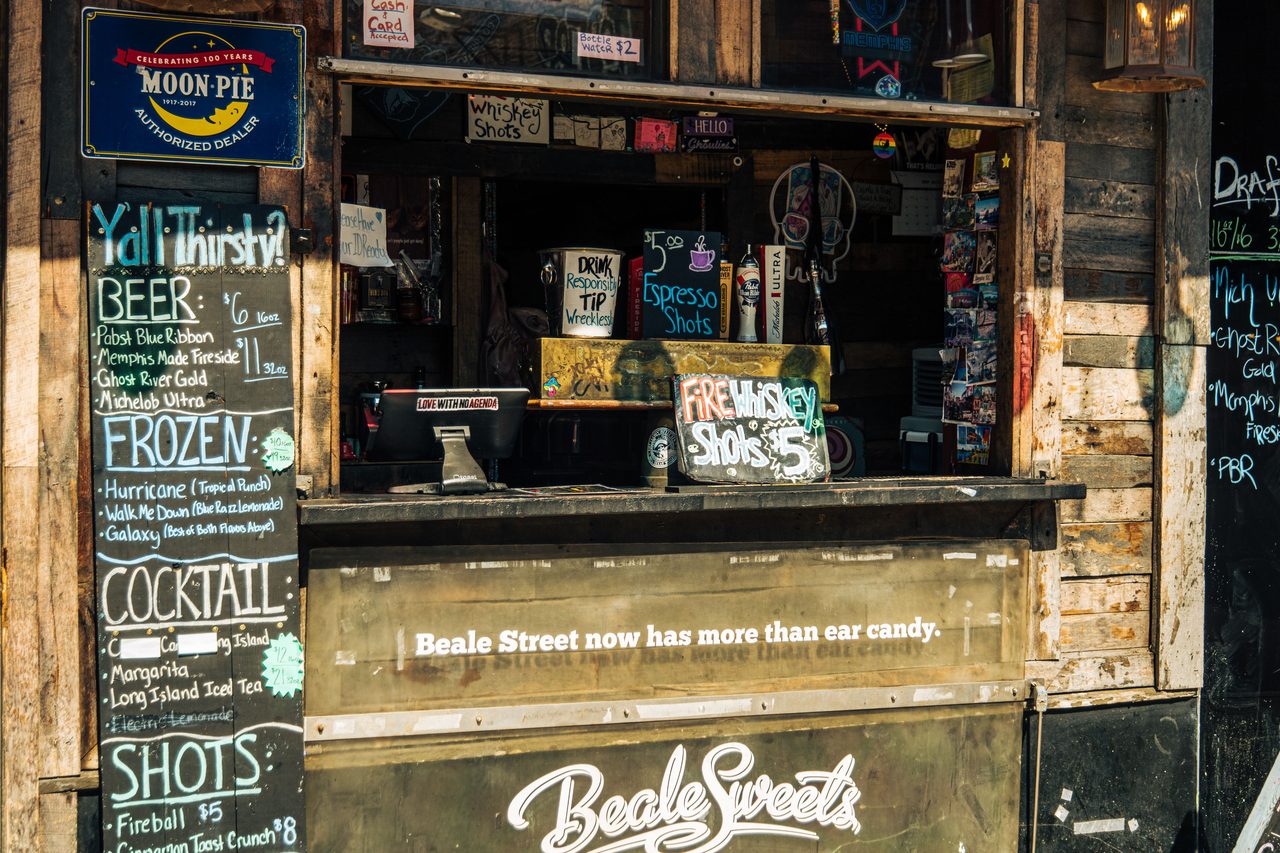
Beale Street in downtown Memphis is a several-block entertainment corridor tied to the city's blues history, lined with clubs, bars, and restaurants that often have live music spilling into the street. It's less a single attraction than a strip meant for walking between venues over an evening. During the day it's noticeably quieter, with far less live music happening.
Ryman Auditorium
Built in 1892 as a religious tabernacle, the Ryman later became home to the Grand Ole Opry radio show for over three decades and is known for its pew-style wooden seating and notably strong acoustics. It still hosts concerts today alongside daytime tours of the stage and backstage areas. The building's dual identity as a former church and a country music landmark is part of what makes a visit distinctive.
Tennessee Aquarium
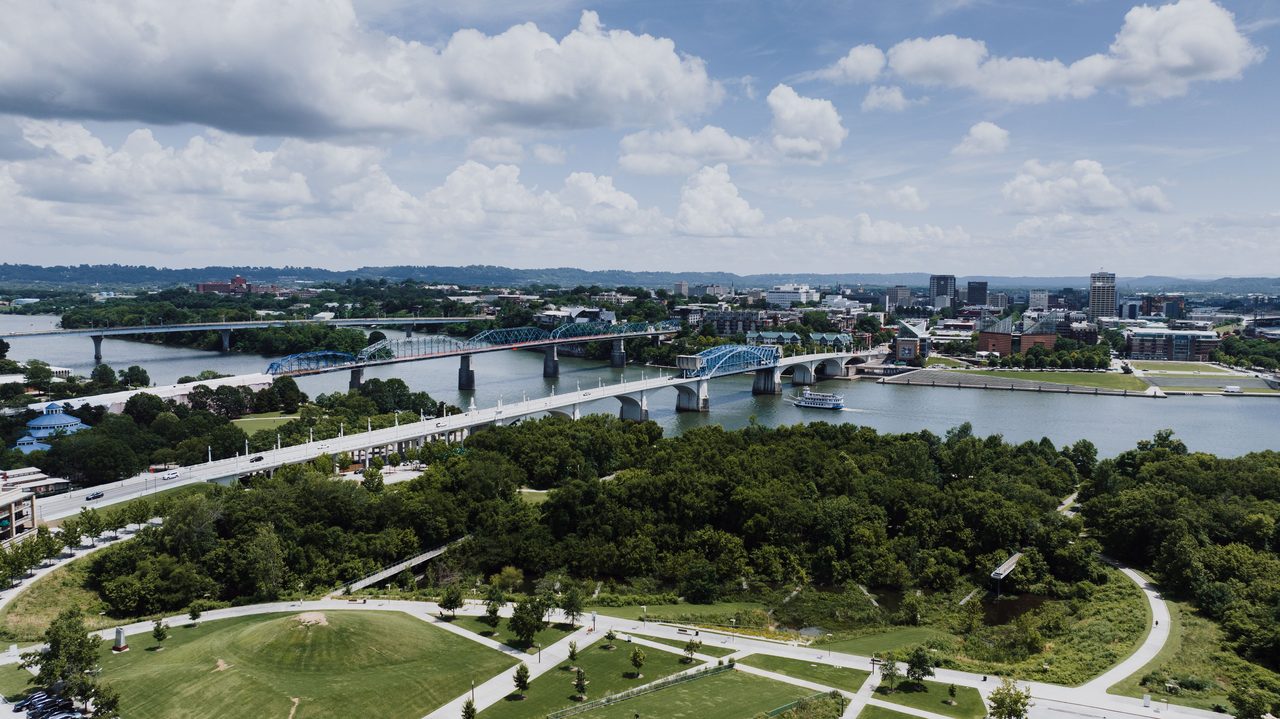
Located on the Chattanooga riverfront, this aquarium is split into two connected buildings: the River Journey building, which follows freshwater ecosystems from the Appalachians down to tropical rivers, and the Ocean Journey building, focused on saltwater habitats. The combined layout lets visitors walk through very different aquatic environments in one visit. It was one of the first large freshwater-focused aquariums in the country when it opened.
Recommended itineraries
Pick a length, follow the route. Each itinerary balances headline sights with breathing room.
5-Day Tennessee Explorer
Day 1Arrive in Tennessee, explore city center
Day 2Visit top attractions and museums
Day 3Day trip to nearby highlights
Day 4Local markets and hidden gems
Day 5Final sightseeing, departure
7-Day Classic Tennessee
Days 1-2Tennessee city highlights
Days 3-4Regional exploration
Days 5-6Cultural immersion and local experiences
Day 7Return and departure
14-Day Ultimate Tennessee
Days 1-3Tennessee comprehensive city tour
Days 4-6Northern region exploration
Days 7-9Eastern highlights
Days 10-12Southern attractions
Days 13-14Return to Tennessee, departure
Where to stay in Tennessee
Three tiers, every traveller covered — from cost-conscious to flagship hotels.
Budget $110–$190/day
Hostels, budget hotels, and guesthouses offer affordable stays without sacrificing experience.
Mid-range $230–$390/day
Boutique hotels and well-located accommodations provide comfort and convenience at reasonable prices.
Luxury $490–$1020/day
World-class resorts and premium hotels deliver unforgettable experiences.
Cafés, neighbourhood gems, and tasting menus worth the table reservation.
Husk Nashville
Southern American · $$$$
Husk occupies a restored Victorian house near downtown Nashville, part of the chain that helped define modern Southern fine dining by building menus around regional farmers and foragers rather than fixed dishes. The kitchen changes its offerings daily based on what's sourced from Tennessee and the broader South, plating in a refined but not stuffy dining room across a few connected parlor-style rooms.
Prince's Hot Chicken Shack
Nashville Hot Chicken · $
Prince's is the Nashville restaurant credited with originating hot chicken as a dish, run for decades by descendants of the family that first fried it. The setting is no-frills counter service, and the focus is entirely on the chicken, cooked to order and served on white bread with pickle chips.
The Catbird Seat
Modern American (Tasting Menu) · $$$$
The Catbird Seat is a small counter-seat restaurant above Nashville's Josephine building, built around an open kitchen where diners watch the entire tasting menu prepared and plated a few feet away. The format is more theatrical than a standard tasting menu, with courses built around whatever produce and foraged ingredients the chefs are working with that season.
Loveless Cafe
Southern Comfort / Breakfast · $$
Loveless Cafe started as a roadside motel dining room outside Nashville in 1951 and has kept the same scratch-made biscuit recipe ever since, now serving a much larger crowd from a cluster of connected dining rooms decorated with old motel signage. It's a breakfast-and-Southern-comfort menu built around country ham, gravy, and fried chicken rather than anything experimental.
Central BBQ
Memphis Barbecue · $$
Central BBQ is a Memphis barbecue operation known for dry-rubbed, not sauced, ribs in keeping with the city's style, cooked over wood in a casual order-at-the-counter setup with picnic-style seating. Sauce comes on the side by choice, letting the rub and smoke do the work on the meat itself.
Cozy Corner Restaurant
Memphis Barbecue · $
Cozy Corner is a longtime family-run barbecue spot in Memphis known for smoking cuts less common on most barbecue menus, particularly whole Cornish game hens, alongside the beef ribs and pork shoulder more typical of the region. The space is small and unpretentious, a neighborhood counter operation rather than a polished restaurant.
Tennessee has three major airports: Nashville International (BNA), Memphis International (MEM), and McGhee Tyson (TYS) in Knoxville. A car is the most practical way to explore the state; interstate highways I-40 (east-west), I-65, and I-24 connect major cities. Nashville has a bus rapid transit system (WeGo) and the Music City Star commuter rail. Uber and Lyft operate in all major cities.
Budget breakdown
Daily spend by tier in USD, broken out by category.
Category
Budget
Mid-range
Luxury
Accommodation
$60–$100/night (hostels, budget motels)
$120–$200/night (3-star hotels)
$250–$500+/night (4–5-star hotels)
Food (per day)
$25–$40/day
$50–$80/day
$100–$200/day
Transportation
$15–$25/day (gas or transit)
$30–$50/day
$60–$120/day (rental car or rideshare)
Activities
$10–$25/day
$30–$60/day
$80–$200/day
Daily total
$110–$190/day
$230–$390/day
$490–$1020/day
Best time to visit Tennessee
Weather through the year in United States
Best timeShoulderWorth avoiding
Average daytime temperature in °C. Figures are for United States.
Spring (April–May) brings mild temperatures, wildflowers in the Smokies, and smaller crowds than summer. Fall (September–October) offers spectacular foliage, especially in the mountains. Summer is the busiest season with higher hotel rates, particularly in Nashville.
Essential travel tips
Tennessee has no state income tax, and the sales tax on food is reduced — meals are generally tax-friendly
Tipping 18–20% at restaurants is standard; tip bartenders $1–2 per drink
Nashville hotel rates spike dramatically during major events — book at least 3 months ahead for CMA Fest (June)
A rental car is essential outside of Nashville and Memphis for reaching natural attractions
The Great Smoky Mountains are always free to enter (no entry fee); Clingmans Dome Road closes in winter
Hidden gems
Off-the-beaten-path corners most travellers miss.
Cades Cove
Great Smoky Mountains NP
Fall Creek Falls State Park
Spencer
Museum of Appalachia
Norris
Jack Daniel's Distillery
Lynchburg
Carter House Civil War Site
Franklin
Safety information
INFO
Lock vehicles and avoid leaving valuables visible, especially in parking lots near trailheads
INFO
In Memphis, stay in the well-lit tourist areas around Beale Street after dark
INFO
Tennessee has severe weather seasons — tornado season peaks March–May; monitor weather apps
INFO
In the Smokies, wildlife encounters are common — never approach or feed black bears
INFO
Download maps offline before hiking — cell signal is unreliable in mountain areas
Frequently asked questions
Is Tennessee safe to visit in 2026?
Tennessee is generally a safe destination for tourists. Nashville's Broadway and downtown tourist corridor are heavily policed and lively around the clock. Memphis requires more urban awareness, particularly outside the Beale Street entertainment district at night. The Smoky Mountains have specific
What is the best time to visit Tennessee?
The best time to visit Tennessee is April–May and September–October. Tennessee has a humid subtropical climate with four distinct seasons. The state spans significant geographic diversity: western Tennessee (Memphis) is hot and humid with mild winters; middle Tennessee
Do I need a visa to visit Tennessee?
Entry requirements follow United States federal rules. Visitors from Visa Waiver Program countries can enter for up to 90 days with an approved ESTA (apply at esta.cbp.dhs.gov, fee $21 USD). All others require a US visa obtained from an American embassy before travel. Requirements vary by nationality, so check with your nearest embassy or the official immigration website before traveling.
What currency is used in Tennessee?
The currency in Tennessee is the US Dollar (USD). ATMs are widely available in cities and tourist areas. Credit cards are accepted at most hotels and restaurants, but carry cash for markets and smaller establishments.
What language is spoken in Tennessee?
The main language(s) spoken in Tennessee: English. In tourist areas, English is generally understood. Learning a few basic phrases in the local language is appreciated by locals.
What are the top attractions in Tennessee?
The top attractions in Tennessee include Great Smoky Mountains National Park, Graceland, Country Music Hall of Fame and Museum, Beale Street, and Ryman Auditorium. Each offers a unique experience, from historic landmarks to natural wonders.