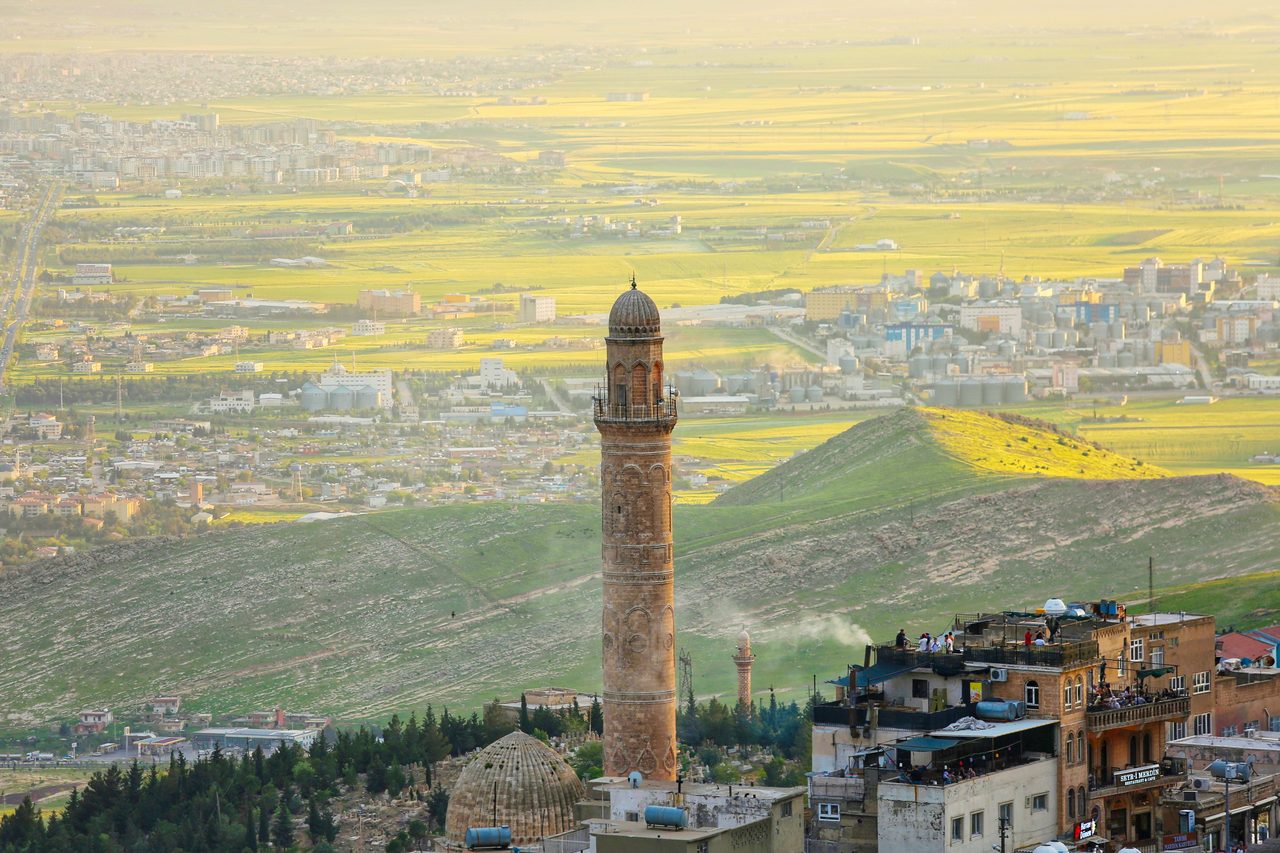
Bayburt is a small, authentic province in northeastern Turkey nestled in the Çoruh River valley, framed by the Eastern Pontic Mountains. Known for its imposing medieval castle, pristine highland plateaus (yaylas), wild river gorges, and some of Turkey's finest honey, Bayburt offers an unhurried window into traditional Anatolian life far from the tourist mainstream.
Perched at roughly 1,600 metres above sea level between Trabzon on the Black Sea coast and Erzurum on the high plateau, Bayburt province covers 3,652 km² of rugged mountain terrain. The Çoruh River bisects the city centre before carving dramatic gorges downstream toward Georgia. The towering Bayburt Castle — one of Turkey's largest medieval fortresses — watches over cobblestone streets where locals still sell hand-carved wooden goods, karakovan black honey, and woven kilims. Surrounding villages practice centuries-old transhumance, moving cattle to high yayla pastures each summer. For travellers seeking genuine cultural immersion, mountain trekking, white-water adventure on the Çoruh, and extraordinary rural hospitality, Bayburt rewards slow exploration.
The 23 destinations our editors recommend — from iconic landmarks to under-the-radar finds.
Bayburt Castle (Bayburt Kalesi)
This fortress sits on a rocky outcrop directly above Bayburt's old town, guarding the historic route that linked the Anatolian plateau to the Black Sea coast through the Çoruh valley. Its walls have been rebuilt and reinforced across successive periods, from early medieval defenders through the Seljuks and Ottomans, reflecting the site's long use as a strategic checkpoint rather than a single builder's monument. Walking the surviving ramparts today is mainly about the position: a compact hilltop enclosure with the city and river spread out below.
Aydıntepe Underground City (Soğuk Mağara)
This is a multi-level underground complex carved into the rock near Aydıntepe, southwest of Bayburt city, with tunnels, rooms and ventilation shafts connecting different chambers. It belongs to the same tradition of subterranean refuges found elsewhere in Anatolia, built to shelter people and stores during periods of raids or harsh winters rather than for permanent habitation. The passages are narrow and low in places, so the experience is more about the engineering of the space than any single dramatic chamber.
Çoruh River Valley Viewpoint
Kümbet Valley (Kümbet Vadisi)
Dere Köy Yayla (Highland Plateau)
Bayburt Ulu Camii (Grand Mosque)
Bayburt's Ulu Camii dates back to the Seljuk period and has been repaired and altered over the following centuries, making it one of the oldest continuously used religious buildings in the city. It follows the plan typical of early Anatolian mosques from that era: a straightforward prayer hall built for a working congregation rather than for display. It remains an active mosque in daily use, not a museum piece.
Recommended itineraries
Pick a length, follow the route. Each itinerary balances headline sights with breathing room.
5-Day Bayburt Explorer
Day 1Arrive in Bayburt, explore city center
Day 2Visit top attractions and museums
Day 3Day trip to nearby highlights
Day 4Local markets and hidden gems
Day 5Final sightseeing, departure
7-Day Classic Bayburt
Days 1-2Bayburt city highlights
Days 3-4Regional exploration
Days 5-6Cultural immersion and local experiences
Day 7Return and departure
14-Day Ultimate Bayburt
Days 1-3Bayburt comprehensive city tour
Days 4-6Northern region exploration
Days 7-9Eastern highlights
Days 10-12Southern attractions
Days 13-14Return to Bayburt, departure
Where to stay in Bayburt
Three tiers, every traveller covered — from cost-conscious to flagship hotels.
Budget 600–1350 TRY/day (~$12.75–$28.75 USD)
Hostels, budget hotels, and guesthouses offer affordable stays without sacrificing experience.
Mid-range 1250–2600 TRY/day (~$26.60–$55.30 USD)
Boutique hotels and well-located accommodations provide comfort and convenience at reasonable prices.
Luxury 2600–5700 TRY/day (~$55.30–$121 USD)
World-class resorts and premium hotels deliver unforgettable experiences.
Bayburt is reached primarily by road. Dolmuş minibuses connect to Erzurum and Trabzon. Within the city, walking and taxis cover all needs.
Budget breakdown
Daily spend by tier in TRY (Turkish Lira), broken out by category.
Category
Budget
Mid-range
Luxury
Accommodation
400–700 TRY/night (~$8.50–$15 USD)
700–1200 TRY/night (~$15–$25.50 USD)
1200–2500 TRY/night (~$25.50–$53 USD)
Food (per day)
150–300 TRY/day (~$3.20–$6.40 USD)
300–600 TRY/day (~$6.40–$12.75 USD)
600–1200 TRY/day (~$12.75–$25.50 USD)
Transportation
50–150 TRY/day (~$1.06–$3.20 USD)
150–400 TRY/day (~$3.20–$8.50 USD)
400–1000 TRY/day (~$8.50–$21.30 USD)
Activities
0–200 TRY/day (~$0–$4.25 USD)
100–400 TRY/day (~$2.13–$8.50 USD)
400–1000 TRY/day (~$8.50–$21.30 USD)
Daily total
600–1350 TRY/day (~$12.75–$28.75 USD)
1250–2600 TRY/day (~$26.60–$55.30 USD)
2600–5700 TRY/day (~$55.30–$121 USD)
Best time to visit Bayburt
Weather through the year in Turkey
Best timeShoulderWorth avoiding
Average daytime temperature in °C. Figures are for Turkey.
Spring (May–June) brings wildflowers to the valleys; autumn (September–October) offers golden foliage and harvest honey season. Summer yayla festivals make July–August the most vibrant period.
Essential travel tips
Learn a few words of Turkish — English is rarely spoken outside hotels
Friday midday prayer causes brief closures at some shops and restaurants
Bayburt honey (karakovan balı) makes an excellent souvenir — buy directly from village producers near Demirözü
The castle is free to enter and best visited in the morning before noon heat
Dolmuş to Erzurum departs from Bayburt otogar (bus station) approximately every 1–2 hours
Hidden gems
Off-the-beaten-path corners most travellers miss.
Ridge 200 m Beyond the Castle
A rough scramble 200 m past the castle's main walls reaches an unmarked vantage point with 360° views of the Çoruh Valley that the vast majority of visitors miss entirely.
Demirözü Village Honey Sellers (Not Roadside Stalls)
Genuine karakovan (black-hive) honey sold directly from producers in Demirözü village, priced 200–300 TRY/kg. The same honey costs three times more in Istanbul and Ankara.
Kanlıdere Canyon
A 6 km return canyon trail 12 km west of the city with stream-side walking, wildflowers and canyon walls. Almost no signage and very few visitors — the antithesis of a tourist site.
Ziyaretçi Hazır Yemek
The cheapest and most local lunch in Bayburt — a hazır yemek canteen where daily specials cost 60–90 TRY. No menu or English — point at the pots.
Safety information
INFO
Carry cash — card acceptance is limited outside the main hotels
INFO
Mountain trails can become slippery in rain; wear appropriate footwear
INFO
Notify accommodation of hiking plans and estimated return time
INFO
Tap water is generally safe but bottled water widely available for 5–10 TRY
Frequently asked questions
Is Bayburt safe to visit in 2026?
Bayburt is a small, conservative, and genuinely hospitable city in northeastern Turkey. Crime rates are among the lowest in the country. The main hazards for visitors are environmental: mountain weather, unpaved highland roads, and river currents. Standard travel precautions apply.
What is the best time to visit Bayburt?
The best time to visit Bayburt is June to September. Bayburt has a continental highland climate at approximately 1,600 m elevation. Winters are cold and snowy (December–February sees regular sub-zero temperatures and heavy snowfall). Summers are warm bu
What currency is used in Bayburt?
The currency in Bayburt is the Turkish Lira (TRY). ATMs are widely available in cities and tourist areas. Credit cards are accepted at most hotels and restaurants, but carry cash for markets and smaller establishments.
What language is spoken in Bayburt?
The main language(s) spoken in Bayburt: Turkish. In tourist areas, English is generally understood. Learning a few basic phrases in the local language is appreciated by locals.
What are the top attractions in Bayburt?
The top attractions in Bayburt include Bayburt Castle (Bayburt Kalesi), Aydıntepe Underground City (Soğuk Mağara), Çoruh River Valley Viewpoint, Kümbet Valley (Kümbet Vadisi), and Dere Köy Yayla (Highland Plateau). Each offers a unique experience, from historic landmarks to natural wonders.